On this page
- Beaches Worth Your Time
- Jungle & Nature Experiences
- Sky-High Adventures
- Island-Hopping & Water Activities
- Food Scenes & Where to Eat
- Duty-Free Shopping & Markets
- Cultural & Historical Stops
- Wellness & Slow Travel
- Family-Friendly Activities
- Day Trips from Langkawi
- Nightlife & Evening Entertainment
- Getting Around Langkawi
- Budget Breakdown 2026
- Frequently Asked Questions
💰 Click here to see Malaysia Budget Breakdown
💰 Prices updated: August, 2026. Budget figures are estimates — always verify before travel.
Exchange Rate: $1 USD = RM4.03
Daily Budget (per person)
Shoestring: RM100.00 – RM200.00 ($24.81 – $49.63)
Mid-range: RM180.00 – RM400.00 ($44.67 – $99.26)
Comfortable: RM450.00 – RM1,300.00 ($111.66 – $322.58)
Accommodation (per night)
Hostel/guesthouse: RM20.00 – RM70.00 ($4.96 – $17.37)
Mid-range hotel: RM100.00 – RM350.00 ($24.81 – $86.85)
Food (per meal)
Budget meal: RM15.00 ($3.72)
Mid-range meal: RM35.00 ($8.68)
Upscale meal: RM100.00 ($24.81)
Transport
Single metro/bus trip: RM2.00 ($0.50)
Monthly transport pass: RM150.00 ($37.22)
Langkawi in 2026 has a problem most islands would envy — too many people have heard about it. Social media has turned once-empty beaches into Instagram queues and the cable car line on weekends can swallow an hour of your morning. But here’s the truth: Langkawi is still one of Southeast Asia’s most rewarding islands if you know where to point yourself. This guide covers 25 specific things to do, from the genuinely unmissable to the corners most visitors never find.
Beaches Worth Your Time
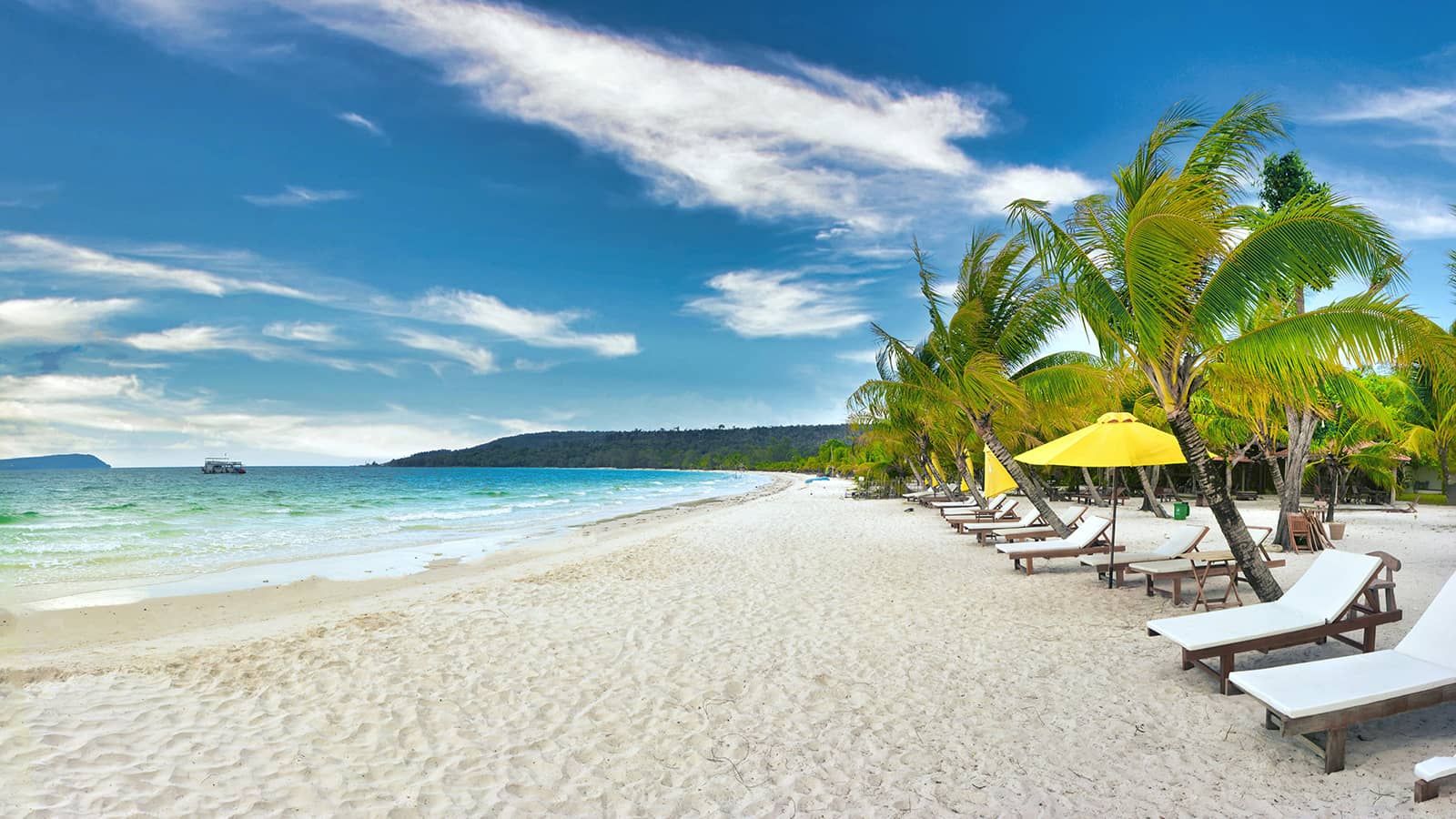
Pantai Cenang is Langkawi’s most famous beach, and yes, it earns its reputation — the sand is fine, the water is warm, and the sunset turns the sky a deep amber that reflects off the Andaman Sea. But go on a Saturday in July and you’ll be sharing a towel-sized patch with half of Kuala Lumpur. Know the alternatives.
- Pantai Tengah — Immediately south of Cenang, noticeably quieter, same quality sand. Better for families as the water is calmer near the southern end.
- Pantai Kok — Curved bay backed by jungle on the northwest coast. Almost empty on weekday mornings. The water here is a deeper green-blue than Cenang’s.
- Tanjung Rhu — The island’s most dramatic beach. Long, pale, and fringed by casuarina trees that whisper in the sea breeze. Shallow water stretches far out at low tide, and you can wade across to a sandbar that disappears at high tide.
- Pasir Tengkorak — A public beach that locals actually use. No resort crowd, a small waterfall nearby, and shaded picnic spots. Free to enter.
- Pantai Pasir Hitam — Black sand from iron ore minerals streaking through lighter grains. More of a curiosity than a swim spot, but worth the stop.

Jungle & Nature Experiences
Langkawi is a UNESCO Global Geopark, which means a significant chunk of the island is protected rainforest. The jungle here is genuinely old-growth in places, and the wildlife reflects that.
- Kilim Karst Geoforest Park Mangrove Tour — A two- to three-hour boat trip through a network of mangrove rivers, limestone caves, and feeding stations where brown-winged kingfishers dart between roots. Eagles, monkeys, and monitor lizards are regular sightings. Most operators leave from Kilim Jetty. Budget MYR 50–80 per person for a group tour.
- Temurun Waterfall — A multi-tiered waterfall tucked in the jungle near Datai Bay. The pool at the base is deep enough to swim in. The trail from the roadside is short (under 15 minutes) but can be slippery after rain — wear shoes with grip.
- Durian Perangin Waterfall — Nine cascading tiers, with a natural pool at the base popular with locals on weekends. The surrounding forest has long-tailed macaques, and if you stay quiet near the riverbank, you may spot water monitor lizards that can reach 1.5 metres.
- Gunung Raya Night Drive — Langkawi’s highest peak at 881 metres. Some eco-tour operators offer night drives up the winding road where slow lorises and flying squirrels have been spotted. Book through a licensed wildlife guide — unguided night drives disturb nesting birds.
- Datai Bay Rainforest Walk — The Datai Langkawi resort opens its private jungle trails to guided tour groups on certain days. The resident naturalist program here is exceptionally well run, even if you’re not staying at the resort.
Sky-High Adventures
The Langkawi Cable Car (SkyCab) and Sky Bridge remain two of Malaysia’s most recognisable attractions, and for good reason — the view from 708 metres above the Machinchang range on a clear morning is genuinely jaw-dropping. The jungle canopy below looks like a solid green carpet that breaks only where the sea cuts in.

- Langkawi SkyCab — Runs from Oriental Village up to the top station on Gunung Machinchang. Cable cars depart regularly. Adult tickets in 2026 are around MYR 55 for the basic ride. Buy online to skip the ticket counter queue.
- Langkawi Sky Bridge — A curved pedestrian bridge suspended at the top station, 100 metres long and cantilevered over a cliff edge. The views extend to Thailand on clear days. Separate fee applies (MYR 10 in 2026). Go on weekday mornings for minimal crowds.
- Eagle Square (Dataran Lang) — The 12-metre eagle statue at Kuah Jetty is the island’s most photographed landmark. Not thrilling in itself, but the waterfront promenade at golden hour, when fishing boats return and the sky goes orange behind the sculpture, is a legitimately good photo.
- Top View at Gunung Raya — Drive to the summit for a different angle over the island. On days when low cloud rolls in, you’ll be standing above the cloud layer looking down at cotton-white coverage — a view few visitors bother with.
Island-Hopping & Water Activities
Langkawi’s surrounding waters are some of the most accessible in Malaysia for non-divers and divers alike. The main island is really a launching pad for a wider archipelago of 99 islands.
- Island-Hopping Boat Tours — The standard three-island package covers Pulau Dayang Bunting (Lake of the Pregnant Maiden, a freshwater lake inside a limestone island), Pulau Singa Besar (eagle feeding), and Pulau Beras Basah (sandbar beach). MYR 35–50 per person for a shared boat. Leave early — by 11am the sandbars are crowded.
- Snorkeling at Pulau Payar Marine Park — About 45 minutes by speedboat from Kuah Jetty. Coral health has improved slightly since the 2024 marine protection expansion. Bring your own mask if you have one — the rental equipment at the pontoon is functional but basic. Book through operators charging MYR 180–250 per person (includes lunch and equipment).
- Kayaking the Kilim River — Rent a kayak from operators near Kilim Jetty and explore at your own pace. Paddle under limestone overhangs, past batfish swimming in clear water, and into sea caves. Kayak hire runs MYR 25–40 per hour.
- Sunset Cruise — A two-hour cruise on a traditional wooden boat (or modern catamaran, depending on the operator) as the sun drops into the Andaman Sea. Prices range from MYR 80 (basic group cruise) to MYR 350+ for private charter. The sky, on a good evening, moves from orange to deep pink to purple in under 20 minutes.
- Parasailing over Pantai Cenang — A 10-minute ride that gets you high enough to see the full curve of the bay below. MYR 80–100 per person from beachfront operators. Check that the operator uses a licensed speedboat — look for the Marine Department sticker.

Food Scenes & Where to Eat
Langkawi’s duty-free status means alcohol is cheaper here than almost anywhere else in Malaysia, and that has shaped the food scene around Pantai Cenang into a mix of tourist-facing Western cafes, legitimate Malay seafood, and cheap Indian mamak joints. Here’s where to spend your appetite.
- Cenang Mall Food Court — Ground floor food court with Malay, Chinese, and Indian stalls. Nasi campur plates from MYR 8, grilled fish from MYR 12. Air-conditioned, open late. Tourists walk past it constantly without going in — go in.
- Jalan Pantai Cenang Night Strip — From around 6pm, pushcart vendors set up along the main road. Grilled corn rubbed with butter and chilli powder, fresh coconut, and satay from portable grills that send charcoal smoke drifting across the street.
- Pasar Malam Kuah (Kuah Night Market) — Runs Thursday and Saturday evenings near the town centre. Larger and more local than the Cenang equivalent. Lok-lok skewers, fried kuih, roasted chestnuts, fresh fruit cut to order. If you’re based in Cenang, it’s a 20-minute drive worth making at least once.
- Wonderland Food Store, Pantai Tengah — One of the best beachside seafood joints on the island. Order the butter prawn and the steamed fish with soy and ginger. Arrive by 7pm or expect a wait. Mains MYR 18–45.
- Nam Restaurant, Pantai Kok area — Run by a family from Kedah, this small open-air spot does nasi lemak in the morning (MYR 5–8) and tom yam seafood at night. The sambal is made fresh daily and has the kind of layered heat — first sweet, then a slow burn — that supermarket versions never achieve.
- Tomato Mamak, Pantai Cenang — Open 24 hours, which matters when you’ve arrived on a late flight from KL. Roti canai with dhall at 2am, teh tarik that comes to the table still steaming. Prices are standard mamak — expect MYR 15–25 for a full meal.

Duty-Free Shopping & Markets
Langkawi’s duty-free status covers alcohol, cigarettes, chocolate, and selected electronics. Prices are genuinely lower — a bottle of Johnnie Walker Black that costs MYR 140 in KL is around MYR 75 here. But not everything is a deal, so target the right categories.
- Haji Ismail Duty Free Complex, Kuah — The main duty-free shopping hub near the jetty. Multiple floors of liquor, chocolate, cosmetics, and electronics. Compare prices before you buy — some electronics are not significantly cheaper than KL’s Lowyat Plaza.
- Langkawi Fair Shopping Mall — A mid-sized mall near Kuah with local fashion, hardware, and a supermarket that’s useful for stocking up on snacks and drinks for beach days.
- Cenang Mall — Smaller but convenient for beach gear, sunscreen (buy Banana Boat here — cheaper than at resorts), sarongs, and Langkawi-branded souvenirs that are a step above generic.
- Pasar Kraf Langkawi (Langkawi Craft Market) — Near Eagle Square in Kuah. Batik clothing, wooden crafts, handwoven baskets. Quality varies. Look for items with the “Kraftangan Malaysia” certification tag if you want authentic handcraft.
- Local Chocolate Shops — Several Langkawi-brand chocolate makers operate retail outlets across the island. The mango chilli chocolate and the pandan-flavoured bars are the picks. MYR 15–35 per box — they make decent gifts that won’t be found elsewhere.

Cultural & Historical Stops
Langkawi carries a mythology heavier than most Malaysian islands. The name itself is believed to derive from “Lang” (eagle) and “kawi” (marble), though local historians debate this. The island’s stories are worth understanding before you arrive.
- Makam Mahsuri (Mahsuri’s Mausoleum) — The tomb of Mahsuri, a legendary figure said to have been unjustly executed and cursed Langkawi for seven generations. The white mausoleum sits in a well-maintained heritage complex near Padang Matsirat. Entry MYR 10. The complex includes a replica traditional Malay house and cultural museum that explains the legend in context — not just the tourist version.
- Langkawi Craft Cultural Complex — Separate from the craft market, this larger complex near the airport shows traditional craft demonstrations including batik-painting, weaving, and kite-making (wau bulan). Worth an hour.
- Balai Nobat, Kuah — A small but historically significant building housing the royal ceremonial instruments of Kedah. Not always open to visitors, but the exterior and surrounding grounds near Kuah town give a sense of the island’s long-standing ties to the Kedah sultanate.
- Beras Terbakar Field (Burnt Rice Field) — A stretch of land near Padang Matsirat that, according to local legend, was set ablaze to prevent rice falling into invading Siamese forces’ hands. Some charred rice remnants are still found underground. The site is modest — more for those who want to understand Langkawi’s identity than those seeking spectacle.

Wellness & Slow Travel
Langkawi has quietly become one of Malaysia’s strongest wellness destinations, largely because the combination of jungle, sea, and relative quiet makes digital detox feel natural rather than forced.
- Spa at The Datai — Consistently ranked among Asia’s best resort spas. A treatment here starts at MYR 380, but the jungle setting — open-air treatment rooms above the rainforest floor — is unlike anything in an urban hotel. Non-guests can book spa treatments without staying.
- Four Seasons Langkawi Spa — Set in Moroccan-influenced pavilions on Tanjung Rhu beach. Marine-inspired treatments using sea-harvested ingredients. Starts around MYR 320 per session.
- Yoga at Ambong-Ambong Rainforest Retreat — A small boutique property in the Pantai Tengah hillside that runs morning yoga classes open to non-guests (book in advance). The deck overlooks a jungle canopy, and you’ll hear hornbills during the session if the timing is right.
- Sunset Meditation at Tanjung Rhu — No operator needed. Walk to the far northern end of the beach after 5:30pm, sit on the sandbar facing west, and watch the light drop. Fishing boats cross the horizon. The water at your feet is bath-warm. It costs nothing and is one of Langkawi’s best experiences.
Family-Friendly Activities
Langkawi works extremely well for families with children, largely because of the variety of structured attractions that keep different age groups occupied within a short driving distance of each other.
- Underwater World Langkawi — One of Southeast Asia’s larger aquariums. Penguins, a 15-metre underwater tunnel with sharks and rays, and a freshwater section with giant arapaima. Entry in 2026: MYR 55 adults, MYR 43 children. Allow two hours.
- Langkawi Wildlife Park — Allows direct interaction with animals including meerkats, wallabies, and giant tortoises. More hands-on than a conventional zoo, which children generally prefer. MYR 45 adults, MYR 35 children.
- ESCAPE Langkawi Waterpark — Located near Pantai Kok, with zip lines, waterslides, and a rope course set against a jungle backdrop. Full-day tickets MYR 100–130 depending on the package. The ATV tracks and bubble soccer add-ons cost extra.
- 3D Art Museum — A kitschy but genuinely fun stop for families. Interactive paintings where you become part of the image — kids aged 5–12 particularly love it. Near Pantai Cenang. MYR 25 per person.
- Horse Riding on the Beach — A few licensed operators near Pantai Cenang offer beach rides at sunrise and sunset. MYR 60–90 for a 30-minute ride. Book the day before — sessions fill quickly during school holidays.

Day Trips from Langkawi
Langkawi’s position near the Thai-Malaysian border makes it an unusually good base for regional exploration, and the 2026 ferry network remains well-connected.
- Koh Lipe, Thailand — A 1.5-hour speedboat ride from Telaga Harbour. Crystal-clear water, coral snorkeling directly from the beach, and a thriving beach bar scene. Day trips are possible but an overnight stay does it more justice. Passport required — this is an international crossing. Ferry tickets MYR 110–130 one-way. Note: the Koh Lipe crossing is typically available November to April (weather permitting).
- Kuala Perlis (Mainland) — A 45-minute ferry from Langkawi to the mainland’s smallest state capital. Not a conventional tourist stop, but the old jetty town has authentic Malay seafood restaurants that serve freshly caught kurau (threadfin) and siakap (barramundi) at prices well below resort levels. Return ferry MYR 23–28.
- Alor Setar, Kedah — Ferry to Kuala Kedah (45 minutes, MYR 23–28), then a 40-minute drive to the Kedah state capital. Excellent Indian Muslim food scene, the Balai Nobat museum, and the Zahir Mosque — one of Malaysia’s most beautiful. Best as a full-day trip.

Nightlife & Evening Entertainment
Langkawi is not Phuket. The nightlife is relaxed, heavily beach-bar oriented, and typically winds down by midnight except on weekends. That’s not a complaint — it’s why families and couples feel comfortable here.
- Pantai Cenang Beach Bar Strip — La Sal at Casa del Mar and Yellow Café are the two anchors. Both have outdoor seating directly on the sand, live acoustic music on certain nights, and cold Carlsberg for MYR 12–15 a pint (duty-free benefit). The vibe is flip-flops and fairy lights, not clubs.
- Sunba Beach Bar — Slightly further south on Pantai Tengah, this is where you’ll find a more local crowd mixed with long-stay travellers. Fire shows on Friday nights. Cocktails MYR 22–35.
- Pasar Malam (Night Markets) — Different nights at different locations: Kuah on Thursday and Saturday, Padang Matsirat on Wednesday, Ulu Melaka on Sunday. These are the most genuinely local evening experiences on the island. MYR 50 will feed two people thoroughly.
- Cultural Performances at Resorts — Several larger resorts (including Meritus Pelangi) schedule traditional Malay dance and martial arts (silat) performances for guests on certain evenings. Non-guests can sometimes attend as part of dinner packages. Check current schedules at hotel concierge desks.
Getting Around Langkawi
This is the most practical section of this article, and the one most visitors underestimate. Langkawi has no public bus system worth relying on. If you don’t sort transport before arrival, you will overpay or waste time.
- Car Rental — The definitive solution. Small hatchbacks (Perodua Axia, Myvi) cost MYR 60–90 per day from local operators at the airport and in Pantai Cenang. Book online before arriving — during peak season, good rates go fast. International driving licence required for non-Malaysian visitors. Roads are well-signposted in English.
- Motorbike Rental — MYR 35–50 per day for a manual or semi-automatic 125cc bike. Popular with backpackers. Note that riding without a helmet is still illegal and local police do conduct checks on the main roads. Helmets are provided by all reputable rental shops.
- Grab — Available in Langkawi as of 2026, but driver supply is limited, particularly outside Cenang and Kuah. Wait times can be 20–30 minutes in less central areas. Don’t rely on Grab for time-sensitive trips.
- Taxis — Fixed-rate system. Rates are posted at Langkawi International Airport and at Kuah Jetty. Cenang to Kuah costs roughly MYR 25–30. Negotiate before getting in if hailing from the roadside — don’t enter without confirming the fare.
- Airport Transfer — Langkawi International Airport is only 3 kilometres from Pantai Cenang, so transfer costs are low (MYR 15–20 by taxi). In 2026, Grab pickups from the airport work reasonably well if you book before landing. No significant new airport rail link is operational as of 2026.
- Bicycle — Viable in the flat Cenang–Tengah corridor. Several shops rent bikes from MYR 15 per day. Not practical for the hilly northern and western parts of the island.

Budget Breakdown 2026
Langkawi’s duty-free status keeps alcohol and a few other categories cheaper than the Malaysian mainland, but accommodation at the beach has risen considerably since 2024 due to demand and several new boutique properties opening at the mid-range tier.
Budget Traveler (MYR 120–200 per day)
- Dorm bed or budget guesthouse near Pantai Cenang: MYR 40–70 per night
- Meals at mamak, food courts, and night markets: MYR 30–50 per day
- Motorbike rental: MYR 35–50 per day
- Two to three activities (waterfalls, beach, night market): MYR 20–40 per day
Mid-Range Traveler (MYR 350–600 per day)
- 3-star hotel or boutique guesthouse: MYR 150–280 per night
- Mix of restaurant meals and hawker food: MYR 80–120 per day
- Car rental: MYR 70–90 per day
- Activities including cable car, island hopping, one snorkeling trip: MYR 100–150 per day
Comfortable/Luxury Traveler (MYR 900–2,500+ per day)

- 4- to 5-star resort (Four Seasons, The Datai, Ritz-Carlton): MYR 600–1,800 per night
- Dining at resort restaurants and quality seafood spots: MYR 200–400 per day
- Private boat charters, spa treatments: MYR 300–700 per day
- Car rental or resort transfers: MYR 100–200 per day
Frequently Asked Questions
How many days do you need in Langkawi?
Three to five days covers the main beaches, cable car, island-hopping, and food scene comfortably. Five to seven days lets you add day trips to Koh Lipe or Pulau Payar, explore quieter beaches, and move at a slower pace without feeling rushed. Anything under two days is a waste of the ferry or flight time to get here.
Is Langkawi better than Penang for a beach holiday?
Different purposes. Langkawi wins on beaches, nature, and duty-free prices. Penang is superior for food, culture, and urban exploration. If you want sand, jungle, and water activities, Langkawi is the clear choice. Many travelers do three nights in Penang and four nights in Langkawi on the same trip — the ferry connection between them makes this easy.
What is the best time of year to visit Langkawi?
November through February is peak season — driest weather, calmest seas, best snorkeling visibility. March and April offer good weather with slightly fewer crowds. May through October is wetter, but rain typically comes in afternoon showers rather than all-day downpours. The cable car and outdoor activities remain doable outside monsoon peaks.
Is Langkawi safe for solo female travelers?
Yes, it is considered one of Malaysia’s safer tourist destinations. The main beach areas are well-lit and busy at night. Standard precautions apply — don’t leave valuables on the beach, use licensed taxis or Grab, and avoid isolated stretches of beach alone after dark. The local population is generally helpful and accustomed to international tourists.
Do I need a visa to travel from Langkawi to Koh Lipe in Thailand?
Yes. Koh Lipe is Thai territory, so you pass through Thai immigration at the floating border checkpoint near the island. Most nationalities including Malaysians, Australians, British, and Americans receive visa-free entry to Thailand for 60 days as of 2026. Bring your passport — a MyKad alone is not accepted at this crossing. Confirm current visa rules with the Thai embassy before travel as policies can change.
Explore more
Langkawi Nightlife Guide: Best Bars, Clubs & Live Music Spots
15 Essential Langkawi Day Trips & Excursions for First-Time Visitors
Langkawi Duty-Free Shopping Guide: What to Buy & Where to Find the Best Deals