On this page
- George Town’s Historic Food Districts
- Morning Markets & Breakfast Classics
- Iconic Penang Street Food – The 20 Must-Eat Dishes
- Hidden Hawker Gems
- Night Market Food Adventures
- Traditional Coffee Shops & Kopitiam Culture
- Modern Food Courts & New Generation Hawkers
- Vegetarian & Halal Food Trails
- Food Festivals & Seasonal Specialties
- Budget Breakdown for Food Adventures
- Practical Food Trail Tips
- Frequently Asked Questions
💰 Click here to see Malaysia Budget Breakdown
💰 Prices updated: October, 2026. Budget figures are estimates — always verify before travel.
Exchange Rate: $1 USD = RM4.08
Daily Budget (per person)
Shoestring: RM100.00 – RM180.00 ($24.51 – $44.12)
Mid-range: RM250.00 – RM450.00 ($61.27 – $110.29)
Comfortable: RM500.00 – RM1,000.00 ($122.55 – $245.10)
Accommodation (per night)
Hostel/guesthouse: RM30.00 – RM60.00 ($7.35 – $14.71)
Mid-range hotel: RM110.00 – RM200.00 ($26.96 – $49.02)
Food (per meal)
Budget meal: RM15.00 ($3.68)
Mid-range meal: RM35.00 ($8.58)
Upscale meal: RM100.00 ($24.51)
Transport
Single metro/bus trip: RM2.00 ($0.49)
Monthly transport pass: RM50.00 ($12.25)
Penang’s food scene in 2026 continues to evolve while honoring its legendary street food heritage. With UNESCO World Heritage status protecting George Town’s cultural landscape and Malaysia’s post-pandemic tourism boom, finding authentic flavors among tourist traps has become both easier and more challenging. The good news? Local food culture remains vibrantly intact, with third-generation hawkers still serving recipes passed down through families, while new food courts and night markets have emerged to handle growing visitor numbers.
George Town’s Historic Food Districts
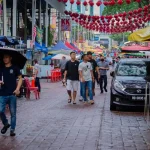
George Town’s food landscape spreads across distinct neighborhoods, each with its own culinary personality. The heart of the action centers around Armenian Street, where heritage shophouses house everything from traditional coffee shops to modern fusion bistros. This UNESCO-protected corridor buzzes with activity from dawn until late night, with the aromatic smoke from charcoal woks mixing with the sweet scent of coconut milk simmering in massive pots.
Chulia Street forms the backpacker district, where budget travelers discover some of the city’s most authentic flavors at rock-bottom prices. The street transforms throughout the day – morning sees workers grabbing quick breakfast from mobile carts, while evenings bring out the serious food stalls serving proper char kway teow and assam laksa to locals who know their stuff.
Lebuh Campbell and the surrounding lanes create a maze of hidden food gems. This area requires patience and exploration, as the best stalls often occupy unmarked corners or operate from seemingly residential buildings. The reward is encountering dishes prepared exactly as they were decades ago, with recipes unchanged despite the city’s rapid modernization.
Penang Road and Gurney Drive represent the modern face of George Town’s food scene. Here, established food courts like Gurney Plaza Food Court operate alongside street-side stalls that have been serving the same families for generations. The contrast creates an interesting dynamic where air-conditioned comfort meets traditional hawker culture.

The Prangin Mall area and adjacent streets showcase how Penang’s food culture adapts to urban development. Food courts here blend heritage recipes with contemporary presentation, making them ideal starting points for visitors who want authentic flavors in familiar settings before venturing into more adventurous food hunting.
Morning Markets & Breakfast Classics
Penang mornings begin early, with the island’s most dedicated food enthusiasts starting their day before 7 AM. Chowrasta Market on Penang Road opens before dawn, offering the freshest ingredients and some of the city’s best breakfast dishes. The market’s dim sum section serves handmade har gow and siu mai that rival Hong Kong’s finest, while the laksa stalls prepare their first batches of the day with aromatic coconut milk that’s been simmering since 4 AM.
Cecil Street Market delivers a more local experience, where Penang families do their daily shopping while grabbing quick breakfast from stalls that have operated for decades. The char kway kak (fried radish cake) here comes crispy on the outside with a soft, flavorful center, served with the spicy-sweet sauce that makes each bite memorable. The coffee shops surrounding the market brew traditional kopi-o using methods unchanged since the 1950s.
Pulau Tikus Market in the northern part of George Town offers a glimpse into upscale local life. This market serves the island’s more affluent neighborhoods, resulting in higher quality ingredients and more refined preparation. The lor bak (five-spice meat rolls) here showcase superior pork quality, while the popiah (spring rolls) come stuffed with premium ingredients and house-made sauces.
Mobile breakfast carts scattered throughout George Town provide the most authentic morning experience. These vendors set up at consistent locations each day – look for the crowds of locals lining up before work. Their nasi lemak comes wrapped in banana leaves, releasing aromatic pandan rice the moment you unwrap it. The accompanying sambal has just enough heat to wake you up without overwhelming the delicate coconut flavors.
Iconic Penang Street Food – The 20 Must-Eat Dishes
Penang’s culinary reputation rests on twenty essential dishes that capture the island’s multicultural heritage. Each dish tells a story of Chinese, Malay, Indian, and Peranakan influences blending over centuries of trade and immigration.
Assam Laksa
The undisputed king of Penang street food, assam laksa combines thick rice noodles in a sour, spicy fish-based broth that tingles your taste buds with tamarind, lemongrass, and torch ginger. The best bowls come from Penang Road Famous Laksa, where the recipe hasn’t changed in three generations. Each spoonful delivers layers of flavor – the initial sourness giving way to umami richness from mackerel fish, finished with the cooling crunch of cucumber and onion.
Char Kway Teow
This stir-fried flat rice noodle dish represents the pinnacle of hawker skill. The best versions come from stalls using charcoal woks that reach temperatures impossible in home kitchens. Sister Curry Mee on Penang Road serves char kway teow with perfect wok hei (breath of the wok) – that smoky flavor that only comes from expert technique and blistering heat. The dark soy sauce caramelizes against the noodles while bean sprouts add essential crunch.
Hokkien Mee
Penang’s version of Hokkien mee differs dramatically from KL’s curry-based variant. Here, the dish features thick yellow noodles and rice vermicelli in a rich prawn stock, topped with prawns, pork, and kangkung. The broth’s depth comes from hours of simmering prawn shells and pork bones. Look for stalls where steam rises constantly from the massive stockpots.

Cendol
This icy dessert provides essential relief from Penang’s heat and humidity. Green rice flour jelly strips swim in coconut milk sweetened with gula melaka (palm sugar), creating a combination that’s both refreshing and satisfying. Penang Road Famous Cendol has perfected the balance – their coconut milk has just enough richness without being cloying, while the palm sugar adds caramel notes that complement rather than overpower.
Curry Mee
Penang curry mee features yellow noodles and rice vermicelli in a rich, spicy coconut curry broth loaded with prawns, cockles, tofu puffs, and bean sprouts. The curry base combines coconut milk with a complex spice paste that includes chilies, shallots, garlic, and belacan (shrimp paste). The result is a bowl of comfort food that warms you from the inside while making you sweat from the outside.
Rojak
Penang rojak mixes fruits and vegetables with a thick, dark sauce made from shrimp paste, palm sugar, tamarind, and chilies. The combination sounds chaotic but works brilliantly – crisp jicama, tart green mango, and cooling cucumber balance against the intense, funky-sweet sauce. Each bite delivers different textures and flavors that somehow harmonize perfectly.
Satay
While satay exists throughout Malaysia, Penang’s version stands out for its tender meat and complex peanut sauce. The best satay comes from roadside stalls where meat is grilled over coconut shell charcoal, creating subtle smoky flavors. The peanut sauce balances sweet, spicy, and savory elements while maintaining a smooth texture that coats each skewer perfectly.
Wan Tan Mee
This simple dish of springy egg noodles tossed in dark soy sauce and topped with char siu (barbecued pork) and wontons demonstrates how technique elevates basic ingredients. The noodles must have perfect bounce, the char siu should have caramelized edges with tender interiors, and the wontons need thin wrappers encasing flavorful pork filling.

Ice Kacang
Penang’s version of ice kacang features finely shaved ice piled high with red beans, corn, grass jelly, and attap seeds, then drizzled with colorful syrups and condensed milk. The best stalls use ice shavers that create snow-like texture rather than chunky pieces, allowing the sweet toppings to penetrate throughout rather than sitting on top.
Apom
These lacy pancakes cook in special hemispherical pans, creating crispy edges with soft, spongy centers. Street vendors prepare apom to order, ladling rice flour batter into the hot pans where it sizzles and bubbles. The result is a snack that’s simultaneously crispy and chewy, perfect for eating while walking through George Town’s streets.
Lok Bak
These five-spice pork rolls showcase Hokkien culinary traditions adapted to local ingredients. Seasoned minced pork gets wrapped in bean curd sheets, then deep-fried until golden and crispy. The best lok bak has a perfect balance of spices – star anise, cinnamon, and cloves providing warmth without overwhelming the pork’s natural flavors.
Chee Cheong Fun
Fresh rice noodle rolls filled with prawns or char siu, then drizzled with sweet soy sauce and curry sauce. The noodle sheets should be silky and translucent, while the filling adds protein and texture. Street stalls prepare these throughout the day, ensuring freshness that makes all the difference in this delicate dish.
Pasembur
This Indian-Muslim salad combines fried tofu, boiled potatoes, cucumber, and bean sprouts with a spicy peanut sauce that’s thinner than rojak sauce but equally flavorful. The vegetables provide cooling crunch while the sauce adds heat and richness that builds with each bite.
Mee Goreng Mamak
Indian-style fried noodles with a distinctive reddish color from tomato sauce and chili paste. The dish balances sweet, spicy, and savory flavors while maintaining the essential wok hei that separates great fried noodles from mediocre ones. Potato chunks add substance while bean sprouts provide textural contrast.

Otak-Otak
Fish paste mixed with spices, wrapped in banana leaves, and grilled until aromatic and slightly charred. Penang’s otak-otak tends to be spicier than other Malaysian versions, with a fish paste that’s been seasoned with lemongrass, galangal, and plenty of chilies. The banana leaves impart subtle herbal notes while keeping the fish paste moist.
Tau Sar Piah
Flaky pastries filled with sweet or savory mung bean paste, these represent Penang’s Hokkien heritage. The pastry layers should separate easily while the filling provides either sweet comfort or savory satisfaction. Traditional bakeries still make these by hand, creating the delicate layering that mass production can’t replicate.
Ais Tingkap
A uniquely Penang dessert featuring shaved ice with durian pulp, corn, red beans, and condensed milk. The durian adds an intense, creamy richness that either thrills or repels, depending on your tolerance for this polarizing fruit. The other ingredients help balance the durian’s intensity while adding textural variety.
Koay Teow Th’ng
Simple flat rice noodle soup with prawns, pork slices, and vegetables in clear broth. This dish relies entirely on quality ingredients and proper technique – the broth must be rich but not heavy, the noodles perfectly cooked, and the proteins fresh. It’s comfort food at its most essential.
Nyonya Laksa
Different from assam laksa, this Peranakan version features coconut milk-based curry with rice vermicelli, prawns, fish cake, and bean sprouts. The curry combines Malay spicing techniques with Chinese ingredients, creating something uniquely Peranakan. The coconut milk softens the spice heat while adding richness.
Hidden Hawker Gems

Beyond the famous stalls that dominate guidebooks, Penang harbors dozens of exceptional food vendors known primarily to locals. These hidden gems often operate from unmarked locations, requiring insider knowledge to locate but rewarding persistent food hunters with some of the island’s finest dishes.
Duck Egg Char Kway Teow operates from a small stall tucked behind the Hong Kong Bar on Jalan Penang. The owner uses duck eggs instead of chicken eggs, creating a richer, more luxurious version of the classic dish. The stall only opens from 6 PM to 10 PM, and regulars start lining up before opening time.
Hokkien Mee at the corner of Lebuh Carnavon and Lebuh Pasar serves perhaps the island’s best version of this noodle soup. The elderly couple who runs the stall has been perfecting their prawn stock recipe for over thirty years. Their version has an almost creamy richness from hours of simmering prawn shells and pork bones.
The Teochew Chendul vendor on Lebuh Keng Kwee operates from a small cart that appears every afternoon around 2 PM. His chendul uses a family recipe that produces unusually green jelly strips with perfect texture. The palm sugar syrup has subtle smoky notes from traditional cooking methods.
Curry Chicken Noodles at the Kimberly Street food court represents Indian-Chinese fusion at its finest. The stall serves yellow noodles in a curry sauce that combines Indian spicing with Chinese cooking techniques. The chicken arrives perfectly tender, having been braised in the curry until it practically falls apart.
Inside the Hong Hoe Restaurant building on Beach Street, a tiny stall serves exceptional wonton noodles with handmade wontons that showcase proper Cantonese technique. The wrappers are tissue-thin while the pork filling has been seasoned with precisely the right amount of white pepper and sesame oil.
Night Market Food Adventures

Penang’s night markets transform ordinary streets into vibrant food festivals every evening. These markets offer different specialties depending on location and day of the week, creating opportunities to experience neighborhood food cultures that remain hidden during daylight hours.
Batu Lanchang Night Market, operating Tuesday and Friday evenings, showcases the island’s Malay and Indian communities. The market comes alive after 7 PM, with the smoky aroma from satay grills mixing with the sweet smell of various kuih (traditional cakes) steaming in bamboo baskets. The satay here uses traditional coconut shell charcoal, creating subtle smoky flavors impossible to achieve with gas grills.
Cecil Street Market transforms into a different experience after dark, focusing on Chinese specialties rarely found elsewhere. The apam balik (peanut pancake) stall creates crispy pancakes filled with crushed peanuts, sugar, and sweet corn, cooked on massive flat griddles that ensure even browning. The popiah stall serves fresh spring rolls filled with turnip, bean sprouts, tofu, and various sauces that customers can customize.
The Esplanade Food Centre operates year-round as an outdoor hawker center, but it reaches peak energy after sunset when the sea breeze provides relief from the day’s heat. Multiple char kway teow stalls compete here, each claiming superiority. The competition benefits diners, as standards remain exceptionally high across all vendors.
Gurney Drive Hawker Centre represents Penang’s most famous night dining destination. While touristy, the concentration of quality stalls makes it essential for food enthusiasts. The laksa vendors here serve different regional variations, allowing direct comparison of recipes and techniques that have been refined over generations.
Traditional Coffee Shops & Kopitiam Culture
Penang’s traditional coffee shops represent living museums of the island’s multicultural heritage. These establishments, known as kopitiam, maintain traditions dating back to the early 20th century while adapting to modern dining preferences.

Toh Soon Cafe on Armenian Street occupies a pre-war shophouse that has housed a coffee shop for over seventy years. The interior remains largely unchanged – marble-top tables, wooden chairs, and traditional coffee-making equipment that produces the robust kopi-o that locals prefer. Their kaya toast uses bread toasted over charcoal, creating subtle smoky flavors that complement the coconut jam’s sweetness.
Sin Yoon Loong Coffee Shop on Lebuh Bishop continues operating exactly as it did in the 1960s. The coffee here is prepared using traditional methods – beans roasted with margarine and sugar, then brewed in cloth socks that have been seasoned over years of use. The half-boiled eggs arrive perfectly runny, seasoned simply with white pepper and light soy sauce.
Yeng Keng Hotel’s ground floor coffee shop serves traditional Hainanese breakfast in an atmosphere virtually unchanged since the 1940s. Their French toast is legendary – thick bread slices dipped in egg batter, fried until golden, then served with kaya and butter. The combination of crispy exterior with custardy interior creates textural contrast that makes this simple dish memorable.
Kong Heng Square houses multiple heritage coffee shops within a restored clan house complex. Each shop maintains its own character while sharing common architectural features like intricate tilework and traditional furniture. The variety allows visitors to compare different approaches to traditional coffee shop culture within a single location.
Kedai Kopi Fatt Kee on Chulia Street caters to budget travelers while maintaining authentic local character. Their mee rebus features yellow noodles in a rich, slightly sweet potato-based sauce topped with hard-boiled eggs, tofu, and bean sprouts. The sauce has been perfected over decades, balancing sweetness, spice, and umami in ways that mass-market versions never achieve.
Modern Food Courts & New Generation Hawkers
While respecting tradition, Penang’s food scene continues evolving with modern food courts that blend heritage recipes with contemporary presentation and hygiene standards. These venues attract both locals seeking convenient dining and visitors wanting authentic flavors in familiar settings.

Queensbay Mall Food Court represents the intersection of tradition and modernity. Third-generation hawkers operate alongside newcomers, creating an environment where classic recipes meet innovative presentations. The char kway teow here maintains traditional flavors while being prepared in spotless stainless steel kitchens with modern ventilation systems.
The TOP Food Court in Komtar tower offers air-conditioned comfort while housing some of George Town’s most respected food vendors. Several stalls relocated here from street locations, bringing their loyal customers with them. The curry mee vendor recreates the exact same recipe that made their street stall famous, proving that great food transcends location.
Gurney Plaza Food Court showcases how shopping mall dining can maintain authenticity. Multiple generations often work together at these stalls – grandparents teaching traditional techniques while younger family members handle modern payment systems and social media marketing. The result bridges generational gaps while preserving culinary heritage.
New World Park Food Court operates in a renovated heritage building, creating atmosphere that honors the past while meeting contemporary expectations. The laksa stalls here compete directly with street vendors, maintaining standards that satisfy local palates accustomed to exceptional quality. The indoor environment protects diners from weather while preserving the communal dining experience essential to hawker culture.
Vegetarian & Halal Food Trails
Penang’s multicultural heritage creates abundant options for vegetarian and halal dining, with specialized restaurants and adaptations of classic dishes that maintain authentic flavors while meeting dietary requirements.
Woodlands Restaurant chain serves South Indian vegetarian cuisine that satisfies both religious requirements and flavor expectations. Their dosa arrives crispy and enormous, filled with spiced potatoes and served with coconut chutney and sambar that has the proper balance of tartness and heat. The banana leaf rice meals showcase multiple curries, vegetables, and pickles that create complete nutritional profiles.

The Buddhist temples around George Town operate vegetarian restaurants that transform mock meats into dishes resembling traditional Malaysian favorites. The char kway teow uses mushroom-based “prawns” and wheat gluten “char siu” that provide surprising authenticity in texture and flavor. These establishments prove that vegetarian versions can be satisfying rather than merely acceptable.
Halal char kway teow stalls substitute chicken or beef for the traditional pork while maintaining the essential wok hei and sauce balance. The best halal versions come from Malay vendors who have adapted Chinese techniques to meet Islamic dietary requirements, creating fusion dishes that honor both cultures.
Indian Muslim restaurants serve excellent halal options that showcase the community’s culinary contributions to Penang’s food scene. Their mee goreng mamak features perfectly balanced sweet-spicy flavors while their roti canai arrives impossibly thin and crispy, served with curry sauces that have been perfected over generations.
Vegetarian laksa represents one of Penang’s most successful dietary adaptations. Mock fish creates umami depth while maintaining the dish’s essential sour-spicy character. The best versions use traditional spice pastes and cooking methods, proving that dietary restrictions don’t require flavor compromises.
Food Festivals & Seasonal Specialties
Timing your Penang visit around food festivals and seasonal specialties adds extra dimensions to the culinary experience. The island celebrates its multicultural heritage through food-focused events that showcase traditions while creating new experiences.
The Penang International Food Festival, typically held in April, brings together the island’s best hawkers with international chefs for collaboration and competition. Street food stalls set up alongside fine dining establishments, creating opportunities to taste traditional recipes prepared by master hawkers while experiencing innovative interpretations from visiting chefs.
Chinese New Year transforms George Town’s food scene with special dishes available only during this period. Yee sang (prosperity salad) appears in restaurants and hawker stalls, while traditional New Year cookies like pineapple tarts and kuih bangkit fill shop windows. The festive atmosphere creates energy that makes even familiar dishes taste special.
Ramadan brings Penang’s Muslim communities together for spectacular breaking-of-fast markets. Buka puasa stalls appear in mosque compounds and public spaces, serving traditional Malay dishes alongside international favorites adapted for local tastes. The dates and timing create urgency that enhances the communal dining experience.
The Hungry Ghost Festival sees Chinese vendors preparing elaborate offerings that double as food festival opportunities. Traditional cakes and fruits create temporary markets, while restaurants prepare special menus honoring ancestors while feeding the living. The spiritual significance adds meaning beyond mere eating.
George Town Festival in July features food components that highlight the city’s UNESCO World Heritage status. Heritage recipes receive spotlight treatment while contemporary chefs create modern interpretations of traditional dishes. The combination creates dialogue between past and present that enriches understanding of Penang’s culinary evolution.
Budget Breakdown for Food Adventures
Eating in Penang accommodates every budget level, from backpacker-friendly street stalls to upscale restaurants serving refined versions of local classics. Understanding the cost structure helps visitors maximize their culinary experiences while staying within financial limits.
Budget Tier (MYR 30-50 per day)
Street stall meals cost between MYR 3-8 per dish, making it possible to eat exceptionally well on minimal budgets. Breakfast from a mobile cart – nasi lemak, coffee, and half-boiled eggs – runs about MYR 6. Lunch at a hawker center featuring char kway teow or laksa costs MYR 5-7. Dinner at night markets with multiple dishes for sharing keeps costs under MYR 15 per person.
Traditional coffee shops serve substantial meals for MYR 8-12, including drinks. Their mee rebus or wan tan mee provides filling portions that can substitute for multiple smaller snacks. Cendul and ice kacang desserts cost MYR 3-4, providing cooling treats without budget strain.
Mid-Range Tier (MYR 60-100 per day)
Food court dining in shopping malls costs MYR 10-15 per meal while offering air-conditioned comfort and consistent quality. Heritage coffee shops charge MYR 15-20 for full breakfast spreads including multiple dishes and drinks. Restaurant versions of street food classics cost MYR 12-18 but provide refined presentations and guaranteed hygiene standards.
Mixed dining approaches – street food for some meals, restaurants for others – allow flexibility while maintaining reasonable daily totals. Specialty drinks at modern cafes add MYR 8-12 per beverage but provide Instagram-worthy presentations for social media enthusiasts.
Comfortable Tier (MYR 120+ per day)
Fine dining restaurants serving elevated versions of Penang classics cost MYR 40-80 per person for complete meals. These establishments provide sophisticated environments while maintaining authentic flavors, appealing to visitors seeking luxury without sacrificing local character.
Food tours with expert guides cost MYR 100-200 per person but include transportation, multiple tastings, and cultural education that independent exploration might miss. Private cooking classes cost MYR 150-300 per person, providing hands-on experience with traditional techniques.
High-end hotel breakfast buffets featuring local and international options cost MYR 60-120 per person but offer extensive variety and premium ingredients that justify the expense for special occasions or those requiring familiar food security.
Practical Food Trail Tips
Successfully navigating Penang’s food scene requires understanding local customs, timing, and practical considerations that maximize experiences while avoiding common tourist mistakes.
Peak meal times see the longest queues but also the freshest food, as popular stalls turn over inventory rapidly. Arriving slightly before standard meal times – 11:30 AM for lunch, 6:30 PM for dinner – provides optimal balance between freshness and wait times. Many hawkers prepare their best dishes early in service when energy levels are highest.
Language barriers rarely prevent great food experiences. Pointing at dishes other customers are eating works universally, while food display cases allow visual selection. Learning basic numbers in Hokkien or Mandarin helps with ordering, but hand gestures successfully communicate quantities and preferences.
Hygiene standards vary considerably between establishments. Look for stalls with rapid customer turnover, hot food served immediately after cooking, and vendors who use separate utensils for handling money and food. Trust your instincts – establishments that smell off or appear unclean probably are.
Sharing dishes allows couples or groups to sample more variety while managing portion sizes. Most hawker stalls willingly provide multiple plates and utensils. Don’t feel obligated to finish everything – Malaysians often leave food they can’t finish, and vendors prefer honest feedback to forced completion.
Weather significantly impacts outdoor dining comfort. Afternoon heat makes indoor food courts attractive between 12 PM and 4 PM, while evening temperatures create pleasant conditions for street-side dining. Sudden tropical downpours can disrupt outdoor meal plans, so having indoor backup options prevents disappointment.
Frequently Asked Questions
What are the must-try dishes for first-time visitors to Penang?
Start with the “big four” – assam laksa, char kway teow, Hokkien mee, and curry mee. These dishes represent Penang’s core culinary identity and are available throughout George Town. Add cendol for dessert and rojak for a snack to experience the full flavor spectrum that makes Penang famous.
Is street food safe for tourists with sensitive stomachs?
Choose stalls with high customer turnover, hot food served immediately, and visible cleanliness standards. Avoid raw vegetables initially until your system adjusts. Start with fully cooked dishes like laksa and char kway teow before trying items with fresh components like rojak or popiah.
How much should I budget daily for food in Penang?
Budget travelers can eat well for MYR 30-50 daily at street stalls and coffee shops. Mid-range dining mixing food courts with restaurants requires MYR 60-100 daily. Comfortable dining including fine restaurants and food tours costs MYR 120+ daily per person.
What time do the best hawker stalls open and close?
Many traditional stalls open early (6-7 AM) and close when food sells out, often by mid-afternoon. Night market stalls typically start around 6 PM and run until midnight. Popular stalls may close earlier if they sell out, so arriving early ensures better selection and freshness.
Are there good vegetarian and halal options in Penang?
Yes, Penang offers excellent vegetarian options at Indian restaurants and Buddhist temples, plus halal versions of popular dishes at Malay stalls. Many traditional dishes have been successfully adapted while maintaining authentic flavors. Look for dedicated vegetarian restaurants and clearly marked halal establishments throughout George Town.
Explore more
Penang Food Guide: What to Eat & Where to Find the Best Street Food in Georgetown
Penang Itinerary: The Ultimate 3-Day Guide to George Town & Beyond
Things to Do in Penang: Your Ultimate Guide to George Town’s Best Attractions & Food
Penang Itinerary: How to Spend 3 Perfect Days in Georgetown & Beyond
Penang Food Guide: 15 Must-Try Hawker Dishes & Where to Find Them
Penang in 3 Days: The Ultimate Itinerary for Foodies & Culture Explorers
The Ultimate Penang Travel Guide for First-Timers
George Town Penang: Ultimate Guide to UNESCO Heritage & Culture
The Ultimate Guide to Penang Nightlife: Bars, Clubs & Live Music
The Perfect 3-Day Penang Itinerary for First-Timers