On this page
- Why Kuching Captures Hearts Without Trying Too Hard
- Neighborhoods That Define Kuching’s Character
- Unmissable Sights and Cultural Experiences
- Kuching’s Legendary Food Scene
- Getting Around Malaysia’s Most Walkable City
- Perfect Day Trips from Kuching’s Doorstep
- After Dark in Sarawak’s Capital
- Shopping Beyond Tourist Trinkets
- Where to Rest Your Head in Kuching
- Timing Your Visit to Sarawak’s Capital
- Essential Knowledge for Kuching Newcomers
- Daily Budget Reality in 2026
- Frequently Asked Questions
💰 Click here to see Malaysia Budget Breakdown
💰 Prices updated: October, 2026. Budget figures are estimates — always verify before travel.
Exchange Rate: $1 USD = RM4.08
Daily Budget (per person)
Shoestring: RM100.00 – RM180.00 ($24.51 – $44.12)
Mid-range: RM250.00 – RM450.00 ($61.27 – $110.29)
Comfortable: RM500.00 – RM1,000.00 ($122.55 – $245.10)
Accommodation (per night)
Hostel/guesthouse: RM30.00 – RM60.00 ($7.35 – $14.71)
Mid-range hotel: RM110.00 – RM200.00 ($26.96 – $49.02)
Food (per meal)
Budget meal: RM15.00 ($3.68)
Mid-range meal: RM35.00 ($8.58)
Upscale meal: RM100.00 ($24.51)
Transport
Single metro/bus trip: RM2.00 ($0.49)
Monthly transport pass: RM50.00 ($12.25)
Most travelers rush through Kuching on their way to Borneo’s famous orangutan sanctuaries, missing the fact that Sarawak’s capital has quietly become Malaysia’s most relaxed and culturally rich city. In 2026, while other Malaysian destinations struggle with overtourism, Kuching maintains its unhurried riverside charm where Chinese shophouses neighbor Malay kampungs and Iban longhouses sit just an hour away.
Why Kuching Captures Hearts Without Trying Too Hard
Kuching doesn’t shout for attention like Kuala Lumpur or Penang. This city of 650,000 people sprawls gently along the Sarawak River, where hornbill birds still nest in downtown trees and trishaw riders wave at passengers boarding the traditional tambang river ferries. The name means “cat” in Malay, and the feline theme appears everywhere from street sculptures to the famous Cat Museum, but locals are more interested in discussing the morning’s catch from Santubong fishing villages or the latest Dayak cultural exhibition.
The city’s magic lies in its genuine multiculturalism. Walk down Carpenter Street at dawn and you’ll hear Hokkien, Iban, Malay, and English flowing naturally between vendors setting up their stalls. The aromatic blend of Sarawak laksa simmering with prawns and coconut milk mingles with the sweet fragrance of kek lapis Sarawak baking in traditional ovens. This isn’t performed diversity for tourists—it’s daily life in a city where 30 different ethnic groups have lived together for generations.
Kuching serves as the perfect base for exploring Borneo’s natural wonders while offering sophisticated urban comforts. The city center remains compact and walkable, with most attractions within a 20-minute stroll of the picturesque Kuching Waterfront. Beyond the city limits, some of the world’s oldest rainforests await, housing orangutans, proboscis monkeys, and over 200 bird species.
Neighborhoods That Define Kuching’s Character
Understanding Kuching means knowing its distinct quarters, each with its own personality and practical advantages for different types of travelers.

Kuching Waterfront
The golden stretch along the Sarawak River represents modern Kuching at its most polished. The landscaped waterfront promenade runs for nearly two kilometers, connecting the Hilton Kuching and Pullman hotels with restaurants, the iconic State Legislative Assembly building, and the colorful tambang ferry terminals. Early morning joggers share the path with evening strollers, while the traditional boats provide regular river crossings to Kampung Boyan across the water.
This area suits travelers who want luxury accommodations within walking distance of major attractions. The DUN (State Legislative Assembly) building’s golden roof dominates the skyline, while street food vendors set up along the esplanade each evening. Grab cars arrive quickly here, and the area stays well-lit and safe throughout the night.
Chinatown and Carpenter Street
Kuching’s historic Chinese quarter pulses with authentic daily life rather than tourist theater. Carpenter Street forms the main artery, lined with pre-war shophouses that house everything from traditional medicine shops to modern cafes. The covered walkways provide shelter from tropical downpours, while the narrow lanes reveal hidden temples, clan houses, and some of Sarawak’s best food stalls.
Budget travelers gravitate here for affordable guesthouses and hostels tucked between family businesses that have operated for decades. The Hong San Si Temple anchors the spiritual life of the community, while the weekend night market transforms Carpenter Street into a pedestrian food paradise. This neighborhood offers the most authentic glimpse of Kuching’s Chinese heritage without feeling like a museum.
India Street and Gambier Road
The smaller but equally vibrant Indian quarter centers on India Street, where Tamil and Muslim Indian communities maintain their cultural traditions. The street comes alive during Deepavali and Hari Raya celebrations, when the shophouses are decorated with lights and the aroma of spices intensifies from the numerous curry houses and roti canai stalls.

This area works well for travelers interested in experiencing Kuching’s Indian Muslim culture, particularly around the historic Indian Muslim Mosque. The accommodation options remain limited, but the street food scene rivals anywhere else in the city. Gambier Road extends the multicultural experience with a mix of Malay and Indian businesses.
Padungan Road
Often called Kuching’s entertainment district, Padungan Road stretches from the city center toward the suburbs, lined with pubs, karaoke lounges, and trendy restaurants. The famous cat statue roundabout marks the beginning of this area, which transitions from commercial buildings to residential neighborhoods as it heads south.
Mid-range hotels cluster along Padungan Road, offering modern amenities at reasonable prices. The area attracts both business travelers and leisure visitors who want easy access to Kuching’s nightlife scene. Public buses run regularly along this route, connecting to the airport and suburban areas.
Pending and Suburban Areas
The residential areas across the river and in the suburbs offer glimpses of local family life away from the tourist center. Pending, accessible by tambang ferry, maintains a kampung atmosphere with traditional wooden houses and small-scale fishing operations. The suburban areas toward Samarahan house newer developments and shopping centers like Vivacity Megamall.
These areas suit long-term visitors or those seeking authentic local experiences. Accommodation costs drop significantly, though transportation to central attractions requires more planning.
Unmissable Sights and Cultural Experiences
Kuching’s attractions blend colonial history, indigenous culture, and natural wonders within easy reach of the city center. Most visitors can cover the essential sights in three to four days while leaving time for spontaneous discoveries.

Cat Museum and Feline Culture
The world’s first museum dedicated to cats occupies a historic building in Bukit Siol and houses over 4,000 cat artifacts from around the globe. Beyond the novelty factor, the museum provides genuine insights into how feline symbolism appears across different cultures. The collection ranges from ancient Egyptian cat sculptures to Japanese maneki-neko figurines, with detailed explanations of each culture’s relationship with cats.
The museum requires about 90 minutes to explore properly. The gift shop stocks unique Kuching-themed souvenirs that go beyond the typical tourist kitsch. The building itself, a former community center, offers panoramic views over the city from its upper floors.
Sarawak Museum Complex
The recently renovated Sarawak Museum ranks among Southeast Asia’s finest ethnological museums. The old wing, built in 1891, houses traditional artifacts from Sarawak’s indigenous communities, including authentic longhouse models, traditional costumes, and ceremonial objects. The new wing, completed in 2022, provides interactive displays about Borneo’s biodiversity and geological history.
The museum’s highlight remains its comprehensive collection of Dayak cultural artifacts, including intricately carved hornbill sculptures and traditional weapons. The natural history section features life-sized dioramas of Bornean wildlife in their natural habitats. Plan at least half a day to appreciate the full collection properly.
Fort Margherita
This white fortress built in 1879 by the second White Rajah overlooks the Sarawak River from the Petra Jaya side. The fort now houses the Brooke Gallery, which tells the story of the White Rajahs who ruled Sarawak for over a century. The exhibits include personal artifacts, photographs, and documents that provide context for understanding modern Sarawak’s political development.
The fort’s strategic position offers excellent photography opportunities, particularly during golden hour when the white walls glow against the river backdrop. The tambang ferry crossing to reach the fort provides its own charm, with traditional boat operators who often share local stories during the five-minute journey.

Astana and State Mosque
The Astana, former palace of the White Rajahs and current residence of Sarawak’s Governor, sits majestically along the riverbank though public access remains limited to special occasions. However, the nearby State Mosque of Sarawak welcomes respectful visitors outside prayer times. The mosque’s modern Islamic architecture incorporates traditional Malay design elements with contemporary materials.
The mosque provides a peaceful retreat from the city’s bustle, with beautiful gardens and reflective pools surrounding the main prayer hall. Visitors must dress appropriately, with robes available at the entrance for those not suitably covered.
Semenggoh Wildlife Centre
Located 24 kilometers from Kuching, Semenggoh serves as a semi-wild sanctuary for rescued orangutans. The center allows previously captive orangutans to live freely in protected rainforest while providing supplementary feeding twice daily when the animals choose to return. Unlike zoos, sightings cannot be guaranteed, making each encounter feel genuinely special.
The best viewing times occur during morning and afternoon feeding sessions at 9:00 AM and 3:00 PM. The walk through primary rainforest to reach the feeding platforms takes about 15 minutes along well-maintained boardwalks. Even without orangutan sightings, the ancient rainforest setting provides an introduction to Borneo’s biodiversity.
Traditional Longhouse Visits
Several Iban and Bidayuh longhouses within two hours of Kuching welcome respectful visitors for cultural exchanges. Annah Rais Longhouse, about 60 kilometers from the city, offers one of the most accessible authentic experiences. The traditional raised wooden structures house multiple families and provide insights into communal living practices that date back centuries.
Visitors can participate in traditional activities like rice wine brewing, handicraft making, and cultural performances. The experience works best with advance arrangements through local tour operators who maintain relationships with longhouse communities and ensure visits benefit residents directly.

Kuching’s Legendary Food Scene
Kuching’s food culture reflects the city’s diverse heritage while developing distinct Sarawakian specialties that exist nowhere else in Malaysia. The city’s compact size means excellent food options cluster within walking distance of most accommodations.
Top Spot Food Court
This multi-level seafood haven near the Kuching Waterfront transforms into the city’s busiest dining destination each evening. The open-air setting provides cooling river breezes while dozens of stalls serve fresh seafood prepared in Chinese, Malay, and fusion styles. The butter prawns, chili crabs, and steamed fish with soy sauce represent the essential orders, though every stall offers unique specialties.
Arrive before 7:00 PM to secure a riverside table with views across to Fort Margherita. The food court operates on a system where customers order from multiple stalls and find their own seating. Prices remain reasonable despite the prime location, with most seafood dishes ranging from MYR 15-40 depending on market prices and portion sizes.
Carpenter Street and Open Air Market
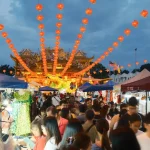
The historic heart of Kuching’s Chinese community houses some of the city’s most authentic food experiences. During the day, traditional coffee shops serve kolo mee, Kuching’s signature noodle dish featuring springy noodles tossed with shallot oil, char siu, and minced pork. The weekend night market transforms Carpenter Street into a pedestrian food festival with stalls offering everything from satay to exotic fruits.
Try the kolo mee at Chong Choon Cafe, which has perfected the dish over three generations. The night market runs Friday through Sunday from 6:00 PM until late, with the best selection available between 7:00-9:00 PM before popular items sell out.
Sarawak Laksa Specialists
Sarawak laksa differs significantly from other Malaysian laksa varieties, featuring a lighter coconut milk and prawn-based broth with rice vermicelli, prawns, chicken strips, and bean sprouts. The definitive version comes from Chong Choon Cafe on Carpenter Street, though several other locations serve excellent variations.

Laksa stalls typically open early morning around 7:00 AM and often sell out by early afternoon. The dish costs between MYR 6-8 at most locations. Some vendors add cockles or boiled eggs, while purists insist on the traditional preparation with just prawns and chicken.
Kuching Waterfront Evening Market
Each evening around 5:00 PM, food vendors set up along the waterfront promenade, creating an informal food market with river views. The selection focuses on local snacks and light meals rather than full dinners, making it perfect for sampling multiple items while watching the sunset over the Sarawak River.
Popular options include satay kajang, grilled corn, and various kueh (traditional cakes). The vendors operate on a cash-only basis, with most items priced between MYR 2-8. The setting provides an excellent introduction to local food culture in a relaxed atmosphere.
Traditional Coffee Shop Culture
Kuching’s kopitiam scene preserves traditional Hainanese coffee shop culture while adapting to modern preferences. The white coffee preparation method, using margarine instead of sugar during roasting, originated in nearby Ipoh but found its perfect expression in Sarawak’s relaxed coffee culture.
Bing Coffee Shop on Lebuh Wayang serves exemplary traditional white coffee alongside toast prepared with homemade kaya. The shop opens at 6:30 AM to catch the early morning crowd of office workers and retirees. The afternoon tea culture remains strong, with many shops serving traditional cakes and pastries between 2:00-5:00 PM.
Modern Food Scene
Kuching’s contemporary dining scene concentrates along Padungan Road and the Waterfront area, where innovative chefs reinterpret traditional Sarawakian ingredients with modern techniques. The Granary Kitchen + Bar combines Western cooking methods with local produce, while LePau serves elevated Malaysian cuisine in an elegant setting.

The craft beer movement arrived in Kuching around 2019, with several microbreweries now operating taprooms. Brewcuit Brewery focuses on tropical fruit-infused beers using local ingredients like calamansi and rambutan. The beer scene remains small but passionate, with most establishments offering food pairings designed to complement their brewing styles.
Getting Around Malaysia’s Most Walkable City
Kuching’s compact city center and efficient transportation network make it one of Malaysia’s easiest cities to navigate. The Sarawak River provides a natural boundary that helps orient visitors, while most attractions cluster within a comfortable walking radius.
Walking the City Center
The distance from the Kuching Waterfront to the Sarawak Museum measures less than one kilometer, with shaded walkways and interesting shophouses providing shelter and entertainment along the route. The city’s planners have maintained wide sidewalks and pedestrian-friendly crossings throughout the historical center.
Morning walks offer the best experience before temperatures rise above 28°C and humidity becomes oppressive. The waterfront promenade provides a scenic walking route between major hotels and attractions, while the narrow lanes of Chinatown reward exploration with hidden temples and traditional shops.
Traditional Tambang Ferry Service
The colorful tambang boats have transported passengers across the Sarawak River for over a century, maintaining a flat fare of MYR 1 per crossing regardless of destination. These traditional wooden boats operate from multiple terminals along both sides of the river, connecting the main city with Fort Margherita, the Astana, and residential areas on the Petra Jaya side.
The boats run continuously from 6:00 AM until midnight, with more frequent departures during rush hours. The five-minute journey provides excellent photography opportunities and cooling river breezes. Boat operators often speak multiple languages and enjoy sharing stories about the river’s history and local landmarks.
Grab and E-Hailing Services
Grab dominates Kuching’s ride-hailing market, with good availability throughout the city center and reasonable response times. The app works reliably for trips to suburban attractions like the Cat Museum or airport connections. Fares within the city center typically range from MYR 8-15, while trips to Semenggoh Wildlife Centre cost around MYR 25-30 each way.

Traditional taxis remain available at major hotels and transportation hubs, though they typically charge higher rates than Grab services. Many taxi drivers speak limited English, making the Grab app more convenient for communicating destinations and paying electronically.
Public Bus Network
Kuching’s public bus system underwent major improvements in 2024 with new routes connecting suburban areas to the city center. The Kuching Metro bus network operates air-conditioned vehicles on scheduled routes throughout the metropolitan area. The flat fare of MYR 1 for city center routes makes it the most economical transportation option.
Bus route information is available through the Kuching Smart City app, which provides real-time arrival information and route planning. The main bus terminal near the Open Air Market serves as the central hub for most routes heading to suburbs and outlying attractions.
Airport Connections
Kuching International Airport sits about 11 kilometers from the city center, with multiple transportation options available 24 hours daily. The airport bus service costs MYR 10 and takes approximately 30 minutes with stops at major hotels along the waterfront. Grab services typically cost MYR 25-35 depending on destination and time of day.
The airport expanded significantly in 2023 with new international routes to Singapore, Bangkok, and Jakarta, reducing the need for connections through Kuala Lumpur. Domestic connections to Kota Kinabalu, Miri, and Kuala Lumpur operate frequently throughout the day.
Perfect Day Trips from Kuching’s Doorstep
Kuching’s location provides access to diverse natural and cultural attractions within easy reach of the city. Most day trips can be accomplished independently or with organized tours, depending on comfort levels and transportation preferences.

Bako National Park
Sarawak’s oldest national park protects 27 square kilometers of pristine coastal rainforest about 45 minutes from Kuching. The park harbors an exceptional diversity of wildlife including proboscis monkeys, silver leaf monkeys, bearded pigs, and over 150 bird species. The coastal setting features dramatic sandstone cliffs, secluded beaches, and mangrove swamps accessible via well-maintained hiking trails.
Reaching Bako requires a bus journey to Bako village followed by a 30-minute boat ride through mangrove channels to the park headquarters. Public buses depart from the Open Air Market terminal every two hours starting at 7:00 AM, with the journey costing MYR 6. The boat transfer costs MYR 47 per person for the return journey, regardless of group size.
Plan for a full day to experience the park properly. The Telok Paku trail leads to a beautiful secluded beach in about 90 minutes, while the Lintang trail offers the best proboscis monkey viewing opportunities during afternoon hours. Pack plenty of water, snacks, and rain protection, as weather conditions change rapidly in the coastal environment.
Semenggoh Wildlife Centre Extended Experience
While many visitors spend only 2-3 hours at Semenggoh, the surrounding area offers additional attractions worth exploring for nature enthusiasts. The Matang Wildlife Centre, located 20 minutes further into the rainforest, rehabilitates sun bears, crocodiles, and other rescued wildlife in large natural enclosures.
Combine both wildlife centers with a visit to the nearby Kubah National Park for waterfall hikes and canopy walks through primary rainforest. The full circuit requires 6-8 hours but provides comprehensive exposure to Sarawak’s biodiversity. Organized tours typically cost MYR 150-200 per person including transportation and entrance fees.
Annah Rais Longhouse and Bidayuh Culture
This traditional Bidayuh longhouse community maintains authentic cultural practices while welcoming respectful visitors for educational exchanges. The two-hour journey from Kuching passes through oil palm plantations and rural kampungs before reaching the longhouse set in hilly rainforest terrain.

Visitors can observe traditional crafts like basket weaving and bamboo carving, sample tuak (rice wine), and learn about communal living arrangements that house up to 80 families under one roof. The experience includes traditional dancing and music performances, though the schedule depends on community availability and cultural calendar.
Most visitors arrive through organized tours costing MYR 180-250 per person, though independent travelers can arrange transport via tour operators in Kuching. The visit requires cultural sensitivity and advance coordination with longhouse leaders to ensure mutual respect and understanding.
Jong’s Crocodile Farm and Santubong Peninsula
The drive to Santubong Peninsula passes Jong’s Crocodile Farm, which houses over 1,000 saltwater and freshwater crocodiles in natural lagoon settings. The farm operates educational programs about crocodile conservation while demonstrating feeding behaviors and lifecycle stages. Feeding shows occur at 11:00 AM and 3:00 PM daily.
Continue to Santubong Peninsula for pristine beaches, rainforest hiking, and the Sarawak Cultural Village. The peninsula remains relatively undeveloped despite its proximity to Kuching, with several luxury resorts providing beach access. The cultural village showcases traditional architecture and customs from Sarawak’s major ethnic groups in an educational setting.
Allow a full day for this circuit, which covers about 120 kilometers round trip. Public transport options remain limited, making rental cars or organized tours the most practical choices. Entry to the crocodile farm costs MYR 8 for adults, while the cultural village charges MYR 65 including cultural performances.
Fairy Cave and Wind Cave
These limestone caves near Bau, about 45 minutes from Kuching, offer underground adventures through cathedral-sized chambers adorned with stalactites and stalagmites. Wind Cave earned its name from the constant cool breezes that flow through its passages, while Fairy Cave features dramatic lighting effects as sunbeams filter through openings in the cave ceiling.
The caves require moderate physical fitness for navigating uneven rock surfaces and occasional steep sections. Proper footwear with good grip is essential, along with flashlights for exploring darker passages. Local guides available at the entrance provide insights about cave formation and local legends associated with the sites.
Combine the cave visits with lunch in Bau town and shopping for local crafts. The round trip takes 4-5 hours including exploration time. Bus services to Bau operate from Kuching’s main terminal, though rental vehicles provide more flexibility for timing and additional stops along the route.
After Dark in Sarawak’s Capital
Kuching’s nightlife scene reflects the city’s relaxed personality with riverside bars, cultural performances, and night markets taking precedence over high-energy clubbing. The entertainment options cater to diverse tastes while maintaining the laid-back atmosphere that characterizes the city.
Waterfront Bar Scene
The Kuching Waterfront transforms into an elegant drinking destination after sunset, with several establishments offering river views and sophisticated cocktail menus. The Hilton’s Waterfront Cafe provides premium beverages in an upscale setting, while more casual options like the Junk Bar create a bohemian atmosphere with live music and craft beer selections.
These venues typically open around 5:00 PM to catch the golden hour crowd watching sunset over the Sarawak River. The combination of cooling river breezes and twinkling lights from traditional tambang boats creates a romantic atmosphere perfect for couples or relaxed social gatherings. Most bars serve food menus featuring both international and local dishes.
Live Music and Cultural Performances
The Sarawak Cultural Village hosts evening cultural shows featuring traditional dances, music, and storytelling from the state’s diverse ethnic communities. These performances provide authentic insights into Dayak, Malay, Chinese, and other cultural traditions while supporting local artists and cultural preservation efforts.
Several bars around Padungan Road feature live music performances, particularly on weekend evenings. The genres range from traditional Malaysian folk music to contemporary covers and original compositions. The intimate venue sizes allow for interaction between performers and audiences, creating a community atmosphere rather than formal concert experience.
Night Markets and Street Food
Weekend night markets operate in several locations throughout Kuching, with the largest and most popular occurring along Carpenter Street from Friday through Sunday evenings. These markets combine shopping opportunities with extensive street food options, creating festival-like atmospheres that attract both locals and visitors.
The Saturday night market at Stutong focuses primarily on local foods and fresh produce, offering more authentic experiences with fewer tourist-oriented vendors. Night market hours typically run from 6:00 PM until 11:00 PM, with the best selection available between 7:00-9:00 PM before popular items sell out.
Pub and Beer Culture
Padungan Road hosts Kuching’s main concentration of pubs and beer gardens, catering to both expatriate communities and locals seeking international-style entertainment. These establishments typically feature wide beer selections including imported brands alongside local favorites like Tiger and Carlsberg.
The microbrewery scene continues growing with establishments like Brewcuit Brewery offering locally crafted beers made with tropical ingredients. Beer tasting sessions and brewery tours provide educational components alongside the social drinking experience. Most pubs maintain family-friendly atmospheres until around 9:00 PM when they transition to adult-oriented entertainment.
Karaoke and Entertainment Complexes
Karaoke remains extremely popular in Kuching’s entertainment scene, with numerous establishments offering private rooms and extensive song selections in multiple languages. The karaoke culture ranges from family-oriented afternoon sessions to late-night adult entertainment venues.
Some karaoke establishments combine dining and entertainment with comprehensive menus and full bar service. These venues typically charge hourly room rates plus food and beverage minimums, with prices varying significantly based on location and amenities provided.
Shopping Beyond Tourist Trinkets
Kuching’s shopping scene balances traditional markets selling authentic local products with modern malls offering international brands. The city’s compact size allows visitors to experience diverse shopping environments within walking distance of each other.
Main Bazaar Antiques and Handicrafts
The historic shophouses along Main Bazaar house Kuching’s premier antique and handicraft shops, offering everything from vintage Chinese porcelain to contemporary Dayak wood carvings. These establishments often represent third or fourth-generation family businesses with deep knowledge about their merchandise and its cultural significance.
Sarawak Handicraft Centre on Main Bazaar showcases authentic products including pua kumbu textiles, beaded accessories, and bamboo crafts made by indigenous artisans. The staff provides detailed explanations about traditional production methods and cultural meanings behind different designs. Prices reflect quality craftsmanship, with small items starting around MYR 20 and major pieces reaching several hundred ringgit.
Traditional Markets
The Open Air Market near Chinatown operates daily from early morning until afternoon, offering fresh produce, spices, and local food specialties alongside practical items for daily life. The market provides authentic glimpses into local shopping culture while offering opportunities to purchase unique ingredients for cooking enthusiasts.
Weekend markets in suburban areas like Stutong and Kota Sentosa cater primarily to local residents, providing authentic experiences with minimal tourist influence. These markets feature seasonal fruits, traditional snacks, and household items at significantly lower prices than central tourist areas.
Modern Shopping Centers
Vivacity Megamall represents Kuching’s largest modern shopping complex, featuring international fashion brands, electronics stores, and a comprehensive food court. The mall includes a cinema complex and bowling alley, making it popular with local families and younger demographics.
The Spring Mall in the city center offers convenient shopping for travelers staying in the waterfront area. This smaller complex focuses on practical items, pharmacies, and casual dining options rather than luxury brands. The ground floor supermarket stocks international products alongside local specialties.
Specialty Shopping Streets
India Street specializes in textiles, jewelry, and spices reflecting the area’s Indian heritage. The shops offer competitive prices on silk fabrics, gold jewelry, and aromatic spices that make excellent cooking gifts. Many shop owners maintain connections with suppliers in India, ensuring authentic quality and competitive pricing.
Padungan Road features a mix of modern boutiques, outdoor gear shops, and specialty stores catering to diverse interests. The street’s sporting goods stores provide equipment for jungle trekking and water activities, while fashion boutiques offer both international and local designer clothing.
Local Specialty Products
Kek lapis Sarawak represents the region’s most famous culinary export, with numerous bakeries offering these intricate layered cakes in elaborate designs and flavors. The best examples require several days advance notice for complex patterns and can cost MYR 50-150 depending on size and complexity.
Pepper cultivation around Kuching produces some of the world’s finest black and white pepper, available at reasonable prices directly from spice shops and markets. Local coffee roasters offer beans grown in the Sarawak highlands, often with unique processing methods that create distinctive flavor profiles not available elsewhere in Malaysia.
Where to Rest Your Head in Kuching
Kuching offers accommodation options suitable for every budget level, from backpacker hostels in heritage shophouses to luxury resorts with river views. The city’s compact size means most areas provide easy access to major attractions regardless of price point.
Luxury Waterfront Hotels
The Hilton Kuching and Pullman Kuching anchor the luxury accommodation scene with prime waterfront locations and comprehensive amenities. These international-standard properties offer river-view rooms, multiple dining options, fitness centers, and business facilities suitable for both leisure and corporate travelers.
Room rates for waterfront luxury properties typically range from MYR 400-800 per night in 2026, with prices varying by season and availability. The premium location allows guests to walk to major attractions while enjoying elevated comfort levels including 24-hour room service, concierge assistance, and airport transfer services.
The Grand Margherita Hotel provides a more traditional luxury experience with colonial-inspired architecture and elegant furnishings. Located slightly away from the main waterfront strip, this property offers competitive rates while maintaining high service standards and comprehensive amenities.
Mid-Range Comfort Zone
Padungan Road and the areas surrounding the city center house numerous mid-range hotels offering modern amenities without premium pricing. These properties typically feature air conditioning, private bathrooms, WiFi, and basic business facilities while maintaining convenient locations for exploring the city.
Hotels like the Imperial Hotel and Riverside Majestic Hotel provide reliable mid-range options with rates between MYR 150-300 per night. These establishments often include breakfast, airport transfers, and tour booking services, making them convenient choices for travelers who want comfort without luxury pricing.
Boutique properties in converted heritage buildings offer unique character while maintaining modern comfort standards. These smaller hotels typically provide more personalized service and distinctive architectural features that reflect Kuching’s multicultural heritage.
Budget Backpacker Areas
Carpenter Street and the surrounding Chinatown area concentrate most of Kuching’s budget accommodation options, including hostels, guesthouses, and budget hotels in restored shophouses. These properties offer basic but clean facilities with shared common areas that encourage interaction between travelers.
Dormitory beds in quality hostels typically cost MYR 25-40 per night, while private rooms in budget hotels range from MYR 60-120 depending on amenities and location. Many budget properties include breakfast and provide tour booking services at competitive rates.
The Nomad Sucasa and Singgahsana Lodge represent well-regarded budget options with consistently positive reviews for cleanliness, location, and staff helpfulness. These properties often organize group activities and provide valuable local insights for budget-conscious travelers.
Suburban and Airport Areas
Hotels near Kuching International Airport cater primarily to business travelers and those requiring early morning flights. These properties typically offer shuttle services and business facilities while maintaining lower rates than city center locations.
Suburban areas like Petra Jaya and Tabuan provide mid-range accommodation options with parking facilities and easy access to shopping centers. While requiring transportation to reach central attractions, these areas offer insights into local residential life and often feature better value for families or longer-term stays.
Timing Your Visit to Sarawak’s Capital
Kuching’s tropical climate and cultural calendar create distinct advantages for visitors during different periods throughout the year. Understanding seasonal patterns helps optimize experiences while avoiding potentially challenging weather conditions.
Dry Season Advantages (March-October)
The dry season from March through October provides the most reliable weather for outdoor activities and day trips to national parks. Temperatures remain consistently warm between 24-32°C with lower humidity levels and minimal rainfall that typically occurs during brief afternoon showers rather than extended periods.
This period offers optimal conditions for visiting Bako National Park, Semenggoh Wildlife Centre, and other natural attractions where hiking and outdoor activities feature prominently. The reduced rainfall also means better road conditions for reaching more remote attractions and improved visibility for wildlife photography.
June through August represents peak tourist season when accommodation rates reach their highest levels and advance booking becomes essential. However, this period also coincides with school holidays and numerous cultural festivals that add vibrancy to the city’s atmosphere.
Wet Season Considerations (November-February)
The northeast monsoon brings increased rainfall from November through February, though the precipitation typically occurs in intense but relatively short afternoon and evening downpours rather than continuous rain. Morning hours often remain clear and pleasant for outdoor activities.
This period offers advantages including lower accommodation rates, fewer crowds at popular attractions, and lush vegetation that enhances the beauty of natural areas. The rain also cools temperatures and reduces humidity during the day, making walking around the city more comfortable.
River levels rise during wet season, potentially affecting boat access to certain attractions but also providing more dramatic scenery and powerful waterfall displays in national parks. Indoor attractions like museums and cultural sites remain fully accessible regardless of weather conditions.
Festival Calendar
Chinese New Year in late January or February transforms Kuching into a celebration showcase with elaborate decorations, lion dances, and special food offerings throughout Chinatown. Hotels book months in advance during this period, but the cultural experiences justify the premium pricing and advance planning requirements.
Gawai Dayak in late May or early June celebrates the harvest festival of Sarawak’s indigenous Dayak communities with traditional dancing, cultural exhibitions, and longhouse open houses. This period provides exceptional opportunities for cultural immersion and authentic indigenous experiences.
Ramadan and Hari Raya Puasa significantly impact food availability and restaurant hours, particularly for Malay and Indian Muslim establishments. However, the evening breaking of fast creates spectacular food markets and community celebrations throughout the city.
Wildlife Viewing Seasons
Orangutan activity at Semenggoh Wildlife Centre varies throughout the year based on natural fruit availability in surrounding forests. During fruiting seasons (typically March-May and September-November), orangutans may not appear at feeding platforms as frequently because abundant wild food reduces their reliance on supplementary feeding.
Bird watching opportunities peak during migration periods when migratory species join the resident population in Sarawak’s forests and wetlands. The period from October through March offers the highest diversity of bird species for enthusiasts.
Essential Knowledge for Kuching Newcomers
Understanding local customs, practical considerations, and cultural expectations helps visitors navigate Kuching with confidence while showing appropriate respect for local communities and traditions.
Language and Communication
English functions as a widely understood language throughout Kuching, particularly in tourism-related businesses, hotels, and restaurants. However, learning basic Bahasa Malaysia phrases enhances interactions with locals and demonstrates cultural respect. “Terima kasih” (thank you), “maaf” (excuse me), and “tolong” (please help) facilitate smoother daily interactions.
The local population speaks numerous languages including Iban, Chinese dialects, and Tamil, reflecting the city’s multicultural composition. Many older residents prefer communicating in their native languages, though younger generations typically speak fluent English alongside their heritage languages.
Cultural Sensitivity and Dress Codes
Kuching’s multicultural society maintains relatively relaxed dress standards compared to more conservative parts of Malaysia, though visitors should dress respectfully when visiting religious sites or cultural attractions. Mosques require long pants and covered shoulders for all visitors, with robes typically provided at entrances for those not appropriately dressed.
The tropical climate makes lightweight, breathable clothing essential for comfort during outdoor activities. However, air conditioning in malls, restaurants, and hotels often runs quite cold, making light sweaters or jackets useful for indoor comfort.
Health and Safety Considerations
Kuching maintains excellent safety standards with low crime rates and well-developed medical infrastructure. The Sarawak General Hospital and several private medical centers provide comprehensive healthcare services, while most hotels can arrange medical consultations if needed.
Tap water in Kuching meets international safety standards and is generally safe for consumption, though many visitors prefer bottled water during initial adjustment periods. Street food safety standards remain high at established vendors, particularly those with visible local patronage.
Mosquito-borne diseases including dengue fever occur occasionally, making insect repellent and protective clothing advisable during outdoor activities, particularly around dawn and dusk when mosquito activity peaks.
Money and Tipping Practices
Malaysian Ringgit (MYR) serves as the local currency, with ATMs widely available throughout the city center and major shopping areas. Credit cards are accepted at most hotels, restaurants, and larger shops, though cash remains preferred at markets, street food stalls, and traditional businesses.
Tipping culture in Kuching follows Malaysian standards where gratuities are appreciated but not mandatory. Restaurant service charges (typically 10%) are often included in bills at higher-end establishments, making additional tipping unnecessary. For excellent service, rounding up bills or small tips of MYR 5-10 are appropriate.
Technology and Connectivity
WiFi availability throughout Kuching exceeds that of many other Malaysian cities, with free access provided by most accommodations, restaurants, and shopping centers. Mobile phone coverage remains excellent throughout the city and surrounding areas, with several providers offering prepaid SIM cards suitable for visitors.
The MySarawak WiFi network provides free internet access at numerous public locations throughout the city center, requiring simple registration with an email address or phone number for access.
Daily Budget Reality in 2026
Understanding realistic daily costs helps visitors plan appropriate budgets while experiencing Kuching’s diverse attractions and dining options without financial stress.
Budget Traveler (MYR 80-120 per day)
Budget-conscious visitors can experience Kuching comprehensively while maintaining daily expenses between MYR 80-120 through strategic choices and local knowledge. Dormitory accommodation in quality hostels costs MYR 25-40 per night, while street food and local restaurants provide excellent meals for MYR 6-12 per serving.
Transportation costs remain minimal using public buses (MYR 1 per ride), tambang ferries (MYR 1 per crossing), and walking for most city center attractions. Free attractions including temple visits, waterfront walks, and market exploration provide substantial entertainment value without additional costs.
Daily breakdown: Accommodation MYR 30, meals MYR 25, local transport MYR 10, attraction entries MYR 15, miscellaneous MYR 15 = MYR 95 total.
Mid-Range Comfort (MYR 200-350 per day)
Mid-range travelers enjoy significantly enhanced comfort and dining options while maintaining reasonable daily budgets. Private hotel rooms with amenities cost MYR 150-300 per night, while restaurant meals range from MYR 15-40 per person depending on venue and menu choices.
This budget level accommodates organized day tours (MYR 150-200), Grab transportation for convenience, and shopping for quality souvenirs and local specialties. Mid-range travelers can experience premium attractions like cultural performances and specialty dining without financial constraints.
Daily breakdown: Accommodation MYR 200, meals MYR 60, transport MYR 30, attractions/tours MYR 40, shopping/miscellaneous MYR 25 = MYR 355 total.
Comfortable Luxury (MYR 500-800 per day)
Luxury travelers experience Kuching’s finest accommodations, dining, and exclusive experiences while enjoying comprehensive comfort and convenience. Waterfront hotels with river views cost MYR 400-800 per night, while fine dining restaurants charge MYR 80-150 per person for comprehensive meal experiences.
This budget level includes private guided tours, spa treatments, premium shopping opportunities, and exclusive cultural experiences like private longhouse visits or customized wildlife expeditions. Transportation typically involves private vehicles or premium Grab services for maximum convenience.
Daily breakdown: Accommodation MYR 600, meals MYR 120, transport MYR 60, premium tours/activities MYR 300, shopping/spa/miscellaneous MYR 100 = MYR 1,180 total.
Cost-Saving Strategies
Visitors can significantly reduce daily expenses through strategic timing and local knowledge. Lunch specials at restaurants typically cost 30-50% less than dinner menus for identical dishes. Happy hour promotions at bars and cafes provide premium experiences at budget prices, usually between 3:00-6:00 PM.
Group bookings for day tours often include substantial discounts compared to individual rates, making it worthwhile to connect with other travelers for shared experiences. Many attractions offer resident discounts that apply to Malaysian visa holders, including tourist visa recipients.
Frequently Asked Questions
What makes Kuching different from other Malaysian cities?
Kuching combines authentic multiculturalism with easy access to primary rainforest and wildlife experiences. Unlike other Malaysian destinations, the city maintains its relaxed riverside character while offering sophisticated dining and cultural attractions. The blend of 30+ ethnic groups creates genuine cultural diversity rather than tourist-focused performances.
How many days should I spend in Kuching?
Plan 4-5 days minimum to experience the city properly plus major day trips. Two days covers city attractions and food exploration, while additional days allow for Bako National Park, Semenggoh Wildlife Centre, and longhouse visits. Wildlife enthusiasts often spend 7-10 days using Kuching as their base for multiple park visits.
Is it safe to drink tap water and eat street food in Kuching?
Tap water meets international safety standards and is generally safe for consumption. Street food safety remains high at established vendors with visible local patronage – if locals are eating there regularly, it’s typically safe. Start with small portions to allow your stomach to adjust to local spices and preparation methods.
What’s the best way to see orangutans near Kuching?
Semenggoh Wildlife Centre offers the most accessible orangutan viewing, 45 minutes from the city center. Attend morning (9:00 AM) or afternoon (3:00 PM) feeding sessions for best chances of sightings. Remember that these are semi-wild animals, so appearances cannot be guaranteed, making each encounter genuinely special rather than zoo-like.
Do I need to book accommodations in advance in Kuching?
Book advance accommodations during festival periods (Chinese New Year, Gawai Dayak in May-June) and peak season (June-August) when rates double and availability becomes scarce. During other periods, 2-3 days advance booking ensures better room selection and rates, though last-minute options usually remain available in most categories.
Explore more
Beyond the Cats: Unforgettable Things to Do in Kuching, Malaysia
The Ultimate Guide to Kuching Day Trip Destinations
15 Best Things to Do in Kuching for First-Timers