On this page
- What Makes the Perhentians Different from Malaysia’s Other Islands
- Kecil vs Besar — Choosing the Right Island for Your Trip
- The Best Beaches and Dive Sites Worth Your Time
- Where to Eat on the Perhentians (Real Food, Not Resort Buffets)
- Snorkelling, Diving, and Water Activities — Costs and What to Expect
- Getting to the Perhentians in 2026
- Where to Stay — Budget to Mid-Range Accommodation
- 2026 Budget Reality — What a Trip Actually Costs
- Day Trip or Overnight? (Spoiler: Stay Longer)
- Practical Tips, Rules, and What Has Changed Since 2024
- Frequently Asked Questions
💰 Click here to see Malaysia Budget Breakdown
💰 Prices updated: August, 2026. Budget figures are estimates — always verify before travel.
Exchange Rate: $1 USD = RM4.03
Daily Budget (per person)
Shoestring: RM100.00 – RM200.00 ($24.81 – $49.63)
Mid-range: RM180.00 – RM400.00 ($44.67 – $99.26)
Comfortable: RM450.00 – RM1,300.00 ($111.66 – $322.58)
Accommodation (per night)
Hostel/guesthouse: RM20.00 – RM70.00 ($4.96 – $17.37)
Mid-range hotel: RM100.00 – RM350.00 ($24.81 – $86.85)
Food (per meal)
Budget meal: RM15.00 ($3.72)
Mid-range meal: RM35.00 ($8.68)
Upscale meal: RM100.00 ($24.81)
Transport
Single metro/bus trip: RM2.00 ($0.50)
Monthly transport pass: RM150.00 ($37.22)
In 2026, booking a trip to the Perhentian Islands still feels like you’re discovering a secret — until you actually arrive in July and find yourself sharing a narrow beach path with half of Europe’s gap-year crowd. The islands haven’t lost their magic, but the window of peak season is getting compressed, ferry prices have nudged upward, and alcohol rules on Kecil remain a source of confusion for first-timers. This guide cuts through all of that and tells you exactly what to expect, when to go, what to spend, and how to get the most out of one of Malaysia’s genuinely spectacular island destinations.
What Makes the Perhentians Different from Malaysia’s Other Islands
Most of Malaysia’s popular islands have either gone full resort (Langkawi, Tioman’s nicer stretches) or are overrun with day-trippers (the Redang packages). The Perhentians sit in a different lane. There are no roads, no cars, and no 7-Elevens. You walk between guesthouses on sandy jungle paths or you hire a water taxi. Development exists, but it hasn’t steamrolled the place yet.
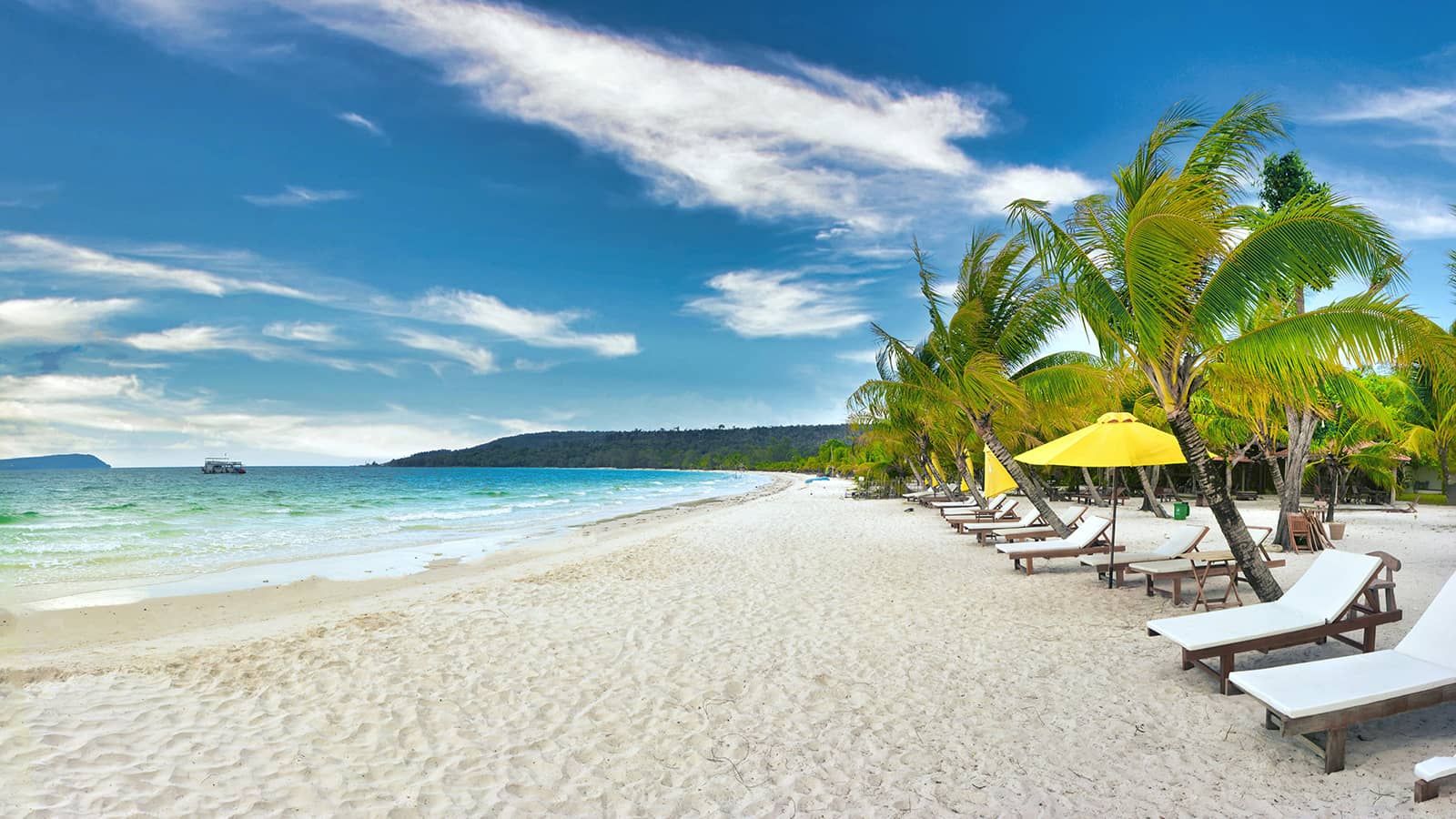
The two islands — Pulau Perhentian Kecil and Pulau Perhentian Besar — sit off the coast of Terengganu, roughly 21 kilometres from the mainland jetty at Kuala Besut. The water here is the kind of blue that makes you stop and stare. Clear, warm, genuinely turquoise in the shallows. Black-tip reef sharks cruise Long Beach’s waters almost every morning. Sea turtles nest on both islands between June and September. The coral is still in reasonable shape compared to more heavily trafficked dive sites elsewhere in Southeast Asia.
What you won’t find: ATMs on the islands (there are none — seriously), reliable 4G everywhere, or late-night clubs. The Perhentians run on generator power that often cuts out after midnight. That’s not a bug. For most people who come here, that’s the whole point.

Kecil vs Besar — Choosing the Right Island for Your Trip
This is the first real decision you make, and it shapes your entire trip.
Perhentian Kecil (Small Island)
Kecil is the backpacker island. Long Beach on its east coast is the social hub — beach bars, fire shows on weekends, budget chalets packed tight along the sand, and a steady rotation of travellers comparing dive courses over fried rice. Coral Bay on the west side is calmer and better for families or couples who want quiet but still want to be on Kecil. Walking between the two beaches takes about 15 minutes through a jungle path, though the path gets slippery after rain.
Alcohol is technically sold in establishments that have licences (it’s complicated — Terengganu is an alcohol-restricted state, but tourist areas operate under separate arrangements). As of 2026, most beach bars on Long Beach still serve beer. Just don’t expect a full bar menu or cheap cocktails.
Perhentian Besar (Big Island)
Besar is quieter, more spread out, and where the mid-range and upscale resorts are. Families and couples in their 30s and 40s tend to gravitate here. The snorkelling at Turtle Bay and around the rocky headlands is excellent. The pace is slower. You’re less likely to have someone’s speaker playlist competing with the sound of waves at 11pm.
Neither island is “better.” They just suit different travel styles. If you’re backpacking solo or with friends under 30, you’ll probably be happier on Kecil. If you want peace, a comfortable bed, and you’re travelling as a couple or with children, Besar makes more sense.

The Best Beaches and Dive Sites Worth Your Time
Beaches
- Long Beach (Kecil): The classic. Long, sandy, and lively. Best for people-watching and easy access to snorkelling gear rentals. Gets crowded in July and August.
- Coral Bay (Kecil): Smaller, rockier at the edges, but calmer water and better for sunset views. The snorkelling directly off the beach is some of the best you’ll do without getting on a boat.
- Turtle Bay (Besar): Named honestly. Turtles genuinely feed here in the shallows. Arrive before 8am for the best chance of seeing them without a crowd.
- D’Lagoon (Kecil, north coast): Accessible only by water taxi. A sheltered cove with outstanding snorkelling. The resort there is basic but the location is hard to beat for isolation.
Dive Sites
The Perhentians have around 25 named dive sites within reasonable boat range. The most consistent ones for both beginners and experienced divers include:
- Sugar Wreck: A small cargo wreck in about 18 metres of water. Good visibility and usually visited on a two-dive trip. Lionfish, moray eels, and schooling fish are common.
- Tuna Bay: On the west side of Kecil. Known for black-tip reef sharks in the mornings. Shallow enough for snorkellers with a guide.
- Tokong Laut: An offshore pinnacle with stronger currents. Suited for divers with at least 20 logged dives. Bigger pelagics show up here occasionally.
- Temple of the Sea: Hard coral formations and good fish diversity. A reliable site when other spots have visibility issues after rain.
Where to Eat on the Perhentians (Real Food, Not Resort Buffets)
Food on the islands is simple and almost entirely focused on seafood and local Malay cooking. Don’t come expecting variety — there’s no Japanese restaurant, no Italian place, no fancy brunch spot. What you get is honest, cheap, and mostly good.

On Long Beach, the row of open-air restaurants behind the beach all operate on roughly the same model: plastic chairs, laminated menus, nasi goreng at MYR 10–14, grilled fish by weight (priced daily depending on the catch), and fresh fruit juice that tastes like the mango was cut five minutes ago. The smell of charcoal grilling drifts down the beach from around 6pm and it’s hard to resist stopping early.
A few specific spots worth mentioning:
- Matahari Chalets Restaurant (Long Beach, Kecil): Consistent quality, reasonable prices, and the barracuda grilled with garlic butter is genuinely excellent. Budget around MYR 30–45 per person for a full meal with drinks.
- Bubu Resort Restaurant (Besar): More upscale by island standards. Good for a sit-down dinner if you want proper crockery and a sea view. Expect MYR 60–90 per person.
- Warung-style breakfast spots (various, Kecil): Look for the small stalls near the jungle path between Long Beach and Coral Bay. Roti bakar (toast with kaya) and teh tarik for under MYR 8. The teh tarik here — thick, sweet, frothy — tastes like it was made by someone who genuinely cares about tea.
Important note: bring enough cash before you arrive. No ATMs exist on either island, and while some larger guesthouses now accept card payments, many restaurants and smaller operations are still cash-only. Kuala Besut town on the mainland has ATMs — use them before boarding the ferry.
Snorkelling, Diving, and Water Activities — Costs and What to Expect
The Perhentians built their reputation on accessible, affordable underwater experiences. That remains true in 2026, though prices have risen steadily since the post-pandemic reopening period.
Snorkelling
Snorkelling trips are sold by every dive shop and guesthouse on the island. A standard half-day trip covering three to four snorkel spots (turtle bay, a reef site, and one wreck or seagrass area) costs MYR 40–60 per person, including equipment. Many guesthouses throw in a free basic snorkel set, but the quality is often poor — if you care about the experience, bring your own mask and snorkel from home.

Scuba Diving
PADI Open Water courses run MYR 750–900 for the full certification, which takes three to four days and includes pool sessions, classroom work, and four open water dives. This is competitive with dive destinations across Southeast Asia.
Fun dives for certified divers: MYR 80–110 per dive, or MYR 200–280 for a two-dive package with equipment. Most dive operators on Long Beach are competent, though quality does vary. Ask to see the boat and the equipment before you commit. Operators that have been on the island for over a decade — Turtle Bay Divers, Base Camp Diving, and a few others — have the most consistent safety records.
Other Activities
- Kayak rental: MYR 20–35 per hour
- Stand-up paddleboard rental: MYR 30–40 per hour
- Night snorkelling (bioluminescence can be visible on calm nights): MYR 50–70 per person on a guided trip
Getting to the Perhentians in 2026
There is no airport on or near the Perhentians. All visitors arrive by ferry from Kuala Besut jetty on the Terengganu mainland. How you get to Kuala Besut depends on where you’re coming from.
From Kuala Lumpur
The fastest route involves flying to Kota Bharu (Sultan Ismail Petra Airport) on AirAsia or Batik Air — flight time is about 55 minutes. As of 2026, both airlines run multiple daily flights. From Kota Bharu airport, grab a taxi or Grab to Kuala Besut jetty (roughly 45 minutes, MYR 50–70). Total door-to-jetty time: under three hours.
Alternatively, take a bus from TBS (Terminal Bersepadu Selatan) in KL directly to Kuala Besut. Several operators including Transnasional and Sri Maju run this route. Journey time is roughly seven to eight hours. Overnight buses leave around 9–10pm and get you to the jetty by morning, which is efficient if you want to save a night’s accommodation budget. Tickets: MYR 45–65.

From Kuala Terengganu or Kota Bharu
Both cities are around 1.5–2 hours from Kuala Besut by bus or taxi. Local buses run from both city terminals to Jerteh town, from where you take a short taxi to the jetty. Grab works in both cities for the initial leg.
The Ferry
Ferries from Kuala Besut to the Perhentians run from approximately 7am to 5pm, depending on demand and weather. Journey time is about 40–45 minutes to Kecil and slightly longer to Besar. As of 2026, the standard ferry fare is MYR 35–45 one way per person (prices vary slightly between operators at the jetty). Return tickets bought at the jetty are marginally cheaper. There are no ferries during the monsoon season closure.
Where to Stay — Budget to Mid-Range Accommodation
Budget (MYR 60–130 per night)
Most budget accommodation on Kecil consists of fan chalets — simple wooden or concrete rooms, usually with an attached bathroom, a fan, and a door that actually locks. Long Beach has the highest concentration. Expect to share the beach path with your neighbours and hear the generator hum. Butterfly Chalet, Senja Bay Resort, and Rock Garden are reliable names at this price point in 2026.
Mid-Range (MYR 150–320 per night)
Air-conditioned rooms, better beds, and usually a small verandah or direct beach access. On Besar, options like Arwana Perhentian and Coral View Island Resort sit in this tier. On Kecil, Matahari Chalets is a solid mid-range pick on Long Beach. These fill up fast during peak months — book at least six to eight weeks ahead for July/August stays.

Comfortable (MYR 350 and above)
The top-end on the Perhentians is not five-star by international standards, but it is the most comfortable option available. Bubu Long Beach Resort on Kecil and Tuna Bay Island Resort on Besar represent the ceiling. Private chalets, air-conditioning, better restaurant access, and actual room service. Still rustic by mainland resort standards.
2026 Budget Reality — What a Trip Actually Costs
Prices below assume you’re staying on Kecil. Add roughly 20–30% for equivalent comfort on Besar.
- Budget traveller: Fan chalet MYR 70–90/night, meals MYR 25–40/day, one snorkel trip MYR 50. Total daily spend: MYR 150–200 per day.
- Mid-range traveller: Air-con room MYR 180–250/night, meals MYR 60–90/day, two-dive package MYR 220. Total daily spend: MYR 320–450 per day.
- Comfortable: Beachfront chalet MYR 380–500/night, resort meals MYR 100–150/day, guided dive trips MYR 280+. Total daily spend: MYR 600–800 per day.
The most significant cost is getting there — a flight from KL plus the ferry adds MYR 180–350 per person to your trip depending on timing. Budget for a 3–5 night stay minimum to make the travel time worthwhile.
One important 2026 update: the Terengganu Marine Park Conservation Fee is now MYR 30 per person per visit (up from MYR 20 in previous years). You pay this at the jetty when you collect your boarding pass. It covers the duration of your stay, not per day.
Day Trip or Overnight? (Spoiler: Stay Longer)
Some operators in Kota Bharu and Kuala Terengganu sell “day trip” packages to the Perhentians. These exist, they’re legal, and they’re largely a waste of your time and money.
A day trip means roughly three to four hours on the island — including the 40-minute ferry each way — before you have to head back. You’ll get a rushed snorkel, an overpriced lunch, and a sunset memory of the jetty. The islands don’t work like that. The whole point of the Perhentians is slowing down. The best snorkelling is in the early morning when the water is calmest. The turtles at Turtle Bay are most active at dawn. You need at least two nights to understand why people keep coming back.

Three to five nights is the sweet spot for most travellers. Long enough to do a PADI course, explore both islands, find a good spot for sunrise, and still leave feeling like you could have stayed another day. If you’re only doing one night, it’s still worth it over no visit — but manage your expectations.
Practical Tips, Rules, and What Has Changed Since 2024
Monsoon Season Closure
The Perhentians fully close during the northeast monsoon. In 2026, the closure runs from approximately mid-November to mid-February, though exact dates shift by a week or two depending on the year. All guesthouses, dive shops, and ferries cease operations. Do not plan a visit during this window — there is genuinely nothing open and the sea conditions are dangerous.
What’s Changed Since 2024
- The Marine Park Conservation Fee increased from MYR 20 to MYR 30 per person.
- Several smaller unlicensed chalets on Kecil were not permitted to reopen for the 2025 season following a Jabatan Taman Laut inspection. Accommodation options are slightly reduced but overall quality has improved.
- Grab now operates in Kota Bharu city properly (expanded coverage since early 2025), making the airport-to-jetty leg easier for solo travellers who don’t want to negotiate taxi fares.
- Some dive operators on Long Beach have introduced mandatory pre-dive briefing sign-offs — part of a marine park regulation update requiring all snorkel and dive guests to acknowledge reef protection guidelines before entering the water.
Other Rules Worth Knowing
- No sunscreen except reef-safe formulas — this is enforced with increasing seriousness at marine park entry points. Bring reef-safe sunscreen from home or KL; options are limited on the island and overpriced.
- Do not touch or stand on coral. The fine can be significant and marine park rangers do patrol.
- Public beaches (not in front of resorts) on Besar observe modest dress norms — swimwear is fine in the water but cover up when walking through village areas.
- Plastic bag bans apply. Bring a reusable bag for any shopping at the jetty town.

Frequently Asked Questions
When is the best time to visit the Perhentian Islands in 2026?
The islands are open from roughly mid-February to mid-November. The best conditions for diving and snorkelling are April to early June and September to October — calmer seas, good visibility, and fewer tourists than the July–August peak. June to August is busiest and requires advance booking, especially for budget chalets.
Is there an ATM on the Perhentian Islands?
No. There are no ATMs on either Kecil or Besar. Withdraw cash before leaving the mainland — the best place is Kuala Besut town, which has ATMs near the jetty. Bring more cash than you think you need, as a surprising number of restaurants and smaller guesthouses still don’t accept card payments.
Can you drink alcohol on the Perhentian Islands?
Yes, but it’s not as straightforward as other Malaysian islands. Terengganu is governed under partial Islamic law, and alcohol sales are restricted. However, licensed tourist establishments on Long Beach (Kecil) do sell beer. Expect limited selection, higher prices than mainland Malaysia, and no alcohol available on Besar outside of a few resort bars. Don’t arrive expecting a beach bar scene on par with Langkawi.
How long should I budget for a Perhentians trip?
Three to five nights is ideal. Two nights is the bare minimum to experience the islands properly — one night is usually not worth the travel time involved. If you’re doing a PADI Open Water course, budget at least four nights to allow for the full course schedule plus at least one free day to enjoy the island at your own pace.
Are the Perhentian Islands suitable for families with young children?
Perhentian Besar is more family-friendly than Kecil. The calmer bays on Besar are safer for children, the resorts are more equipped with family rooms, and the nightlife-adjacent atmosphere of Long Beach is absent. Snorkelling with kids is genuinely wonderful here — shallow, clear water with abundant marine life. Pack water shoes as the seabed has patches of rock and coral rubble near shore entries.
📷 Featured image by Job Savelsberg on Unsplash.