On this page
- What Makes Bako Different From Every Other Rainforest in Borneo
- Wildlife You Can Realistically Expect to See (and When)
- The Trekking Trails — Matching the Right Path to Your Fitness Level
- Day Trip or Overnight? Making the Right Call for Bako
- Where to Stay Inside the Park
- Eating at Bako — What the Canteen Actually Serves
- Getting to Bako National Park From Kuching in 2026
- 2026 Budget Reality — Fees, Boats, and Beds
- Practical Tips That Most Guides Don’t Tell You
- Frequently Asked Questions
💰 Click here to see Malaysia Budget Breakdown
💰 Prices updated: August, 2026. Budget figures are estimates — always verify before travel.
Exchange Rate: $1 USD = RM4.03
Daily Budget (per person)
Shoestring: RM100.00 – RM200.00 ($24.81 – $49.63)
Mid-range: RM180.00 – RM400.00 ($44.67 – $99.26)
Comfortable: RM450.00 – RM1,300.00 ($111.66 – $322.58)
Accommodation (per night)
Hostel/guesthouse: RM20.00 – RM70.00 ($4.96 – $17.37)
Mid-range hotel: RM100.00 – RM350.00 ($24.81 – $86.85)
Food (per meal)
Budget meal: RM15.00 ($3.72)
Mid-range meal: RM35.00 ($8.68)
Upscale meal: RM100.00 ($24.81)
Transport
Single metro/bus trip: RM2.00 ($0.50)
Monthly transport pass: RM150.00 ($37.22)
Bako National Park is one of Southeast Asia’s most rewarding wildlife destinations, but in 2026 the logistics have caught up with the fame. Visitor numbers have climbed steadily since Sarawak eased its entry procedures in late 2024, and the park’s boat transfer system — still the only way in — now gets booked out days in advance during school holidays and long weekends. If you arrive at Kampung Bako jetty without a reservation expecting to wing it, there is a real chance you will be turned away. This guide is built around how Bako actually works right now, including the online permit system, realistic wildlife expectations, and which trails suit which travellers.
What Makes Bako Different From Every Other Rainforest in Borneo
Borneo has no shortage of national parks. Gunung Mulu is grander in scale, Danum Valley is wilder, and Kinabalu is more iconic on a poster. But Bako does something none of those parks do as efficiently: it concentrates an extraordinary range of Bornean habitats into just 27 square kilometres, all within 37 kilometres of Kuching city centre.
Standing on the sandstone sea cliffs at Tanjung Sapi as the South China Sea catches the late afternoon light, with the smell of salt air mixing with the thick green breath of dipterocarp forest just behind you — that contrast is genuinely unusual. Most Borneo parks are deep inland. Bako sits right on a peninsula where the jungle meets the coast, which creates a layered ecosystem: mangroves, beach forest, kerangas (heath forest on poor sandy soil), cliff vegetation, and primary rainforest all within a few kilometres of each other.
The kerangas is especially striking. It looks almost alien — stunted trees, pitcher plants growing at eye level along the trail edges, white sandy soil that crunches underfoot. This is the habitat that makes Bako botanically rare. Nepenthes pitcher plants grow here in several species, some large enough to trap small frogs. You do not need to go deep into the park to see them; they appear on well-worn trails within the first kilometre.
The park was gazetted in 1957, making it Sarawak’s oldest national park, and the infrastructure reflects decades of careful management. Boardwalks protect the fragile kerangas soil. Trail markers are colour-coded and well maintained. The headquarters at Teluk Assam has a small museum that is genuinely worth 20 minutes of your time before you set off.
Wildlife You Can Realistically Expect to See (and When)
Bako is the most reliable place in the world to spot wild proboscis monkeys. That statement is not hyperbole — it is the reason many people make the trip from Kuching specifically. The proboscis monkey is endemic to Borneo, and Bako’s population is habituated enough to be seen almost every day. The best time is early morning, between 6:00 and 8:00, when groups descend to the mangrove edges near the park headquarters to feed on young leaves. You will hear them before you see them — a loud, honking grunt that echoes across the water.
Beyond proboscis monkeys, here is what you can expect with reasonable probability across different time windows:
- Bearded pigs: Almost guaranteed near headquarters, especially in the late afternoon. They wander the canteen area shamelessly and have learned that humans carry food. Keep your bag closed.
- Long-tailed macaques: Present everywhere, all day. They are bold and will snatch unattended items. This is not charming — secure your belongings.
- Silver leaf monkeys: Seen regularly in the forest interior, more skittish than proboscis monkeys.
- Water monitor lizards: Large, slow-moving, frequently seen along the beach and around the chalets. Some individuals exceed 1.5 metres.
- Sambar deer: Spotted at dusk and dawn on open trail sections, less predictable.
- Hornbills: Rhinoceros hornbills are heard more than seen, but regular sightings are reported near the Lintang Trail loop.
Overnight stays dramatically increase your wildlife odds. Nocturnal trekking with a headlamp along the main trail from headquarters turns up flying lemurs, slow lorises (rare but present), and various frogs and insects. The park allows independent night walks on the main path — no guide required for the short route, though guided night walks can be arranged through park staff for the longer trails.
The Trekking Trails — Matching the Right Path to Your Fitness Level
Bako has 16 marked trails covering roughly 30 kilometres in total. They range from a 15-minute boardwalk stroll to a full-day 10-kilometre return trek. The trail system uses colour-coded markers on trees — follow the colours, not just the path, because the jungle closes in quickly.
Short Trails (Under 2 Hours)
Lintang Trail is the most popular loop in the park, covering about 5.5 kilometres with a mix of beach forest, kerangas, and a short cliff section. It takes roughly 2.5 to 3 hours at a relaxed pace and is the best single trail for seeing the park’s habitat variety. Steep in one section but manageable for most fit adults.
Teluk Assam Trail is a short 30-minute beach walk that is excellent for families with young children. Flat, well-maintained, and ends at a sheltered swimming beach. Monitor lizards are almost always present here.
Medium Trails (Half Day)
Bukit Gondol Trail climbs to the park’s highest point — only 260 metres above sea level, but the ascent is steep and exposed in sections. The view from the top across the South China Sea and the peninsula is worth every step. Allow 4 to 5 hours return. Bring at least 1.5 litres of water per person.
Teluk Pandan Kecil Trail leads to a secluded cove with dramatic sandstone rock formations. The trail involves some scrambling near the end and is best done in dry conditions. The beach here is one of the most photographed spots in Bako.
Full-Day Trails
Tajor Trail to Tajor Waterfall is the classic long day hike, approximately 10 kilometres return. The waterfall is modest in size but the trail passes through primary forest with genuinely good birdwatching. Start before 7:30 to avoid the midday heat and to have the trail largely to yourself.
A practical note on conditions: Bako’s sandstone trails get extremely slippery after rain. The red laterite sections turn into slides. If it rained the night before, factor in an extra 30 to 40 minutes on any trail and wear shoes with grip rather than sandals. Flip-flops are not appropriate footwear for anything beyond the beach walk.
Day Trip or Overnight? Making the Right Call for Bako
This question matters more at Bako than at most parks because the logistics of getting there — a road transfer plus a boat — eat into your time before you even start. The return boat journey from Kampung Bako jetty takes around 20 to 30 minutes each way, and boats do not run at night. The last boat back to the jetty departs around 17:00, and this is fixed by the park authorities.
A day trip from Kuching is viable if you leave the city by 7:00, get the first boat across, and use your time efficiently. You can realistically fit in the Lintang Trail loop, see proboscis monkeys at dawn, and have lunch at the canteen before heading back. It is a full and satisfying day.
However, overnight is the better choice for anyone who wants to do more than one trail, has a serious interest in wildlife, or simply does not want to rush. The atmosphere at Bako after the day trippers leave on the late afternoon boat is completely different — quieter, wilder feeling, and the chance to be at the mangrove edge at first light when the proboscis monkeys come down is genuinely special. If you have come this far to Sarawak, spending one night inside the park is not an extravagance.
Families with children under 10 are probably better served by a day trip — the accommodation is basic, the insects at night are relentless without preparation, and the boat crossing can be rough in choppier conditions.
Where to Stay Inside the Park
Accommodation at Bako is managed by Sarawak Forestry and must be booked through the official online portal — walk-in availability is rare and should not be assumed, especially for weekends between May and August.
Options in 2026 include:
- Forest Lodge (Type 5): The most comfortable option, a standalone unit with air conditioning, private bathroom, and basic kitchen. Sleeps up to 6 people. Popular with families and small groups.
- Hostel rooms: Fan-cooled, shared bathrooms, dormitory-style. Budget-friendly and fine for solo travellers or pairs who just need a bed.
- Camping: A designated campsite near headquarters with basic toilet facilities. Bring your own tent and gear. This is the cheapest option but the ground insects and humidity at night make it a genuine endurance test for unprepared campers.
All accommodation sits within 200 metres of the park canteen and the beach. The Forest Lodge units have a small veranda where proboscis monkey sightings from your own chair are not unheard of in the early morning — that fact alone justifies the extra cost over the hostel.
Eating at Bako — What the Canteen Actually Serves
There is one canteen at Bako National Park headquarters, and it is the only food option inside the park. The menu is simple Malaysian fare: nasi goreng, mee goreng, fried rice with egg, simple noodle soups, white rice with vegetable or meat dishes, and drinks including Milo, coffee, and cold water. Vegetarian options are limited but available — ask for egg-based dishes or plain rice with vegetables. Vegan options are almost non-existent as most dishes use oyster sauce or anchovies in the base.
The food is serviceable and filling, not exciting. Prices are slightly above Kuching street food rates due to the logistics of supplying an island-adjacent park. A plate of nasi goreng costs around MYR 8 to MYR 12. The canteen opens around 7:00 for breakfast and closes by 20:00.
Many visitors bring supplementary snacks from Kuching — this is wise for overnight stays. Energy bars, fruit, crackers, and trail mix are all useful. The park shop sells some basic snacks and water at a premium. Do not rely on it as your main food supply.
One firm rule: do not eat outside on the beach or picnic tables with food visible. The macaques are aggressive and fast. Several visitors each month report having food physically taken from their hands.
Getting to Bako National Park From Kuching in 2026
The journey from Kuching to Bako involves two stages: a road transfer to Kampung Bako jetty, then a boat transfer into the park.
Road to Kampung Bako jetty: The jetty is approximately 37 kilometres from central Kuching. In 2026, the most convenient option remains the dedicated Bako bus service (Bus K10) which departs from Kuching Sentral bus terminal. Journey time is 45 to 60 minutes depending on traffic. The fare is around MYR 5. Grab is also widely available for the full door-to-door journey from Kuching hotels — expect to pay MYR 40 to MYR 60 one way depending on your pickup point. Taxis charge a fixed rate of around MYR 70 to MYR 80 from the city.
Boat from jetty to park headquarters: Boats are privately operated by local boatmen under a Sarawak Forestry licensing arrangement. The crossing costs MYR 25 per person one way in 2026. Boats hold between 6 and 10 passengers and depart when full, or on request if your group is larger. The crossing takes 20 to 30 minutes and passes through mangroves and open sea — it is scenic, though rough in wet season swells. Boats run from approximately 7:00 to 17:00.
Since late 2025, Sarawak Forestry has required visitors to pre-register their arrival slot through the official Sarawak National Parks website before reaching the jetty. This does not mean a fixed boat departure time, but it means your park entry permit is confirmed digitally. Showing up at the jetty without this registration now results in delays while park rangers process a manual entry — frustrating when boats are filling up.
2026 Budget Reality — Fees, Boats, and Beds
Here is a full cost breakdown for a visit to Bako National Park in 2026. All figures are per person unless stated.
Entry and Fees
- Park entry fee (Malaysian citizens): MYR 5
- Park entry fee (foreign visitors): MYR 20
- Boat transfer (one way, per person): MYR 25
- Boat charter (full boat, one way): MYR 150 to MYR 180 — worth it for groups of 6 or more who want flexible timing
Accommodation (per night)
- Budget — Hostel bed: MYR 30 to MYR 50 per person
- Mid-range — Forest Lodge (per unit, sleeps up to 6): MYR 180 to MYR 250
- Camping (per person): MYR 5 to MYR 10 (own tent required)
Total Day Trip Budget (Budget / Mid-Range)
- Budget traveller: MYR 75 to MYR 100 (bus + boat return + entry fee + basic meals)
- Mid-range traveller: MYR 120 to MYR 160 (Grab + boat return + entry fee + meals)
Total Overnight Budget (per person, two sharing a Forest Lodge)
- Budget: MYR 130 to MYR 160
- Comfortable: MYR 200 to MYR 260 (includes Grab transport, charter boat, Forest Lodge share, three meals)
Compared to 2024 prices, entry fees for foreign visitors increased by MYR 5 in early 2026 as part of Sarawak’s national park conservation levy review. Boat fares also rose slightly. Budget an extra 10 to 15 percent over older online guides you may find.
Practical Tips That Most Guides Don’t Tell You
- Bring a dry bag or waterproof cover for your backpack. The boat crossing sprays water on choppy days, and if it rains on the trail, a wet phone or camera is a genuine risk.
- Leeches are present but not everywhere. The wet season (November to February) brings more leech activity on forest trails. Tuck your trousers into your socks and use DEET-based repellent on your shoes and lower legs. The salt trick works for removal — keep a small sachet in your pocket.
- The park has no ATM and limited mobile signal. Bring cash in MYR before you leave Kuching. Some canteen transactions now accept QR payment (DuitNow), but do not rely on it exclusively.
- Sea conditions affect the boat crossing. During the northeast monsoon (roughly November to February), the sea around Bako’s headlands can be rough enough to delay or cancel boat services. If you are visiting in this window, build a buffer day into your schedule and check conditions with your accommodation or the park office the night before.
- Start trails early. By 10:00 on a clear day, the humidity on any trail above the beach makes strenuous hiking genuinely unpleasant. The forest canopy helps but does not eliminate this. Wildlife activity also drops significantly as the day heats up.
- Register your accommodation in Kuching, not at the park. The Sarawak Forestry online booking system closes slots sometimes weeks in advance. Do not assume availability when you land in Kuching — check before you fly.
Frequently Asked Questions
Is Bako National Park suitable for children?
Yes, with caveats. The short beach and mangrove trails are excellent for children aged 6 and above. The longer forest trails with steep sections are better suited to children aged 10 and older who are comfortable hiking. Overnight stays are manageable but require preparation — insect repellent, closed shoes, and a comfort level with basic facilities.
Do I need a guide to trek in Bako National Park?
A guide is not mandatory for most trails in 2026. The trail marking system is reliable and the park is small enough that getting seriously lost is unlikely. However, guides are strongly recommended for full-day trails like Tajor, for wildlife-focused walks, and for night treks beyond the immediate headquarters area. They can be arranged through the park office at MYR 80 to MYR 150 per group.
What is the best time of year to visit Bako?
March to October is the drier, calmer window with more consistent boat access and better trail conditions. June to August sees the most visitors due to school holidays — book accommodation at least two to three weeks ahead. November to February brings wetter weather and rougher seas but fewer crowds and lush, dramatic scenery if you do not mind the rain.
Can I see orangutans at Bako National Park?
No. Orangutans are not found at Bako. The park is not large enough to support a population. For orangutans near Kuching, the Semenggoh Wildlife Centre is the right destination — it is a separate 45-minute drive from the city. Bako’s signature mammals are proboscis monkeys and bearded pigs.
How far in advance should I book Bako accommodation and park entry?
For Malaysian school holidays, public holidays, and weekends from June to August, book at least two to three weeks ahead through the Sarawak National Parks online portal. On regular weekdays outside peak season, three to five days’ notice is usually sufficient. Walk-ins occasionally work on quiet weekday mornings but carry real risk of turning back at the jetty.
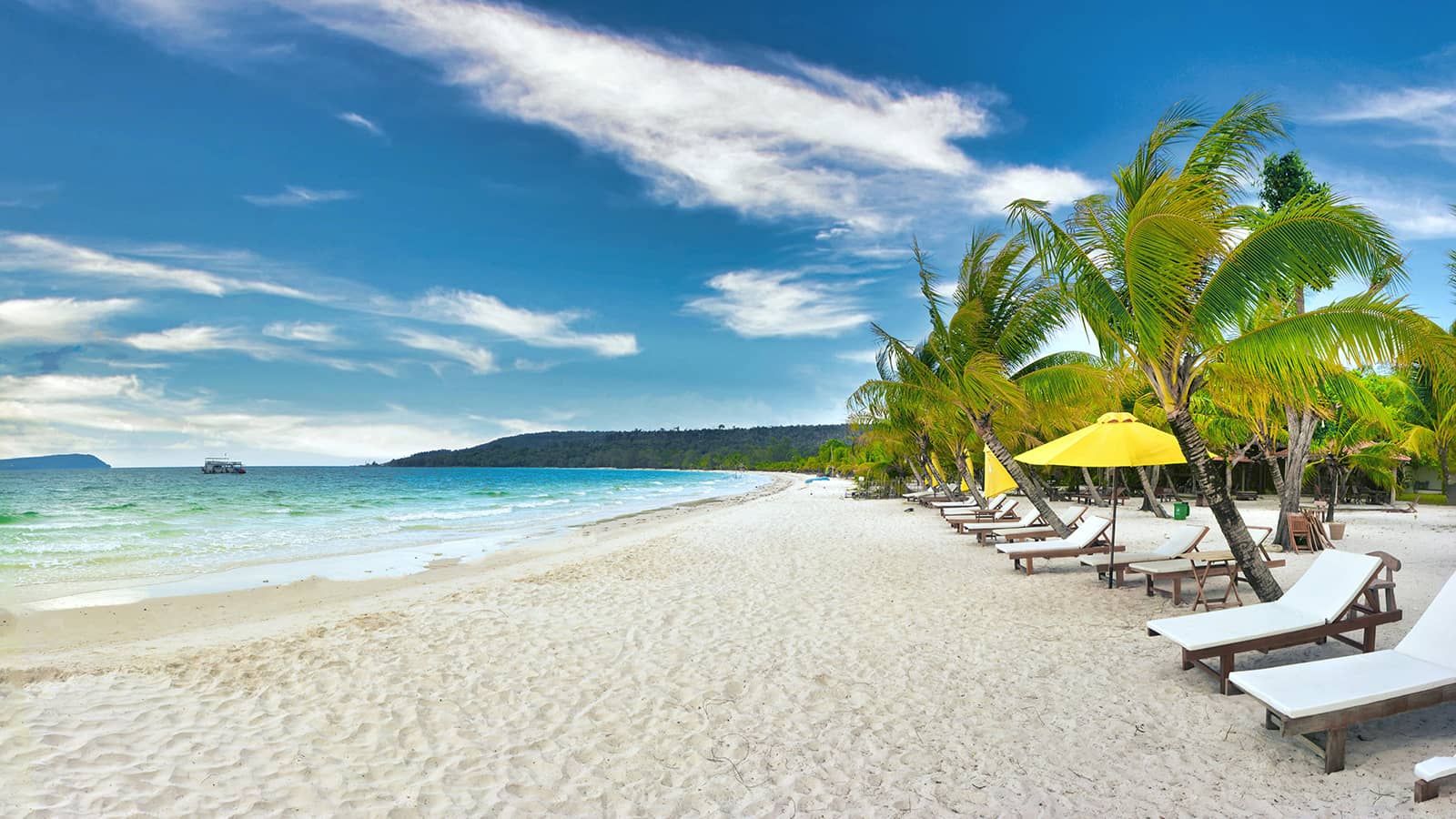
📷 Featured image by Ernests Vaga on Unsplash.