On this page
- Taiping, Perak — Malaysia’s Most Underrated Town
- Mersing, Johor — The Gateway Nobody Talks About
- Kuala Besut, Terengganu — The Real Launching Pad for the Perhentians
- Muar, Johor — Where Johor’s Food Culture Actually Lives
- Bario, Sarawak — Highland Life at the Edge of the Map
- Gua Musang, Kelantan — Jungle Trains and Limestone Karst Country
- Pulau Besar, Melaka — A Beach Island 30 Minutes from the UNESCO City
- Day Trip or Overnight? Deciding How Long to Spend at Each
- 2026 Budget Reality — What These Destinations Actually Cost
- Frequently Asked Questions
💰 Click here to see Malaysia Budget Breakdown
💰 Prices updated: August, 2026. Budget figures are estimates — always verify before travel.
Exchange Rate: $1 USD = RM4.03
Daily Budget (per person)
Shoestring: RM100.00 – RM200.00 ($24.81 – $49.63)
Mid-range: RM180.00 – RM400.00 ($44.67 – $99.26)
Comfortable: RM450.00 – RM1,300.00 ($111.66 – $322.58)
Accommodation (per night)
Hostel/guesthouse: RM20.00 – RM70.00 ($4.96 – $17.37)
Mid-range hotel: RM100.00 – RM350.00 ($24.81 – $86.85)
Food (per meal)
Budget meal: RM15.00 ($3.72)
Mid-range meal: RM35.00 ($8.68)
Upscale meal: RM100.00 ($24.81)
Transport
Single metro/bus trip: RM2.00 ($0.50)
Monthly transport pass: RM150.00 ($37.22)
By 2026, the pressure on Malaysia’s headline destinations has become hard to ignore. Georgetown’s guesthouses fill up weeks in advance. The queue for the Cameron Highlands tea estates stretches into the afternoon heat. Batu Caves gets so crowded on weekends that the steps feel more like a crowd-management exercise than a temple visit. If you’ve been putting off exploring Malaysia because you assume it means fighting for a spot at the same ten attractions every other tourist visits, this guide is specifically for you. These seven destinations are genuinely overlooked — not because they lack character, but because Malaysia’s own travel industry has been slow to promote them. That changes once you’ve been to even one of them.
Taiping, Perak — Malaysia’s Most Underrated Town
Taiping doesn’t try to be anything other than itself, and that’s exactly why it works. This former tin-mining town in northern Perak was once the most important settlement in the peninsula — it had Malaya’s first railway line, first museum, first public library, and first prison. Walking through the colonial core today, past rain trees so old their canopies meet overhead like cathedral arches, you feel the weight of that history without it being packaged for you.
The Taiping Lake Gardens are the oldest public gardens in Malaysia, opened in 1880. Early morning here — before 8am, when the mist still clings to the water and local uncles do their tai chi in near-silence — is one of the most genuinely peaceful experiences available in Peninsular Malaysia. The scent of wet earth and cut grass after an overnight rain is something you won’t find manufactured anywhere.
Taiping’s food scene is quietly exceptional. Larut Matang hawker centre is the local favourite for breakfast, and the wan tan mee here — with its char-grilled pork and springy egg noodles — is considered among the best in Perak. The town also has strong Hakka Chinese roots, which shows up in dishes rarely found elsewhere in Malaysia.
Getting there: Direct trains from KL Sentral (KTM Intercity) reach Taiping in around 2.5 hours. From Penang, it’s a 1.5-hour drive or bus from Butterworth. In 2026, KTM has added two additional northbound services on weekends, making day-trip timing far more flexible than it was two years ago.
Mersing, Johor — The Gateway Nobody Talks About
Most people see Mersing as nothing more than a ferry terminal for Tioman Island. They arrive, they wait, they leave. That’s a genuine mistake. Mersing itself — a small fishing town on Johor’s east coast — has a relaxed, salt-air atmosphere that rewards an overnight stay.
The town sits along the Mersing River estuary, and the evening scene along the waterfront, where fishing boats return loaded with the day’s catch and the smell of diesel mixes with sea breeze, has a working-coast texture that’s hard to find anymore in coastal Malaysia. The fish here is as fresh as it gets on the peninsula.
Seafood is the obvious draw. Restoran Mersing near the jetty area does outstanding steamed grouper and stir-fried clams with dried chilli. Prices remain well below what you’d pay for equivalent quality in KL or JB. The town also has several good budget guesthouses catering to island-hoppers who’ve discovered that spending a night here, rather than rushing the early ferry, makes the whole trip less stressful.
Beyond Tioman, Mersing is also the departure point for smaller, less-visited islands: Pulau Rawa, Pulau Besar (Johor’s version — different from Melaka’s), and Pulau Sibu. Rawa in particular has a private resort feel without the private island price tag.
Getting there: Plusliner and Transnasional buses run from TBS (Terminal Bersepadu Selatan) in KL to Mersing in roughly 4.5 hours. From JB, shared taxis take about 2 hours.
Kuala Besut, Terengganu — The Real Launching Pad for the Perhentians
Most Malaysia travel content skips straight to the Perhentian Islands and ignores Kuala Besut entirely. But this small coastal town in northern Terengganu deserves at least one conscious hour of your attention, and ideally one night.
Kuala Besut has the character of a proper Malay fishing kampung that hasn’t been renovated for Instagram. The wooden shophouses along the main road still sell fishing nets and rubber boots alongside kedai runcit snacks. The town mosque’s call to prayer drifts across the estuary at Maghrib time — around 7pm — and the whole waterfront shifts into a slower gear as families gather for the evening.
Food here is straightforward and honest. Nasi dagang — glutinous rice cooked in coconut milk, served with tuna curry — is the Terengganu coastal breakfast, and the versions at the small stalls near the jetty are the real thing, aromatic and deeply savoury in a way that plastic-wrapped versions in KL supermarkets can’t replicate.
Staying overnight in Kuala Besut also solves a logistical problem: the first ferry to the Perhentians departs early, and accommodation options on Besut’s side are significantly cheaper than on the islands themselves. Budget travellers who plan ahead save meaningfully here.
Getting there: From Kota Bharu, buses run to Kuala Besut in about 1.5 hours. From KL, the most practical route is the overnight train to Wakaf Baharu (near Kota Bharu) on the KTM East Coast Line, which was upgraded in 2025 with new rolling stock and improved timing.

Muar, Johor — Where Johor’s Food Culture Actually Lives
Johor Bahru gets all the attention as Johor’s gateway city, but locals in the know point to Muar when the subject is food and old-town character. Muar — also called Bandar Maharani — sits along the Muar River and has one of the best-preserved early-20th-century townscapes on the peninsula, with zero tourist crowds to navigate.
The food case for Muar is almost unfair. This is where otak-otak — spiced fish paste grilled in banana leaf — reaches its Peninsular peak. Muar’s version is different from the Penang variety: richer, more heavily spiced, with a firm, almost bouncy texture from the fish used. The stalls along Jalan Petrie and near the waterfront have been operating for generations, and the afternoon charcoal smoke from the grilling otak-otak fills the whole street.
Muar is also known for asam pedas, the sour and spicy fish stew that is essentially Johor’s signature dish. The versions here use river fish and a tamarind base that’s sharper and more complex than what you’ll find adapted for KL restaurant menus.
The Muar waterfront (Dataran Muar) has been upgraded with a riverside promenade that makes evening walks genuinely pleasant. The old Sultan Ibrahim Jamek Mosque, with its distinctive Moorish architecture, is free to visit outside prayer times.
Getting there: From JB, direct buses run to Muar in about 1.5 hours (Causeway Link or Sri Maju). From KL, the bus from TBS takes around 2.5 hours. Muar is also accessible by train — the KTM Seremban line connects to Segamat, from where taxis cover the remaining distance.
Bario, Sarawak — Highland Life at the Edge of the Map
Bario is not easy to get to, and that’s precisely the point. Located in the Kelabit Highlands of northeastern Sarawak, roughly 1,000 metres above sea level, Bario is a place where the air is genuinely cool, the pace is determined by farming cycles, and the Kelabit people maintain a way of life that has adapted to modernity without abandoning its foundations.
There are no roads connecting Bario to the rest of Sarawak — only a 1-hour flight from Miri on MASwings’ Twin Otter service, or a multi-day jungle trek. That flight, in 2026, costs between MYR 80 and MYR 160 one-way depending on booking timing, and it remains one of the great small-aircraft experiences in Southeast Asia: the approach over ridgeline jungle into a highland valley is striking in a way that no travel photo quite captures.
Bario is famous for Bario rice — an heirloom variety grown in the highland paddies, with a slightly nutty, fragrant quality that makes it noticeably different from lowland commercial rice. Eating it at a community longhouse, served alongside foraged ferns and smoked wild boar, is one of those meals that stays with you for reasons beyond taste.
Trekking between longhouse communities is the main activity, and community-based homestays (priced around MYR 80–120 per night including meals) are the standard accommodation model. These are real homes, not constructed tourism experiences.
Getting there: Fly MASwings from Miri. Book well in advance — the Twin Otter seats only 19 passengers. The 2026 MASwings schedule offers two flights daily on most days, an improvement from the single daily service that frustrated visitors in 2024.
Gua Musang, Kelantan — Jungle Trains and Limestone Karst Country
Gua Musang is a small town in inland Kelantan, and for most Malaysians outside the region, it means one thing: the Jungle Railway. The KTM Keretapi Tanah Melayu line that runs through the interior of the peninsula — through dense primary forest, past kampungs accessible only by train, alongside rivers so green they look painted — passes directly through Gua Musang, and the town makes a logical overnight stop on the full Gemas–Tumpat route.
But Gua Musang itself has its own draw. The town is ringed by dramatic limestone karst formations — steep, forested outcrops that rise from the flat valley floor the way they do in parts of northern Thailand or southern China. The cave systems beneath these formations include Gua Ikan (Fish Cave), where a stream runs directly through a cavern large enough to paddle a small boat through in the right season.
The town is majority Chinese Malaysian with a strong Orang Asli presence in the surrounding villages, creating a cultural mix that feels entirely distinct from coastal Kelantan. The central market in the morning smells of jungle produce — wild honey, bamboo shoots, freshly harvested tapioca — alongside the usual hawker breakfast smells of kopi and roti.
For outdoor enthusiasts, Gua Musang sits near the border of Royal Belum State Park‘s southern buffer zone, and local guides can arrange jungle walks to Orang Asli settlements with advance notice.
Getting there: The Jungle Railway is the recommended route — it’s an experience in itself. The ETS train from KL runs to Gemas, and from Gemas, the night train to Gua Musang takes around 5 hours through the interior. Total journey from KL: roughly 9–10 hours, but the scenery makes it worth scheduling.
Pulau Besar, Melaka — A Beach Island 30 Minutes from the UNESCO City
Most visitors to Melaka spend their time on Jonker Street and the riverside and leave without knowing there’s an island 30 minutes offshore by ferry. Pulau Besar (not to be confused with Johor’s Pulau Besar) is a small island in the Strait of Melaka, historically significant as a burial site for Muslim missionaries and known locally for its spiritual atmosphere.
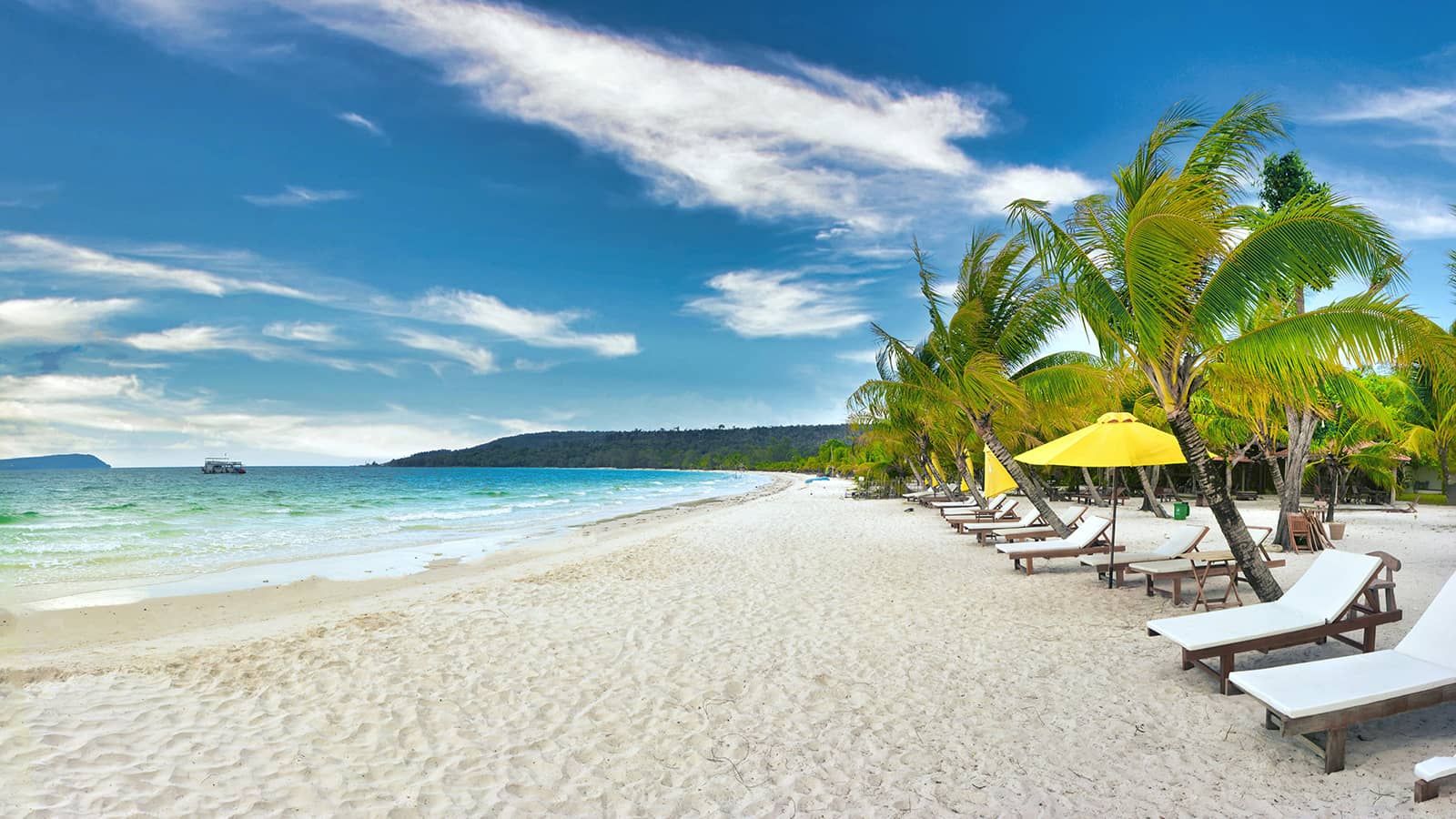
The island has several small resorts and a handful of chalets along its beaches. The water here isn’t the crystal-clear turquoise of the South China Sea islands — this is the Strait of Melaka, so visibility is lower — but the beaches are quiet, the snorkelling on the reef patches is decent, and the overall atmosphere is one of genuine stillness that central Melaka simply cannot offer.
The island’s shrine trail is one of its most unusual attractions: a series of old Muslim graves and shrines connected by a walking path through jungle interior. These are active pilgrimage sites for local Malays, and visiting them with respect provides a cultural layer that no beach resort experience typically delivers.
Accommodation ranges from basic chalets at around MYR 80–100 per night to mid-range resort packages that include meals and snorkelling gear. The island shuts down almost completely outside weekends and school holidays, so timing matters.
Getting there: Ferries depart from Umbai Jetty on the mainland side of Melaka. The crossing takes 30–40 minutes and costs around MYR 15–20 one-way. Grab is the easiest way to reach Umbai Jetty from central Melaka — about 15 minutes by car.
Day Trip or Overnight? Deciding How Long to Spend at Each
Not every destination on this list demands the same time commitment. Here’s an honest breakdown based on what each place actually offers:
- Taiping — Can be done as a day trip from Penang (1.5 hours each way), but an overnight stay lets you experience the morning Lake Gardens properly and try dinner at the night market. One night is ideal.
- Mersing — If you’re heading to Tioman or another island, one night in Mersing is the smart move. As a standalone destination, a half-day is sufficient unless you’re exploring nearby islands.
- Kuala Besut — Primarily a transit point. One night makes practical sense if you’re catching an early Perhentian ferry. Don’t treat it as a multi-day destination on its own.
- Muar — A focused day trip from JB (1.5 hours each way) works well. Food-focused visitors who want to try multiple meals might prefer an overnight stay.
- Bario — Minimum three nights, ideally five or more. The logistics of getting there make a short visit wasteful. Give it time.
- Gua Musang — Two nights is the sweet spot. One day for the caves and town, one day for a jungle excursion or continuing the train journey north.
- Pulau Besar, Melaka — One or two nights. It’s a decompression stop after Melaka’s UNESCO-zone crowds, not a week-long beach retreat.
2026 Budget Reality — What These Destinations Actually Cost
One of the genuine advantages of these lesser-known destinations is that tourism pricing inflation — which hit Georgetown and the Perhentians hard between 2023 and 2025 — hasn’t reached most of them yet.
Accommodation (per night, per room)
- Budget: MYR 50–90 — basic guesthouses and chalets in Taiping, Mersing, Kuala Besut, and Muar. Functional, clean, family-run.
- Mid-range: MYR 100–200 — better-equipped hotels in Taiping and Muar; resort chalets on Pulau Besar Melaka; community homestays in Bario (includes meals).
- Comfortable: MYR 200–400 — the top options in these towns, which are boutique heritage hotels or the better island resorts. Nothing in this list commands KL five-star rates.
Food
- Hawker meals in all these destinations: MYR 5–12 per dish.
- Seafood meals in Mersing: MYR 40–80 for a shared table of three dishes and rice.
- Bario longhouse meals (included in homestay): MYR 15–20 per meal if paying separately.
Transport
- KTM train KL–Taiping: MYR 25–45 (economy to business).
- TBS bus KL–Mersing: MYR 28–35.
- MASwings Miri–Bario: MYR 80–160 one-way.
- Ferry Umbai–Pulau Besar Melaka: MYR 15–20 one-way.
- KTM Jungle Railway Gemas–Gua Musang: MYR 30–50.
In 2026, Malaysia’s tourist tax (currently MYR 10 per room per night for most properties) applies at registered accommodation across all these destinations. Budget accordingly — it’s a flat charge regardless of hotel tier.
Frequently Asked Questions
Which of these hidden gem destinations is easiest to reach from Kuala Lumpur?
Taiping and Muar are the most accessible. Taiping is under 3 hours by KTM train from KL Sentral, and Muar is 2.5 hours by bus from TBS. Both can realistically be done as day trips, though an overnight stay gives you more time with each town’s food and atmosphere.
Is Bario, Sarawak suitable for travellers without trekking experience?
Yes, with caveats. You don’t need to trek to get there — the flight from Miri handles that. Once in Bario, easy walks between nearby longhouses are manageable for most fitness levels. For longer jungle treks between Bario and Pa’ Lungan or Ba’ Kelalan, moderate fitness and a local guide are both necessary.
Are these destinations family-friendly with young children?
Taiping, Muar, and Pulau Besar Melaka work well for families. The Lake Gardens in Taiping has a small zoo adjacent to it. Bario and Gua Musang involve more logistical effort and are better suited for families with older children who handle variable conditions comfortably. Mersing and Kuala Besut are fine as transit stops.
What is the best time of year to visit these destinations?
For Peninsular West Coast destinations (Taiping, Muar), the drier months of November through February are pleasant. East Coast destinations like Mersing and Kuala Besut are best visited between March and September — the northeast monsoon from November to February makes seas rough and island ferries unreliable. Bario is cooler and wetter from October to January but remains accessible year-round by air.
Do these towns have reliable internet and mobile coverage in 2026?
Taiping, Mersing, Muar, and Kuala Besut all have solid 4G coverage across all major Malaysian networks. Gua Musang has reasonable coverage in the town centre but patchy signal in jungle areas. Bario was significantly improved in 2025 following a government rural connectivity project — most of the main settlement now has 4G LTE, though longhouses further out remain limited.