On this page
- Which Village Should You Base Yourself In?
- Tioman’s Beaches: What Each One Actually Feels Like
- Diving and Snorkelling in 2026: Sites, Conditions, and Operators
- Day Trip or Overnight?
- Getting to Tioman in 2026
- Getting Around the Island
- Where to Eat on Tioman
- 2026 Budget Reality
- Practical Tips Before You Go
- Frequently Asked Questions
💰 Click here to see Malaysia Budget Breakdown
💰 Prices updated: August, 2026. Budget figures are estimates — always verify before travel.
Exchange Rate: $1 USD = RM4.03
Daily Budget (per person)
Shoestring: RM100.00 – RM200.00 ($24.81 – $49.63)
Mid-range: RM180.00 – RM400.00 ($44.67 – $99.26)
Comfortable: RM450.00 – RM1,300.00 ($111.66 – $322.58)
Accommodation (per night)
Hostel/guesthouse: RM20.00 – RM70.00 ($4.96 – $17.37)
Mid-range hotel: RM100.00 – RM350.00 ($24.81 – $86.85)
Food (per meal)
Budget meal: RM15.00 ($3.72)
Mid-range meal: RM35.00 ($8.68)
Upscale meal: RM100.00 ($24.81)
Transport
Single metro/bus trip: RM2.00 ($0.50)
Monthly transport pass: RM150.00 ($37.22)
Tioman Island has a reputation problem — not because it’s bad, but because too many visitors arrive unprepared. They land at Tekek, see the main jetty crowd, and assume that’s the whole island. In 2026, the ferry crowd situation from Mersing has improved slightly with better scheduling, but Tioman still rewards the traveller who knows where to go and what to expect. This guide covers all of it.
Which Village Should You Base Yourself In?
Tioman is not one beach. It’s a long, mountainous island with several distinct settlements, each with its own character. Picking the wrong one can make or break your trip.
- Tekek is the main village and the island’s administrative hub. It has the airport, the largest supermarket, and the most infrastructure — but also the most noise, motorbike traffic, and construction activity. Good if you need reliable logistics, not great if you want peace.
- Air Batang (ABC) sits north of Tekek and is a long-time favourite with backpackers and divers. The beach is narrow but there’s a lively row of guesthouses, dive shops, and simple restaurants. It has personality without being overcrowded.
- Salang is further north and genuinely remote-feeling. Excellent reef access and some of Tioman’s best dive sites are right offshore. The accommodation choices are limited but authentic.
- Juara is on the east coast and requires either a jungle trek or a boat to reach from the west side. It has a wide, calm bay, very few tourists, and almost no nightlife. This is where you come to completely disconnect.
- Genting is the southernmost village and a common landing point for ferries from Tanjung Gemok. It’s functional but not particularly scenic — most people move on quickly.
Tioman’s Beaches: What Each One Actually Feels Like
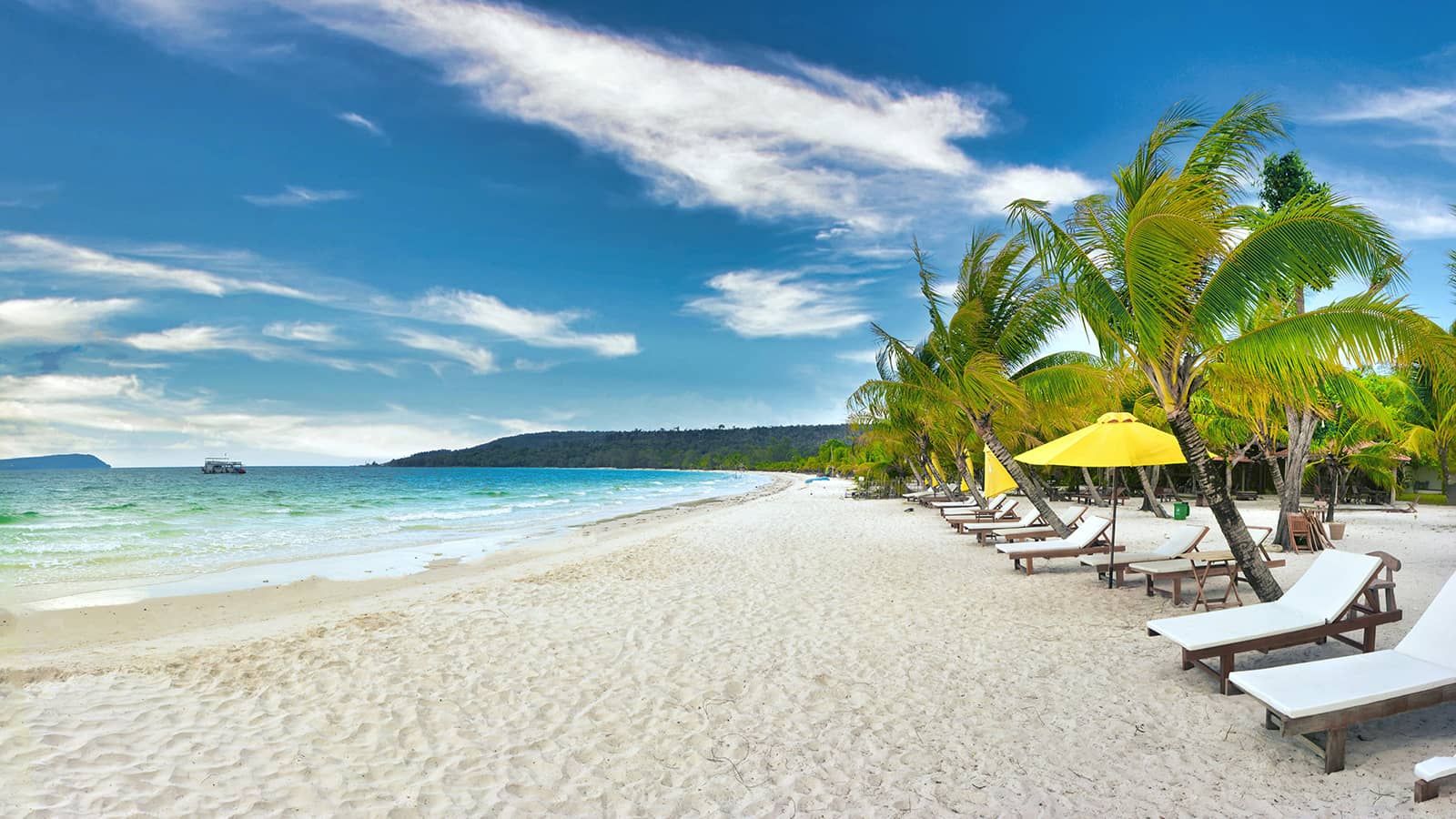
The water around Tioman is a particular shade of blue-green that looks almost artificial in photographs — shallow, clear, and warm at around 28–30°C from March through October. Step into the sea at Juara on a calm morning and the sand stays pale under your feet for about 15 metres before the seagrass starts.
Juara Beach is the standout. A sweeping bay on the east coast with almost no development facing the South China Sea. The surf picks up between November and January, making it unsuitable for swimming during the monsoon, but at other times it’s genuinely spectacular — wide, uncrowded, and backed by jungle.
Paya Beach, south of Tekek, has calm, protected water ideal for families and nervous swimmers. The reef is close to shore and snorkelling here is easy even for beginners.

Monkey Beach (Pasir Anak Ayer) near ABC is accessible only by boat taxi or on foot. It’s small, shaded by overhanging trees, and consistently one of the prettiest spots on the island’s west coast.
Salang Beach is long and open, with beach chairs, a few operators renting snorkel gear, and good reef access from the northern end. The water is shallow for the first 30 metres and then drops away quickly.
Diving and Snorkelling in 2026: Sites, Conditions, and Operators
Tioman sits inside the Pulau Tioman Marine Park, and the no-fishing, no-anchoring rules have allowed the coral to recover noticeably over the past few years. Visibility regularly reaches 15–20 metres on good days, and sites like Renggis Island and Tiger Reef near Tekek consistently deliver leopard sharks, large grouper, and schooling barracuda.
Labas Island off Salang is considered one of the best dive sites in the whole region — a wall dive with strong current that brings in pelagic species. Experienced divers should prioritise this. Beginners are better served by the gentler slopes around Golden Reef near ABC.
In 2026, most established dive operators on the island are PADI-affiliated and offer Open Water courses for around MYR 900–1,100, including marine park fees. Fun dives run at MYR 80–120 per dive depending on the site and operator.
Snorkellers should know that the house reef at ABC is still active despite some bleaching in 2023. Turtle sightings are regular, especially early morning. Bring your own mask and fins if possible — rental gear quality varies considerably across operators.
Day Trip or Overnight?
Be honest with yourself about this one. Tioman is not a day trip destination, and anyone who tells you otherwise hasn’t done it. The ferry from Mersing alone takes 1.5 to 2 hours each way. Factor in travel to Mersing from KL (3–4 hours by bus), the variable departure times, and you’re spending most of your day in transit.
The minimum sensible visit is two nights. Three nights is better. A week is ideal if you plan to dive seriously, hike to Juara, and properly unwind.

From Singapore, the trip is more viable for a short stay — Mersing is around 2.5 hours from Johor Bahru by bus, and some travellers do a 2-night weekend escape without it feeling rushed.
Getting to Tioman in 2026
There are two ferry departure points on the mainland: Mersing (Johor) and Tanjung Gemok (Pahang). Most travellers from KL use Tanjung Gemok via Kuantan or by express bus from TBS Bus Terminal.
From KL, the most reliable 2026 route is a direct express bus from Terminal Bersepadu Selatan (TBS) to Mersing (MYR 30–40, around 4 hours) or to Tanjung Gemok (MYR 35–45, around 4.5 hours). Ferry tickets from either port cost MYR 35–50 per person one way depending on the operator and destination village.
Berjaya Air previously operated flights from KL Subang to Tioman, but as of 2026 these remain suspended — check updates before planning around air travel. The island’s runway is functional but commercial services have been unreliable since 2023.
Ferry schedules from Mersing are tide-dependent, which means morning departures are more consistent. The 7:00–9:00am window is the safest departure slot. Afternoon ferries during low tide are sometimes cancelled or delayed significantly.
Getting Around the Island
There is no public transport on Tioman. The main village road between Tekek and Genting in the south is paved and used by motorbikes and a few 4WD taxis, but the northern villages — ABC, Salang — are accessible only by sea or on foot along the coastal path.
Boat taxis are the main way to move between villages. A shared boat from Tekek to ABC typically costs MYR 10–15 per person; a private charter is MYR 40–60 depending on distance and negotiation. Boat taxis run throughout the day but become scarce after dark.
The cross-island jungle trek between ABC and Juara is one of the island’s highlights. It takes around 2–3 hours in each direction and passes through dense primary rainforest. The trail can be muddy and slippery after rain — wear proper footwear, bring water, and tell your guesthouse before you go.
Where to Eat on Tioman
Food on Tioman is simple and largely built around fresh seafood, Malay staples, and basic Western fare for the dive crowd. Prices are higher than the mainland given logistics, but not unreasonably so.
In ABC, the open-air restaurant at Nazri’s Place serves reliable nasi goreng, grilled fish, and fresh lime juice that comes cold and sharp after a morning in the water. The communal tables fill up at dinner, and the smell of garlic butter seafood carries down the beach from around 6pm.
In Salang, Khalid’s and Zaid’s Cabin are the go-to spots. Both serve grilled barracuda and fresh coconut when they have it, and both are BYOB-friendly (bring your own — Tioman is officially dry under Pahang state rules).
In Tekek, the small hawker stalls near the jetty offer the best value — nasi campur plates with fish curry and vegetables for MYR 8–12. Nothing fancy, but honest food at mainland prices.
In Juara, dining options are limited to two or three small beach restaurants attached to guesthouses. The Bushman is known locally for its fresh fish and unusually good coffee.
2026 Budget Reality
Tioman is mid-range by Malaysian island standards — more expensive than the Perhentians for accommodation, but roughly comparable for food and diving.
- Budget (MYR 100–200/night): Fan-cooled chalets at ABC or Salang, shared bathroom options available. Basic but functional. Meals from hawker stalls or simple beach restaurants: MYR 10–20 per meal.
- Mid-range (MYR 200–400/night): Air-conditioned chalets or small resorts at Paya or ABC, en-suite bathroom, often with breakfast included. This is where most travellers land in 2026.
- Comfortable (MYR 400–800+/night): Berjaya Tioman Resort is the only large-scale resort on the island, with beach bungalows, a pool, and proper amenities. Priced for those who want comfort without leaving the island.
A realistic 3-night budget including ferry, accommodation, food, and two dives: MYR 700–1,000 per person at the budget end; MYR 1,500–2,200 mid-range.
The Tioman Marine Park entrance fee is MYR 30 per person (2026 rate) and is typically collected at the jetty on arrival. Keep your receipt — some dive operators ask to see it.
Practical Tips Before You Go
Best months: March to October. The northeast monsoon hits Tioman hard from November to February, closing most guesthouses and making sea crossings dangerous. Some facilities remain open in November and February at the margins, but the risk isn’t worth it for most travellers.
Alcohol rules: Tioman falls under Pahang state jurisdiction. The island is officially alcohol-restricted, meaning licensed sales are limited to the Berjaya Resort. Most other guesthouses operate discreetly — ask locally, but don’t expect a beach bar setup.
Phone signal: Celcom and Maxis both have coverage in the main villages (Tekek, ABC, Salang) but it is patchy. Juara has minimal signal. Download offline maps and any bookings before you leave the mainland.
Cash: Bring enough ringgit. ATMs exist only in Tekek, and the one there is frequently out of service. Card payments are accepted at Berjaya Resort and a handful of larger operators, but most beach chalets and food stalls are cash-only.
Sunscreen: Only reef-safe mineral sunscreen is permitted within the marine park boundaries. This is enforced at some entry points and increasingly checked by dive operators. Standard chemical sunscreen causes coral bleaching and is discouraged across all Tioman waters.
Frequently Asked Questions
How do I get to Tioman Island from Kuala Lumpur in 2026?
Take an express bus from Terminal Bersepadu Selatan (TBS) in KL to either Mersing or Tanjung Gemok — journey time is roughly 4–4.5 hours, costing MYR 30–45. From the jetty, catch a ferry to your chosen village. Total travel time from KL to island is around 6–7 hours door to door.
Is Tioman Island suitable for families with young children?
Yes, particularly around Paya Beach and the calmer sections of ABC, where the water is shallow and protected. Avoid the east coast (Juara) with young children during any swell. The main challenge is logistics — long travel days and limited medical facilities on the island mean preparation matters more here than at a resort destination.
What is the best village to stay in on Tioman?
It depends on your priorities. Air Batang (ABC) suits divers and those wanting atmosphere with some dining choice. Salang is better for serious divers and those wanting fewer tourists. Juara is for travellers who genuinely want isolation and a wide natural beach. Tekek is most convenient but least scenic.
Are there sharks at Tioman Island?
Yes, and this is a reason to visit, not a reason to avoid it. Whitetip and blacktip reef sharks are common at several dive sites. Leopard sharks rest on sandy patches near Renggis Island. Whale sharks are occasionally spotted in deeper water, though sightings are not guaranteed. None of these species are aggressive toward swimmers or divers.
When should I avoid visiting Tioman?
Avoid November through January. The northeast monsoon brings rough seas, heavy rain, and most guesthouses close entirely. February and late October are transitional months — conditions can be fine but crossings may be cancelled at short notice. If your travel window falls in these months, consider the Langkawi or Perhentian alternatives instead.