On this page
- Perhentian Besar vs Perhentian Kecil — Choosing Your Island
- Best Beaches and Snorkelling Spots
- Getting There in 2026 — Trains, Buses, and the Ferry to Kuala Besut
- Where to Stay — Budget Chalets to Mid-Range Resorts
- 2026 Budget Reality — What Everything Actually Costs
- Eating on the Islands — What to Order and Where
- Day Trip or Overnight?
- Practical Tips — Rules, Reef Protection, and What to Pack
- Frequently Asked Questions
💰 Click here to see Malaysia Budget Breakdown
💰 Prices updated: October, 2026. Budget figures are estimates — always verify before travel.
Exchange Rate: $1 USD = RM4.08
Daily Budget (per person)
Shoestring: RM100.00 – RM180.00 ($24.51 – $44.12)
Mid-range: RM250.00 – RM450.00 ($61.27 – $110.29)
Comfortable: RM500.00 – RM1,000.00 ($122.55 – $245.10)
Accommodation (per night)
Hostel/guesthouse: RM30.00 – RM60.00 ($7.35 – $14.71)
Mid-range hotel: RM110.00 – RM200.00 ($26.96 – $49.02)
Food (per meal)
Budget meal: RM15.00 ($3.68)
Mid-range meal: RM35.00 ($8.58)
Upscale meal: RM100.00 ($24.51)
Transport
Single metro/bus trip: RM2.00 ($0.49)
Monthly transport pass: RM50.00 ($12.25)
The Perhentian Islands haven’t lost their magic, but in 2026 they’ve gotten more complicated to visit. Malaysia‘s Marine Park Authority now enforces a daily visitor cap during peak season (June to August), and the ferry booking system at Kuala Besut jetty moved to a centralised online platform in late 2025. If you show up without a return ticket during the school holidays, you may find yourself sleeping in Kuala Besut. This guide cuts through that confusion so you spend your time in the water, not waiting at a jetty.
Perhentian Besar vs Perhentian Kecil — Choosing Your Island
Most travellers don’t realise these are two separate islands with genuinely different personalities, and picking the wrong one can ruin the vibe you were after.
Perhentian Kecil (the smaller island, confusingly) is the backpacker hub. Long Beach is its centrepiece — a long strip of white sand lined with budget chalets, small restaurants, and dive shops. The crowd here is younger, louder after dark, and very international. Coral Bay on the western side of Kecil is calmer and better for families or anyone wanting to dodge the beach-party scene.
Perhentian Besar is quieter, greener, and slightly more expensive. It has a handful of mid-range resorts and far fewer day-trippers. If you want to snorkel in the mornings, read a book in the afternoons, and not hear bass from a beach bar at 11pm, Besar is your island. The turtle spotting here is also consistently better.
Both islands sit inside Taman Laut Malaysia (Malaysia Marine Park), which means alcohol regulations are selective — licensed resorts and restaurants can serve it, but availability is patchier on Besar. If cold beers at sunset matter to you, factor that in.
Best Beaches and Snorkelling Spots
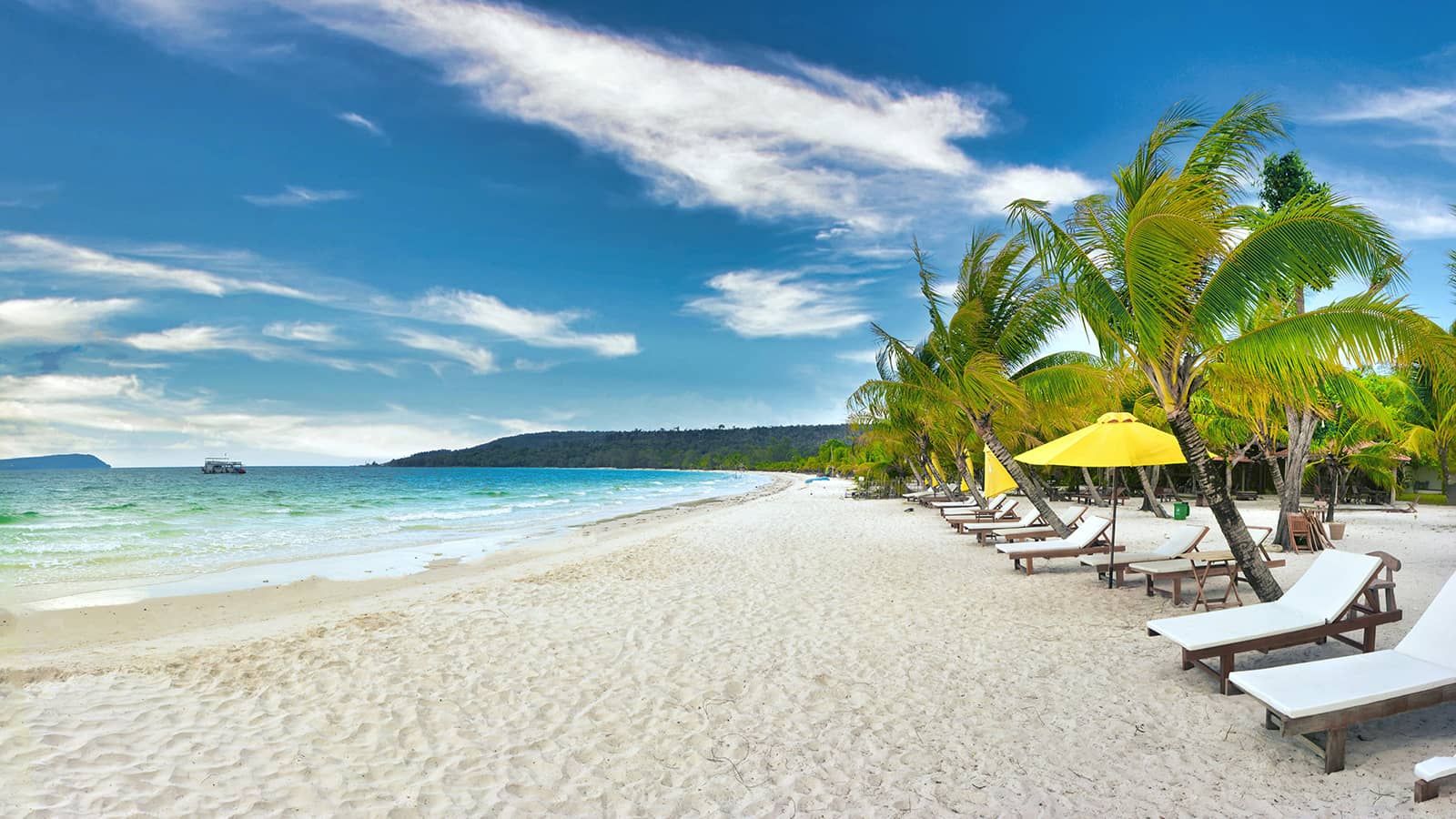
Long Beach on Kecil is the postcard shot — fine white sand, water so clear you can see the bottom at two metres, and the kind of turquoise that looks digitally enhanced but isn’t. Arrive before 10am and you’ll have stretches of it almost to yourself before the boat tours unload.
For snorkelling, Shark Point off the northeastern tip of Besar is the standout. Blacktip reef sharks are genuinely common here — you’ll likely see two or three on a single swim, gliding slow and completely unbothered by humans. The visibility on a calm morning sits around 10 to 15 metres, and the water temperature hovers between 28°C and 30°C year-round.
Tiga Ruang (Three Arches) is a channel between rock formations on Kecil’s western side, excellent for drift snorkelling. The current does the work; you just float through schools of sergeant majors and the occasional hawksbill turtle. Green turtles nest on Besar’s beaches between March and October — guided night walks cost around MYR 30 per person and are run by licensed Marine Park guides.
D’Lagoon on the northern tip of Kecil is harder to reach (a steep jungle trail or a water taxi) but offers some of the best coral in the Perhentians, with table corals, sea fans, and frequent sightings of bumphead parrotfish in the early morning hours.
Getting There in 2026 — Trains, Buses, and the Ferry to Kuala Besut
The gateway to the Perhentians is Kuala Besut jetty in Terengganu. Getting there from Kuala Lumpur takes around five to six hours total and is very doable on a budget.
The most comfortable overland route in 2026 is the ETS train from KL Sentral to Wakaf Bharu (the station for Kota Bharu), which takes about five and a half hours. Tickets cost MYR 49 to MYR 79 depending on the class and booking window. From Wakaf Bharu, a taxi or Grab to Kuala Besut takes around 45 minutes and costs roughly MYR 50 to MYR 60. Book ETS tickets on the KTM Intercity app at least three days ahead during peak season — the trains fill up.
Alternatively, direct overnight buses from KL’s TBS (Terminal Bersepadu Selatan) to Kuala Besut run nightly and cost MYR 40 to MYR 55. The journey is around seven hours. Bus companies including Transnasional and Plusliner cover this route. The new centralised Kuala Besut ferry booking portal (launched November 2025) lets you book round-trip ferry tickets online for MYR 35 to MYR 45 per person. The crossing takes 20 to 30 minutes depending on weather and sea conditions.
There are no airports near the Perhentians with commercial service in 2026. The closest option is Sultan Ismail Petra Airport in Kota Bharu, served by AirAsia and Batik Air from KL, with fares from MYR 80 one-way. Flying and then catching a taxi to Kuala Besut is faster but significantly more expensive overall.
Where to Stay — Budget Chalets to Mid-Range Resorts
Accommodation on the Perhentians ranges from fan-only wooden chalets 20 metres from the water to air-conditioned resorts with dive packages. Booking ahead is essential from June to August; outside those months, walk-ins are usually fine.
On Kecil’s Long Beach, Matahari Chalet and Moonlight Chalet are long-running budget staples with fan rooms from MYR 80 to MYR 120 per night. The buildings are basic — expect thin walls, cold-water showers, and geckos — but the location directly on the beach makes up for it completely.
For mid-range comfort on Kecil, Bubu Long Beach Resort has air-conditioned chalets with hot water and a reliable dive centre attached. Rates in 2026 run MYR 280 to MYR 380 per night. On Besar, Coral View Island Resort is the most established mid-range option with a proper restaurant, MYR 320 to MYR 450 per night.
Budget travellers should note that most island accommodation still operates on a cash-only basis or charges a 2% surcharge for card payments. Bring enough ringgit for your entire stay — the single ATM on Kecil is unreliable and frequently out of service.
2026 Budget Reality — What Everything Actually Costs
- Budget tier: MYR 120–180 per day. Fan chalet (MYR 80–100), meals at beach restaurants (MYR 12–18 per dish), snorkel gear rental (MYR 20), one snorkelling boat trip (MYR 40–50).
- Mid-range tier: MYR 280–420 per day. Air-conditioned chalet (MYR 200–280), mix of restaurant meals, a half-day dive (MYR 150–180 including gear and two tanks).
- Comfortable tier: MYR 500–700 per day. Mid-range resort, daily diving or full PADI Open Water course (MYR 900–1,100 for the full course over three days), meals at resort restaurants.
The Marine Park conservation fee is MYR 30 per person and is collected at the Kuala Besut jetty before departure. This is a one-time payment valid for your entire stay. Drinking water on the island runs MYR 3 to MYR 5 per 1.5-litre bottle — bring a filter bottle from the mainland and refill at your chalet.
Eating on the Islands — What to Order and Where
Food on the Perhentians is almost exclusively served at beach restaurant shacks attached to guesthouses. The menus are similar across the board — grilled fish, fried rice, pasta, and a token Western breakfast — but quality varies.
The grilled barracuda at Panorama Restaurant on Long Beach deserves a mention: the fish arrives on a banana leaf with a chilli-lime sambal that has just enough heat to make you slow down and think about it. Order early in the evening; they run out by 7:30pm most nights.

Nasi goreng kampung (village-style fried rice) with a fried egg is the most reliable budget meal across both islands, usually MYR 10 to MYR 14. Fresh fruit juices — watermelon, mango, passionfruit — are blended to order and cost MYR 7 to MYR 10. Seafood platters (grilled fish, prawns, and squid) for two people run MYR 60 to MYR 90 and are the best value way to eat well.
There are no convenience stores or supermarkets on the islands. Bring your own snacks, instant noodles, or anything specific you need from the mainland.
Day Trip or Overnight?
Day trips to the Perhentians are technically possible — ferries run both ways — but genuinely not worth it. The crossing alone takes 20 to 30 minutes each way, and once you factor in the travel from KL or Penang to Kuala Besut, you’d be spending four to five hours commuting for a few hours on the beach. The islands reward patience.
A minimum of three nights is the sweet spot for most backpackers. That’s enough time to snorkel at three or four different spots, do one diving session, and actually feel the slower pace rather than rushing it. Five nights gives you the full experience including a turtle walk, island-hopping by kayak, and at least one afternoon of doing absolutely nothing, which is honestly the whole point.
Practical Tips — Rules, Reef Protection, and What to Pack
The Perhentians are a Marine Park, and the rules are enforced more seriously in 2026 than they were a few years ago. Do not stand on coral — the fine is MYR 500 and rangers will issue it. Do not feed fish. Anchor damage is monitored; all tour boats now use mooring buoys, so if a boat operator tries to drop an anchor over a reef, that’s your cue to find another operator.
The islands have no reliable mobile data outside of resort Wi-Fi. Maxis has the best signal, but even that drops to 2G in many parts of Kecil. Download offline maps on Maps.me or Google Maps before you arrive.
Power cuts are occasional, especially during storms. Charge all devices when power is available. The islands run on generator power and supply is not guaranteed overnight at budget guesthouses.
The Perhentians close entirely from November to mid-February due to the Northeast Monsoon. Seas become dangerously rough and all accommodation shuts. The official reopening date in 2026 is March 15 — confirm this on the Marine Park Authority’s website before planning a late-February trip.
Frequently Asked Questions
When is the best time to visit the Perhentian Islands in 2026?
March to October is the open season. April, May, and late September are ideal — crowds are smaller, prices are lower, and weather is excellent. June to August is peak season with the best visibility underwater but the highest prices and most tourists. Avoid November through mid-February entirely due to the monsoon closure.
Do I need to book the ferry in advance?
Yes, during peak season (June to August) and Malaysian school holidays. The 2025-launched centralised ferry booking portal at Kuala Besut allows online reservations. Outside peak periods, you can usually buy a ticket on arrival at the jetty. Always book a return ticket at the same time to avoid getting stranded.
Is Perhentian Kecil or Besar better for solo backpackers?
Kecil is better for solo travellers who want to meet people, join snorkelling groups easily, and access cheap food and accommodation on Long Beach. Besar suits those who want more peace and fewer crowds. Most budget operators, dive courses, and social beach life concentrate on Kecil.
Can I learn to scuba dive at the Perhentians?
Yes. Several PADI-certified dive centres operate on both islands. A full Open Water Diver course takes three days and costs MYR 900 to MYR 1,100 in 2026, including all equipment. Fun dives for certified divers cost MYR 80 to MYR 100 per dive. The Perhentians are one of the most affordable places in Asia to get certified.
Is there ATM access on the Perhentian Islands?
There is one ATM on Perhentian Kecil near Long Beach, but it runs out of cash regularly, especially during peak season. Bring enough Malaysian Ringgit for your entire stay before leaving the mainland. Kuala Besut town has a CIMB and Maybank branch — withdraw there before boarding the ferry.