On this page
- Why Penang’s Culture Hits Different in 2026
- Navigating George Town’s UNESCO Streets on Foot
- The Religious Landscape — Temples, Mosques, and Clan Jetties
- Penang’s Art Scene — Beyond the Iron Rod Boy
- Peranakan Culture — Nyonya Homes, Beaded Shoes, and Clan Houses
- Cultural Festivals Worth Planning Around
- Where to Eat for Cultural Immersion
- Traditional Crafts and Living Artisans
- Getting Around the Heritage Zone
- Practical Tips for Cultural Visitors
- Budget Breakdown for a Cultural Trip to Penang
- Frequently Asked Questions
💰 Click here to see Malaysia Budget Breakdown
💰 Prices updated: August, 2026. Budget figures are estimates — always verify before travel.
Exchange Rate: $1 USD = RM4.03
Daily Budget (per person)
Shoestring: RM100.00 – RM200.00 ($24.81 – $49.63)
Mid-range: RM180.00 – RM400.00 ($44.67 – $99.26)
Comfortable: RM450.00 – RM1,300.00 ($111.66 – $322.58)
Accommodation (per night)
Hostel/guesthouse: RM20.00 – RM70.00 ($4.96 – $17.37)
Mid-range hotel: RM100.00 – RM350.00 ($24.81 – $86.85)
Food (per meal)
Budget meal: RM15.00 ($3.72)
Mid-range meal: RM35.00 ($8.68)
Upscale meal: RM100.00 ($24.81)
Transport
Single metro/bus trip: RM2.00 ($0.50)
Monthly transport pass: RM150.00 ($37.22)
Penang‘s reputation as a cultural destination has always been strong, but 2026 brings a specific challenge: the UNESCO George Town heritage zone is busier than ever, short-term rental saturation has pushed some authentic businesses out of the core streets, and first-time visitors often end up doing a half-day trishaw loop and calling it done. This guide is for people who want to go deeper — understanding what makes Penang’s layered identity genuinely unlike anywhere else in Southeast Asia, and knowing exactly where to find it.
Why Penang’s Culture Hits Different in 2026
Penang is not one culture wearing a costume. It is the result of centuries of Hokkien Chinese, Malay, Tamil Indian, Peranakan Nyonya, British colonial, and Eurasian communities building lives side by side — and doing so within a compact island that forced constant negotiation, borrowing, and fusion. The result is a city where a Tamil temple shares a wall with a Chinese clan house, and the call to prayer drifts over the incense smoke from a Taoist altar across the lane.
What has changed since 2024 is partly logistical. The George Town World Heritage Incorporated (GTWHI) body introduced stricter enforcement of heritage building guidelines in late 2025, which has slowed some of the commercial conversion that was eating into authentic streetscapes. The Penang island-wide heritage interpretation trail — a network of QR-linked plaques rolled out in stages through 2025 — is now complete, making self-guided walks significantly richer for those willing to stop and scan.
The cultural depth here is not theme-park arranged. It is living, slightly chaotic, and occasionally inconvenient. That is precisely the point.
Navigating George Town’s UNESCO Streets on Foot
The UNESCO-listed core zone covers roughly 109 hectares of George Town’s inner city. Most of what matters culturally is walkable within a 3–4 kilometre radius centred around Lebuh Armenian, Lebuh Chulia, Jalan Masjid Kapitan Keling, and the waterfront Esplanade area.
Walk Lebuh Armenian in the morning before 9am and you get the streets as residents use them — elderly men doing tai chi outside clan association doors, the acrid-sweet smell of joss sticks being lit at the five-foot-way shrines, the mechanical clatter of a printing press that has somehow survived beside a café serving MYR 18 cold brew. By 11am, the tour groups arrive.
The best strategy in 2026 is to anchor your mornings to the side streets — Lorong Love, Lorong Stewart, Lorong Carnarvon — where the commercial pressure is lower. These laneways still have working cobblers, traditional medicine shops with walls of lacquered wooden drawers, and clan association buildings that are quietly open to respectful visitors.
The heritage zone is divided into two buffer areas: the Core Zone (most protected, densest history) and the Buffer Zone extending toward Jalan Burma and the Gurney area. Focus your cultural walking on the Core Zone. The Buffer Zone blends into modern Penang quickly.
The Religious Landscape — Temples, Mosques, and Clan Jetties
Within a single square kilometre in central George Town, you will find Sri Mahamariamman Temple (Tamil Hindu, dating to 1833), Kapitan Keling Mosque (the oldest mosque in Penang, founded around 1801), Sri Mahamariamman’s Taoist neighbour Goddess of Mercy Temple (Kuan Yin Teng, circa 1728), and St George’s Church (the oldest Anglican church in Southeast Asia, built 1818). They have coexisted without walls between them for over 200 years. In 2026, all four are still active places of worship — not museums.
Kuan Yin Teng is the most atmospheric for a visitor willing to linger. Come on the 1st or 15th of the lunar month and the courtyard fills with worshippers shaking fortune sticks, the air thick with sandalwood smoke, the sound of ceramic offerings being knocked together in prayer. The goddess of mercy draws Taoists, Buddhists, and occasionally people of no stated faith who have simply run out of options.
The Clan Jetties of Weld Quay are a separate experience entirely. Seven wooden jetty villages extend into the Penang Strait, each originally settled by a different Hokkien clan — Chew Jetty being the most intact and most visited. Families still live here in stilted wooden houses. The community is real and the morning light off the water is extraordinary. Arrive before 8am to avoid the day-tripper crowd, and walk the full length of Chew Jetty rather than stopping at the entrance for photos.
Penang’s Art Scene — Beyond the Iron Rod Boy
Ernest Zacharevic’s 2012 murals — including the famous boy on a bicycle and the children on a swing — launched Penang’s street art identity globally. By 2026, those pieces are still there (restored and protected), but the scene has evolved considerably beyond them.
The George Town Festival, held annually in July and August, commissions new public art each year. The 2025 festival added eleven new large-scale murals to the Jelutong and Kampung Malabar areas, deliberately pulling cultural tourism away from the over-saturated Armenian Street corridor. Several of these works engage directly with Penang’s multiracial history — imagery of Baba Nyonya wedding processions, Tamil toddy tappers, and Hokkien clan rivalries rendered in contemporary styles.
The Hin Bus Depot on Jalan Gurdwara is Penang’s best independent art space in 2026 — a converted 1930s bus depot that hosts rotating exhibitions, artist residencies, a weekend market, and some of the most interesting murals on the island across its external walls. Entry to the yard is free. Individual exhibitions may charge MYR 5–15.
For traditional craft-meets-art, visit the Penang State Museum and Art Gallery on Farquhar Street, which underwent a significant expansion in 2025. The Peranakan and colonial history galleries have been reinstalled with much better English interpretation than previous years.
Peranakan Culture — Nyonya Homes, Beaded Shoes, and Clan Houses
The Peranakan — descendants of Chinese immigrants who intermarried with local Malay communities, predominantly from the 15th century onward — produced one of the most visually striking hybrid cultures in the world. In Penang, the Hokkien-Malay Baba Nyonya variant is the dominant strain, and it is visible everywhere once you know what to look for.
Pinang Peranakan Mansion on Church Street is the definitive interior experience. The restored 19th-century townhouse is packed with original furniture, gilded woodwork, hand-painted tiles, and an almost overwhelming density of decorative objects — carved ceremonial beds, embroidered wedding costumes, beaded kasut manek shoes that took hundreds of hours to complete. Admission is MYR 25 for adults in 2026. Spend at least 90 minutes here.
Fewer visitors find the Blue Mansion (Cheong Fatt Tze Mansion) on Leith Street, which is equally extraordinary. The indigo-blue exterior is the Instagram image; the interior tour — MYR 20, running at 11am, 1.30pm, and 3.30pm — reveals Guangdong craftsmanship, Scottish cast-iron spiral staircases, and a courtyard system designed for natural ventilation in Penang’s constant 30–33°C heat.
For a less curated but more personal Peranakan encounter, walk Lebuh Aceh and Lebuh Melayu in the morning. The Peranakan clan associations on these streets — the Teochew Association, the Khoo Kongsi — sometimes have their main halls open, and older members will often talk to curious visitors who show genuine respect.
Cultural Festivals Worth Planning Around
Penang’s festival calendar is dense enough that almost any visit will overlap with something significant. These are the ones worth specifically timing a trip around.

- Thaipusam (January/February): The procession from Waterfall Road Temple to the Nattukotai Chettiar Temple on Jalan Waterfall is one of the most viscerally intense religious events in Malaysia. Kavadi carriers with steel skewers through their skin walk kilometres in states of religious trance. Approximately 500,000 people attend. Go early — by 5am to see the procession form — and dress conservatively.
- Chingay Procession (Chinese New Year period): Penang’s Chingay is distinct from Singapore’s version. The traditional Penang Chingay features enormous painted flags balanced on the foreheads, chins, and hands of skilled performers. It happens on the 20th day of Chinese New Year in the Cannon Square area.
- Nine Emperor Gods Festival (October, 9 days): Centred on the Jade Emperor Temple on Jalan Burma, this Taoist festival involves fire-walking, spirit mediums, and elaborate processions. The final night, when the deity is sent back to heaven, is extraordinary.
- Hungry Ghost Festival (August): Month-long, with street opera (getai) performances, paper effigy burning, and communal offerings across every neighbourhood. The atmosphere on residential streets after dark during this period is unlike anything else in Malaysia.
Where to Eat for Cultural Immersion
Penang food is inseparable from its cultural identity, and eating at the right places puts you in rooms and spaces where that culture is still actively practised. This section is about where, not what.
New Lane Hawker Centre (Lorong Baru off Jalan Macalister) runs from roughly 6pm and is one of the most ethnically mixed eating environments in George Town — Malay, Chinese, and Indian stalls operating under the same roof, the smoke from the char kuey teow woks drifting across to the rojak stall next door. The noise, the heat, the fluorescent light bouncing off zinc roofing — this is Penang eating as a communal act.
Red Garden Food Paradise on Leith Street is larger, more tourist-visible, but genuinely good and operating since the 1990s. Arrive by 6.30pm for a seat before the evening rush.
For morning coffee culture, kopitiam visits are non-negotiable. Sin Yoon Loong on Jalan Burma is the classic — marble-topped tables, ceiling fans, old men reading Chinese newspapers, and kopi-O served in ceramic cups that have barely changed since the 1950s. The family still runs it. A coffee and toast set costs MYR 5–8.
For a more immersive experience, the Sunday morning market at Jalan Kuala Kangsar (near Chowrasta Market) has Malay kampung food vendors selling nasi kerabu, bubur lambuk, and kuih that rarely appear on tourist menus. Get there by 7.30am — most stalls sell out by 9am.
Penang’s Indian Muslim (Mamak) culture centres on the Kapitan Keling Mosque area, where restaurants like Nasi Kandar Beratur (Line Clear) on Penang Road have fed the city since the 1940s. The queue at 11pm on a weekday tells you everything you need to know about its continuing relevance.
Traditional Crafts and Living Artisans
George Town still has active craft practitioners — fewer than a decade ago, but present if you look on the right streets.
Batik: Yahong Art Gallery on Penang Road carries traditional batik work by the Teng family, operating for decades. More interesting for visitors who want to see the craft in process is the Batik Boutique workshop on Lebuh Campbell, which runs batik painting sessions for MYR 80–120 per person including materials.
Traditional wooden clogs (bakiak): Tho Soon Wooden Clogs on Jalan Pintal Tali is possibly the last active clog-maker in central George Town. The owner shapes clogs from single pieces of wood using hand tools. The workshop is tiny, often loud with the sound of mallet on chisel, and the owner welcomes watchers as long as you stay out of the cutting zone.
Chinese lanterns: The Khoo clan association on Cannon Square maintains a lantern-making tradition, particularly in the months before the Mid-Autumn Festival. The paper-and-bamboo lanterns produced here are structurally different from the mass-produced varieties and occasionally available for purchase.
Rattan weaving: Head to the older shophouses on Lebuh Melayu for the few remaining rattan and basket weavers. These are working artisans selling to local markets, not to tourists, which makes the encounter more honest.
Getting Around the Heritage Zone
Walking is the only way to properly experience central George Town. The five-foot-ways (covered pedestrian walkways running along shophouse fronts) are designed for it, and the distances between major cultural sites are rarely more than 10–15 minutes on foot.
For longer distances or in the afternoon heat — which sits reliably between 32–35°C from March through September — Grab is the practical choice. Rides within the heritage zone cost MYR 6–12 for most journeys. The 2025 expansion of Grab’s e-tuktuk service in Penang means you can now book climate-controlled three-wheelers for short hops around George Town from the app.
Traditional trishaws operate on the tourist circuit around Lebuh Armenian and the Esplanade. A 30-minute loop costs approximately MYR 40–60 negotiated directly with the trishaw operator. This is more cultural experience than efficient transport.
Rapid Penang buses connect George Town to Batu Ferringhi, Balik Pulau, and other parts of the island. The 101 and 102 routes are most useful for heritage travellers. Fare is MYR 1.40–4 depending on distance. The Touch ‘n Go e-wallet is accepted on all routes as of 2025.
Penang does not have an MRT. The island is connected to the mainland via the Penang Bridge and the Second Penang Bridge, with the Butterworth KTM station serving rail connections northward to Ipoh and Kuala Lumpur. Butterworth–George Town ferry runs 24 hours and costs MYR 1.20 per person (passenger crossing only).
Practical Tips for Cultural Visitors
Temple dress codes: Cover shoulders and knees for all temple and mosque visits. Sarongs are often available at mosque entrances. Remove shoes before entering any Hindu temple or Taoist shrine.
Photography etiquette: Always ask before photographing worshippers in active religious spaces. The Clan Jetties have signage asking visitors not to photograph into residential areas — follow this. Street art murals are fully public and always fine to photograph.
Language: Penang Hokkien is the street language for older Chinese residents. Bahasa Malaysia is standard for official contexts and with Malay Penangites. English is widely spoken in tourist and commercial areas. Tamil is common in the Little India district around Jalan Pasar and Lebuh Pasar.
SIM cards: Get a tourist SIM at Penang International Airport arrivals — Celcom, Maxis, and U Mobile all have counters. A 30-day data SIM costs MYR 30–50 in 2026. The heritage zone has good 4G and growing 5G coverage.
Safety: George Town is one of Malaysia’s safer cities for solo travellers. The main risk is bag snatching on Lebuh Chulia and around Chowrasta Market. Use a cross-body bag and keep your phone in a front pocket.
Heat management: Cultural sites are densely packed into the hottest hours of the day. Start your walking by 7.30am, retreat to an air-conditioned kopitiam between noon and 3pm, and go back out in the late afternoon when the light is better for photography anyway.
Budget Breakdown for a Cultural Trip to Penang
These are realistic 2026 daily figures for a single traveller spending most of their time in the heritage zone.
- Budget tier (MYR 100–180/day): Guesthouse dorm or basic fan room in Lebuh Chulia area (MYR 30–60/night), hawker centre meals three times a day (MYR 8–15 per meal), free temple and street art walks, occasional Grab ride. Museum entry kept to one paid attraction per day.
- Mid-range tier (MYR 250–420/day): Heritage boutique guesthouse or mid-range hotel (MYR 150–250/night), mix of kopitiam breakfasts and sit-down Nyonya or Indian restaurant meals, entry to Pinang Peranakan Mansion and Cheong Fatt Tze Mansion, George Town Festival events, daily Grab usage.
- Comfortable tier (MYR 600–1,000+/day): Boutique heritage hotel like Seven Terraces or Campbell House (MYR 400–700/night), guided private heritage walks (MYR 200–350 for half-day with specialist guides), dining at heritage restaurants like Kebaya or Auntie Gaik Lean’s, curated batik or craft workshop sessions.
Museum and attraction entry fees in Penang remain reasonable. Budget MYR 20–30 per paid cultural attraction. Most religious sites are free; voluntary donations are appreciated.
Frequently Asked Questions
How many days do I need to experience Penang’s culture properly?
Three full days is the realistic minimum for covering the UNESCO heritage zone meaningfully — one day for the core streets and religious sites, one for Peranakan heritage and art spaces, and one for markets, artisans, and a festival or neighbourhood outside the tourist core. A fifth day adds the clan jetties and a half-day trip to Balik Pulau or Penang Hill.
Is Penang’s heritage area suitable for solo female travellers?
Yes. George Town is among Malaysia’s most comfortable cities for solo female visitors. The heritage streets are active with foot traffic throughout the day and well into the evening. Standard urban awareness applies — keep valuables secure, avoid poorly lit back lanes after midnight, and use Grab rather than walking alone very late. The backpacker strip on Lebuh Chulia has a social atmosphere that many solo travellers find welcoming.
What is the best way to get from Kuala Lumpur to Penang?
By air is fastest — AirAsia, Batik Air, and Malaysia Airlines all fly KL to Penang in 55 minutes. Fares range from MYR 59 to MYR 250+ depending on timing and booking lead. By train, the ETS from KL Sentral to Butterworth takes approximately 3.5–4 hours and costs MYR 70–120 for a first-class seat. The train arrives at Butterworth station, from which the Penang ferry to George Town takes 15 minutes and costs MYR 1.20.
Which cultural festivals in Penang are safe for tourists to attend?
All of Penang’s major cultural festivals are open to respectful visitors. Thaipusam, the Nine Emperor Gods Festival, and Chinese New Year celebrations are the most visually intense. Dress modestly, do not photograph worshippers in close-up without consent, stay behind designated spectator barriers where they exist, and avoid alcohol near active religious processions. Local organisers in 2026 are generally welcoming of international visitors who show genuine interest rather than treating events as spectacles.
Are the George Town street art murals still in good condition in 2026?
The core Zacharevic murals — the bicycle boy, the swing children, the motorcycle boy — have been professionally restored and are maintained by the GTWHI. Some older pieces by other artists have faded but remain visible. New murals from the 2024 and 2025 George Town Festivals are in excellent condition. A free self-guided street art map is downloadable from the GTWHI website, which lists GPS coordinates for over 50 pieces across the heritage zone.
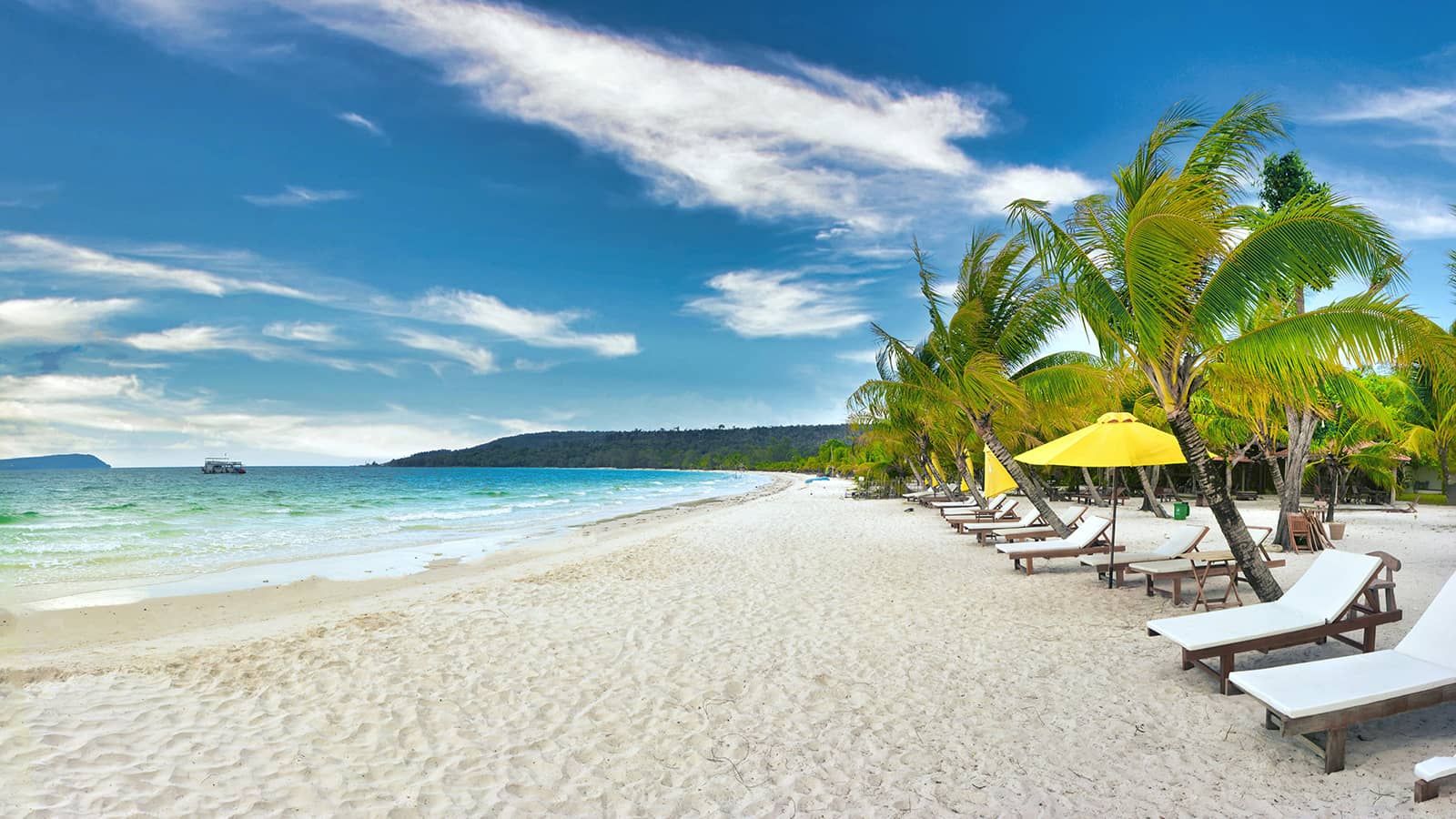
📷 Featured image by Silvia Yohani on Unsplash.