On this page
- Why JB’s Street Food Scene Hits Different
- Morning Must-Eats: Where Locals Actually Breakfast in JB
- The Hawker Centres You Need to Know
- JB-Exclusive Dishes You Won’t Find Anywhere Else in Malaysia
- Night Market and After-Dark Eating
- 2026 Budget Reality: What Street Food Costs in JB Now
- Getting Around to Eat: Navigating JB’s Food Streets
- Day Trip or Overnight?
- Frequently Asked Questions
💰 Click here to see Malaysia Budget Breakdown
💰 Prices updated: October, 2026. Budget figures are estimates — always verify before travel.
Exchange Rate: $1 USD = RM4.08
Daily Budget (per person)
Shoestring: RM100.00 – RM180.00 ($24.51 – $44.12)
Mid-range: RM250.00 – RM450.00 ($61.27 – $110.29)
Comfortable: RM500.00 – RM1,000.00 ($122.55 – $245.10)
Accommodation (per night)
Hostel/guesthouse: RM30.00 – RM60.00 ($7.35 – $14.71)
Mid-range hotel: RM110.00 – RM200.00 ($26.96 – $49.02)
Food (per meal)
Budget meal: RM15.00 ($3.68)
Mid-range meal: RM35.00 ($8.58)
Upscale meal: RM100.00 ($24.51)
Transport
Single metro/bus trip: RM2.00 ($0.49)
Monthly transport pass: RM50.00 ($12.25)
Since the Johor-Singapore Causeway crowd swelled again in 2025 and 2026 — with the RTS Link construction moving into final testing phases — Johor Bahru has become one of the most searched Food destinations in Southeast Asia. Singaporeans cross the border specifically to eat here. That should tell you everything. But if you’re arriving without local knowledge, you risk spending your time at tourist-facing kopitiam replicas instead of the real spots. This guide fixes that.
Why JB’s Street Food Scene Hits Different
JB is not trying to be Penang. It’s not curating itself for Instagram the way parts of KL have. The food culture here is raw, fast, and deeply functional — these are dishes built to feed dockworkers, traders, and cross-border commuters, not food festival crowds. That history lives in every bowl.
What you get in JB is a collision of Johorean Malay royal cuisine traditions, Teochew and Hokkien Chinese immigrant cooking, and a strong Tamil influence from the southern Indian community that settled here generations ago. The result is a street food scene that’s distinct even from other Johor towns like Muar or Batu Pahat.
The other factor: proximity to Singapore keeps prices honest. Vendors here know their customers compare. A bowl that costs MYR 6 in JB might be SGD 8 across the Causeway. That gap drives quality and value simultaneously.
Morning Must-Eats: Where Locals Actually Breakfast in JB
The best breakfast hour in JB is 6:30am to 8:30am. After 9am, the good stuff runs out and prices quietly creep up near tourist zones.
Restoran Huat Kee, Jalan Lumba Kuda
This is a Teochew porridge institution. You sit down to a plain white congee and point at the small plates arranged in front of the counter — salted fish, braised pork belly, century egg, pickled vegetables. The porridge itself is silky and thin, nothing like the thick Cantonese version. Go before 7:30am or you will queue.
Warung Pak Ali, Taman Pelangi area
Nasi lemak cooked by someone who has been doing it since before you were born. The sambal has a dried shrimp depth that most nasi lemak stalls have forgotten to include. The rice is steamed in banana leaf parcels, and you can smell the coconut richness and pandan from the side of the road before you even park. It sells out by 8am most days.
Roti Canai at any Tamil Muslim Mamak near Jalan Wong Ah Fook
JB’s mamak scene is underrated. The roti canai here tends to be crispier at the edges than KL versions, with a slightly chewier centre. Order it kosong (plain) with dhal and a teh tarik that arrives with that thick, foamy pull that only comes from years of practice.
The Hawker Centres You Need to Know
JB has genuine hawker infrastructure. These are not cleaned-up food courts — they’re working centres with rotating stalls and competitive pricing.
Pasar Malam Kempas
Active in the evenings but with a small morning market attached. Known for its variety of Johorean Malay dishes, particularly laksa Johor — which is genuinely different from the Penang version. It uses thick spaghetti-like noodles in a rich fish-based coconut gravy, served with fresh herbs and raw bean sprouts. The textures hit all at once: the chew of the noodles, the crunch of the sprouts, the herbal freshness of daun kesum.
Restoran Sri Bistari, Jalan Serampang
More of a fixed hawker complex than a roving market. The char kway teow stall here is operated by an elderly couple and is among the best in southern Johor. The wok hei is real — you can hear and smell the high-flame cooking from across the room. Order with cockles, always.
Medan Selera Tampoi
A local government-run hawker centre in the Tampoi area, west of the city centre. Less known to visitors, which means fresher rotation of stalls and no premium pricing. Strong for economy rice (nasi campur), asam pedas, and iced desserts.
JB-Exclusive Dishes You Won’t Find Anywhere Else in Malaysia
This is the section that matters most if you’re making the trip specifically to eat.
Asam Pedas Johor
Every state has asam pedas. Johor’s version is built on a specific balance — sourer than Melaka’s, less sweet than Negeri Sembilan’s, and almost always made with ikan pari (stingray) or ikan tenggiri (Spanish mackerel). The gravy is thick and rust-coloured, with torch ginger flower (bunga kantan) floating in it. Eaten with white rice, it’s one of the most complete flavour experiences in Malaysian food.
Mee Rebus JB Style
Mee rebus exists across Malaysia but the JB version uses a sweet potato-based gravy that’s thicker and more intensely sweet-savoury than what you find in KL. It’s topped with boiled egg, green chilli, and a squeeze of lime. Stalls near Jalan Dhoby tend to do this well.
Roti Bakar with Kaya (Johor Style)
JB’s kopitiam toast culture is influenced by both Singaporean and older Johorean Chinese traditions. The kaya here is often coconut-forward rather than egg-forward — greener, more aromatic, and less sweet. Pairing it with thick-cut toast grilled over charcoal is still the default in the old-school kopitiam near Jalan Tan Hiok Nee.
Night Market and After-Dark Eating
JB’s pasar malam culture runs on a rotating schedule across different neighbourhoods on different nights. This matters — there’s no single permanent night market that runs every evening in the same location.
- Monday/Thursday: Taman Johor Jaya pasar malam — largest in the eastern corridor, strong for Malay kuih and grilled meats
- Tuesday/Friday: Taman Pelangi night market — more mixed Chinese and Malay stalls, good satay section
- Saturday night: Jalan Tan Hiok Nee transforms into a street food corridor with craft drinks alongside traditional eats — busier since 2025 tourism uptick
For late-night eating past midnight, the mamak strips near Jalan Stulang Darat operate until 2–3am and serve the full roti and noodle menu without any time premium. The area is busy, well-lit, and frequented by cross-border workers finishing late shifts — a reliable safety signal.
2026 Budget Reality: What Street Food Costs in JB Now
JB remains one of the most affordable cities in Malaysia for street food, though prices have moved since 2024 due to ingredient cost increases and the 2025 minimum wage revision.
- Budget (hawker stall meals): MYR 4–7 per dish. Nasi lemak, roti canai, economy rice, simple noodle soups all fall here.
- Mid-range (kopitiam or hawker centre with drinks): MYR 12–20 for a full meal with beverage. Char kway teow, mee rebus, laksa Johor with a drink land in this range.
- Comfortable (sit-down Johorean restaurants, asam pedas specialists): MYR 25–45 per person for a proper multi-dish meal with rice and drinks.
Night market snacks — grilled corn, kuih, fried items — average MYR 2–5 per piece. A full night market dinner built from multiple stalls typically runs MYR 10–15.
Compare this to 2024 baselines: hawker meals were averaging MYR 3.50–6. The MYR 0.50–1 increase per dish is noticeable across the board but JB still undercuts KL and Penang comfortably.
Getting Around to Eat: Navigating JB’s Food Streets
JB is a driving city. Unlike KL or Penang, there’s no useful light rail network for food exploration — the JB Sentral hub connects you to the Causeway and some bus routes, but the hawker centres that matter are spread across residential zones that don’t map to tourist corridors.
The most practical options in 2026:
- Grab: Fully functional in JB. Use it to hop between hawker centres without parking headaches. Surge pricing is rare outside Causeway peak hours (7–9am, 5–7pm).
- Rented car or self-drive from Singapore: Many visitors drive in. Note that JB City Council parking is now fully cashless in 2026 — use the ParkEasy app or JomParking.
- Food-focused walking in the old city core: Jalan Wong Ah Fook, Jalan Tan Hiok Nee, and the Kotaraya area are all walkable if you’re staying downtown. Morning and evening are manageable on foot; midday heat makes it rough.
Day Trip or Overnight?
If you’re coming from Singapore, a day trip is genuinely enough to hit the major food stops — enter early, eat breakfast, do a hawker lunch, pick up a night market snack, leave by 9pm before the Causeway queues rebuild. The RTS Link, expected to begin full passenger operations in late 2026, will eventually make this even easier, but as of mid-2026 the Causeway and the Second Link (via Tuas) remain the crossing points.
For visitors coming from KL — it’s a 3 to 4 hour drive or a Keretapi Tanah Melayu (KTM) intercity train journey (check updated 2026 schedules, as the ETS service frequency between KL Sentral and JB Sentral increased in early 2026). Overnight makes more sense. One night gives you access to the full rotation: morning kopitiam, hawker lunch, pasar malam, late-night mamak. Two nights is indulgent but lets you cover different neighbourhood markets.
Stay near Jalan Wong Ah Fook or Danga Bay if you want food access without needing a car for every meal. Budget hotels in these areas run MYR 80–130 per night for clean, functional rooms.
Frequently Asked Questions
What is the most famous dish unique to Johor Bahru?
Laksa Johor is the most regionally distinctive dish — thick noodles in a fish-coconut gravy served with fresh herbs. Asam pedas Johor is a close second, particularly the stingray version. Both are genuinely different from versions found elsewhere in Malaysia and are worth seeking out specifically.
Is JB street food safe to eat for first-time visitors?
Yes. JB’s hawker centres and street stalls are held to Malaysian Food Safety and Quality Division standards. Busy stalls with high turnover are always the safer bet — fresh ingredients cycle faster. Avoid stalls with pre-cooked food sitting out in heat for extended periods, which is the same advice that applies anywhere in Malaysia.
Can I use Singapore dollars to pay at JB hawker stalls?
Some accept SGD informally, but the exchange rate applied is usually less favourable than the bank rate. In 2026, DuitNow QR is the dominant payment method and is widely accepted. Bring MYR cash or a card — most stalls now have QR payment options, and Malaysian banks offer straightforward currency exchange near JB Sentral.
What time do JB hawker centres close?
Morning hawker stalls typically wrap up by 11am–1pm. Evening hawker centres open around 5pm and run until 10–11pm. Late-night mamak spots near Jalan Stulang Darat and similar strips operate until 2–3am. Pasar malam nights run roughly 5pm–10pm depending on the location.
How do I find out which pasar malam is on during my visit?
JB’s pasar malam schedule is neighbourhood-specific and runs on set weekly days. The Johor Bahru City Council (MBJB) publishes updated schedules on their official website and Facebook page. Local food bloggers and the JB Food Trail community groups on Facebook are also reliable for real-time updates, especially when schedules shift around public holidays.
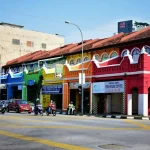
📷 Featured image by Wan Syazwan on Unsplash.