On this page
- The Kinabatangan River — Wildlife Watching Without the Tour Bus Crowds
- Semporna and the Dive Triangle — What’s Changed for Divers in 2026
- Sandakan’s Dark History and Unexpected Food Scene
- The Danum Valley — Sabah’s Most Serious Rainforest
- Getting Around Sabah Beyond KK — Honest Transport Advice
- How to Structure Your East Sabah Itinerary
- 2026 Budget Reality — What It Actually Costs
- Frequently Asked Questions
💰 Click here to see Malaysia Budget Breakdown
💰 Prices updated: October, 2026. Budget figures are estimates — always verify before travel.
Exchange Rate: $1 USD = RM4.08
Daily Budget (per person)
Shoestring: RM100.00 – RM180.00 ($24.51 – $44.12)
Mid-range: RM250.00 – RM450.00 ($61.27 – $110.29)
Comfortable: RM500.00 – RM1,000.00 ($122.55 – $245.10)
Accommodation (per night)
Hostel/guesthouse: RM30.00 – RM60.00 ($7.35 – $14.71)
Mid-range hotel: RM110.00 – RM200.00 ($26.96 – $49.02)
Food (per meal)
Budget meal: RM15.00 ($3.68)
Mid-range meal: RM35.00 ($8.58)
Upscale meal: RM100.00 ($24.51)
Transport
Single metro/bus trip: RM2.00 ($0.49)
Monthly transport pass: RM50.00 ($12.25)
Most people who fly into Kota Kinabalu spend their entire Sabah trip within 60 kilometres of the city — Mount Kinabalu, Tunku Abdul Rahman Park, maybe a sunset cruise. That’s fine, but it means they miss the state that Sabahans themselves consider the real Sabah. In 2026, with the upgraded Lahad Datu Airport now handling more domestic connections and Grab coverage extending to Sandakan, independent travel Through the interior and east coast has become genuinely accessible for the first time. The challenge is no longer getting there — it’s knowing what to prioritise when you only have limited days.
The Kinabatangan River — Wildlife Watching Without the Tour Bus Crowds
The Kinabatangan is Sabah’s longest river and one of the few places on Earth where you can see wild proboscis monkeys, pygmy elephants, saltwater crocodiles, and orangutans within a single morning. Sounds like a brochure claim, but it isn’t. The lower Kinabatangan floodplain is genuinely one of the most biodiverse corridors in Southeast Asia, and unlike Danum Valley, it doesn’t require a research permit or a hefty conservation fee to access.
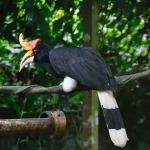
The base town is Sukau, about 130 kilometres from Sandakan. Most lodges operate two river cruises daily — one at dusk and one at dawn. The dusk cruise is the one worth losing sleep over. As the boat idles along the riverbank, the jungle canopy erupts: long-tailed macaques screaming overhead, hornbills cutting low across the copper water, and if you’re positioned right, a family of proboscis monkeys crashing through the riverside vegetation with that extraordinary, prehistoric-looking nose leading the way. The air smells of damp earth and rotting wood, thick and warm even at 6pm.
The crowds issue is real but manageable. Peak season runs July to September when river levels are low and wildlife congregates. To avoid the convoy of identical tour boats, book directly with a Sukau-based lodge rather than through a KK operator — operators like Sukau Rainforest Lodge or the more budget-friendly community guesthouses along the river bank have their own boats and don’t synchronise departure times with the big groups. Weekday visits make a significant difference.
Semporna and the Dive Triangle — What’s Changed for Divers in 2026
Semporna is the jumping-off point for Sipadan, Mabul, Kapalai, and the broader Celebes Sea dive corridor. Sipadan remains one of the top five dive sites on the planet by almost any measure — the vertical wall dropping hundreds of metres into blue, the green turtles so numerous they become unremarkable by day two, the barracuda tornadoes at Barracuda Point that divers describe as genuinely disorienting. Permits are still capped at 120 divers per day across all operators.
What’s changed in 2026 is the permit allocation system. Malaysia Tourism restructured the Sipadan permit lottery in early 2025 following complaints about favouritism toward large operators. Independent dive resorts on Mabul now get a fairer share of permits, which means booking a smaller, locally-run dive resort on Mabul can actually yield better permit luck than going through a big KK travel agency. Confirm your operator’s 2026 permit allocation before paying any deposit.
Mabul itself is worth treating as a destination rather than just a Sipadan staging post. Muck diving here — slow, shallow dives hunting for mimic octopus, flamboyant cuttlefish, and hairy frogfish — is world-class. The water visibility in the shallows around Mabul’s jetties can be poor, but dedicated muck sites like Froggy Lair and Ray Point are consistently excellent.
Semporna town has a functional waterfront with a cluster of seafood restaurants above the water on wooden stilts. The town isn’t pretty, but the freshness of the seafood is absurd — tiger prawns, mud crabs, and reef fish landed same-day at prices far below what you’d pay in KK.
Sandakan’s Dark History and Unexpected Food Scene
Sandakan doesn’t try to be charming and that honesty is refreshing. It’s a working port city with peeling shophouses, a chaotic central market, and a history that most Malaysians learn in school but foreign visitors rarely know: Sandakan was the site of the Sandakan Death Marches of 1945, where Australian and British POWs were force-marched through the jungle by Japanese forces. Of approximately 2,500 prisoners, only six survived.
The Sandakan Memorial Park sits on the site of the original POW camp and is maintained with quiet dignity. It’s not a large site, but the physical space — shaded trees, careful signage, the crumbling brick foundations of the camp buildings — creates a weight that stays with you. The Australian government contributes to its upkeep. It’s worth two hours of anyone’s trip.
The food scene is the surprise. Sandakan has a well-documented dim sum culture that locals will tell you rivals Kuala Lumpur’s, and they’re not wrong. The city’s Cantonese and Hakka communities established themselves here in the late 19th century during the timber trade, and their culinary legacy is serious. Along Jalan Leila and around the central market area, morning dim sum sessions at places like Sim Sim Seafood Restaurant or the open-air coffee shops near the waterfront run from 6am until sellout — usually by 10am. The har gow skins are thinner here than anything you’ll find in KK, and the char siu bao come out of the oven still blistering.

The Danum Valley — Sabah’s Most Serious Rainforest
If the Kinabatangan is Sabah’s accessible wildlife corridor, Danum Valley is its cathedral. This is 438 square kilometres of primary lowland dipterocarp forest — ancient, unlogged, and managed by Yayasan Sabah as a conservation area. Access is controlled. You stay at either the Borneo Rainforest Lodge (high-end) or the Danum Valley Field Centre (research station with basic chalet accommodation for non-researchers).
Walking the trails here at night with a guide — torch beams cutting through absolute blackness, the forest floor alive with flying squirrels, civets, and the occasional Malay sun bear trundling across the path — is unlike any nature experience in peninsular Malaysia. The scale of the trees is the first thing you notice during the day: the canopy walkway at Borneo Rainforest Lodge sits 26 metres above the forest floor and you are still not at the top of the canopy. Hornbills cross overhead like something from another era.
Getting to Danum Valley requires either a pre-arranged transfer from Lahad Datu (about 85 kilometres on a sealed road) or joining a lodge transfer. Independent driving is not permitted inside the reserve. The upgraded Lahad Datu Airport now has direct connections from KK three times daily as of January 2026, cutting what used to be a punishing journey significantly.
Getting Around Sabah Beyond KK — Honest Transport Advice
The honest picture: Sabah’s interior has no viable rail network, and intercity bus connections are improving but still slow. The east coast is long — Kota Kinabalu to Semporna is roughly 690 kilometres and takes 10–12 hours by bus through Lahad Datu, or under 2 hours by flying. For anyone with limited time, flying is not a luxury — it is the only rational choice between KK and the east coast.
MASwings operates the critical domestic routes: KK to Sandakan, KK to Lahad Datu, KK to Semporna (Tawau Airport). Fares fluctuate but budget MYR 130–300 one-way depending on lead time. Book at least two weeks out; east coast routes sell out on school holidays and long weekends.
Within Sandakan and Semporna, Grab operates as of mid-2025. Taxis remain available but negotiation is required — agree the fare before you get in. For the Kinabatangan, shared minivans from Sandakan to Sukau depart from the Sandakan bus terminal and cost around MYR 25–35 per person depending on the season and whether the van is full.
Car hire is available in Sandakan and is the most flexible option for the Lahad Datu to Danum Valley stretch — just note that the road into Danum requires a 4WD during and after heavy rain.
How to Structure Your East Sabah Itinerary
Nothing on the east coast works as a day trip from KK — the distances are too large. East Sabah deserves its own dedicated block of days rather than being bolted onto a KK-centred itinerary. A realistic minimum structure:
- 3 nights minimum for Kinabatangan: Two nights allows two dusk and two dawn cruises, which gives you a realistic chance of good wildlife sightings. Three nights is better.
- 2 nights minimum for Semporna/Sipadan diving: Though serious divers typically stay 4–5 nights to maximise permit opportunities.
- 2 nights minimum for Danum Valley: One night is possible but rushed. The magic of Danum happens on the second full day when you’ve tuned into the forest’s rhythm.
- Sandakan works as a transit hub: One night between the Kinabatangan and your next destination, with a morning dim sum session and an afternoon at the memorial.
A 7-night east Sabah trip is the sweet spot: fly KK–Sandakan, overnight in Sandakan, transfer to Sukau for 2 nights, back to Sandakan, fly to Lahad Datu for Danum Valley (2 nights), then fly to Tawau for Semporna (2 nights), fly back to KK. It’s logistically demanding but deeply rewarding.
2026 Budget Reality — What It Actually Costs
Sabah is not cheap compared to peninsular Malaysia, and the east coast adds a further premium because of transport distances and conservation fees.
Accommodation
- Budget: Guesthouses in Semporna or Sandakan — MYR 60–120 per night for a basic private room
- Mid-range: Sukau community lodges or Mabul dive resorts — MYR 200–450 per night including meals and river/boat activities
- Comfortable: Borneo Rainforest Lodge (Danum Valley) — MYR 900–1,400 per night per person including full board and guided activities
Activities
- Kinabatangan river cruises (included with most lodge packages, or MYR 60–90 per session if booked separately)
- Sipadan diving: MYR 350–550 per day including two dives, permit fees, and equipment
- Danum Valley guided night walk: MYR 80–120 per person
- Sandakan Memorial Park: free entry
Food
- Sandakan hawker centres and coffee shops: MYR 8–20 per meal
- Semporna seafood restaurants: MYR 30–80 per person with dishes to share
- Lodge full board (Kinabatangan, Danum): typically included in package price
Domestic Flights
- KK to Sandakan: MYR 130–220 one-way
- KK to Lahad Datu: MYR 150–260 one-way
- Tawau to KK: MYR 140–250 one-way
A realistic budget for a 7-night east Sabah trip including flights within Sabah, mid-range lodging, and activities sits at MYR 3,500–5,500 per person. The Danum Valley pushes this higher. Budget travellers staying in guesthouses and skipping Sipadan can manage MYR 1,800–2,500.
Frequently Asked Questions
Is east Sabah safe to visit in 2026?
The Malaysian government lifted the formal travel advisory for the Semporna/Lahad Datu zone in 2023 after extended security operations. As of 2026, the east coast is considered safe for tourism. Standard precautions apply — stay with organised boat transfers at sea and follow lodge guidance on movement outside town centres after dark.
Do I need to book Sipadan permits in advance?
Yes. Permits are capped at 120 per day across all operators. Your dive resort manages the permit application — you cannot apply independently. Confirm your operator has an active 2026 permit allocation before paying a deposit, and book at least 4–6 weeks ahead during peak season (July–September).
What is the best time of year to visit the Kinabatangan River?
March to October is generally best, with July to September offering the lowest water levels and highest wildlife concentration on the riverbanks. November to February brings heavy rainfall and sometimes flooding that can disrupt river cruises. Wildlife is present year-round; it’s sighting conditions that vary.
Can I visit Danum Valley without booking a lodge?
No. All access to Danum Valley Conservation Area is managed through Yayasan Sabah and requires accommodation at either Borneo Rainforest Lodge or the Field Centre chalets. Walk-in access is not permitted. The Field Centre is significantly cheaper and caters to researchers and serious nature travellers; advance booking is essential.
How many days should I plan for east Sabah overall?
Seven nights is the practical minimum to cover Sandakan, Kinabatangan, and Danum Valley meaningfully, or to combine Kinabatangan with Semporna diving. Trying to compress east Sabah into 3–4 days results in spending most of your time in transit and missing the depth that makes the region worth the journey.