On this page
- How Tipping Works in Malaysia (and Why It’s Different Here)
- The Service Charge and SST Breakdown — What You’re Already Paying
- When a Tip Is Actually Appreciated (Situation by Situation)
- Cash in Malaysia — Why You Still Need It in 2026
- Digital Payments and E-Wallets for Daily Spending
- Using ATMs, Money Changers, and Getting the Best Rates
- 2026 Budget Reality — What Things Actually Cost
- Common Mistakes Travelers Make With Money in Malaysia
- Frequently Asked Questions
💰 Click here to see Malaysia Budget Breakdown
💰 Prices updated: October, 2026. Budget figures are estimates — always verify before travel.
Exchange Rate: $1 USD = RM4.08
Daily Budget (per person)
Shoestring: RM100.00 – RM180.00 ($24.51 – $44.12)
Mid-range: RM250.00 – RM450.00 ($61.27 – $110.29)
Comfortable: RM500.00 – RM1,000.00 ($122.55 – $245.10)
Accommodation (per night)
Hostel/guesthouse: RM30.00 – RM60.00 ($7.35 – $14.71)
Mid-range hotel: RM110.00 – RM200.00 ($26.96 – $49.02)
Food (per meal)
Budget meal: RM15.00 ($3.68)
Mid-range meal: RM35.00 ($8.58)
Upscale meal: RM100.00 ($24.51)
Transport
Single metro/bus trip: RM2.00 ($0.49)
Monthly transport pass: RM50.00 ($12.25)
Malaysia confuses a lot of first-time visitors when it comes to money. They arrive expecting to tip like they do in the United States or Europe, then feel guilty when the hawker stall auntie looks confused at the extra coins left on the table. Or they pull out a card at a pasar malam and get waved away. In 2026, Malaysia’s payment landscape has changed significantly — digital wallets are everywhere, contactless cards work at most malls, and yet cash is still king the moment you step off the main roads. This guide cuts through the confusion and tells you exactly what to do, where, and how much.
How Tipping Works in Malaysia (and Why It’s Different Here)
The short answer: tipping is not expected in Malaysia. It is not part of the local service culture, and most Malaysians do not tip when they eat out, take a taxi, or stay in a hotel. Service staff are paid a fixed wage, and there is no social contract — like there is in the United States — where tips make up a core part of someone’s income.
This is not about being cheap. It is simply how things work here. Leaving a large tip at a hawker stall will often result in the server chasing you down to return the money, thinking you forgot your change. At a mamak restaurant — those beloved 24-hour Indian-Muslim joints where roti canai arrives hot and flaky at the table — the expectation is that you pay the bill and walk out. No tip necessary.
That said, tipping is not offensive. If you receive genuinely excellent service and want to leave a small amount, it will be received warmly. The key word is small. This is not a country where you calculate 18% and hand it over as a social obligation. Think of it as a personal gesture, not a rule.
The Service Charge and SST Breakdown — What You’re Already Paying
Here is where many travelers feel blindsided. You order a bowl of laksa listed at RM18 on the menu, and the bill comes to over RM20. What happened?
Most sit-down restaurants, hotel dining outlets, and mid-range to upscale cafes in Malaysia automatically add two charges to your bill:
- 10% Service Charge (SC): This is distributed among the restaurant’s service staff. It functions similarly to a mandatory gratuity.
- 6% Sales and Service Tax (SST): This is a government tax applied to most food, beverages, hotel stays, and services.

The way the math works: the service charge is added to your subtotal first, and then the 6% SST is applied on top of that combined figure. So a RM100 meal becomes RM110 after the service charge, and then RM116.60 after SST. Your final bill is roughly 16.6% higher than what the menu shows.
The bill will usually print something like “+ 10% SC + 6% SST” on the menu or at the bottom of the receipt. If you see this, you have already tipped — officially and automatically. There is absolutely no need to leave additional cash on the table.
Hawker stalls, kopitiam coffee shops, and budget eateries generally do not add these charges. What you see on the board is what you pay. These are the places where the question of tipping is most straightforwardly answered: don’t.
When a Tip Is Actually Appreciated (Situation by Situation)
There are moments when leaving a small tip genuinely makes sense. Here is a practical breakdown by situation:
Restaurants Without a Service Charge
If you had a great meal at a casual restaurant and no service charge was added to the bill, rounding up the total or leaving RM5 to RM10 is a thoughtful gesture. Do this in cash, handed directly to the server. There is rarely a tip line on card payment terminals in Malaysia.
Hotel Bellhops and Housekeeping
Carrying luggage up to your room, arranging an airport transfer, or keeping your room spotless throughout a week-long stay — these are situations where RM2 to RM5 is appropriate. It is optional, but it will be genuinely appreciated, particularly at mid-range hotels where staff work long shifts for modest wages.
Taxi Drivers
For metered or street-hailed taxis, rounding up to the nearest Ringgit is a common enough gesture. If your fare is RM13.50, paying RM14 and telling the driver to keep the change is fine. For Grab drivers, the most impactful thing you can do is give a five-star rating and a written compliment in the app — this affects their standing on the platform far more than cash.

Tour Guides and Private Drivers
If you hire a private guide for a full-day trip — say, through the Cameron Highlands tea plantations or a boat tour through the mangroves of Langkawi — a tip of RM20 to RM50 for excellent service is appropriate and will be warmly received. These workers often depend on tourism income and work irregular hours.
Hawker Stalls and Food Courts
Never tip. Pay the exact amount, or let them keep change of a few sen. That is the full extent of it.
Cash in Malaysia — Why You Still Need It in 2026
Despite the rapid spread of digital payments, cash remains essential in Malaysia. The moment you leave Kuala Lumpur, Penang, or Johor Bahru, you will encounter places where a card or QR code gets you nothing but a blank stare.
Rural towns, jungle lodges, traditional wet markets, night markets (pasar malam), small kedai runcit corner shops, and local bus services frequently operate on cash only. Even within cities, many hawker stalls run by older vendors still prefer notes and coins. Arriving at a pasar pagi morning market with only your Wise card is going to be a problem.
Malaysian Ringgit banknotes come in denominations of RM1, RM5, RM10, RM20, RM50, and RM100. Coins run from 5 sen to 50 sen (100 sen = RM1). The 1 sen coin was phased out, and prices are rounded to the nearest 5 sen. Keep a supply of smaller notes — RM5 and RM10 — for hawker stalls and market vendors who struggle to break RM50 notes early in the morning.
Digital Payments and E-Wallets for Daily Spending
For urban spending, Malaysia’s digital payment ecosystem in 2026 is genuinely impressive. Here are the main tools worth knowing:
Touch ‘n Go eWallet
The most versatile app for travelers. The Touch ‘n Go eWallet (available at touchngo.com.my) works for public transport on the LRT, MRT, KTM Komuter, and Monorail in Kuala Lumpur, as well as highway tolls, parking, and retail purchases at millions of merchants via DuitNow QR. International travelers can top it up using a Visa or Mastercard — note that a processing fee of around 1% to 2% of the top-up amount may apply for international cards. Basic accounts support a wallet balance up to RM5,000, which is more than enough for most trips.
GrabPay
Built into the Grab app, which most travelers will already be using for ride-hailing. You can link your international Visa or Mastercard directly to Grab and pay for rides and food delivery without any separate top-up. This is the most friction-free option for newcomers.

DuitNow QR
Malaysia’s national QR payment standard means one QR code works across all participating banks and e-wallets. In 2026, DuitNow QR is accepted at most retail shops, restaurants, and increasingly at hawker food courts. Travelers from Singapore, Thailand, Indonesia, and China can scan DuitNow QR codes directly using PayNow, PromptPay, QRIS, Alipay, or WeChat Pay respectively. The official site is duitnow.com.my.
Contactless Bank Cards
Visa and Mastercard contactless payments are accepted at supermarkets like AEON, Lotus’s, and Jaya Grocer, at most hotels, pharmacies, and petrol stations. Since 2024, direct contactless card tapping at KL’s LRT and MRT turnstiles has expanded significantly — in 2026, most lines on the integrated Klang Valley network accept a direct tap from your bank card, removing the need for a separate Touch ‘n Go card for public transport.
Using ATMs, Money Changers, and Getting the Best Rates
When you need cash, Maybank, CIMB, and Public Bank ATMs are the most reliable options. They are found in shopping malls, petrol stations, and town centres across the country. The standard fee charged by Malaysian banks for international card withdrawals is RM12.00 per transaction — this is on top of whatever fee your home bank charges. To avoid losing money to fees, withdraw larger amounts less frequently rather than making multiple small withdrawals.
Licensed money changers consistently offer better rates than airport kiosks or banks. You will find them in shopping malls and tourist areas in every major city. Always look for the official license displayed at the counter, and compare two or three changers before exchanging a large amount. Never exchange money with unlicensed street touts — the risk of counterfeit notes or short-changing is real.
For travelers who want to minimise foreign transaction fees entirely, cards like Wise (formerly TransferWise) and Revolut are popular choices in 2026 — they convert at interbank rates with minimal markup. These are worth setting up before you arrive.
2026 Budget Reality — What Things Actually Cost
Here is a realistic sense of daily spending in Malaysia, broken into tiers:
Budget Travel (RM80–RM150 per day)
- Hostel dorm bed: RM35–RM60 per night
- Hawker meals: RM5–RM12 per meal
- Public transport (LRT/MRT/bus): RM2.50–RM6 per trip
- Grab motorcycle (GrabBike) in KL: RM4–RM10 per ride
- Tipping budget: RM0 — not needed at this spending level

Mid-Range (RM200–RM400 per day)
- 3-star hotel or boutique guesthouse: RM120–RM220 per night
- Casual restaurant meals (with SST and SC): RM25–RM60 per meal
- Grab car rides: RM12–RM30 per trip within the city
- Optional tip for hotel bellhop: RM5
Comfortable Travel (RM500+ per day)
- 4–5 star hotel: RM300–RM700+ per night
- Fine dining (full service charge and SST included in bill): RM100–RM250 per person
- Private driver for day trips: RM200–RM350 (tip of RM30–RM50 appropriate for excellent service)
- Spa treatments: RM80–RM250; no tipping required, service charge usually included
The single biggest money-saving move in Malaysia at any budget level: eat at hawker stalls and kopitiams. A plate of char kway teow — flat rice noodles fried with egg, bean sprouts, and smoky wok hei — costs around RM8 to RM12 at a good Penang stall. A hotel restaurant would charge RM35 for the same thing with a service charge on top.
Common Mistakes Travelers Make With Money in Malaysia
- Tipping at hawker stalls: Confusing, unnecessary, and sometimes causes the vendor to think you miscounted.
- Paying double service: Adding a cash tip on top of a bill that already has a 10% service charge means you are paying for service twice.
- Arriving cashless: Especially problematic if you land at night and head straight to a budget guesthouse or take a non-Grab taxi.
- Using airport money changers without comparing rates: Rates at KLIA arrival halls are consistently worse than rates in KL city. Change only a small amount to cover your immediate transport, then find a licensed money changer in the city.
- Making many small ATM withdrawals: Each withdrawal costs RM12.00 from the Malaysian bank side alone. Four small withdrawals of RM100 each costs RM48 in fees — nearly 12% of the cash received.
- Assuming all hawker stalls take QR payment: Even in 2026, many traditional stalls run by older vendors are cash only. The DuitNow QR sticker on the wall does not always mean the owner knows how to check the notification.
Frequently Asked Questions
Is tipping expected at restaurants in Malaysia?
No. Tipping is not part of Malaysian dining culture. Most restaurants add a 10% service charge directly to the bill, which is distributed among staff. If no service charge is applied and the service was excellent, rounding up or leaving RM5 to RM10 is appreciated but entirely optional.

Do I need cash in Malaysia or can I use cards everywhere?
You need both. Contactless cards and e-wallets work well in cities, malls, and most mid-range restaurants. However, hawker stalls, wet markets, rural towns, and local buses frequently require cash. Always carry at least RM50 to RM100 in small denominations when exploring outside urban centres.
What is the best way to pay for public transport in Kuala Lumpur?
The Touch ‘n Go eWallet or a physical Touch ‘n Go card works across the LRT, MRT, KTM Komuter, and Monorail. In 2026, direct contactless bank card tapping is also available at most Klang Valley transit turnstiles, so you can tap your Visa or Mastercard directly without needing a separate card.
How much does it cost to withdraw cash from a Malaysian ATM with a foreign card?
Malaysian banks charge a flat fee of RM12.00 per transaction for international card withdrawals. Your home bank may add its own foreign ATM fee on top of this. To reduce costs, withdraw larger amounts less frequently. Maybank, CIMB, and Public Bank ATMs are reliable choices.
Can I use Google Pay or Apple Pay in Malaysia?
Yes, at merchants that accept contactless Visa or Mastercard payments — which includes most supermarkets, chain restaurants, hotels, and pharmacies in 2026. However, Google Pay and Apple Pay do not work on public transport gates or at DuitNow QR terminals. For those, you need a Touch ‘n Go eWallet or a physical Touch ‘n Go card.
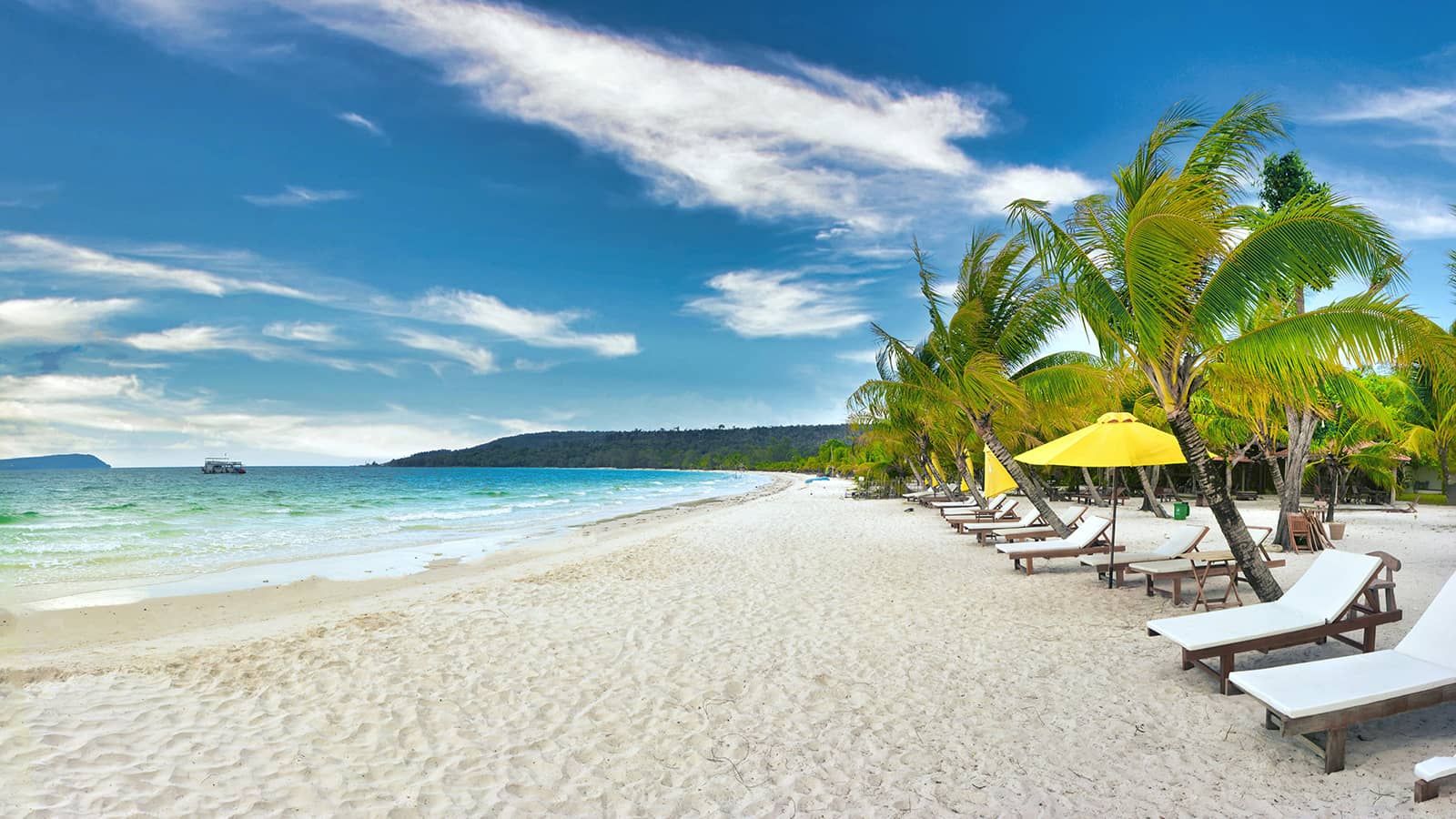
📷 Featured image by LingXing Lee on Unsplash.