On this page
- Langkawi Shopping in 2026: The Duty-Free Advantage Is Still Real — If You Know Where to Look
- Understanding Duty-Free Status: What It Actually Means Here
- Where to Actually Shop: The Best Areas and Centres
- Alcohol, Chocolate, and Tobacco: Where the Real Savings Are
- Local Souvenirs That Are Actually From Langkawi
- Gold, Silver, and Cosmetics: Duty-Free Beauty and Jewellery
- Pasar Malam and Wet Markets: The Real Local Experience
- Beachwear, Fashion, and Resort Wear
- Budget Breakdown: What Shopping Actually Costs
- Practical Tips for Getting the Most from Langkawi Shopping
- Frequently Asked Questions
💰 Click here to see Malaysia Budget Breakdown
💰 Prices updated: October, 2026. Budget figures are estimates — always verify before travel.
Exchange Rate: $1 USD = RM4.08
Daily Budget (per person)
Shoestring: RM100.00 – RM180.00 ($24.51 – $44.12)
Mid-range: RM250.00 – RM450.00 ($61.27 – $110.29)
Comfortable: RM500.00 – RM1,000.00 ($122.55 – $245.10)
Accommodation (per night)
Hostel/guesthouse: RM30.00 – RM60.00 ($7.35 – $14.71)
Mid-range hotel: RM110.00 – RM200.00 ($26.96 – $49.02)
Food (per meal)
Budget meal: RM15.00 ($3.68)
Mid-range meal: RM35.00 ($8.58)
Upscale meal: RM100.00 ($24.51)
Transport
Single metro/bus trip: RM2.00 ($0.49)
Monthly transport pass: RM50.00 ($12.25)
Langkawi Shopping in 2026: The Duty-Free Advantage Is Still Real — If You Know Where to Look
With Malaysia’s tourism numbers rebounding hard through 2025 and into 2026, Langkawi has seen a surge of day-trippers from the mainland and Singapore who come specifically to load up on cheap alcohol, chocolate, and cigarettes. That’s created a new problem: the most touristy shops near Pantai Cenang and Kuah Jetty have quietly inflated their prices, knowing that most visitors don’t comparison shop. The duty-free savings are absolutely still there — sometimes dramatic savings — but you need to know which shops are genuinely competitive and which are coasting on the island’s tax-free reputation. This guide cuts through that.
Understanding Duty-Free Status: What It Actually Means Here
Langkawi is one of Malaysia’s designated duty-free islands under the Free Trade Zone Act, alongside Tioman and Labuan. That means most goods sold here are exempt from Malaysia’s sales tax, excise duties, and in some categories, import duties. In practice, this makes the biggest difference on alcohol, tobacco, and chocolate — categories that carry heavy taxes on the mainland.
The legal allowance for travellers leaving Langkawi back to Peninsular Malaysia as of 2026 is:
- Alcohol: 1 litre per person, duty-free. Anything above this is technically subject to duty at the ferry terminal or airport.
- Tobacco: 200 cigarettes (one carton) or 225g of tobacco per person.
- Chocolate and confectionery: No formal limit for personal consumption, but customs officers can use discretion if quantities look commercial.
- Other goods: MYR 500 worth of goods per person if returning by sea, MYR 400 by air — this applies to items like electronics and clothing.
These allowances apply per trip. There’s no “banking” of unused allowance across trips. Enforcement at Kuah Jetty has tightened in 2026 — the Royal Malaysian Customs Department added scanning equipment at the ferry terminal in late 2025. Don’t try to sneak extra bottles.
Where to Actually Shop: The Best Areas and Centres
Kuah Town
Kuah is Langkawi’s main town and the commercial hub for serious shopping. The strip along Jalan Persiaran Putra near the Kuah Jetty area is lined with duty-free shops, and this is where you’ll find the most competition — which means better prices. Shops like Zon Duty Free and Happy Duty Free are enormous warehouse-style spaces with row upon row of liquor, chocolate, and cigarettes. Walking between three or four of these stores and comparing prices takes 20 minutes and can save you MYR 30–50 on a bottle of whisky.
Cenang Mall and Pantai Cenang Strip
Cenang Mall is a modest air-conditioned shopping centre right in the heart of Pantai Cenang. It’s convenient if you’re staying in the Cenang beach area, but prices here run about 10–15% higher than Kuah town for the same products. Use it for small purchases, sunscreen, or beach supplies. The shops lining Jalan Pantai Cenang itself are better for resort wear, sarongs, and gifts.
Langkawi Fair Shopping Mall
Located in Kuah near the eagle statue roundabout, Langkawi Fair is a mid-sized mall with a mix of duty-free shops, local clothing, food outlets, and a supermarket. It’s more relaxed than the dense Kuah strip and has good coverage for chocolate and cosmetics. The supermarket in the basement is worth a visit for local snacks and groceries at genuinely local prices.
Oriental Village (Burau Bay)
Sitting at the foot of the cable car in the northwest of the island, Oriental Village is more of a tourist attraction than a serious shopping destination. You’ll find craft shops, batik, and a few boutiques. Prices reflect the tourist traffic. Worth a browse if you’re already there for the cable car, but don’t make a special trip for shopping alone.
Alcohol, Chocolate, and Tobacco: Where the Real Savings Are
This is why most people come to Langkawi with an extra bag. The price differences versus Peninsular Malaysia supermarkets and liquor shops are significant:
- Johnny Walker Black Label (1 litre): MYR 95–115 in Langkawi vs MYR 200+ on the mainland
- Absolut Vodka (1 litre): MYR 65–80 in Langkawi vs MYR 140–160 on the mainland
- Heineken 24-can pack: MYR 60–75 in Langkawi vs MYR 110–130 on the mainland
- Marlboro (1 carton, 10 packs): MYR 50–65 in Langkawi vs MYR 110–130 on the mainland
- Toblerone 400g: MYR 18–22 in Langkawi vs MYR 35–40 on the mainland
- Cadbury selection boxes: MYR 25–40 depending on size
For chocolate specifically, Zon Duty Free in Kuah has the widest selection — European brands like Lindt, Ferrero Rocher, and Guylian are stacked floor to ceiling. The smell of cocoa hits you as soon as you walk through the automatic doors. Prices are marked clearly, and the shop runs seasonal promotions. Check the expiry dates on chocolate, especially on products that look like they’ve been sitting on lower shelves for a while.
For alcohol, the warehouse shops along the Kuah Jetty strip offer the best prices on standard international brands. If you want craft gin, premium single malts, or less common labels, try the duty-free shops at Langkawi International Airport departures — selection is smaller but quality is more curated.
Local Souvenirs That Are Actually From Langkawi
Past the alcohol and chocolate, Langkawi has a genuine local craft scene — you just have to work a bit to find it among the mass-produced keychains and magnets stamped “Langkawi” that were clearly manufactured in bulk somewhere far away.
Things worth buying that have real local provenance:
- Eagle figurines: The eagle (helang in Malay) is Langkawi’s symbol. Hand-carved wooden eagles from local craftspeople are genuinely made on the island — look for them at smaller stalls in Kuah’s covered market area rather than the tourist strip. Expect to pay MYR 45–120 depending on size and detail.
- Batik fabric and clothing: Quality batik (hand-stamped or hand-painted, not screen-printed) from Kedah-style craftspeople is available at a few dedicated batik shops in Kuah. Authentic pieces cost MYR 60–200. Anything under MYR 30 for a “batik” sarong is almost certainly machine-printed polyester.
- Gula Melaka (palm sugar): Local Kedah-style palm sugar from the markets. Dark, fragrant, earthy — nothing like the refined sugar sold in tourist packaging. Buy from the wet market in Kuah for the real thing, sold in cylinders wrapped in dried leaves. MYR 5–10 per piece.
- Belacan (shrimp paste): Kedah-made belacan is excellent. Buy it vacuum-sealed if you’re flying — customs in most countries prohibit unsealed fermented seafood products.
- Handmade jewellery: A few local artisans work with sea glass, shells, and silver at Pantai Cenang’s craft stalls. These are genuinely handmade and unique. Prices from MYR 20–80.
Gold, Silver, and Cosmetics: Duty-Free Beauty and Jewellery
Gold jewellery is sold at several shops in Kuah, and because gold sold in Malaysia follows international spot pricing, the duty-free status means you avoid the GST-equivalent charges that apply on the mainland (Malaysia reintroduced a modified goods tax framework in 2025 that affects jewellery retail on the mainland). The savings on a significant gold purchase — say, a necklace or bracelet — can run MYR 100–400.
Look for shops displaying the “999” or “916” gold purity certification. Don’t buy gold from unlicensed market stalls. Reputable jewellery shops in Langkawi Fair and Kuah town will provide proper receipts and certificates.
For cosmetics, duty-free shops stock international brands — Estée Lauder, Clinique, Lancôme, MAC — at prices around 15–25% below Peninsular Malaysia retail. The selection isn’t as wide as Kuala Lumpur airport, but the prices are competitive. Langkawi Fair has a dedicated beauty section with trained staff.
Pasar Malam and Wet Markets: The Real Local Experience
Langkawi’s night markets (pasar malam) operate on a rotating schedule across different villages. In 2026, the main ones to know:
- Kuah Night Market: Wednesday and Saturday evenings, starting around 5:30pm along Jalan Bukit Besar. This is the largest pasar malam on the island — food stalls, fresh produce, clothing, household items. The smell of grilled fish and coconut rice drifts across the whole street by 6pm.
- Padang Matsirat Night Market: Tuesday evenings. Smaller, more local, less tourist traffic. Better for local snacks and cheap clothing.
- Pantai Cenang Market: A smaller daily craft market along the beach strip, running afternoon to evening. More tourist-focused — good for gifts and beach items.
The Kuah wet market (pasar basah), operating every morning from around 6:30am to 11am, is where locals buy fresh seafood, vegetables, and dry goods. It’s not a souvenir market, but if you have kitchen access at your accommodation, the seafood prices — caught locally in the Andaman Sea — are dramatically cheaper than anywhere on the mainland. Fresh crab, prawns, and reef fish are sold by weight and the morning crowd moves fast.
Beachwear, Fashion, and Resort Wear
Langkawi isn’t KL — don’t expect cutting-edge fashion. What you will find is a solid range of resort wear, swimwear, linen shirts, and casual beach clothing at prices that make sense for a holiday island.
The Pantai Cenang strip has the highest concentration of small boutiques and beach shops. Linen shirts and cotton resort wear run MYR 35–90. Swimwear from mid-range beach boutiques is MYR 50–180. Branded sportswear shops in Cenang Mall carry Speedo and local brands like Tri-Fit.
For bargain hunting on fashion, the night markets and the covered stalls in Kuah town sell casual clothing at MYR 15–40 per piece — not designer, but fine for beach days. Sarongs (kain pelikat) are everywhere; good quality cotton ones go for MYR 20–35.
If you want something with actual Malay craft in it — hand-embroidered baju kurung fabric, traditional songket weave — you’ll need to look specifically in dedicated craft shops in Kuah. These aren’t mass-market and prices reflect the skill involved: MYR 120–400 for quality pieces.
Budget Breakdown: What Shopping Actually Costs
Budget Shopper (MYR 100–300 per person)
- One carton of cigarettes: MYR 55–65
- 2–3 bars of premium chocolate: MYR 30–50
- A few sarongs or cheap clothing items: MYR 40–80
- Small gifts and keychains: MYR 20–40
Mid-Range Shopper (MYR 300–800 per person)
- 1 litre of mid-range spirits: MYR 80–120
- Chocolate box selection: MYR 60–100
- Quality batik clothing or resort wear: MYR 100–200
- A piece of silver jewellery: MYR 80–150
- Local crafts and souvenirs: MYR 50–100
Comfortable/Splurge Shopper (MYR 800–2,500+ per person)
- Premium single malt or cognac: MYR 200–600
- Gold jewellery: MYR 500–2,000+
- High-end cosmetics: MYR 200–500
- Quality batik or songket fabric: MYR 200–400
- Multiple chocolate and liquor gifts: MYR 150–300
Practical Tips for Getting the Most from Langkawi Shopping
Timing matters: Duty-free shops in Kuah are busiest on weekends and public holidays when day-trippers from Penang and KL arrive en masse. If you want space to browse and staff attention, shop on weekday mornings. Shops open around 9:30–10am and most close by 9–10pm.
Payment: Most duty-free shops accept Visa, Mastercard, and Touch ‘n Go eWallet. Cash (MYR) is accepted everywhere. Some smaller market stalls only take cash. There are ATMs in Langkawi Fair and Cenang Mall. Currency exchange counters in Kuah offer reasonable rates — avoid exchanging money at the airport arrival hall where rates are noticeably worse.
Haggling: Fixed-price shops (duty-free warehouses, malls, cosmetic counters) don’t negotiate. Night market stalls and craft vendors do — politely and with a smile. Opening with 70–75% of the asking price is normal. Don’t haggle aggressively; it’s not culturally appropriate and won’t get you better results.
Packing for the trip home: Liquor bottles need to be packed carefully. Most duty-free shops provide basic plastic bags, but bring bubble wrap or purchase it locally if you’re carrying multiple bottles. For flights, alcohol must be in checked luggage — not cabin bags. For the ferry back to Kuala Perlis or Penang, there are no such restrictions, but keep bottles upright and well-padded.
Receipts: Keep all receipts. Customs officers at Kuah Jetty may ask for proof of purchase if you’re carrying significant quantities. Reputable shops always issue receipts — if a seller refuses to give one, walk away.
2026 update on tax-free shopping: Malaysia’s revised digital services framework (implemented January 2026) doesn’t affect physical goods purchased in Langkawi. The duty-free status of the island remains unchanged under the Free Trade Zone designation. However, importing certain goods (particularly alcohol) into Singapore from Langkawi is subject to Singapore customs rules regardless of where you bought it — Singapore’s duty-free alcohol allowance for returning residents was tightened in 2024.
Frequently Asked Questions
Is Langkawi still duty-free in 2026?
Yes. Langkawi retains its full duty-free island status under Malaysia’s Free Trade Zone designation in 2026. There have been no changes to this status. The main categories with significant savings remain alcohol, tobacco, chocolate, and select cosmetics and electronics. Customs enforcement at exit points has increased, so stay within legal allowances.
What local souvenirs from Langkawi are actually made there?
Genuinely local items include hand-carved wooden eagle figurines, authentic hand-stamped batik fabric, gula Melaka (palm sugar) from the wet market, locally caught dried seafood, and handmade shell or sea glass jewellery from craft stalls. Avoid keychains and mass-produced “Langkawi” branded items — these are imported in bulk and have no local connection.
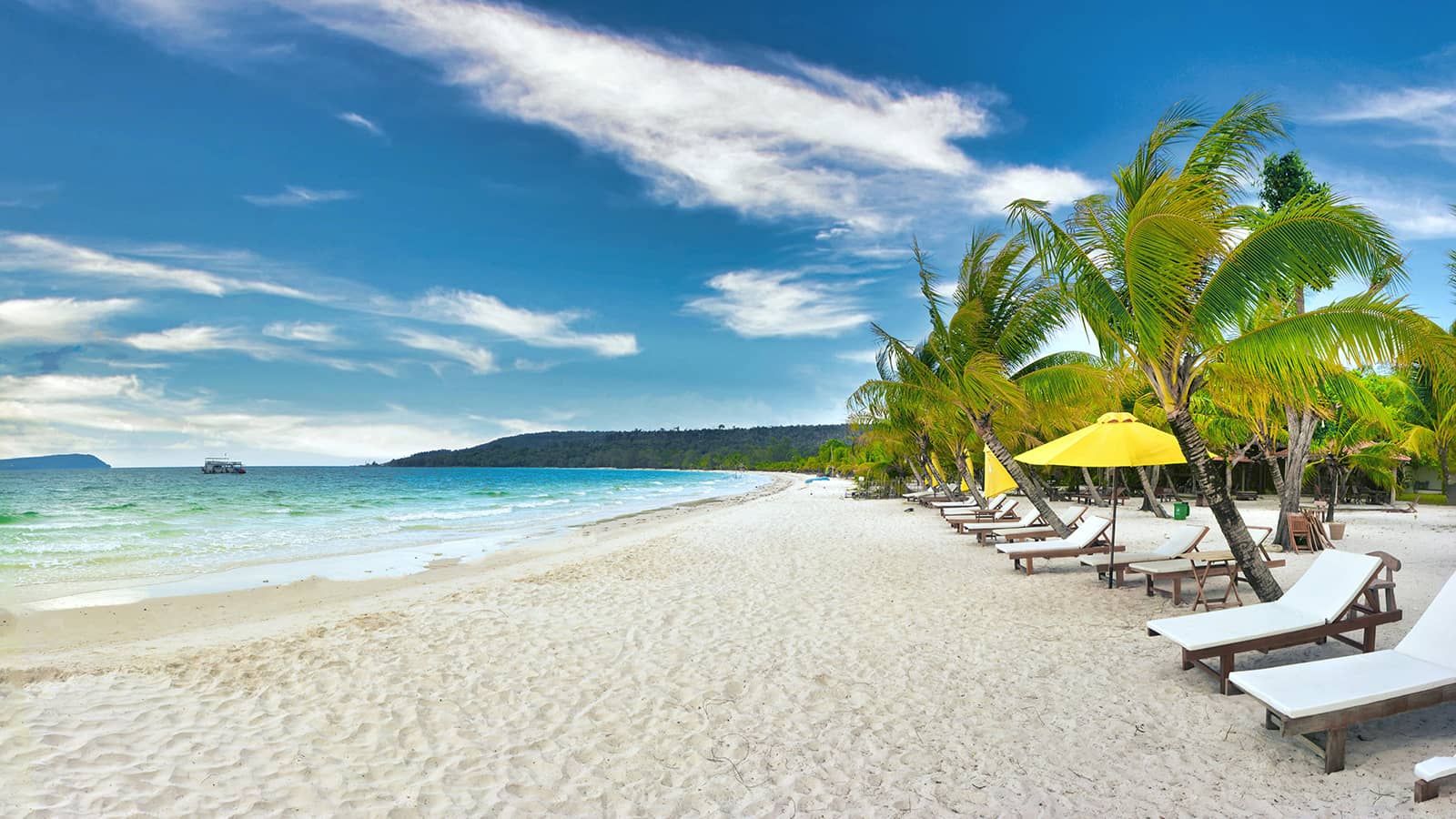
📷 Featured image by Manish Tulaskar on Unsplash.