On this page
- Langkawi’s Quieter Personality
- Best Corners to Base Yourself
- Hidden Attractions Worth the Detour
- Where to Eat Off the Tourist Strip
- Getting Around Without a Metro
- Day Trips Beyond the Main Island
- After Dark: Quiet Bars, Harbour Evenings and Stars
- Shopping: Beyond the Duty-Free Aisles
- Where to Sleep by Budget Tier
- Best Time to Visit
- Practical Tips
- 2026 Budget Breakdown
- Frequently Asked Questions
💰 Click here to see Malaysia Budget Breakdown
💰 Prices updated: October, 2026. Budget figures are estimates — always verify before travel.
Exchange Rate: $1 USD = RM4.08
Daily Budget (per person)
Shoestring: RM100.00 – RM180.00 ($24.51 – $44.12)
Mid-range: RM250.00 – RM450.00 ($61.27 – $110.29)
Comfortable: RM500.00 – RM1,000.00 ($122.55 – $245.10)
Accommodation (per night)
Hostel/guesthouse: RM30.00 – RM60.00 ($7.35 – $14.71)
Mid-range hotel: RM110.00 – RM200.00 ($26.96 – $49.02)
Food (per meal)
Budget meal: RM15.00 ($3.68)
Mid-range meal: RM35.00 ($8.58)
Upscale meal: RM100.00 ($24.51)
Transport
Single metro/bus trip: RM2.00 ($0.49)
Monthly transport pass: RM50.00 ($12.25)
Everyone knows Langkawi has good beaches. In 2026, with Visit Malaysia Year pulling in more visitors, Pantai Cenang on a weekend can feel more like a traffic jam with sand. If you came for space, rainforest and a slower pace, you need to know where to point your scooter. The island has 99 islands in its archipelago and a UNESCO Global Geopark, and most of it sits well away from the main strip. This guide covers the quiet side: where to stay, eat, swim and wander when you want to see the real island.
Langkawi’s Quieter Personality
Langkawi is a working island before it is a resort. Fishermen still unload catches at dawn, rice farmers still tend small paddies near the airport, and village mosques set the rhythm of the day. Tourism sits on top of that, not in place of it. Once you leave the Cenang and Tengah beach strip, you find a place where roosters out-shout the traffic and lunch is a plate of rice with whatever came off the boat that morning.
The landscape does the rest. Limestone cliffs rise from mangroves, the ridge of Gunung Raya holds old rainforest, and the north coast has long, nearly empty bays. Langkawi has been duty-free since 1987, which shapes prices and shopping, but it has not changed the island’s pace. Mornings are the best time here. By 11 a.m. the heat flattens everything, and the island tells you to slow down.
Best Corners to Base Yourself
The island is small enough to move around, but where you sleep decides what you see first. These are the areas that suit travellers who want something other than Cenang.
Padang Matsirat
This is the paddy-field district near the airport. It is flat, green and quiet, with homestays, small cafés and the Beras Terbakar site close by. You are about 10 minutes from Cenang by scooter but far from the noise. It suits budget travellers and anyone with a late-night or early-morning flight.
Kuah Town
Kuah is the island’s real town and its ferry gateway. It has banks, clinics, local eateries and the waterfront with the giant eagle statue at Dataran Lang. It is not pretty, but it is useful and cheap. It suits travellers who want local food and easy ferry connections.
Kilim and Teluk Yu
On the north-east coast, this area is the gateway to the Kilim Karst Geoforest Park. Mangrove tours leave from here, and the Langkawi Craft Complex sits nearby. Accommodation is limited, which keeps it peaceful. It suits nature lovers and anyone planning an early boat trip.
Tanjung Rhu
This is a long, pale beach with limestone islets offshore and almost no street life. A few upscale resorts sit here, plus a small number of mid-range options. It suits couples and travellers who want calm over convenience.
Datai and Pantai Kok
The north-west corner is rainforest meeting sea. Datai Bay is resort country, while Pantai Kok has a small harbour area and easy access to the waterfalls and the cable car. It suits families and travellers who want a quieter version of resort life.
Hidden Attractions Worth the Detour
These are the places that give Langkawi its character. Most are free or cheap, and none need a package tour.
- Telaga Tujuh (Seven Wells): A series of natural rock pools fed by a waterfall, reached by a steep staircase near Oriental Village. Go before 9 a.m. for cool air and clear water. The rocks are slippery, so wear shoes with grip. Entry is free.
- Temurun Waterfall: A short walk from the road near Datai. It is smaller than Telaga Tujuh, but the plunge pool is deeper and you will often have it to yourself on weekdays.
- Pantai Pasir Hitam (Black Sand Beach): On the north coast, this beach has dark volcanic-looking sand and a sleepy village feel. It is a place to sit under the casuarina trees with a coconut, not a place for banana boats. Swim only in calm conditions.
- Ayer Hangat hot springs: A modest, local hot spring complex with pools of different temperatures. It is not luxurious, but the entry fee is under RM10 and it is a good rainy-afternoon option.
- Gunung Raya at sunrise: At 881 metres, it is the island’s highest point. The road up is steep with sharp bends, so a car is safer than a scooter. At the top the air is a few degrees cooler, and you can watch mist lift off the forest while dusky langurs call from the trees.
- Tidal sandbar at Tanjung Rhu: At low tide, a sandbar opens between the beach and the nearby limestone islets. Check tide times with your hotel and walk out only while the water is falling.
- Beras Terbakar and Laman Padi: The first is the site linked to the legend of Mahsuri, where burnt rice grains are said to surface in the soil. The second is a small rice museum surrounded by paddy fields. Both are quick, cheap stops that show the farming side of the island.
Where to Eat Off the Tourist Strip
Eat where the locals eat and the prices drop by half. Langkawi’s best food is not in Cenang’s restaurant row.
Kuah’s kopitiam and old shophouse streets. Start the day in Kuah at a kopitiam, where kopi O comes thick and sweet and the toast is grilled over charcoal. A set of toast, soft-boiled eggs and coffee costs around RM6 to RM10. Mamak stalls in town serve roti canai and teh tarik for under RM8, and they stay open late.
Fishing village seafood. The villages around Kilim, Kuala Teriang and Padang Matsirat have simple open-air seafood places. You pick the fish, they grill it over coconut husk, and the smoke drifts across the road. Expect to pay RM40 to RM80 per person for fish, vegetables, rice and a drink. Always ask for the price per 100 grams before ordering, as some places charge by weight and tourists get caught out.
Night markets. Langkawi’s pasar malam rotate between villages on different nights of the week, so ask your guesthouse for the current schedule. Look for grilled chicken, ikan bakar wrapped in banana leaf, fried bananas and fresh sugarcane juice. A full evening snack haul costs RM15 to RM25.
Rice-and-curry stalls. Along the main roads you will find nasi campur shops with trays of curries, sambal and vegetables. You point, they pile, and lunch costs RM8 to RM15. Go before 1 p.m., because the best dishes sell out.
Drinks. Because Langkawi is duty-free, beer and spirits are cheaper here than anywhere else in Malaysia. Many local eateries are halal and do not serve alcohol, so look for beach-side places or Chinese-owned restaurants in Kuah if you want a beer with dinner.
Getting Around Without a Metro
Langkawi has no MRT, LRT or reliable public bus network. Getting around means choosing a vehicle, and your choice shapes your trip.
- Scooter rental: RM40 to RM60 per day. It is the best way to reach hidden beaches and waterfalls. You need a valid licence (an International Driving Permit if your licence is not in English or Roman script), and you should wear a helmet. Roads are good, but rain and loose gravel make corners tricky.
- Car rental: RM120 to RM200 per day. Better for Gunung Raya, rainy days and families. Book ahead in peak months and December holidays.
- Grab: Available but limited. Wait times can be long outside Cenang, Kuah and the airport. Do not count on it for remote beaches or early morning pickups.
- Taxis: Fixed zone fares apply. The airport to Cenang is roughly RM25 to RM35. Taxis are expensive for long trips, so use them for airport transfers and one-off journeys.
- Ferries: Kuala Perlis to Langkawi takes about 75 minutes and costs roughly RM20 to RM30 one way. Kuala Kedah and Penang services also run. From Penang, the crossing takes around three hours and costs more. Check the latest timetable, as sailings change seasonally.
- Flights: Langkawi International Airport has regular flights from Kuala Lumpur and several other Malaysian cities. The airport is only about 10 minutes from Cenang.
The main island takes under two hours to circle by road without stopping, so distances are short. The main limit is daylight, as unlit rural roads are best avoided after dark.
Day Trips Beyond the Main Island
Pulau Tuba. This low-key island sits just off Langkawi’s south-west coast. It has a small village, a long stretch of coastal road and almost no tourists. You can reach it by a short boat ride from the Kuah side, so ask at the jetty for the current schedule. Allow a half day, bring cash, and expect to see a very different pace of life.
Kilim by kayak. A full day around the Kilim Karst Geoforest Park, paddling through mangrove channels and peering into limestone caves. Tea-brown water, the smell of salt and wet mud, and the whoosh of a hornbill’s wings overhead make this one of the most atmospheric mornings on the island. Tours run from RM100 to RM200 depending on group size, and a morning slot takes about four hours.
Pulau Singa Besar and Dayang Bunting loop. A boat tour from Kuah or Cenang that takes in the wildlife reserve on Singa Besar and the freshwater lake on Pulau Dayang Bunting. The lake is busy by 11 a.m., so ask for an early departure. Shared boat tours cost roughly RM50 to RM90 per person, and the trip takes four to five hours.
Koh Lipe, Thailand. Speedboats run from Telaga Harbour to Koh Lipe, taking about 90 minutes each way in good conditions. Bring your passport, and check the season: services are most reliable from roughly November to May and are often reduced or suspended in the rainy months. Plan a full day, and expect to pay RM250 to RM400 return.
After Dark: Quiet Bars, Harbour Evenings and Stars
Langkawi is not a party island, and that is part of its appeal. Evenings are for sunset drinks, seafood, and sitting somewhere dark enough to see the Milky Way.
- Telaga Harbour: A marina area on the west coast with a handful of restaurants and bars. It is calm, scenic and good for a sunset beer or cocktail. Prices are higher than in Kuah.
- Pantai Tengah: Quieter than Cenang, with beach-front bars where the music stays low and the sunsets are long. Expect to pay RM12 to RM25 for a beer or a simple cocktail.
- Kuah waterfront: After sunset, locals gather around the Dataran Lang area for supper, walks and street snacks. It is a cheap, local-flavoured evening that costs almost nothing.
- Stargazing at Tanjung Rhu or Black Sand Beach: With few streetlights, the sky here is clear on dry-season nights. Bring a torch, insect repellent and a mat. The call to prayer drifting from a nearby village mosque at dusk adds a quiet, human note before the stars come out.
- Live music: A few beach bars in Cenang and Tengah host acoustic nights, usually from around 8 p.m. Schedules change often, so check social media pages for the current week.
Shopping: Beyond the Duty-Free Aisles
Everyone comes for the duty-free chocolate and liquor, and prices are indeed lower than on the mainland. But local shopping is more interesting.
Langkawi Craft Complex. Near Teluk Yu, this complex has batik, woodcarving, woven goods and craft demonstrations. It is a calm, air-conditioned stop on the way to or from Kilim. Prices for small items start around RM15.
Pekan Rabu and Kuah shops. Kuah’s shopping complexes sell batik, sarongs, dried seafood, local snacks and souvenirs at better prices than the Cenang strip. Bargaining is acceptable in small shops, but prices in larger stores are fixed.
Village markets. Look for local honey, spices, sambal paste, dried fish and tropical fruit. These make lighter and more authentic gifts than chocolate bars.
Duty-free rules. Limits apply when you take duty-free goods from Langkawi to the mainland. Check the current allowance at the airport or jetty Customs counter before you buy, so you do not have to surrender your haul at the gate.
Where to Sleep by Budget Tier
- Budget (RM60 to RM150 per night): Guesthouses and homestays in Kuah, Padang Matsirat and Kubang Badak. Rooms are simple, with air-con and a private bathroom at the upper end. Many offer scooter rental and local tips.
- Mid-range (RM200 to RM450 per night): Boutique hotels and chalets at Pantai Tengah, Kuah and around Tanjung Rhu. Expect a pool, breakfast and a more comfortable room.
- Luxury (RM700 to RM2,500+ per night): Resorts at Datai Bay, Tanjung Rhu and Pantai Kok. These have private beaches, rainforest or limestone views, spa services and high-end dining.
Note that hotels add 8% service tax in 2026, and foreign guests pay a RM10 per room per night tourism tax. Check whether the rate you see includes both.
Best Time to Visit
Langkawi’s driest and sunniest months run from December to February, with temperatures of 27 to 33°C. This is also peak season, with higher prices and busier beaches. March and April stay hot and mostly dry, and they work well if you want fewer crowds.
The wetter months run from roughly May to October, with the heaviest rain usually in September and October. Rain often comes in short, heavy bursts rather than all-day downpours, so you can still explore. Waterfalls look their best in this period, though sea conditions can get rough and some boat services reduce or stop.
Plan around holidays. Chinese New Year falls in mid-February 2026, and Hari Raya Aidilfitri arrives around the third week of March after Ramadan. Malaysian school holidays and these festival periods push prices up and fill ferries, so book transport early. During Ramadan, many local eateries close or shorten hours during the day, but evening bazaars are lively.
Practical Tips
- Dress: Langkawi is mostly Muslim. Beachwear is fine at the beach, but cover shoulders and knees in villages, mosques and Kuah.
- Entry formalities: Foreign visitors should complete the Malaysia Digital Arrival Card online before arrival. Check the current requirements for your nationality.
- Safety: Langkawi is generally safe. The biggest risks are scooter accidents, strong currents, sunburn and jellyfish in certain seasons. Do not leave valuables on the beach or in an unlocked scooter basket.
- Monkeys: Macaques are common around Kilim, beaches and rubbish areas. Do not feed them, and keep food out of sight.
- Money: ATMs are in Kuah and Cenang, but rare in remote areas. Most places accept DuitNow QR, which works with many foreign e-wallets, but small stalls and boatmen often prefer cash.
- Tipping: Not expected. A RM10 to RM20 tip for a good boat guide is appreciated.
- SIM cards: Maxis, CelcomDigi and U Mobile all work on the island. An eSIM is easiest, but signal can drop in the north and on mountain roads.
- Water: Do not drink tap water. Buy bottled or refill at your hotel.
- Language: Malay is the main language, but English works in tourist areas. A simple terima kasih (thank you) gets smiles.
- Timing: Plan outdoor trips for early morning and late afternoon. Midday heat is heavy, and many locals rest then. Some small shops pause around Friday midday prayers.
2026 Budget Breakdown
These are daily estimates per person, excluding flights. Prices in Malaysian Ringgit (MYR).
- Budget (RM120 to RM200 per day): Guesthouse bed or room share (RM60 to RM100), local meals (RM25 to RM40), scooter rental (RM40 to RM60), and free or cheap sights such as waterfalls and beaches.
- Mid-range (RM350 to RM600 per day): Boutique room (RM200 to RM350), seafood dinners and café meals (RM60 to RM100), car or scooter (RM60 to RM150), plus one paid activity like a mangrove tour (RM100 to RM150).
- Comfortable (RM900 to RM1,800+ per day): Resort stay (RM700 to RM1,500), fine dining and drinks (RM150 to RM300), private boat or guide (RM300 to RM600), spa and transfers.
Frequently Asked Questions
What are the best hidden gems in Langkawi?
Top hidden spots include Telaga Tujuh waterfall, Temurun Waterfall, Pantai Pasir Hitam (Black Sand Beach), the Ayer Hangat hot springs, Gunung Raya at sunrise, and the Kilim mangroves by kayak. Pulau Tuba and the Tanjung Rhu sandbar are also quiet alternatives to the busy beaches.
Is Langkawi worth visiting if I don’t like beaches?
Yes. Langkawi has rainforest hikes, waterfalls, mangrove kayaking, limestone caves, hot springs, paddy fields and mountain views. The UNESCO Geopark status means geology and wildlife are major draws. Many visitors spend most of their time away from the sand.
How many days do you need to see Langkawi’s hidden spots?
Four to five days is ideal. That gives you time for waterfalls and Gunung Raya, a full Kilim mangrove day, an island-hopping trip and a slow village day. Three days works if you rent a scooter or car and plan carefully.
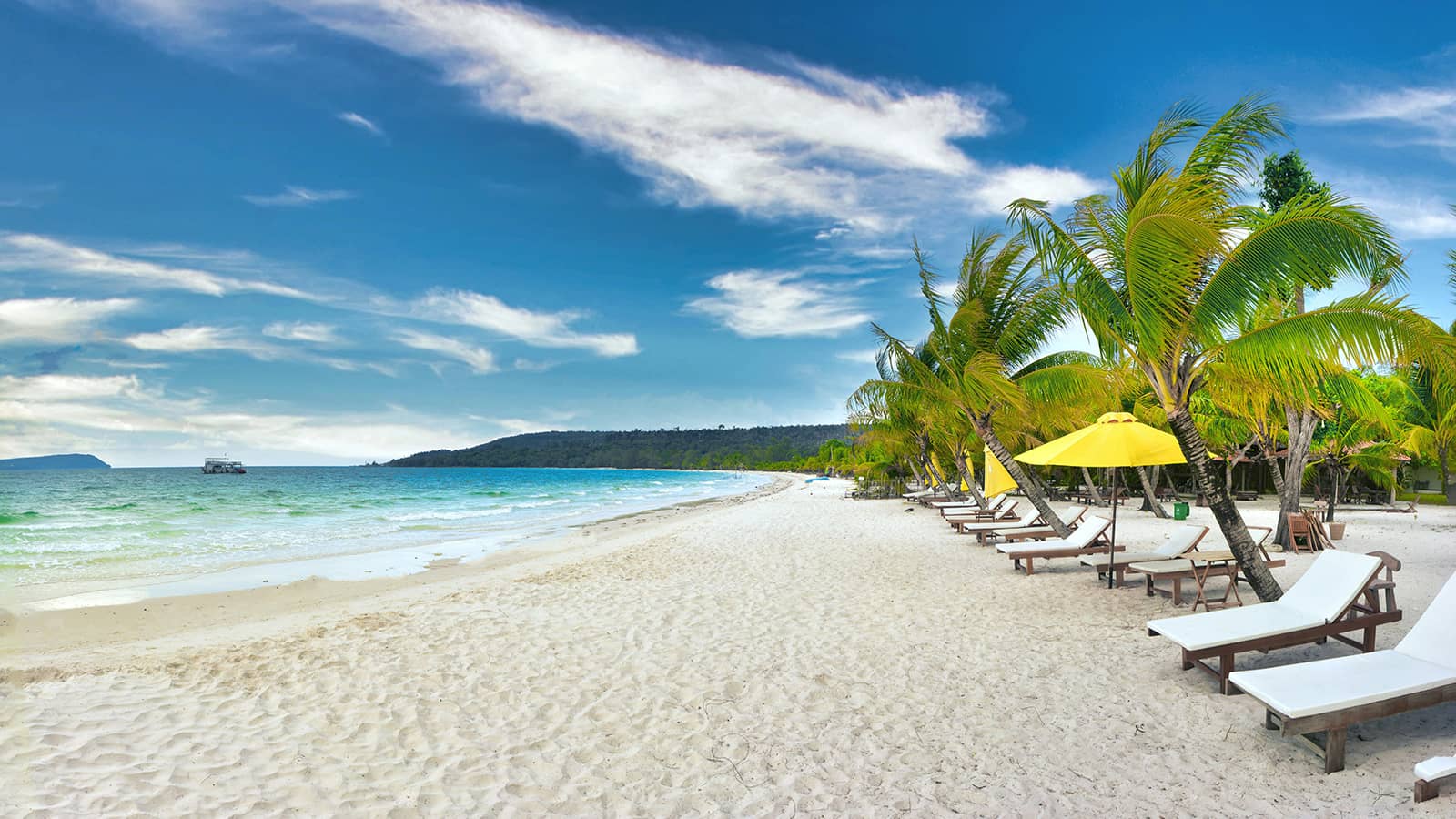
📷 Featured image by Valeriano G on Unsplash.