On this page
- What Cameron Highlands Actually Feels Like
- Trails That Don’t Show Up on Every Blog
- Farms Beyond the Strawberry Fields
- Where to Eat When You’re Done with Tea Scones
- The Villages Most Visitors Drive Past
- Getting There and Moving Around in 2026
- Day Trips From the Highlands
- Cameron Highlands After 8pm
- Where to Sleep Without Overpaying
- When to Go and When to Avoid
- Practical Matters and What It Actually Costs
- Frequently Asked Questions
💰 Click here to see Malaysia Budget Breakdown
💰 Prices updated: August, 2026. Budget figures are estimates — always verify before travel.
Exchange Rate: $1 USD = RM4.03
Daily Budget (per person)
Shoestring: RM100.00 – RM200.00 ($24.81 – $49.63)
Mid-range: RM180.00 – RM400.00 ($44.67 – $99.26)
Comfortable: RM450.00 – RM1,300.00 ($111.66 – $322.58)
Accommodation (per night)
Hostel/guesthouse: RM20.00 – RM70.00 ($4.96 – $17.37)
Mid-range hotel: RM100.00 – RM350.00 ($24.81 – $86.85)
Food (per meal)
Budget meal: RM15.00 ($3.72)
Mid-range meal: RM35.00 ($8.68)
Upscale meal: RM100.00 ($24.81)
Transport
Single metro/bus trip: RM2.00 ($0.50)
Monthly transport pass: RM150.00 ($37.22)
Most visitors to Cameron Highlands in 2026 follow the exact same loop: BOH tea plantation photo, strawberry soft serve, Mossy Forest selfie, drive home. That loop is fine. But Cameron Highlands has trails that see fewer than twenty people a week, villages where the produce market runs on trust boxes, and night skies that are genuinely dark enough to see the Milky Way — and almost nobody talks about them. This guide is for the traveler who wants the full picture, not the highlight reel.
What Cameron Highlands Actually Feels Like
Cameron Highlands sits at 1,500 metres above sea level in Pahang, and that elevation does something most Malaysian destinations cannot: it reliably drops to 14–18°C at night even in the hottest months. In a country where lowland cities bake at 33°C in March, that alone feels extraordinary. The cool air carries a faint scent of damp earth and pine resin that hits you the moment you step out of an air-conditioned car after the long climb through Simpang Pulai or the winding road from Tapah.
The Highlands have three main towns — Ringlet, Tanah Rata, and Brinchang — spread across roughly 712 square kilometres of highland plateau. Tanah Rata is the commercial spine where most budget travelers stay. Brinchang is more local, slightly cooler, and far less polished. Ringlet at the southern base barely registers as a tourist destination despite being the entry point for most visitors from Ipoh.
The pace here is deliberate. Mornings are misty and cold. Afternoons can bring sudden downpours that make jungle trails genuinely slippery. Evenings cool fast. The highland rhythm slows even the most restless traveler down, which is probably the hidden gem nobody thinks to mention.
Trails That Don’t Show Up on Every Blog
Mossy Forest on Gunung Brinchang gets crowded by 9am on weekends. The boardwalk is worth doing once, but if actual jungle is what you want, Cameron Highlands has unmarked and lightly-maintained trails that reward hikers who prepare.
Trail 9B and the Parit Falls Loop
Trail 9B from the Bala’s Holiday Chalet trailhead in Tanah Rata continues beyond where most people turn back. Push past the first waterfall and the trail drops into secondary jungle that transitions into older growth with towering dipterocarp trees. The sound changes — the bird calls become richer and the air gets heavier. Allow four hours return. Bring proper shoes; the clay here turns to something close to grease when wet.
Robinson Waterfall via the Long Route
Most hikers take the short access road to Robinson Waterfall. The longer ridge route from behind the MARDI Agricultural Research Station adds 45 minutes but walks through vegetable terraces and strawberry farms before entering jungle. You arrive at the waterfall from above, which gives a completely different perspective. The cold spray at the base is sharp enough to make you gasp even after hiking in 20°C air.
Gunung Jasar
This is the honest alternative to Gunung Brinchang. The trail starts near Tanah Rata town and climbs through genuine montane forest. No boardwalk, no crowds. The summit gives a view across the plateau and down toward Ringlet’s reservoir that rarely appears on travel feeds. Around two to three hours return depending on pace.
Farms Beyond the Strawberry Fields
Strawberry farms are genuinely everywhere in Cameron Highlands — there are over forty licensed operations — and by 2026 the pick-your-own experience has become almost industrial at the famous ones near Brinchang. The interesting agricultural diversity is found when you look slightly harder.
Cactus Valley
Up near Brinchang, Cactus Valley has expanded its collection since the post-pandemic renovation. It’s an odd place — a hillside greenhouse full of desert plants in a tropical highland mist — but the collection is genuinely impressive and it attracts almost no one on weekday mornings. The MYR 5 entry is negligible.
Ee Feng Gu Bee Farm
This honey farm near Brinchang has been operating since the 1990s. The tasting counter lets you sample stingless bee honey (Kelulut), tualang blend, and single-origin highland flower honey side by side. The flavor differences are stark — Kelulut honey has a sharp, almost citrus-sour note compared to the rounder, heavier tualang. The on-site shop sells at better prices than any lowland supermarket and the products are traceable to specific hives.
Lavender Garden Cameron Highlands
The lavender cultivation here is modest — the climate is close enough to Mediterranean conditions at this elevation to sustain a small crop. The garden also grows rosemary, thyme, and other Mediterranean herbs that simply cannot survive at sea level in Malaysia. The scent walking through on a cool morning is unexpectedly transporting. Entry around MYR 10.
MARDI Agricultural Research Station
Not a tourist farm in the conventional sense, but the research station near the golf course occasionally opens to the public and runs a roadside produce stall. You can buy highland-grown vegetables here that don’t make it to the supermarket chains — unusual varieties of capsicum, local leeks, and specialty salad greens at prices well below the tourist market stalls.
Where to Eat When You’re Done with Tea Scones
Tanah Rata’s main street has no shortage of restaurants, but most menus are designed for the tourist rotation. The real eating is at specific spots locals actually use.
Pasar Malam Brinchang (Brinchang Night Market)
The night market in Brinchang town square runs on weekends and is a fundamentally different experience from the tourist-facing markets near BOH. Local orang asli (indigenous) sellers bring forest produce — wild fern tips, bamboo shoots, fresh turmeric root — alongside regular market fare. Corn on the cob grilled over charcoal and brushed with butter and soy sauce for MYR 3 is the snack to start with. The steam rising from fresh corn in cold highland air is one of those small sensory memories that sticks.
Restoran Bunga Suria, Tanah Rata
This is the mamak stall locals eat breakfast at. The roti canai is made to order, the teh tarik is genuinely good, and the nasi lemak arrives wrapped in banana leaf rather than styrofoam. Prices are firmly local — full breakfast under MYR 8. It opens at 6:30am, which makes it the right place after an early morning trail start.
Steamboat Restaurants, Brinchang Town
Steamboat in cool highland air is one of Cameron’s legitimate pleasures. Several local-facing steamboat spots on the Brinchang main strip charge MYR 28–45 per person for all-you-can-eat spread that includes fresh local vegetables, tofu, and a range of proteins. The broth here — typically a mild chicken or herbal base — is a very different experience from Kuala Lumpur steamboat chains.
Tringkap Morning Market
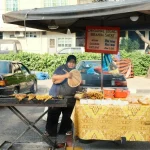
The small town of Tringkap, about 8 kilometres north of Brinchang, runs a morning produce market that finishes by 9am. Locals buy directly from highland farmers here. You can pick up fresh strawberries for MYR 8–10 per punnet compared to the MYR 18–22 at tourist-facing farm stalls. The coffee shop beside the market does a no-frills flat white for MYR 4.
The Villages Most Visitors Drive Past
Ringlet
Ringlet is the first town you pass through entering from Tapah or Simpang Pulai, and almost everyone just drives through. It sits at the southern base of the Highlands plateau and lacks the misty drama of higher elevations. What it does have is a working-class highland town character that feels completely unperformed. The reservoir lake here — Tasik Ringlet — is rarely visited and genuinely beautiful in morning light when cloud sits just above the water surface. There’s a small lakeside area accessible by a short walk from the town centre.
Kampung Raja
At the northern end of the Highlands near Brinchang, Kampung Raja is one of the oldest Orang Asli settlements in the area. There’s no formal tourism infrastructure here, which is precisely the point. The surrounding agricultural land is farmed by indigenous and local Malay communities whose families have been here for generations. The weekly market in Kampung Raja carries produce and crafts you simply won’t find at any tourist stall.
Tringkap
Tringkap is a quiet highland town with a strong Chinese-Malaysian community character, several working flower farms growing chrysanthemums for export, and almost zero tourist infrastructure. Walking the back streets past the flower packing sheds in early morning — with the smell of freshly cut chrysanthemums and cold air — is a side of Cameron Highlands that most visitors never find.
Getting There and Moving Around in 2026
The road situation in Cameron Highlands is the most common source of frustration for first-time visitors. There are two main access routes: the Tapah road (Route 59) winding up from the old trunk road town of Tapah, and the Simpang Pulai expressway exit from the North-South Expressway which gives a faster, more modern approach. In 2026, the Simpang Pulai route is the strongly preferred option for anyone coming from Ipoh or Kuala Lumpur — it’s roughly 30 minutes faster and significantly less winding.
From Kuala Lumpur
The drive from KL is approximately 3.5 hours via the North-South Expressway to Simpang Pulai, then up the highland road. Buses run from TBS (Terminal Bersepadu Selatan) with several operators including Transnasional and Konsortium. Journey time is 4–4.5 hours depending on traffic at the highland road sections. Expect to pay MYR 35–50 for a coach ticket in 2026.
From Ipoh
Ipoh is the closest major city — roughly 1.5 to 2 hours by road. Shared taxis from Ipoh’s Amanjaya Terminal run when they fill (four passengers) for around MYR 35–45 per seat. This is by far the most flexible option if you’re traveling solo and don’t want to wait for a scheduled bus.
Getting Around the Highlands
Grab operates in Cameron Highlands in 2026 but availability is inconsistent — particularly in Brinchang and north of there. Do not rely on Grab as your only transport option. Local taxis are available but need to be booked in advance through guesthouses. Renting a car (available in Tanah Rata from around MYR 120–150 per day) is the practical solution for anyone planning to visit farms, trails, and villages beyond the main tourist corridor. The roads here are narrow and the mist can reduce visibility, but traffic volumes outside of peak holiday weekends are manageable.
Day Trips From the Highlands
Ipoh (1.5–2 hours)
The obvious day trip and genuinely worth it. Ipoh’s old town has a completely different character from Cameron Highlands — flat, warm, and steeped in Perak Chinese heritage. The Concubine Lane area and the Heritage Trail around Jalan Panglima take two to three hours to walk properly. Return the same day easily; the drive back up to the Highlands in the late afternoon, when valley heat gives way to highland cool within 20 minutes of climbing, is one of the more satisfying transitions in Malaysian travel.
Lojing Highlands (2 hours)
Fewer than one in ten Cameron visitors has heard of Lojing. This highland area in Kelantan sits on the other side of the Main Range and is accessible via a long drive through the Highlands to Gua Musang. The landscape shifts dramatically — from the orderly tea terraces and strawberry farms of Cameron to wilder, wetter rainforest with cascading rivers and Orang Asli settlements. It is not a refined day trip, but it’s a raw and genuinely different experience for those with their own vehicle and a tolerance for unsealed roads.
Sungai Koyan and the Orang Asli Settlements
The road from Cameron Highlands toward Raub passes through Sungai Koyan, a market town that serves as a hub for several Semai Orang Asli communities in the surrounding valleys. Local guides can be arranged through guesthouses in Tanah Rata to visit the communities respectfully. The produce sold at Sungai Koyan’s market — wild durian, bamboo shoots, river fish — reflects a food system completely separate from the highland farms most visitors see.
Cameron Highlands After 8pm
The common complaint is that Cameron Highlands dies after dinner. That’s true if you’re looking for a club or a cocktail bar — those don’t exist here. What does exist after dark is worth knowing about.
Stargazing is legitimately excellent in Cameron Highlands on clear nights. The plateau is far enough from major light pollution sources that a dark sky is genuinely achievable. The best viewing spots are the agricultural flatlands around Tringkap and the higher ground near the golf course above Tanah Rata. Clear nights follow afternoon rain — if you’ve had a wet afternoon, set an alarm for midnight. The sky above the tea terraces on a cloudless night, with the nearest town lights dimmed and the altitude sharpening everything, is one of the most memorable experiences the Highlands offer.
Several guesthouses in the hills above Tanah Rata have fire pits or outdoor sitting areas with wool blankets. Time in front of a fire at 1,500 metres after a day of hiking counts as Highland nightlife in the best possible sense.
Where to Sleep Without Overpaying
Budget (MYR 50–120 per night)
Tanah Rata’s main street and the roads running off it are well-stocked with guesthouses and hostels. The consistent recommendation among long-stay backpackers is Father’s Guesthouse for its genuinely helpful staff and the notice board that remains the best source of real-time trail conditions. Twin rooms at MYR 80–100 per night.
Mid-Range (MYR 150–300 per night)
The mid-range sweet spot is the cluster of boutique guesthouses in the hills above Tanah Rata — particularly along Jalan Gereja and the roads heading toward the golf course. These properties offer proper insulation, fireplaces or electric heaters, and garden views into jungle or tea terraces. Strawberry Park Resort and the various bungalow properties around the golf course fall into this tier. Book early for weekend stays — by Thursday most MYR 200 rooms for the weekend are gone.
Comfortable and Above (MYR 350–700+ per night)
Cameron Highlands Resort, operated by the YTL group, remains the highest-end property in the Highlands. Set in a heritage colonial building above Tanah Rata with manicured grounds, a spa, and afternoon tea served properly with highland-grown tea, it is a genuine luxury experience. The dining room here is the one place in Cameron Highlands where a formal dinner makes sense. Rates fluctuate significantly — shoulder weekday rates can be as low as MYR 380, while weekend and holiday peak rates exceed MYR 700.
When to Go and When to Avoid
Cameron Highlands doesn’t have a bad season in the conventional sense — it’s always relatively cool. But the variation in experience across months is significant.
December to February is peak season driven by the school holidays and Eid adjacencies in late January. Roads from Tapah to Tanah Rata on Friday evenings can add 90 minutes to a normally 45-minute drive. Accommodation prices inflate by 30–60% at the top and mid-range tiers. The weather in December is frequently wet. January and February are generally the best months: lower rainfall, cooler temperatures, and festive energy from Chinese New Year celebrations in Brinchang.
March to May is genuinely the sweet spot. Post-school holiday, pre-monsoon transition. Rainfall is manageable, weekday occupancy is low, and the terraced farms look their greenest. Strawberry season peaks around March–April. This is when serious hikers come because trail conditions are best.
June to August is the second school holiday peak. Similar crowd dynamics to December, but with better weather. The Hari Raya Haji public holiday (date shifts annually; check the 2026 Malaysian public holiday calendar) causes a specific weekend spike.
September to November brings the northeast monsoon approach — heavier rain by October and November, particularly in the afternoons. The landscape is dramatically lush, waterfalls are at their highest, but trail conditions become difficult and the valley mist can persist all day. Not a bad time if you’re specifically after the moody, cloud-wrapped aesthetic. Just plan indoor alternatives.
Practical Matters and What It Actually Costs
Getting Your Bearings
Mobile coverage in Cameron Highlands improved significantly after the 2025 tower expansion programme under the National Digital Infrastructure plan, but dead zones still exist on several trails and in the lower valleys near Sungai Koyan. Download offline maps (Maps.me or Google Maps offline for the Cameron Highlands area) before leaving your accommodation. Bring a physical backup map for longer trails — the Pahang Forestry Department produces one available at the Tanah Rata office.
Water from taps in Cameron Highlands is generally treated and safe to use for washing, but bottled or filtered water for drinking is still the standard practice. Most guesthouses provide filtered water for free. The altitude and cool temperature mean you may drink less than you expect — stay hydrated, particularly on longer hikes.
There is no tipping culture in Cameron Highlands — standard Malaysia practice applies. Service charge and government tax (SST at current 2026 rates) are included in most sit-down restaurant bills. Round up at coffee shops if the service is good; it’s appreciated but never expected.
Budget Reality: Daily Costs in 2026
Budget traveler (MYR 80–150/day): Dorm or basic guesthouse room (MYR 45–70), three meals at hawker stalls and kopitiam (MYR 20–30), two farm or attraction entries (MYR 10–20 total), local transport or walking. Free trails, Tringkap market, Brinchang night market.
Mid-range traveler (MYR 250–450/day): Boutique guesthouse or hillside chalet (MYR 150–280), mix of local restaurants and one sit-down meal at a proper restaurant (MYR 60–90), car rental or private taxi for the day (MYR 120–180 shared across group), guided jungle trek with local guide (MYR 80–120 per person).
Comfortable traveler (MYR 600–1,200/day): Cameron Highlands Resort or similar (MYR 380–700), three meals including afternoon tea and a proper dinner (MYR 150–250), private car hire (MYR 200–300 for full day with driver), spa treatment (MYR 150–300).
Entrance fees at most farms and gardens range from MYR 5 to MYR 15. Picking your own strawberries at a commercial farm typically costs MYR 12–18 per punnet including what you pick. Guided treks booked through guesthouses run MYR 80–130 per person for a half-day.
Frequently Asked Questions
Is Cameron Highlands worth visiting in 2026 if I’ve already been once?
Yes, particularly if your previous visit was confined to BOH tea and Mossy Forest. The villages of Tringkap and Kampung Raja, the longer jungle trails like Gunung Jasar, and the night market in Brinchang offer experiences completely distinct from the standard tourist loop. Most repeat visitors say they saw a different place entirely.
How cold does it actually get in Cameron Highlands?
Nighttime temperatures drop to 14–18°C for most of the year. During December and January it can reach as low as 10–12°C after midnight at higher elevations. Days are typically 18–24°C. Bring at least one warm layer — a light fleece or jacket. You will use it, especially at night and on early morning trails.
Is Cameron Highlands safe for solo travelers, including solo women?
Generally yes. The main towns of Tanah Rata and Brinchang are well-lit, have active communities around them, and see steady tourist foot traffic. The primary safety concern is trail navigation — tell your guesthouse where you’re hiking and when you expect to return. The trail registration requirement introduced in 2026 adds an additional safety layer for registered routes.
Can I visit Cameron Highlands as a day trip from Kuala Lumpur?
Technically yes, but it makes for a very long and rushed day — roughly 7–8 hours of driving for a few hours at the destination. A minimum two-night stay is the standard recommendation that gives you time to actually experience the place rather than just pass through it. If a day trip is your only option, use the Simpang Pulai route and leave KL by 6am.
What should I buy in Cameron Highlands to bring home?
The practical, high-value purchases are: raw highland honey (especially Kelulut stingless bee honey from Ee Feng Gu), loose-leaf tea directly from the BOH or Bharat plantation shops (better quality and price than supermarkets), fresh strawberries packed carefully for the journey, and locally grown chrysanthemums from Tringkap. Skip the branded strawberry jam — you can find identical products in any Malaysian supermarket for less.
📷 Featured image by Huỳnh Chương on Unsplash.