On this page
- The Interior: Langkawi’s Jungle, Waterfalls & Wildlife
- Neighbourhood by Neighbourhood: Where to Base Yourself
- Getting Around the Island in 2026
- 2026 Budget Reality: What Things Actually Cost
- Markets, Duty-Free Shopping & Where to Buy What
- Eating Well Away from the Tourist Strip
- Frequently Asked Questions
💰 Click here to see Malaysia Budget Breakdown
💰 Prices updated: October, 2026. Budget figures are estimates — always verify before travel.
Exchange Rate: $1 USD = RM4.08
Daily Budget (per person)
Shoestring: RM100.00 – RM180.00 ($24.51 – $44.12)
Mid-range: RM250.00 – RM450.00 ($61.27 – $110.29)
Comfortable: RM500.00 – RM1,000.00 ($122.55 – $245.10)
Accommodation (per night)
Hostel/guesthouse: RM30.00 – RM60.00 ($7.35 – $14.71)
Mid-range hotel: RM110.00 – RM200.00 ($26.96 – $49.02)
Food (per meal)
Budget meal: RM15.00 ($3.68)
Mid-range meal: RM35.00 ($8.58)
Upscale meal: RM100.00 ($24.51)
Transport
Single metro/bus trip: RM2.00 ($0.49)
Monthly transport pass: RM50.00 ($12.25)
Most visitors to Langkawi land at the airport, head straight to Pantai Cenang, and spend a week barely moving from their sunlounger. That’s a fine holiday — but in 2026, with Langkawi’s UNESCO Global Geopark status driving serious investment in trails, eco-tourism infrastructure, and inland attractions, sticking to the beach means missing the majority of what this island actually offers. Here’s how to see the whole thing properly.
The Interior: Langkawi’s Jungle, Waterfalls & Wildlife
Langkawi’s interior is a different world from its coastline. The island sits within a 550-million-year-old geological formation — one of the oldest in Southeast Asia — and the rainforest that covers its hills and valleys is genuinely ancient. Step off the main roads and you’re immediately inside something dense and loud: cicadas, hornbills overhead, and the smell of wet earth and moss that no beach bar can replicate.
Gunung Raya is the island’s highest peak at 881 metres. A sealed road winds to the summit, where you get 360-degree views across the archipelago on a clear morning — arrive before 9am before the clouds roll in. The road passes through forest where long-tailed macaques are almost guaranteed, though keep food sealed and bags zipped.
Temurun Waterfall in the northwest is the most dramatic cascade on the island, particularly impressive from September through January when rainfall is higher. The short trail through the trees to reach the base pool takes about 15 minutes and is well-maintained following geopark upgrades completed in 2025.
For wildlife, the Kilim Karst Geoforest Park on the northeast coast combines mangrove river tours with limestone caves and eagle feeding over open water. A standard two-hour boat tour runs around MYR 60–80 per person with a local operator. The brown sea eagles circling low over the water as fish scraps hit the surface is one of those genuinely memorable island moments.
Neighbourhood by Neighbourhood: Where to Base Yourself
Langkawi isn’t one place — it’s a collection of distinct zones with very different feels. Choosing the right base changes your entire experience.
Pantai Cenang & Pantai Tengah
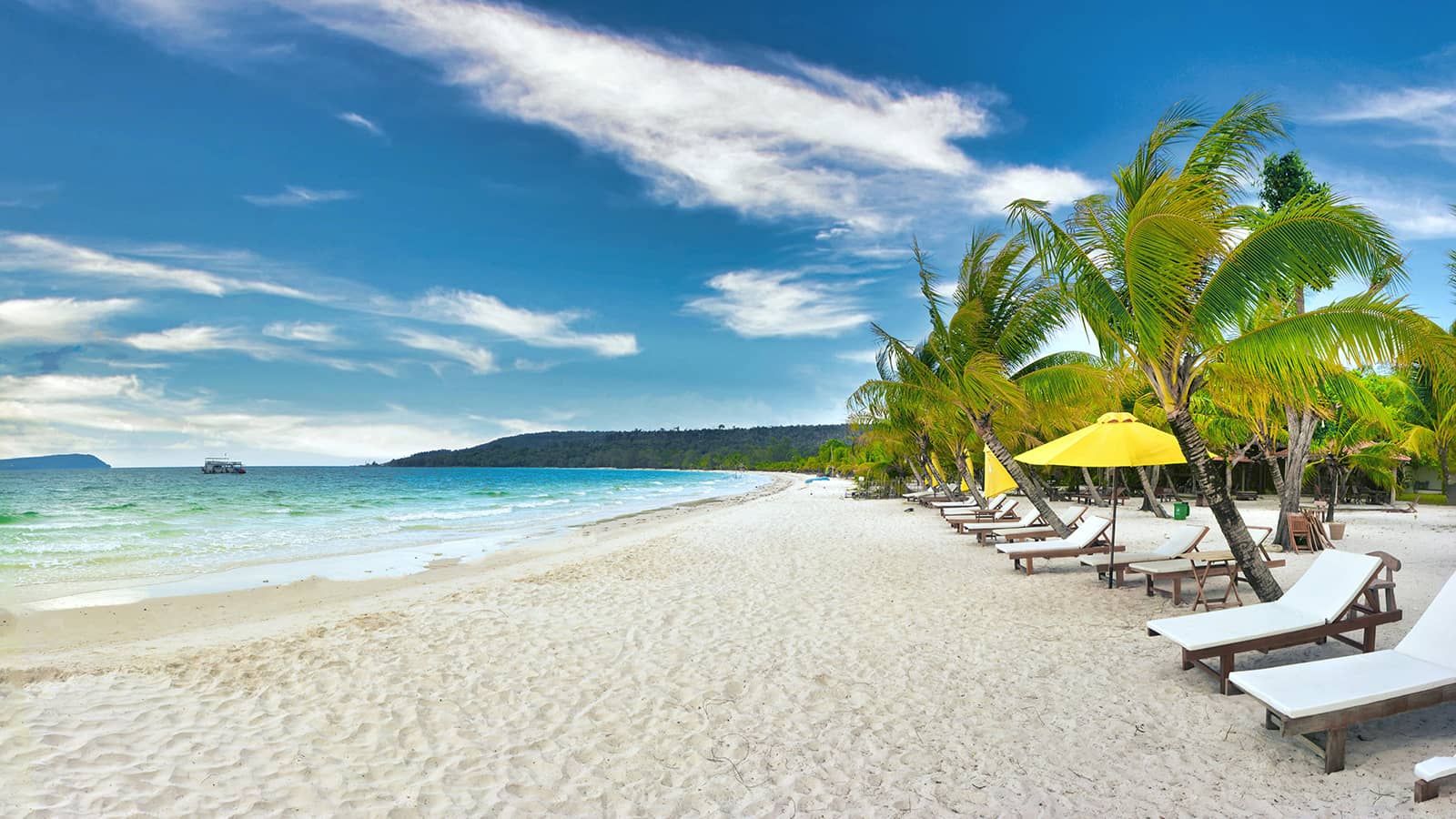
This is Langkawi’s backpacker and mid-range heartland. The main strip along Pantai Cenang is dense with restaurants, massage shops, budget hotels, and bars. It’s convenient, social, and walkable — but it’s also the loudest and most congested part of the island. Pantai Tengah, just south, is quieter with a slightly more upmarket lean. Good for first-timers and anyone who wants everything within easy reach.

Kuah Town
Kuah is the island’s main town and the arrival point for the ferry from Penang and Kuala Perlis. It’s functional rather than beautiful — government buildings, a giant eagle statue, duty-free shops, and local eateries. Most visitors bypass it entirely, but Kuah has the best everyday Malaysian food on the island and far lower prices than the beach areas. Worth a half-day visit even if you’re not staying here.
Pantai Kok & Burau Bay
The western coast, particularly around Pantai Kok and Burau Bay, is where Langkawi’s luxury resorts cluster among dramatic limestone hills. The Four Seasons is here. The area is quieter and more forested, with easy access to the Langkawi Cable Car at Oriental Village. If you’re after seclusion with good road access, this is the zone.
Datai Bay (North)
The northernmost tip of the island is almost entirely rainforest reserve. The Datai Langkawi hotel anchors this area, and casual visitors can still access the public beach. It’s a 30-minute drive from anywhere else, which keeps it genuinely uncrowded.
Getting Around the Island in 2026
Langkawi has no public bus network worth mentioning. The island runs on rental cars, motorcycles, and taxis — and that’s been the reality for years. What has changed in 2026 is the expansion of ride-hailing options.
Grab now has significantly better coverage across the island compared to 2024, including reliable pickups from Pantai Cenang, Kuah, and most resort areas. Response times in busy periods can still be 15–20 minutes, so it’s not ideal for tight schedules, but for casual travel it works.
Car rental remains the most practical option for exploring independently. In 2026, daily rates start at around MYR 80–120 for a basic Perodua Axia from local operators near the airport. International chains charge more. Roads are well-signed in English and genuinely easy to navigate — Langkawi is not a stressful island to drive on. An international driving permit is technically required for foreign licences, though enforcement is inconsistent.
Motorcycle rental runs MYR 35–55 per day for a manual 115cc bike, or MYR 50–70 for an automatic scooter. This is the most common choice for solo travellers and couples. Helmets are legally required and most rental shops provide them.
The Langkawi Cable Car at Oriental Village connects the base at Pantai Kok to the SkyCab station at 650 metres elevation, with a mid-station stop. As of 2025, the gondola system was fully upgraded. Budget about 45 minutes return including the Sky Bridge walk. Tickets in 2026 are MYR 55 for adults (cable car only).
2026 Budget Reality: What Things Actually Cost
Langkawi’s duty-free status keeps alcohol, chocolate, and cigarettes genuinely cheaper than the Malaysian mainland. Everything else has risen with general inflation since 2024, particularly accommodation and restaurant meals aimed at tourists.
- Budget accommodation (guesthouses, hostels): MYR 60–120 per night
- Mid-range hotels (3-star, beach access): MYR 200–400 per night
- Comfortable resorts (4–5 star): MYR 600–2,000+ per night
- Hawker meal / warung rice plate: MYR 8–15
- Restaurant meal (tourist strip): MYR 30–70 per person
- Local coffee (kopi): MYR 2–3.50
- Duty-free beer (large bottle, bottle shop): MYR 5–8
- Petrol (per litre, subsidised): MYR 2.05 (RON95) as of 2026
- Snorkelling day trip (shared boat): MYR 80–130 per person
A realistic daily budget for a couple exploring independently, with car rental, local meals, and occasional activities, sits around MYR 300–450 total per day excluding accommodation.
Markets, Duty-Free Shopping & Where to Buy What
Langkawi’s duty-free status is genuine and worth using strategically. Alcohol is the headline benefit — a bottle of Johnnie Walker Black that costs MYR 130 on the mainland is MYR 60–70 here. Chocolate, cosmetics, and electronics also carry reduced prices, though the electronics gap has narrowed since 2024 as online retail has become more competitive across Malaysia.
Kuah town has the highest concentration of duty-free outlets, particularly along Jalan Persiaran Putra near the jetty. These are large, air-conditioned shops that stock liquor, tobacco, perfume, and confectionery. Prices are consistent across most outlets — shopping around within Kuah rarely yields dramatic differences.
The Cenang Mall near Pantai Cenang handles everyday needs — pharmacies, convenience items, some clothing. It’s not a destination, but it’s useful.
For a more local market experience, the Pasar Malam (night market) rotates through different villages on different days of the week. Kuah’s night market runs on Thursdays. Padang Matsirat hosts one on Tuesdays. These are genuine local markets with fresh produce, grilled corn, keropok, and cheap batik — not curated for tourists.
Handicraft and souvenir shopping is best at Craft Cultural Complex in Kuah, where local artisans sell hand-painted batik, woven products, and jewellery. Quality varies, so take time to look through the stalls properly.
Eating Well Away from the Tourist Strip
The restaurants along Pantai Cenang serve decent food, but they’re priced for tourists and the menus are internationally diluted. The real eating on Langkawi happens elsewhere.
Kuah town is the local food capital. The row of open-air restaurants near the Langkawi Fair Shopping Mall serves nasi campur (mixed rice) from early morning through lunch — a plate piled with curried fish, stir-fried vegetables, and sambal will cost you MYR 10–14. The nasi lemak wrapped in banana leaf at the morning hawker stalls here — fragrant coconut rice, crisp ikan bilis, hard-boiled egg, and sambal that builds slowly — is exactly what the beach resort version tries and fails to replicate.
Pekan Kuala Teriang, a small village between Kuah and Pantai Cenang, has a cluster of local seafood restaurants that cater mainly to Malaysians. Prices are roughly half what you’d pay at the Cenang beachfront for the same dishes.
Padang Matsirat near the airport is another local hub with working-class kedai kopi (coffee shops) that do strong black coffee and roti canai at breakfast. These are the places where airport workers eat — the roti is freshly pulled and griddled, served with dhal that’s been simmering since early morning.
For fresh seafood, the village of Bumbung Lima near Kuala Teriang has a small fish landing where local restaurants source direct. Ask guesthouses or hotel staff to point you to wherever they personally eat — that question usually gets honest, useful answers on Langkawi.
Frequently Asked Questions
How many days do you need to properly explore Langkawi?
Four to five days is a practical minimum to cover the beaches, interior jungle, key attractions, and eat around the island without rushing. Three days is enough for a highlights-only trip. Anything under two nights makes the journey — particularly from mainland Malaysia — feel disproportionate to the time actually spent there.
Is Langkawi easy to visit without a tour group?
Very easy. Renting a car or motorcycle gives you total flexibility, roads are clearly signed, and most attractions are self-guided. In 2026, Grab works reasonably well for those who prefer not to drive. The island rewards independent travellers significantly more than group tour formats.
What’s the best time of year to visit Langkawi?
November through March offers the most reliable dry weather on the west coast, with calm seas and cleaner beach conditions. The southwest monsoon brings rougher weather from June through September, though rain is usually intense but short. Langkawi is generally drier than the east coast of Malaysia throughout most of the year.
Can you island-hop from Langkawi to nearby islands?
Yes. Boat trips to the surrounding 98-island archipelago are easy to arrange from Pantai Cenang or Telaga Harbour. Popular stops include Pulau Dayang Bunting (with its freshwater lake), Pulau Singa Besar (wildlife sanctuary), and several snorkelling reefs. Half-day and full-day tours operate daily from multiple departure points across the island.
Is Langkawi suitable for families with young children?
Generally yes. The calm waters of Pantai Cenang and Pantai Tengah are safer for young swimmers than Malaysia’s east coast beaches during monsoon periods. The cable car, mangrove tours, and wildlife encounters appeal to children. Accommodation with pools is widely available across all budget levels. Road safety on the island requires care, particularly on motorcycles with young passengers.
Explore more
Penang Street Food Guide: Your Ultimate Itinerary for Georgetown Eats
The Ultimate Guide to Day Trips from Kuala Lumpur
What to Buy in Malaysia: The Ultimate Souvenir & Gift Guide
📷 Featured image by Kelvin Zyteng on Unsplash.