On this page
- What Makes East Coast Sabah Different From the Rest of Malaysia
- The Islands at a Glance — Sipadan, Mabul, Kapalai, Mataking & Beyond
- Diving and Snorkelling — Permits, Operators, and What You’ll Actually See
- Above the Water — Island Life, Beaches, and Slow Travel
- Semporna: Your Gateway Town (And How to Survive It)
- Getting to East Coast Sabah in 2026
- Getting Around Between Islands and Reefs
- Where to Stay — From Budget Dive Lodges to Overwater Resorts
- East Coast Sabah Food Scene — What and Where to Eat
- Day Trip or Overnight? Planning Your Time Realistically
- 2026 Budget Reality — What This Trip Actually Costs
- Practical Tips Before You Go
- Frequently Asked Questions
💰 Click here to see Malaysia Budget Breakdown
💰 Prices updated: August, 2026. Budget figures are estimates — always verify before travel.
Exchange Rate: $1 USD = RM4.03
Daily Budget (per person)
Shoestring: RM100.00 – RM200.00 ($24.81 – $49.63)
Mid-range: RM180.00 – RM400.00 ($44.67 – $99.26)
Comfortable: RM450.00 – RM1,300.00 ($111.66 – $322.58)
Accommodation (per night)
Hostel/guesthouse: RM20.00 – RM70.00 ($4.96 – $17.37)
Mid-range hotel: RM100.00 – RM350.00 ($24.81 – $86.85)
Food (per meal)
Budget meal: RM15.00 ($3.72)
Mid-range meal: RM35.00 ($8.68)
Upscale meal: RM100.00 ($24.81)
Transport
Single metro/bus trip: RM2.00 ($0.50)
Monthly transport pass: RM150.00 ($37.22)
In 2026, Sipadan Island still holds a waiting list. That single fact tells you everything about the demand — and the challenge — of visiting east coast Sabah. The region draws serious divers from across Europe, Japan, South Korea, and Australia, which means accommodation books out months in advance and the logistics require more planning than most Malaysian destinations. Yet many first-time visitors still arrive in Semporna expecting a relaxed island hop, only to find their dream resort full and their Sipadan permit already taken for the week. This guide covers everything you need to know before you commit to a trip.
What Makes East Coast Sabah Different From the Rest of Malaysia
Most of Malaysia’s island destinations sit in calm, shallow straits where the water is warm but visibility is modest. East coast Sabah is a different marine world entirely. The Celebes Sea is one of the most biodiverse bodies of water on Earth, and the reef systems here — built over thousands of years on underwater volcanic formations — drop into walls that plunge hundreds of metres. You don’t come to Sipadan or Mabul for a casual snorkel. You come because this is considered one of the top five dive destinations on the planet.
Beyond diving, the region has a cultural dimension that most travellers overlook. The Bajau Laut people — often called Sea Nomads — have lived on these waters for centuries. Some communities still live in stilt villages over the sea near Mabul and Maiga Island. Their connection to the ocean is unlike anything you’ll encounter in more developed parts of Malaysia. The region also operates under stricter conservation rules than most Malaysian marine parks, which is precisely why the reefs have survived the surge in tourism that degraded so many other Southeast Asian dive sites.
The Islands at a Glance — Sipadan, Mabul, Kapalai, Mataking & Beyond

Not all islands in this cluster are equal in purpose or character, so understanding each one before you book saves significant confusion.
Sipadan Island
Sipadan is the crown jewel — Malaysia’s only true oceanic island, rising from 600 metres below the Celebes Sea. It has no accommodation. The Malaysian government removed all resorts in 2004 and now issues only 120 dive permits per day across all licensed operators. Divers depart from Mabul or Semporna and spend the day here. The famous Barracuda Point delivers a tornado of thousands of chevron barracuda rotating in tight spirals overhead — a sensory experience that stays with divers for years.
Mabul Island
Mabul is the main base for Sipadan diving. It has a mix of resorts, budget guesthouses, and a large Bajau Laut stilt village. The island itself is small enough to walk around in 20 minutes, but it punches above its weight as a muck diving destination — the sandy slopes around the island hide frogfish, mimic octopus, flamboyant cuttlefish, and blue-ringed octopus.
Kapalai
Kapalai is technically a sandbar — there is no actual island. The resort here sits entirely on stilts above a shallow reef, giving it an extraordinary overwater atmosphere. It’s calmer and more exclusive than Mabul, with excellent macro diving directly beneath the resort jetty.
Mataking Island
Located further north from Semporna, Mataking is quieter and less crowded. It suits travellers who want a proper island beach experience alongside decent reef diving, rather than a pure Sipadan-focused trip. Two small islands are connected by a sandbar at low tide.
Pom Pom Island
Pom Pom is another lower-key option, often chosen by couples and families. Turtle sightings are extremely common on the reef here, and the pace of life is genuinely slow. It lacks Sipadan’s drama but compensates with accessibility and privacy.

Diving and Snorkelling — Permits, Operators, and What You’ll Actually See
The Sipadan permit system is the most important logistical fact about this region. Each operator receives a daily allocation of permits, and the total across all operators is capped at 120 per day. Operators typically bundle permits with accommodation packages. If you book your resort first and ask about permits later, you will likely be disappointed. Book early — for peak season (April to October), three to four months in advance is not excessive.
In 2026, the permit system runs through the Sabah Parks online portal, which was upgraded in late 2024. Individual dive travellers can no longer purchase permits independently; all allocations go through licensed dive operators. The operators registered in Semporna and on Mabul are your only legitimate route.
What You’ll See Underwater
Sipadan’s dive sites are genuinely spectacular in ways that photographs don’t fully capture. At Turtle Cavern, you pass through a network of underwater tunnels where skeletal remains of turtles that lost their way centuries ago still rest on the floor — an eerie, quiet beauty with your torch beam cutting through the dark. Barracuda Point delivers that swirling school of barracuda; White Tip Avenue gives you reef sharks resting in lines on the sand. The sheer density of marine life — hawksbill turtles gliding through the water column, bumphead parrotfish in schools of 50 or more — is consistent rather than a lucky sighting.
On Mabul and Kapalai, macro divers will spend hours searching the rubble and sand. Flamboyant cuttlefish pulse with colour as they hunt across the bottom — electric yellows and pulsing purples shifting across their skin. This is the kind of diving that makes underwater photographers cancel their return flights.
Snorkellers
Sipadan permits cover divers only. Snorkellers get excellent conditions on the house reefs of Mabul, Pom Pom, and Mataking, where turtles are reliably seen. Manage expectations: the open ocean sites like Barracuda Point are simply too deep and current-prone for snorkelling safely.
Above the Water — Island Life, Beaches, and Slow Travel
Visitors who don’t dive at all do visit this region, and it’s worth understanding what they actually get. Mabul’s beach is modest by Malaysian standards — the island is densely settled and the shoreline near the stilt village sees boat traffic all day. The resort beaches are better maintained but narrow. For proper beach relaxation, Pom Pom and Mataking are the right choices, with powdery sand, clear shallow water, and almost no boat noise from the village.
The real above-water experience in east coast Sabah is the Bajau Laut community. Walking the wooden plank walkways of the Mabul stilt village — children diving off the edges, the smell of drying fish in the afternoon heat, outrigger boats painted in faded primary colours pulled alongside the stilts — is a cultural encounter that feels completely removed from mainland Malaysia. Approach with courtesy; the village is a functioning community, not a tourist attraction.
Sea kayaking is available at several resorts on Mabul and Mataking and is a genuinely pleasant way to spend a morning before the afternoon dive. The water clarity means you can see the reef below even from above the surface in shallow areas.
Semporna: Your Gateway Town (And How to Survive It)
Semporna is a small fishing town on the southeast coast of Sabah. Nearly every visitor to the islands passes through it, usually for as short a time as possible. That’s understandable — the town is chaotic, the waterfront is crowded with touts, and the road from Tawau airport can feel relentlessly functional. But Semporna has a few genuine merits if you spend a night here.

The morning fish market near the town jetty is genuinely worth seeing — stalls piled with squid, reef fish, and crabs landed overnight by local fishermen. The seafood restaurants along the waterfront serve fresh fish at prices that will surprise anyone arriving from Kota Kinabalu. Sung Sung Seafood and Ocean King are consistently cited by locals in 2026 as reliable spots for grilled fish, stir-fried mantis prawns, and chilli crab at very fair prices.
Security in Semporna improved significantly after the Eastern Sabah Security Command (ESSCOM) protocols were tightened from 2013 onwards, and by 2026 the town sees a steady flow of international divers without notable incident. That said, you should remain aware of your surroundings at night and keep valuables secure — standard advice for any busy port town.
Accommodation in Semporna ranges from basic guesthouses charging MYR 60–90 per night to mid-range hotels at MYR 150–250. Most divers use it as a one-night transit point.
Getting to East Coast Sabah in 2026
Your entry point is Tawau Airport (TWU), not Kota Kinabalu. This is a common mistake that adds unnecessary travel time. Tawau is the closest airport to Semporna at roughly 65 kilometres, about 55 minutes by road.
AirAsia operates daily flights from Kuala Lumpur (Kota Kinabalu connections also available), and MASwings connects Tawau with Sandakan and Kota Kinabalu for intra-Sabah routing. In 2026, AirAsia introduced an additional KL–Tawau evening departure on Thursdays and Sundays in response to dive tourism demand, which significantly reduces the need for an overnight connection in KK.

From Tawau Airport to Semporna, shared minivans operate throughout the day for approximately MYR 25–35 per person. Private taxis cost around MYR 120–150. Some dive resorts offer airport transfers as part of their packages — confirm this when booking, as it eliminates one logistical headache.
There is no realistic option to reach Semporna by train. The Sabah State Railway (Keretapi Tanah Melayu Sabah) network does not extend to Tawau or Semporna. The road from Kota Kinabalu to Semporna is approximately 530 kilometres and takes 7–8 hours — feasible but exhausting. Flying is the right choice for almost everyone.
Getting Around Between Islands and Reefs
All island transfers operate by speedboat from Semporna jetty or from the dive resort’s own jetty. Journey times vary: Mabul is about 45 minutes from Semporna, Kapalai adds another 15 minutes beyond Mabul, and Sipadan is 30 minutes from Mabul. Mataking is roughly 45 minutes north of Semporna on a separate heading.
Your dive operator handles all boat logistics once you’re based on an island. You won’t be organising individual boat hires for dive trips — it’s all included in the package. The main logistical decision is choosing your base island and committing to it, as moving between islands mid-trip is possible but adds cost.
The Semporna Islands Tourism Action Group (SITAG) continues to enforce boat speed limits and designated mooring zones in 2026, which has reduced reef damage from anchor drops significantly. All operators are required to use mooring buoys at designated sites.
Where to Stay — From Budget Dive Lodges to Overwater Resorts
Accommodation in this region is directly tied to your diving plan, so budget travellers should be aware that the cheapest guesthouses on Mabul often have weaker Sipadan permit allocations.
Budget (MYR 150–350 per night, meals sometimes included)
Arung Hayat and Uncle Chang’s on Mabul are the best-known budget options. Basic fan rooms, communal dining, and solid dive operations. Equipment is functional rather than premium. Sipadan permit availability is more limited but not impossible.

Mid-Range (MYR 400–800 per night, packages with dives)
Sipadan Water Village Resort on Mabul offers overwater chalets with reasonable Sipadan allocations. Scuba Junkie Mabul Beach Resort sits on the beach side of the island with better shore facilities. Mataking Reef Dive Resort provides excellent value in a less crowded setting.
Upscale (MYR 1,000–2,200 per night)
Kapalai Dive Resort — entirely overwater, strong Sipadan allocation, superb macro diving from the jetty. Sipadan-Mabul Resort (SMART) is the longest-established upscale option on Mabul with the most consistent permit access. These properties include most dives, meals, and equipment in the rate.
East Coast Sabah Food Scene — What and Where to Eat
The honest truth is that food on the islands themselves is limited and largely managed by your resort. Mabul has a small cluster of makeshift stalls near the jetty selling instant noodles, fried rice, and grilled fish, but these are basic. Plan to eat at your resort unless you’re staying long enough to explore independently.
The food reward comes in Semporna. The town’s waterfront restaurants are almost entirely seafood-focused, and the quality is high because the catch is landed locally each morning. A plate of butter prawns with fragrant golden egg floss at one of the waterfront restaurants goes for around MYR 35–55 depending on portion size. Grilled barramundi with a tangy sambal belacan and a squeeze of calamansi lime, eaten at a plastic table with the night breeze off the sea, is the meal most returning visitors miss first.
For something simpler, the hawker stalls near the Semporna wet market serve nasi campur (rice with mixed dishes) for MYR 8–12 from early morning, and there are several Muslim-owned mamak stalls open late serving roti canai and teh tarik for under MYR 6.

Day Trip or Overnight? Planning Your Time Realistically
East coast Sabah is emphatically not a day trip destination from anywhere. The nearest major city is Kota Kinabalu, over 500 kilometres away. Even from Tawau, the boat transfers and island logistics mean you need at minimum two nights on an island to make the journey worthwhile. Most divers stay four to seven nights.
For non-divers or snorkellers on a tight schedule, three nights is a reasonable minimum: one night in Semporna, two nights on Pom Pom or Mataking. This gives you time to snorkel, relax on the beach, visit the Bajau Laut village, and see the morning seafood market without feeling rushed.
For Sipadan divers, four to six nights on Mabul is the standard. This typically yields two to three days of Sipadan diving depending on permit availability, alongside muck and reef diving on surrounding sites. A week is better — it gives breathing room if sea conditions push back a dive day.
2026 Budget Reality — What This Trip Actually Costs
East coast Sabah is the most expensive domestic destination in Malaysia for most travellers, primarily because accommodation and dive packages are priced for international visitors. Costs below cover island stay, dives, and meals unless noted.
Budget (MYR 300–500 per person per day)
Basic Mabul guesthouses with two to three dives daily. Sipadan permits not guaranteed. Meals at resort. Flights and Semporna hotel extra. This is achievable but requires flexible dates and advance booking.
Mid-Range (MYR 600–1,000 per person per day)
Mabul or Mataking mid-range resort, three to four dives daily, one or two Sipadan permit days in a five-night stay, full meals included. AirAsia return flights from KL approximately MYR 350–600 return if booked six to eight weeks ahead.

Comfortable (MYR 1,200–2,500 per person per day)
Kapalai or SMART resort, premium dive equipment, dedicated Sipadan days, overwater accommodation, all meals and non-alcoholic drinks. This tier approaches luxury dive resort pricing comparable to the Maldives or Raja Ampat.
Snorkelling-only travellers at Pom Pom or Mataking can manage MYR 250–450 per person per day inclusive of accommodation and meals, making it considerably more accessible.
Practical Tips Before You Go
- Book dive permits before flights: Confirm your operator has your Sipadan permit days secured before purchasing non-refundable flights. The permit is the bottleneck, not transport.
- Dive certification: Open Water certification is the minimum for most Sipadan sites. Some sites require Advanced certification. Bring your certification card — operators will check it.
- Travel insurance: Dive-specific insurance covering hyperbaric chamber treatment is essential. The nearest decompression chamber to Semporna is in Kota Kinabalu. Standard travel insurance often excludes diving.
- Best season: April to October offers the calmest seas and best visibility, peaking May to August. November to March sees rougher conditions in the Celebes Sea; some operators reduce schedules.
- Cash: Carry enough ringgit before reaching the islands. ATMs exist in Semporna but not on the islands. Card acceptance at resorts varies and sometimes incurs a surcharge.
- Sun protection: The equatorial sun on open water is intense. A rash guard is more effective than sunscreen alone, and reef-safe sunscreen is required at all marine park sites under 2026 Sabah Parks regulations.
- Connectivity: Mobile data on the islands is weak — expect 3G at best on Mabul, none on Kapalai or Sipadan. This is a blessing for most people. Download offline maps and booking confirmations before leaving Semporna.
Frequently Asked Questions
How far in advance should I book a Sipadan dive package?
For peak season (May to August), book four to six months ahead. Operators with the strongest permit allocations fill fastest. Off-peak months like March or October can sometimes be secured six to eight weeks out, but this is a risk.

Is east coast Sabah safe for international travellers in 2026?
Yes, with standard precautions. ESSCOM security protocols remain active in the eastern Sabah zone, including regular maritime patrols. The dive resort islands see no notable security issues. The Malaysian government’s 2026 travel advisories no longer list the resort islands as restricted zones, though Semporna remains on general awareness watch for petty crime.
Can non-divers enjoy east coast Sabah?
Absolutely, but it’s an expensive destination for pure beach travel. Pom Pom and Mataking offer good snorkelling, beautiful beaches, and genuine relaxation. The Bajau Laut cultural experience on Mabul is fascinating. If your travel companion is a diver and you are not, the islands still work — just factor in that resort packages are priced around diving.
What is the water temperature and visibility like?
Water temperature around Sipadan and Mabul stays between 27°C and 30°C year-round — a 3mm wetsuit is sufficient for most divers. Visibility at Sipadan commonly reaches 20 to 40 metres in good conditions, occasionally exceeding 40 metres from May to August. Mabul’s muck dive sites have lower visibility by nature — typically 10 to 15 metres — but this is expected and appropriate for the diving style.
Do I need a visa to visit Sabah specifically?
Sabah is part of Malaysia but has its own immigration controls — visitors from Peninsular Malaysia and Sarawak need to pass through immigration at Tawau or Kota Kinabalu airports. For international visitors, standard Malaysian visa rules apply in 2026, including visa-free entry for citizens of most EU countries, the UK, Australia, Japan, South Korea, and the USA for stays up to 90 days. Always check the current Immigration Malaysia website before travel as conditions can update.
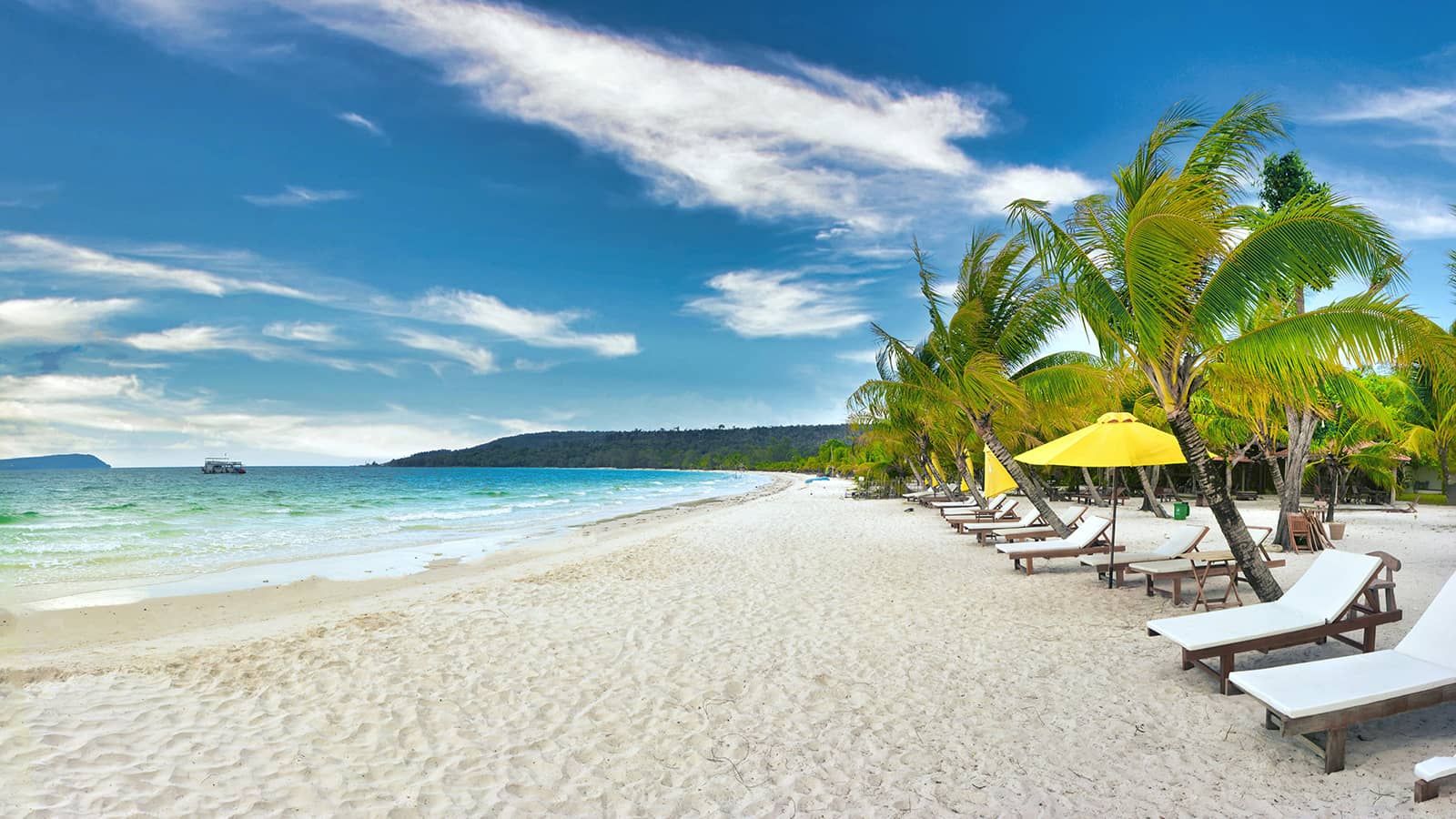
📷 Featured image by CHUTTERSNAP on Unsplash.