💰 Click here to see Malaysia Budget Breakdown
💰 Prices updated: October, 2026. Budget figures are estimates — always verify before travel.
Exchange Rate: $1 USD = RM4.08
Daily Budget (per person)
Shoestring: RM100.00 – RM180.00 ($24.51 – $44.12)
Mid-range: RM250.00 – RM450.00 ($61.27 – $110.29)
Comfortable: RM500.00 – RM1,000.00 ($122.55 – $245.10)
Accommodation (per night)
Hostel/guesthouse: RM30.00 – RM60.00 ($7.35 – $14.71)
Mid-range hotel: RM110.00 – RM200.00 ($26.96 – $49.02)
Food (per meal)
Budget meal: RM15.00 ($3.68)
Mid-range meal: RM35.00 ($8.58)
Upscale meal: RM100.00 ($24.51)
Transport
Single metro/bus trip: RM2.00 ($0.49)
Monthly transport pass: RM50.00 ($12.25)
One question floods Malaysian travel forums every year: “Tioman or Perhentian?” In 2026, a second question has joined it — “Are the ferries running yet?” The East Coast monsoon window confusion has gotten worse as shoulder seasons shift, and a spate of last-minute cancellations in late 2024 left travellers stranded in Mersing and Kuala Besut. This guide cuts Through that noise with specific, current information so you can actually plan a trip that goes smoothly.
Two Islands, Very Different Vibes
People lump Tioman and the Perhentians together because they’re both Malaysian tropical islands with coral reefs. That’s roughly where the similarity ends.
Tioman Island sits off the Pahang coast, reachable from Mersing or Tanjung Gemok. It’s bigger — about 39 kilometres long — and feels almost like a small community with a permanent population, a handful of kampung villages, and a tiny airport that still handles occasional flights from Singapore. There’s a road (partial, rough), a couple of minimarkets, and a mosque you’ll hear at dawn. The jungle interior has waterfall hikes that take you completely away from the beach crowd. Arriving by ferry and watching the granite peaks of Tioman rise out of the South China Sea, still green all the way to the summit — that moment alone makes the journey worth it.
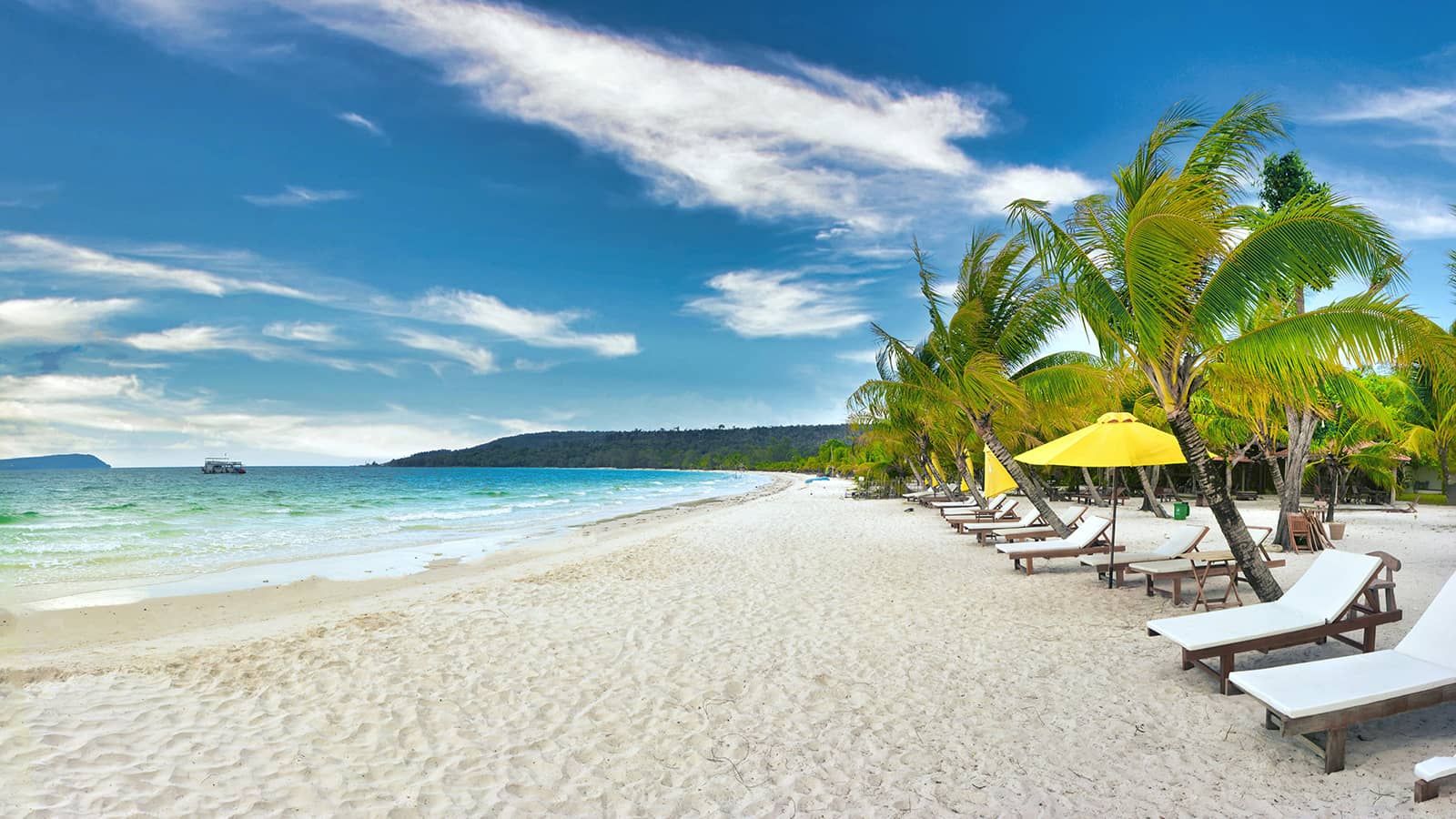
The Perhentian Islands — Perhentian Besar (Big) and Perhentian Kecil (Small) — are off Terengganu, near the Thai border. They’re smaller, closer together, and have almost no permanent civilian population outside the tourism season. Kecil is the backpacker island: Long Beach has cheap chalets, the kind of open-air bars where someone is always playing guitar badly, and the energy of a place that never quite sleeps. Besar is calmer, with proper resorts and families. Neither island has an airport. The water on both is a specific shade of turquoise that photographs like a filter has been applied — it hasn’t.
Getting There in 2026
The biggest infrastructure update for East Coast island travel is the completed electrified KTM East Coast Line extension, which by early 2026 connects Gemas to Kota Bharu with reduced journey times. From KL Sentral, you can now reach Wakaf Baharu (the station for Kota Bharu, near the Perhentian ferry point at Kuala Besut) in around 7 hours on the ETS-linked service, down from the older 10-hour slog. Book KTM tickets at least two weeks ahead during peak season — seats sell fast.
For Tioman, most travellers still take the bus from KL’s TBS (Terminal Bersepadu Selatan) to Mersing in Johor (roughly 4 hours, MYR 35–45), then a ferry from Mersing Jetty. Tanjung Gemok in Pahang is the alternative jetty if you’re coming from the north — buses from KL to Kuantan connect there. Ferry journey times vary: Mersing to Tioman takes 1.5 to 4 hours depending on which village you’re headed to and sea conditions. Always check whether your accommodation is in Air Batang (ABC), Salang, or Juara, because they’re served by different ferry stops.
For Perhentian, take the train or bus to Kota Bharu or Jerteh, then a taxi or Grab to Kuala Besut Jetty. Speedboats to the Perhentians take about 45 minutes and cost MYR 70–80 return (2026 rates). The last boat back from the islands is usually around 5:00 PM — missing it means an unplanned overnight.
Underwater Malaysia — Diving and Snorkelling at Each Island
Both destinations are inside or adjacent to marine parks, which means no fishing, no anchoring on coral, and no taking of any marine life. Enforcement has tightened since 2024 following a coral bleaching incident that damaged sections of Tioman’s southern reefs.
Tioman is consistently rated among Southeast Asia’s best dive sites. Renggis Island, just off Berjaya Tioman Resort, is excellent for beginners — shallow, calm, and busy with turtles that have become almost blasé about divers. Tiger Reef and Labas Island are deeper sites with strong currents, better suited to certified open-water divers or above. Visibility in peak season (April–October) regularly hits 20+ metres. Several PADI-certified dive centres operate out of Salang and Air Batang villages, charging around MYR 180–220 for a two-dive fun dive package in 2026.
Perhentian is famous for its ease of access to good snorkelling — you can wade straight in from certain beaches and be surrounded by reef fish within minutes. Turtle Point near Besar lives up to its name. For diving, sites like Sugar Wreck (a small sunken vessel) and D’Lagoon add variety. Dive operators on Kecil’s Long Beach are competitively priced, often running specials during the early season in May. Expect MYR 160–200 for a two-dive package.
Snorkelling trips run by boat from both islands cost MYR 50–80 per person for a half-day, including mask and fins. Bring your own reef-safe sunscreen — regular sunscreen is banned inside marine parks and rangers do check.
Where to Eat on the Islands
Don’t arrive expecting the food scene of Penang or KL. These are islands with limited supply chains and generators that occasionally go off at night. That said, eating well is entirely possible.
On Tioman, the restaurant at Nazri’s II in Air Batang does a legitimately good grilled barracuda — ordered in the morning, caught that afternoon, on your table by evening. The sambal they serve alongside it is made in-house, dark and oily with a slow burn that creeps up after the second mouthful. A full fish dinner for two runs about MYR 60–80. Salang has a few more options including a place called Khaleel’s that does solid nasi campur for breakfast and lunch.
On Perhentian Kecil, Mama’s Kitchen on Long Beach has fed backpackers for decades and remains reliable for nasi goreng, mee goreng, and fresh juices. Coconut Garden on Besar leans toward Western comfort food — pasta, burgers — at resort prices (MYR 25–40 per main). There’s a small convenience shop on Kecil where you can buy instant noodles, snacks, and water at expected island markup. Budget accordingly.
Day Trip or Overnight?
For Tioman: a day trip is technically possible from Mersing, but barely worth the ferry fare. The earliest ferry over and the last one back gives you maybe 5 hours on the island. Do at least two nights, ideally three. The island rewards slowness — a morning snorkel, a waterfall walk in the afternoon heat, a long dinner. Four nights is the sweet spot for divers who want to hit multiple sites.
For Perhentian: two nights minimum, three if you want to properly decompress. One night is genuinely too short once you factor in travel time from Kuala Besut. The islands are small enough that you’ll see most of Kecil in one day, so day two becomes about going deeper — better snorkel spots by boat, evening beach time, the kind of slow meal where you’re not watching the clock.
2026 Budget Reality
Tioman Island
- Budget: MYR 60–100/night (basic fan chalet, shared bathroom at places like Mokhtar’s or Bamboo Hill). Add MYR 30–50/day for food eating at village restaurants.
- Mid-range: MYR 150–250/night (air-conditioned chalets with en-suite at ABC or Salang). Full day including food and one snorkel trip: MYR 100–150.
- Comfortable: Berjaya Tioman Resort starts around MYR 450–600/night for a sea-view chalet. Their dive packages are bundled and can represent reasonable value for non-budgeters.
Perhentian Islands
- Budget: MYR 50–80/night on Kecil for a basic chalet. Eating from Mama’s Kitchen keeps daily food costs around MYR 40–60.
- Mid-range: MYR 120–200/night for a decent air-conditioned room on Besar. Total daily spend including a dive: MYR 250–300.
- Comfortable: Tuna Bay Island Resort and Coral View Island Resort sit in the MYR 350–500/night range with included breakfast.
Both islands charge a Marine Conservation Fee: MYR 30 per person per visit as of 2026, payable at the jetty.
Practical Tips Before You Go
Monsoon timing is the single most important factor. Both destinations close almost entirely from November through early March. The Perhentians typically open in mid-March; Tioman follows slightly later, with most operators back by April. The window runs to October, with July and August being peak crowd months. Late May and early June offer good weather with fewer tourists.
Booking accommodation is straightforward via standard platforms, but for Tioman’s smaller guesthouses, WhatsApp direct booking is still common and sometimes cheaper. Many Tioman operators list on Booking.com but prefer direct contact once you’ve found them.
Bring cash. ATMs do not exist on either island. The nearest ATM to Perhentian is in Kuala Besut town; for Tioman, it’s back in Mersing. Bring more than you think you need — unexpected extra nights happen when seas turn rough and boats cancel.
Phone signal on both islands has improved since 2024 with additional towers, but it remains patchy. Celcom and Maxis fare slightly better than Digi on Tioman. On the Perhentians, Wi-Fi at guesthouses is the more reliable option for staying connected, though speeds are modest.
Frequently Asked Questions
Which is better for families — Tioman or Perhentian?
Tioman is generally better for families with young children. The calmer beaches at Air Batang and Juara, plus the presence of a small permanent community, make it feel more settled. Perhentian Besar also works well for families, but the overall vibe of the Perhentians leans toward younger travellers, especially on Kecil’s Long Beach.
Can I travel between Tioman and Perhentian on one trip?
Yes, but it’s a full overland day between them — ferry back to Mersing or Tanjung Gemok, bus or car to the East Coast highway, travel north to Kuala Besut. Most travellers choose one per trip unless they have at least 10 days. There is no direct boat connection between the two island groups.
Are the Perhentian Islands suitable for non-swimmers?
Partially. You can still enjoy the beaches, food, and atmosphere without swimming, and snorkelling with a life vest is an option that many operators offer. However, much of what makes the Perhentians exceptional — the reefs, the turtles, the underwater visibility — requires getting in the water. Non-swimmers get significantly less from the islands than swimmers do.
What is the marine conservation fee and who collects it?
Both Tioman and the Perhentians sit within designated marine parks managed by the Department of Marine Parks Malaysia. The conservation fee is MYR 30 per person per entry in 2026, paid at the respective jetties (Mersing/Tanjung Gemok for Tioman, Kuala Besut for Perhentian). The fee is separate from your ferry ticket and covers your entire stay. Keep your receipt — rangers check.
📷 Featured image by Bernd 📷 Dittrich on Unsplash.