On this page
- Malaysia’s Major Festivals at a Glance
- Hari Raya Aidilfitri — Celebration After the Long Fast
- Chinese New Year — 15 Days That Transform the Country
- Thaipusam — Devotion on a Scale That Defies Expectation
- Deepavali — The Festival of Lights and What It Means
- Gawai and Kaamatan — Harvest Festivals of Borneo
- George Town Festival and Rainforest World Music Festival
- 2026 Budget Reality — What Festivals Actually Cost
- How to Be a Respectful Festival Guest
- Frequently Asked Questions
Planning a trip around Malaysia’s festivals in 2026 is genuinely exciting — but also genuinely confusing. The public holiday Calendar shifts every year because several major celebrations follow the lunar or Islamic calendar, not fixed Gregorian dates. Add to that the fact that Malaysia’s festivals span four major ethnic communities and dozens of indigenous groups, and you’re looking at a country where something significant is happening almost every month. This guide cuts through the noise and tells you what each festival actually is, what you’ll see and feel on the ground, and how to engage with it properly as an outsider.
Malaysia’s Major Festivals at a Glance
Malaysia is roughly 70% Muslim Malay, with large Chinese and Indian communities and a significant indigenous population — particularly in Sabah and Sarawak. Each group brings its own major celebrations, and in 2026, these don’t just coexist politely. They overlap, influence each other, and in many cases, Malaysians from all backgrounds join in. Neighbours drop off food. Office mates get invited to open houses. That cultural generosity is one of the most genuinely unusual things about this country.
The broad calendar for 2026 looks like this: Chinese New Year falls in late January, Thaipusam follows weeks later in February, Hari Raya Aidilfitri lands in late March into early April (depending on the moon sighting), Gawai and Kaamatan run in late May to early June, and Deepavali arrives in October. Malaysia Day on 16 September sits in the middle of it all as a national celebration of the federation.
Hari Raya Aidilfitri — Celebration After the Long Fast
Hari Raya Aidilfitri marks the end of Ramadan, the Islamic month of fasting. In 2026, it falls around late March. For the month before it, the atmosphere across Malaysia shifts — mamak stalls stay busy late into the night as families break fast together, the smell of beef rendang simmering in coconut milk and dry spices drifts from home kitchens, and the streets fill with Raya bazaars selling traditional clothes and cookies called kuih raya.
On the day itself, families dress in matching baju Melayu or baju kurung — traditional Malay attire in coordinated colours — and attend morning prayers at the mosque. The rest of the day is for family visits and open houses. The open house tradition is genuinely Malaysian: anyone is welcome, regardless of religion or background. You may find yourself eating ketupat (compressed rice cakes) wrapped in woven coconut leaves, or lemang (glutinous rice cooked inside bamboo), alongside people you’ve only just met.

For travelers, the week around Hari Raya means major cities like Kuala Lumpur quiet down significantly as the Malay population returns to their hometowns. Some businesses close. Transport is packed in the days before. Plan around this, not against it.
Chinese New Year — 15 Days That Transform the Country
Chinese New Year in Malaysia is not a single-day event. It runs for 15 days, ending with Chap Goh Mei — the Chinese equivalent of Valentine’s Day — and the entire period carries specific traditions, superstitions, and foods that trace back to ancestral observance in Fujian, Hakka, and Cantonese communities that settled in Malaysia generations ago.
In 2026, the Year of the Snake begins on 29 January. In the weeks before, shopping malls play Mandarin pop music on loop, markets fill with mandarin oranges (a symbol of prosperity), and families deep-clean their homes to sweep out old bad luck. The eve of New Year is the reunion dinner — the most important meal of the year, eaten at home or at a restaurant, with dishes that carry symbolic meaning: whole fish for abundance, long noodles for longevity, and yee sang (a raw fish salad tossed together dramatically at the table for good luck).
During the 15 days, lion dance troupes visit shops and homes, their cymbals and drums loud enough to rattle your chest from half a street away. Firecracker noise is legally restricted in 2026, but legal fireworks and the symbolic “ang pow” red envelope gifting tradition continue throughout. Temples hold packed ceremonies, and George Town in Penang transforms into something extraordinary — the Malay-Chinese Peranakan heritage architecture lit up in red lanterns, the streets smelling of incense and fried nian gao (sticky rice cake).
Thaipusam — Devotion on a Scale That Defies Expectation
Thaipusam happens in the Tamil month of Thai (January or February) and honours the Hindu god Murugan. At Batu Caves in Selangor — the most famous location in Malaysia — over a million people gather for what is one of the largest Hindu festivals outside India.
What you witness here has no real equivalent elsewhere. Devotees carry kavadi — elaborate metal frames decorated with flowers, peacock feathers, and fruit — attached to their bodies through metal skewers pierced through their skin. This is not performance. It is a deeply personal act of faith and gratitude, often undertaken to fulfil a vow made to Murugan during a time of hardship. Devotees enter a trance state before and during the piercing, guided by priests and family. The atmosphere is charged — chanting, drumming, incense smoke, and the slow climb of hundreds of kavadi-bearers up the 272 steps to the main cave shrine.
Travelers are welcome to observe, but this is sacred ground. Dress modestly (covered shoulders and knees), remove shoes where indicated, and do not photograph individuals in trance without awareness of the solemnity of the moment.
Deepavali — The Festival of Lights and What It Means
Deepavali — called Diwali elsewhere — arrives in October or November and celebrates the victory of light over darkness, knowledge over ignorance, in Hindu tradition. In Malaysia, it is primarily celebrated by the Tamil Hindu community, which traces its roots to South Indian workers who came to the peninsula during the British colonial period.
Homes are decorated with oil lamps called kolam — intricate patterns drawn at the entrance with coloured rice flour or chalk — and the smell of fresh jasmine garlands hangs in the air along Little India streets in KL’s Brickfields and Penang’s Lebuh Pasar area. Traditional sweets like murukku (crunchy spiral snacks), ladoo (dense sweet balls of chickpea flour and ghee), and payasam (milk pudding with saffron) are prepared and shared.
Like Hari Raya, Deepavali has an open house culture in Malaysia — Indian Malaysian families welcome guests of all backgrounds, and it is not unusual to eat a full South Indian meal seated on a banana leaf at someone’s home having met them only briefly. This openness is worth accepting graciously.
Gawai and Kaamatan — Harvest Festivals of Borneo
These two celebrations are far less known internationally but are among the most culturally rich on the Malaysian calendar. Both happen around late May to early June in East Malaysia.
Gawai Dayak is celebrated by the Iban and other Dayak communities in Sarawak on 1–2 June. It marks the end of the rice harvest season and is a time to give thanks to the spirits, feast on tuak (a mildly fermented rice wine), and perform traditional ngajat dances in full warrior regalia — woven cloth, hornbill feathers, and brass ornaments that represent generations of craft. Longhouses open their doors to guests, and the atmosphere on the eve (Gawai Eve) is something between a village-wide party and a ceremony of real cultural weight.
Kaamatan is the equivalent harvest festival of the Kadazan-Dusun and Murut peoples in Sabah, held on 30–31 May. The Unduk Ngadau — a harvest queen beauty pageant rooted in a legend of sacrifice — is a central event. Tapai (rice wine) flows freely, traditional music from gongs and bamboo instruments fills the air, and the celebration connects Sabah’s indigenous communities to their agrarian heritage in a way that feels entirely genuine, not staged for tourists.
George Town Festival and Rainforest World Music Festival
Beyond ethnic and religious celebrations, Malaysia hosts two internationally significant arts and culture events that attract travellers specifically for the experience.
The George Town Festival in Penang runs through August, celebrating the city’s UNESCO World Heritage status with visual art installations, theatre, film, and street performances. In 2026, the festival has expanded its fringe programme, with pop-up events in heritage shophouses along Armenian Street and the waterfront. It is as much about activating the city’s architecture as it is about the performances inside it.
The Rainforest World Music Festival takes place in Kuching, Sarawak, typically in July at the Sarawak Cultural Village. It brings together traditional musicians from Borneo’s indigenous communities alongside international artists, in an outdoor setting surrounded by actual rainforest. The daytime workshops — where you can learn to play sape (a Bornean lute) or join a traditional music session — are as valuable as the evening concerts.
2026 Budget Reality — What Festivals Actually Cost
Most Malaysian festivals themselves are free to attend as a visitor. What costs money is getting there, staying nearby, and eating during peak periods.
- Budget tier (under MYR 150/day): Staying in guesthouses or budget hotels 20–30 km from festival centres, using public transport (MRT, LRT, KTM, and bus networks have all expanded since 2024), and eating at hawker stalls and night markets. Festival food stalls typically charge MYR 5–15 per dish.
- Mid-range (MYR 150–400/day): Mid-tier hotels in or near city centres, occasional Grab rides, eating at kopitiams and casual restaurants. Budget MYR 20–50 per meal at sit-down spots.
- Comfortable (MYR 400+/day): City-centre hotels, private transport for Gawai or Kaamatan longhouse visits (which often require guides — expect MYR 200–400 for a guided longhouse experience in Sarawak), and dining at heritage restaurants during CNY or Deepavali.
Note: Hotel prices during Chinese New Year week and Hari Raya in KL and Penang surge significantly — sometimes doubling. Book accommodation at least six to eight weeks in advance for those periods in 2026.
How to Be a Respectful Festival Guest
Malaysian festival hospitality is extraordinary, but it comes with real expectations — mostly unspoken, but important.
- Accept food when offered. Declining food at an open house or longhouse can read as rude. If you have dietary restrictions, accept and explain quietly — Malaysians are accommodating once they understand.
- Use your right hand. In Malay and Indian cultural contexts, the left hand is considered unclean. Use your right hand to eat, pass food, or give and receive items.
- Dress modestly. This applies especially at Thaipusam (Batu Caves), any mosque visit during Hari Raya prayers, and temple events during Deepavali. Covered shoulders and knees is the baseline.
- Ask before photographing people in ritual states. This is most critical at Thaipusam, where kavadi-bearers in trance should not be treated as photo subjects without awareness.
- Bring a small gift if invited to a home. Fruit is safe across cultures. Avoid alcohol unless you know the family drinks. Do not bring pork products to a Malay home.
Frequently Asked Questions
When is the best time to visit Malaysia for festivals?
January to April offers the densest festival period — Chinese New Year, Thaipusam, and Hari Raya often fall within weeks of each other in 2026. June is ideal for Borneo’s Gawai and Kaamatan harvest festivals. October brings Deepavali. There is genuinely no bad month for cultural experiences in Malaysia.
Are Malaysia’s festivals open to non-Muslim or non-Hindu visitors?
Yes, almost universally. Malaysians are known for their open house culture, and most religious festivals welcome respectful outside visitors. The key is dressing appropriately, following guidance at sacred sites, and approaching with genuine curiosity rather than treating ceremonies as entertainment. You will rarely be turned away if you are clearly respectful.
Do festivals affect transport and business closures in Malaysia?
Significantly, yes. Hari Raya causes the largest domestic migration in Malaysia — intercity buses and trains sell out weeks ahead. Chinese New Year closes many Chinese-owned businesses for several days. Plan transport early and confirm hotel and restaurant opening hours around major festival dates, particularly in 2026 when Hari Raya falls close to Easter weekend.
What should I wear to Malaysian festival events?
Modest clothing works everywhere — covered shoulders and knees, nothing tight or revealing. At temples (Thaipusam, Deepavali) and mosques (Hari Raya), remove shoes. At Batu Caves, sarongs are available to borrow at the entrance. For Gawai and Kaamatan, smart casual is fine — some hosts may even dress you in traditional Dayak or Kadazan attire, which you should accept warmly.
Is it safe to travel in Malaysia during major festivals?
Yes. Malaysia’s major festivals are family-oriented and generally calm. Thaipusam draws massive crowds at Batu Caves, so standard crowd-safety awareness applies — keep bags secure, stay with your group, and avoid the densest crowd peaks if you are not comfortable with very large gatherings. The expanded 2026 crowd management at Batu Caves includes dedicated pedestrian lanes that reduce congestion compared to previous years.
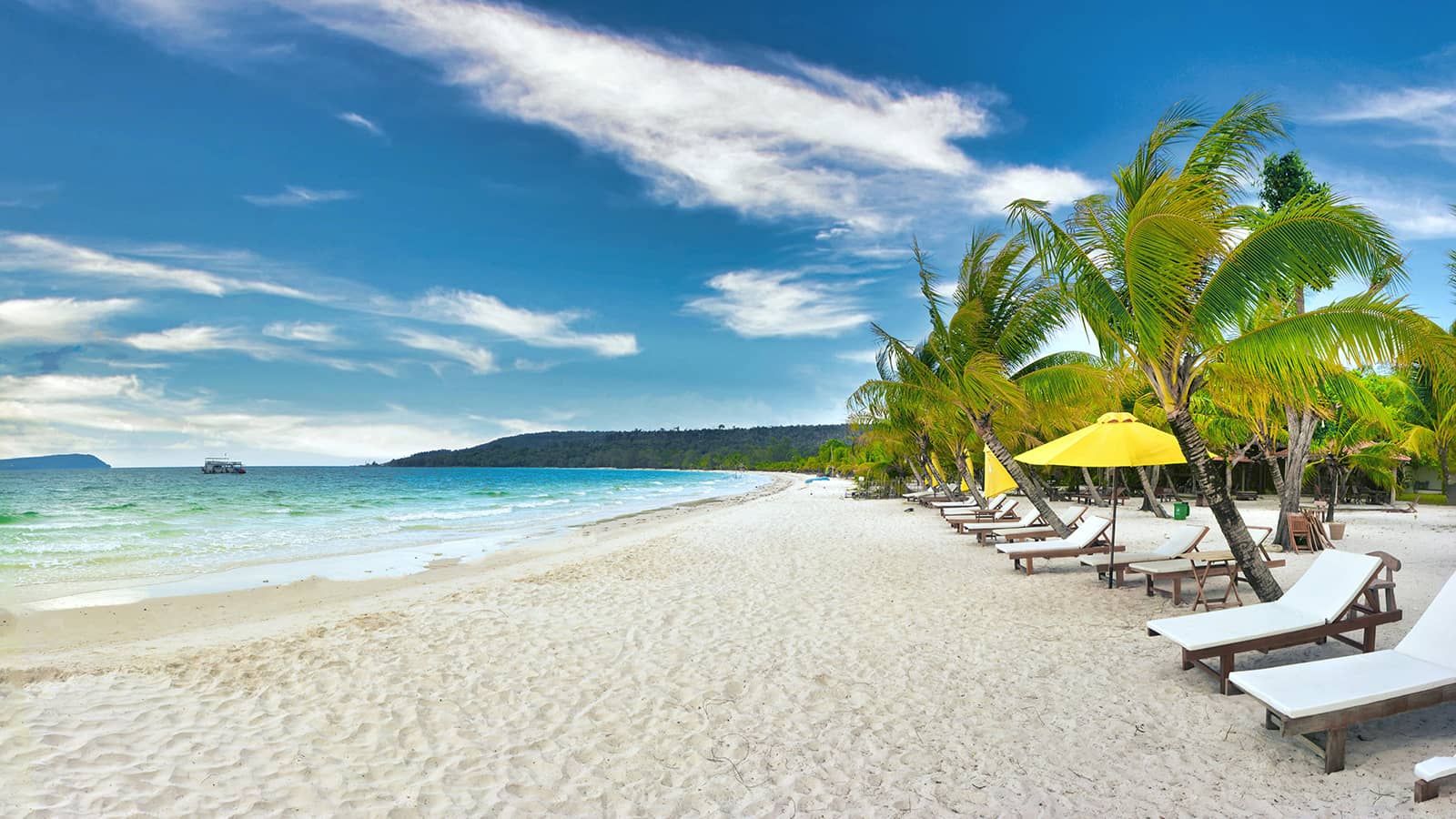
📷 Featured image by Kelvin Zyteng on Unsplash.