On this page
- Why Getting Transport Right in Langkawi Actually Changes Your Trip
- Getting to Langkawi by Ferry
- Flying into Langkawi International Airport
- Renting a Car in Langkawi — The Smartest Way to Explore
- Motorbike and Scooter Hire
- Grab, Taxis, and E-Hailing — The Honest Reality
- Cycling Around Langkawi
- Getting Between the Islands — Boat Charters and Water Taxis
- The Langkawi Cable Car — Getting There and Navigating the Complex
- Airport and Ferry Terminal Transfers — Step by Step
- 2026 Transport Cost Breakdown
- Practical Transport Tips for Langkawi in 2026
- Frequently Asked Questions
💰 Click here to see Malaysia Budget Breakdown
💰 Prices updated: August, 2026. Budget figures are estimates — always verify before travel.
Exchange Rate: $1 USD = RM4.03
Daily Budget (per person)
Shoestring: RM100.00 – RM200.00 ($24.81 – $49.63)
Mid-range: RM180.00 – RM400.00 ($44.67 – $99.26)
Comfortable: RM450.00 – RM1,300.00 ($111.66 – $322.58)
Accommodation (per night)
Hostel/guesthouse: RM20.00 – RM70.00 ($4.96 – $17.37)
Mid-range hotel: RM100.00 – RM350.00 ($24.81 – $86.85)
Food (per meal)
Budget meal: RM15.00 ($3.72)
Mid-range meal: RM35.00 ($8.68)
Upscale meal: RM100.00 ($24.81)
Transport
Single metro/bus trip: RM2.00 ($0.50)
Monthly transport pass: RM150.00 ($37.22)
Why Getting Transport Right in Langkawi Actually Changes Your Trip
Langkawi is not like Penang or Kuala Lumpur, where you can survive on public transport and Grab rides. This island runs on its own logic. There is no MRT, no city bus network worth relying on, and Grab availability is patchy outside of the Kuala Lumpur context many visitors arrive expecting. In 2026, with tourist arrivals continuing to climb following Malaysia’s expanded duty-free tourism push and new direct flight routes opening up, more travelers than ever are landing at Langkawi Airport or stepping off the ferry at Kuah — and immediately wondering how to actually get anywhere. Get the transport question wrong and you end up stranded at your resort, overpaying for taxis, or missing half the island. Get it right and Langkawi opens up completely.
Getting to Langkawi by Ferry
The ferry is the most popular way to reach Langkawi for travelers coming overland through peninsular Malaysia, and it remains a viable and affordable option in 2026 — provided you understand the routes and book ahead during peak season.
From Penang (Swettenham Pier)
The Penang to Langkawi ferry departs from Swettenham Pier in Georgetown and takes approximately 2.75 to 3 hours depending on sea conditions. In 2026, Langkawi Ferry Services (LFS) and Ekspres Bahagia both operate this route. Departures are typically twice daily, usually around 8:30am and 2:30pm, but schedules shift in peak periods. Return fares run around MYR 80–100 for adults. The crossing can be rough during the southwest monsoon (May to October) — if you’re prone to seasickness, take medication before boarding, not after. The open sea stretch between Penang and Langkawi is not sheltered.
From Kuala Perlis
This is the fastest and cheapest crossing to Langkawi. Kuala Perlis is in the far north of peninsular Malaysia, and the ferry crossing to Kuah takes only about 45 minutes. Fares are roughly MYR 23–30 one way. Ferries run frequently throughout the day, starting around 7am. To reach Kuala Perlis, you can take a bus from Alor Setar or catch a train to Arau station (the nearest KTM stop), then a short taxi or Grab ride to the ferry terminal. If you’re traveling from Thailand by land, this route makes logical geographic sense.

From Kuala Kedah
Kuala Kedah is the other popular departure point on the mainland, located about 12 kilometres from Alor Setar. The crossing to Kuah takes around 1.5 hours. Fares are in the MYR 23–35 range. Buses from Alor Setar connect to the terminal, and Alor Setar has its own train station on the KTM Intercity line, making this an accessible route for travelers coming from KL by train.
Arriving at Kuah Jetty
All international and domestic ferries arrive at Kuah Jetty, in the island’s main town of Kuah. The terminal itself is functional but not fancy. Outside, you’ll find taxi booths with fixed-rate pricing to various parts of the island — this is important, because metered taxis don’t really exist here. A taxi from Kuah to Pantai Cenang (the main beach strip) costs around MYR 35–45 depending on the time of day. Car rental booths are also available at the jetty if you want to sort that immediately on arrival.
Flying into Langkawi International Airport
Langkawi International Airport (LGK) sits about 20 kilometres northwest of Kuah and is the fastest way to arrive, especially from Kuala Lumpur. The drive into Pantai Cenang from the airport takes only about 10 minutes — the airport is practically next door to the main beach area, which is one of Langkawi’s great logistical conveniences.
Airlines and Routes in 2026
AirAsia dominates the domestic market, with multiple daily flights from KL Sentral (KLIA2). The flight takes about 55 minutes. Malaysia Airlines operates the route from KLIA as well. In 2026, Batik Air (formerly Malindo) resumed expanded regional services, and there are now direct flights to Langkawi from Singapore (Scoot and AirAsia), Bangkok, and Kuala Lumpur on a regular year-round basis. A new direct seasonal service from Taipei launched in late 2025 and continues into 2026. Domestic one-way fares from KL start around MYR 89–160 on budget carriers when booked ahead, though peak-season prices can push past MYR 300.
Arriving at the Airport
The airport is small and manageable. After clearing arrivals — which takes under 20 minutes for domestic passengers — you’ll find taxi counters operating fixed-rate coupon taxis. Fares to Pantai Cenang run about MYR 20–25, and to Kuah or Pantai Tengah it’s MYR 25–40. Some car rental desks are located in the arrivals hall, which is worth using if you’ve pre-booked. Grab works in the airport area in 2026, though driver supply is inconsistent and you may wait 15–25 minutes during quieter periods.
Renting a Car in Langkawi — The Smartest Way to Explore
Langkawi is essentially designed for cars. The roads are well-maintained, fuel is cheap (the island’s duty-free status keeps petrol prices lower than the mainland), traffic is light outside of the Pantai Cenang strip, and the island’s main loop is only about 70–80 kilometres. A car gives you the freedom to chase waterfalls, visit Telaga Tujuh before the crowds arrive, or drive the quiet northeastern coast at your own pace.
Where to Rent
Car rental agencies operate from both the airport and Kuah Jetty. Established local operators include Kasina Car Rental, Mayflower Car Rental, and several smaller family-run outfits in Pantai Cenang. Prices in 2026 range from MYR 100–180 per day for a compact car (like a Perodua Myvi or Axia), and MYR 180–280 for an SUV or larger vehicle. Most require a credit card for the deposit. International driving licenses are accepted, though many rental companies will accept a valid home country license if it’s in English — carry your passport regardless.
Fuel and Driving Notes
Petrol stations are easy to find in Kuah and along the main roads. RON95 is the standard fuel and costs noticeably less than on the mainland due to Langkawi’s duty-free status — expect around MYR 1.90–2.10 per litre in 2026. Driving is on the left, speed limits are posted in kilometres per hour (generally 60–90 kph on main roads), and road signage is in both Malay and English. The road around Gunung Mat Chinchang (the cable car mountain) is narrow and steep — go slowly.
Motorbike and Scooter Hire
Scooters are the backpacker’s standard in Langkawi, and for good reason — they’re cheap, easy to park, and genuinely fun on the island’s quieter roads. In 2026, daily scooter rental runs MYR 35–60 for a 115cc–125cc automatic bike, available from dozens of shops clustered around Pantai Cenang and near the Kuah Jetty area.
You’ll typically just need to leave a copy of your passport as deposit, and some shops ask for cash upfront. Helmets are provided and wearing them is legally required in Malaysia — this is enforced. Riding a scooter without a motorcycle license is technically illegal in Malaysia regardless of your home country license class, and while enforcement against tourists has been inconsistent historically, there were increased spot checks in Langkawi during 2025 that have continued into 2026. If you hold a valid motorcycle license from your home country, you’re covered with your international driving permit. If you don’t, that’s a genuine risk assessment you need to make yourself.
Stick to the main roads if you’re not an experienced rider. Some of the jungle-edge roads leading to waterfalls and viewpoints can be slippery when wet, and wet season afternoon downpours arrive fast.
Grab, Taxis, and E-Hailing — The Honest Reality
Let’s be direct about this: Langkawi is one of the harder places in Malaysia to rely on Grab. The island’s driver pool is small. Outside of Pantai Cenang, Kuah, and the airport corridor, getting a Grab accepted can take 20–40 minutes, or the app may show no drivers available at all — particularly in the evenings and during poor weather.
Traditional metered taxis don’t operate in Langkawi. Instead, the island uses a fixed-rate taxi coupon system managed through official taxi booths at the airport, Kuah Jetty, and some major tourist spots. These fares are regulated and transparent, which is good — but the supply of taxis at off-peak hours can be thin. If your resort is in a remote area like Datai Bay or Tanjung Rhu in the north, factor in taxi costs of MYR 60–90 per trip for longer rides, and plan accordingly.
In 2026, a local e-hailing service called Daiken (popular in East Malaysia and now expanded to some West Malaysia resort islands) is operating in Langkawi with a small fleet. It’s worth having the app downloaded alongside Grab as a backup. Response times are often faster for off-peak and off-strip requests.
Cycling Around Langkawi
Cycling in Langkawi is genuinely viable in certain areas, but the full island loop is ambitious — it’s hilly in parts, hot, and some stretches lack proper shoulder lanes. That said, the flat coastal strip between Pantai Cenang and Pantai Tengah (about 3 kilometres) is excellent for cycling, and the road north toward Pantai Kok along the western coast is beautiful and relatively manageable in the early morning before the heat builds.
Bicycles rent for MYR 15–30 per day from shops along Pantai Cenang. Electric bikes (e-bikes) are available at a few operators for MYR 60–90 per day and make the hillier routes much more accessible — particularly useful for getting up toward the Oriental Village at the base of the cable car. Cycling is best attempted before 9am or after 5pm during dry season months to avoid riding in peak heat. The humidity sits heavy around 30–34°C during the day, and the sun on open roads is relentless.
Getting Between the Islands — Boat Charters and Water Taxis
Langkawi is surrounded by 99 islands (technically 104, depending on the tide), and exploring them by water is one of the island’s defining experiences. The smell of saltwater, the heat radiating off the limestone karst formations as your boat cuts between islands — this is what people mean when they say Langkawi is different from mainland Malaysia.
Island Hopping Tours
The standard island-hopping package departs from Pantai Cenang Beach or Telaga Harbour and typically covers Pulau Dayang Bunting (the Island of the Pregnant Maiden with its freshwater lake), Pulau Singa Besar (eagle feeding spot), and either Pulau Beras Basah or a snorkeling stop. These tours cost MYR 35–65 per person for a shared boat or MYR 250–450 for a private charter. Morning departures around 9–9:30am are most common.
Private Boat Charters
For exploring further afield — the remote northern islands, the Kilim Geoforest Park mangroves, or sunset cruises — private speedboat charters run MYR 350–800 per half-day depending on boat size and destination. Mangrove tours into Kilim are a category of their own and include guides; these run MYR 80–150 per person on shared tours. Book through licensed operators to ensure the boats are seaworthy and properly insured — your resort can typically recommend vetted providers.
Crossing to Ko Lipe (Thailand)
The international ferry to Ko Lipe operates seasonally (roughly October to May). In 2026, Bundhaya Speed Boat and Tigerline are the main operators. The crossing takes about 1.5 hours and costs MYR 130–180 one way. You clear Thai immigration on the beach at Ko Lipe. Check current visa requirements for your nationality before traveling.
The Langkawi Cable Car — Getting There and Navigating the Complex
The Langkawi SkyCab (cable car) at Gunung Mat Chinchang is one of the island’s most visited attractions, and getting there and around requires a bit of planning since it’s not central to the Pantai Cenang area.
The cable car base station is at Oriental Village in Burau Bay, about 15 kilometres from Pantai Cenang. The easiest way to get there: rent a car or scooter, or arrange a taxi from your accommodation (budget MYR 30–45 from Cenang, one way). There is no direct bus service. Grab works on this route but wait times can be significant.
At the top, the SkyBridge — a curved pedestrian suspension bridge at 687 metres altitude — offers views across the Andaman Sea and into Thailand on a clear day. The wind up there is real, and the bridge sways noticeably. The cable car itself runs in two stages with a mid-station stop. Total cable car fare (including SkyBridge access) is around MYR 55–85 for adults in 2026. Go early — the 9am or 10am gondola runs are far less crowded than midday, and cloud cover often rolls in by early afternoon, obscuring the views.
Airport and Ferry Terminal Transfers — Step by Step
From Langkawi Airport
- Clear arrivals and collect luggage — usually 15–20 minutes for domestic flights.
- Head to the taxi coupon counter in the arrivals hall. State your destination and pay the fixed rate. Keep the coupon to hand to the driver.
- If you’ve pre-booked a car rental, head to the rental desk in arrivals (or outside the terminal for some operators).
- For Grab, exit the terminal, walk to the roadside pick-up area, and request via app. Availability is better in the mornings than evenings.
From Kuah Jetty
- Exit the ferry terminal building and proceed to the official taxi booth on your left.
- State your destination and pay the coupon fare before boarding the taxi.
- Car rental kiosks are located just outside the terminal — scan operators and compare if you have time.
- If your hotel offers a pickup, confirm this at least 24 hours ahead of your ferry arrival, as the jetty area gets congested when multiple ferries arrive simultaneously.
2026 Transport Cost Breakdown
Understanding what to budget for transport in Langkawi helps you plan whether a rental car makes economic sense over cobbling together taxis and tours.
- Ferry from Kuala Perlis or Kuala Kedah: MYR 23–35 one way
- Ferry from Penang: MYR 80–100 one way
- Domestic flight from KL (budget): MYR 89–300 one way depending on timing
- Airport taxi (coupon) to Pantai Cenang: MYR 20–25
- Kuah Jetty taxi to Pantai Cenang: MYR 35–45
- Car rental per day (compact): MYR 100–180
- Scooter rental per day: MYR 35–60
- Bicycle rental per day: MYR 15–30
- E-bike rental per day: MYR 60–90
- Grab ride (Cenang to Kuah area): MYR 25–40 when available
- Taxi (long distance, e.g., to Datai Bay): MYR 60–90 one way
- Island hopping tour (shared boat): MYR 35–65 per person
- Private speedboat charter (half day): MYR 350–800
- Ferry to Ko Lipe, Thailand: MYR 130–180 one way
- Cable car + SkyBridge: MYR 55–85 per adult
Budget tier estimate (transport only, per day): MYR 30–60 sharing a scooter or using taxis sparingly. Mid-range: MYR 100–180 with a rental car plus fuel. Comfortable: MYR 200–400 with private charters and resort transfers included.
Practical Transport Tips for Langkawi in 2026
Navigation Apps
Google Maps works reliably for driving in Langkawi and road data is reasonably up to date. Waze is also functional. However, some resort driveways and jungle-road turnoffs don’t appear on either — download your destination’s GPS coordinates from their website before you leave your accommodation.
Fuel Tips
Petrol stations cluster around Kuah and the Ayer Hangat area in the north. The western coastal road between Pantai Kok and Datai has limited fuel stops — fill up before heading north or west for extended drives. Running out of fuel on a remote stretch is a real problem since Grab won’t reach you easily.
Road Conditions
Main roads are sealed and in good condition. Jungle access roads to places like Durian Perangin waterfall involve rough tracks — fine in a standard car but go slowly. After rain, loose gravel patches form quickly. Some roads in the Datai Bay area are steep with tight bends — not ideal for first-time scooter riders.
Tourist Taxi Scams
Unlicensed touts near Kuah Jetty occasionally approach arriving ferry passengers offering “cheap” rides without using the official coupon system. The fixed-rate coupon booth is the safe option — rates are posted publicly, and you have recourse if there’s a dispute. Avoid private deals made outside the terminal.
Timing Your Arrivals
Malaysian school holidays create genuine transport pressure in Langkawi. During June and December breaks, ferry terminals and the airport see heavy volumes. If you’re arriving during these periods, pre-book your accommodation transfer and have your car rental confirmation ready to show at the desk without queuing to negotiate. Early morning ferry crossings are calmer than afternoon departures across all routes.
Water and Weather Impact on Ferries
Ferry services can be suspended during rough sea conditions — this happens more in the southwest monsoon season (May to September). If you’re on a tight schedule, flying is more reliable than ferrying during these months. Ferries are generally rougher in the afternoon due to wind patterns; morning crossings tend to be smoother.
Frequently Asked Questions
Can I use Grab in Langkawi?
Grab does operate in Langkawi in 2026 but availability is limited, especially outside Pantai Cenang and Kuah. Have a backup plan — a taxi coupon, rental vehicle, or the Daiken app — rather than depending on Grab as your primary transport option.
Do I need an international driving license to rent a car in Langkawi?
Technically yes, Malaysian law requires an International Driving Permit (IDP) alongside your home country license for foreign visitors. In practice, many Langkawi rental operators accept a valid home country license in English or with a certified translation. Carry your passport. For motorcycle rental, your IDP must specifically include motorcycle class authorization to ride legally.
What is the cheapest way to get to Langkawi from Kuala Lumpur?
The cheapest combination is a KTM train from KL Sentral to Arau (around MYR 50–70 second class), a short taxi to Kuala Perlis, then the ferry to Kuah (MYR 23–30). Total cost can be under MYR 120 one way if booked ahead. Budget flights from KLIA2 can match this price when AirAsia runs promotions, making the flight sometimes competitive with land-and-sea travel time-wise.
Is it safe to ride a scooter in Langkawi?
Langkawi’s roads are generally safer than busier Malaysian cities, and scooters are widely used by tourists. The main risks are road surface changes after rain, overconfidence on unfamiliar hilly roads, and the legal issue of riding without a motorcycle-class license. If you’re an experienced rider with the correct license, scooters are an excellent way to explore. If you’ve never ridden before, start with a car rental instead.
How long does the ferry from Penang to Langkawi take?
The Penang to Langkawi ferry takes approximately 2.75 to 3 hours. See the full route details — including departure times, fares, and seasickness advice — in the ferry section above.
Explore more
Langkawi Sky Bridge & SkyCab: Your Ultimate Guide to the Iconic Ride
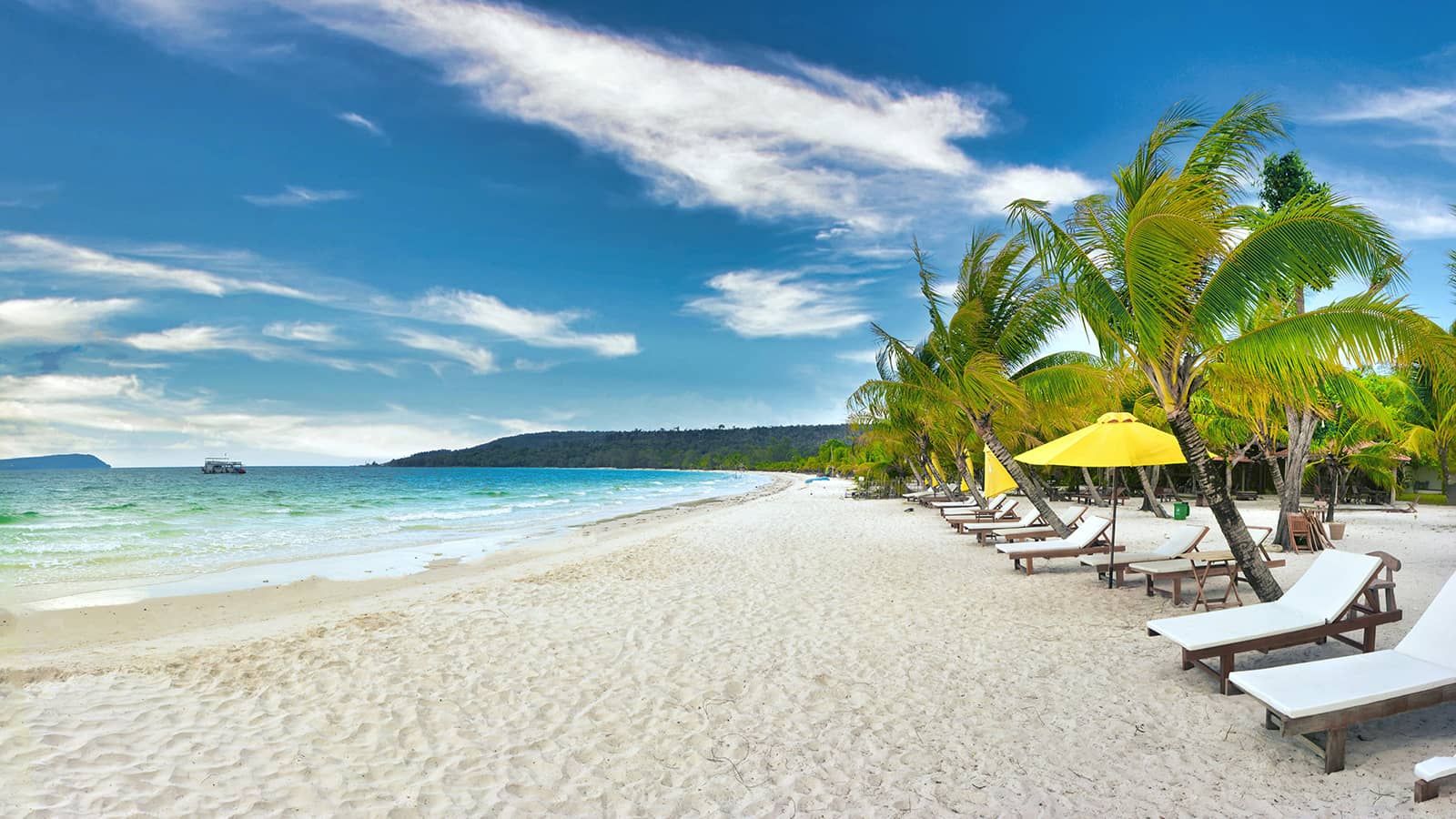
📷 Featured image by Aliff Haikal on Unsplash.