On this page
- Why the Perhentians Work for Budget Travellers
- When to Go: The Monsoon Closure and Cheaper Months
- Getting to Kuala Besut and Across to the Islands
- Kecil or Besar: Choosing Where to Sleep
- 2026 Budget Reality
- Eating Well Without Overspending
- Free and Cheap Things to Do
- Day Trip or Overnight?
- Practical Tips for Island Life
- Frequently Asked Questions
💰 Click here to see Malaysia Budget Breakdown
💰 Prices updated: November, 2026. Budget figures are estimates — always verify before travel.
Exchange Rate: $1 USD = RM4.05
Daily Budget (per person)
Shoestring: RM80.00 – RM160.00 ($19.75 – $39.51)
Mid-range: RM180.00 – RM350.00 ($44.44 – $86.42)
Comfortable: RM500.00 – RM1,000.00 ($123.46 – $246.91)
Accommodation (per night)
Hostel/guesthouse: RM30.00 – RM60.00 ($7.41 – $14.81)
Mid-range hotel: RM110.00 – RM200.00 ($27.16 – $49.38)
Food (per meal)
Budget meal: RM15.00 ($3.70)
Mid-range meal: RM35.00 ($8.64)
Upscale meal: RM100.00 ($24.69)
Transport
Single metro/bus trip: RM2.00 ($0.49)
Monthly transport pass: RM50.00 ($12.35)
Island trips in Malaysia got more expensive after 2024, and 2026 is a Visit Malaysia Year, so popular beaches are busier and rooms book out sooner. The Perhentian Islands are still one of the best-value beach destinations in the country, but only if you plan around the boat schedules, the monsoon closure and the cash-only reality on the islands.
Why the Perhentians Work for Budget Travellers
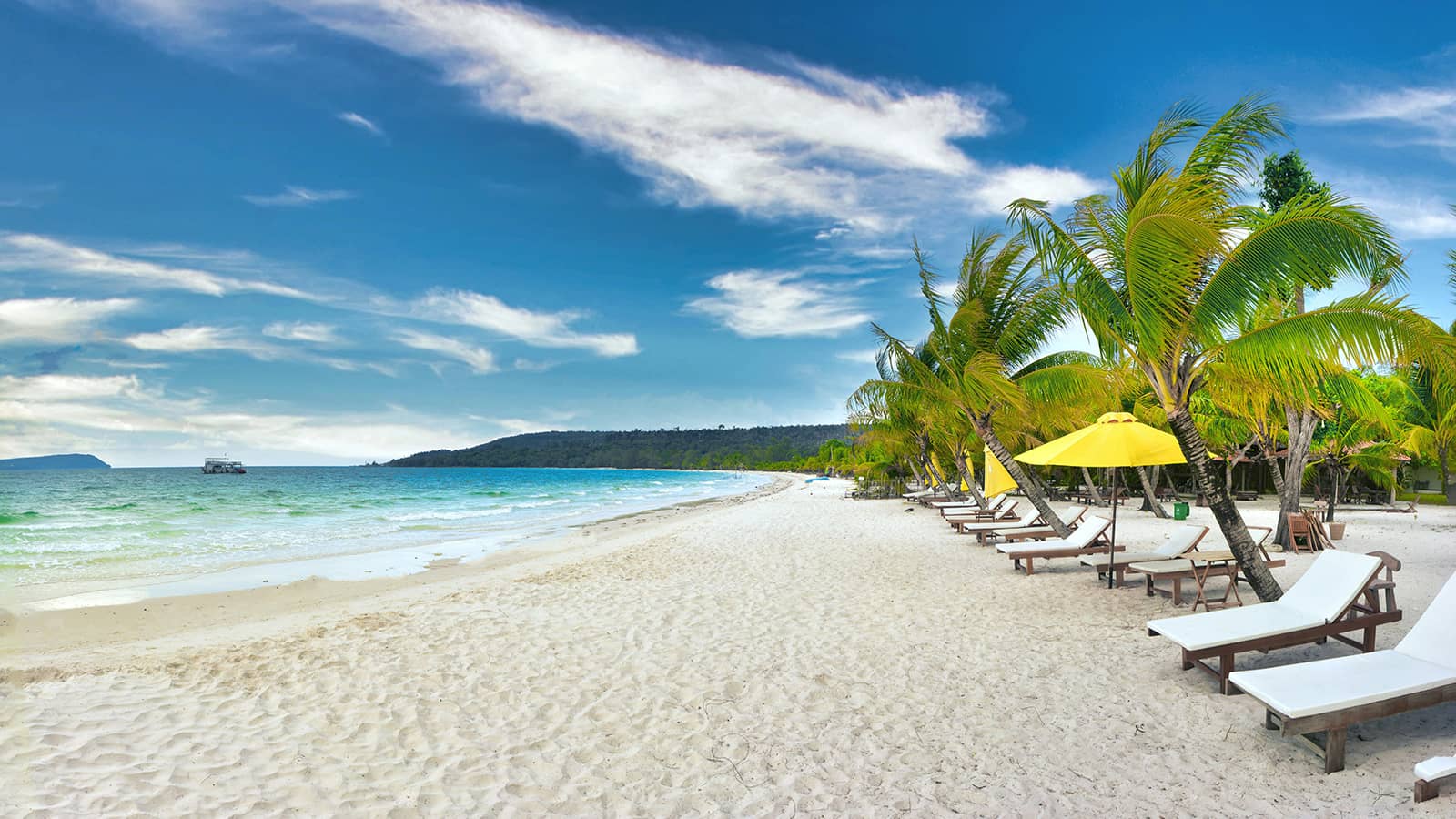
The Perhentians are two main islands, Perhentian Kecil (small) and Perhentian Besar (big), about 20 kilometres off the coast of Terengganu. There are no cars, no malls and no big hotel towers. You walk on sand paths, take small boats between beaches, and sleep in wooden chalets a few steps from the water.
That simple setup is what keeps costs low. Kecil in particular has a backpacker culture, with dorms, cheap fan rooms and beach shacks. The sand is fine and white, and it squeaks under your feet. The water is clear enough that you can often see turtles from the shore.
When to Go: The Monsoon Closure and Cheaper Months
The islands run on the northeast monsoon. From roughly November to the end of February, seas are rough, boats stop and most resorts close. Do not plan a trip in these months.
The main season is March to October. June to August has the calmest water and the highest prices, and in 2026 it will be crowded. For better value, aim for late March to May or September to early October. You get good visibility and lower room rates. Always check recent forecasts, because boat services can still be cancelled in bad weather.
Getting to Kuala Besut and Across to the Islands
Every trip starts at Kuala Besut jetty on the Terengganu coast. There are three realistic ways to reach it.
- Overnight bus from Kuala Lumpur: Buses leave from Terminal Bersepadu Selatan (TBS) and Hentian Putra and take about 8 to 9 hours. Expect RM50 to RM80. This is the cheapest option and saves a night of accommodation.
- Fly to Kota Bharu: The flight from KL takes about one hour. Budget airlines often sell fares from RM90 to RM200 each way if you book early. From the airport, a taxi or e-hailing car to Kuala Besut takes about 1 hour and costs roughly RM70 to RM100. Share it with other travellers to split the cost.
- Train and bus combination: KTM trains on the East Coast line run to Wakaf Bharu, then you continue by taxi or bus. It is slow but scenic. Check the current KTMB timetable, as schedules change.

From Kuala Besut, shared speedboats take about 30 to 40 minutes to the islands. A one-way ticket costs around RM35 to RM40, and a return ticket is usually around RM70 to RM80. Most boats leave in the morning and early afternoon. Foreign visitors also pay a marine park conservation fee, currently around RM30, which you pay at the jetty. Keep your receipt, because you may be asked to show it.
If you arrive late, sleep in Kuala Besut for a night (RM60 to RM120 for a basic room) and catch the first boat. It is cheaper than a rushed, expensive late transfer.
Kecil or Besar: Choosing Where to Sleep
Perhentian Kecil
Long Beach is the budget hub. It has the most dorms, the most food stalls and a lively evening scene. Coral Bay on the other side is quieter and faces west, so sunsets are better. A 10-minute jungle path connects the two, so you can easily switch.
Perhentian Besar
Besar is calmer and more family-friendly, with mostly mid-range resorts. Budget rooms exist but are fewer. Teluk Pauh and Teluk Dalam are the main areas. If you want snorkelling straight from the beach, Besar is good, but you will pay more for the same room quality.
For a tight budget, base yourself on Kecil. If you want a quieter day, take a water taxi to Besar for lunch rather than paying resort prices for the whole stay.
2026 Budget Reality
These are typical daily costs per person in 2026, not including transport to Kuala Besut. Foreign guests also pay a RM10 per room per night tourism tax at most registered accommodation.
- Budget (RM150 to RM220 per day): Dorm bed or basic fan chalet shared between two (RM50 to RM120), three cheap meals (RM45 to RM65), one snorkel trip (RM40 to RM60), water and extras.
- Mid-range (RM350 to RM600 per day): Air-conditioned chalet or small resort room (RM250 to RM450), restaurant meals (RM80 to RM130), a boat tour and gear rental.
- Comfortable (RM700 and up per day): Beachfront resort room (RM500 to RM900), full meals, private boat charters and dive trips.
Other costs to expect:
- Water taxi between beaches: RM20 to RM40 per trip, depending on distance.
- Snorkel gear rental: RM10 to RM20 per day.
- Three-dive or fun dive packages: around RM100 to RM150 per dive.
- Open Water course: roughly RM1,000 to RM1,300 for three to four days.
Eating Well Without Overspending
Food on the islands costs more than on the mainland because everything arrives by boat, but there are good deals. At sunset on Long Beach, small stalls light charcoal grills and the smoke carries the smell of barbecued barracuda and chicken with chilli and lime. A grilled fish set with rice and salad is often RM20 to RM30, which is good value for fresh catch.
- Beach shacks at Long Beach: Nasi goreng and mee goreng cost RM10 to RM15. Fried rice with egg is the cheapest filling meal.
- Mama’s Chicken Burger (Long Beach): A long-time backpacker favourite for cheap burgers and wraps at around RM12 to RM18.
- Coral Bay cafes: Better for coffee, banana pancakes and smoothies (RM8 to RM15), with calmer seating than Long Beach.
- Kuala Besut: Eat your last big meal here. Laksam, nasi kerabu and fried fish at the roadside stalls cost RM6 to RM12, much cheaper than island prices.
Bottled water costs RM3 to RM5. Bring a refillable bottle and fill it at your accommodation if they offer filtered water.
Free and Cheap Things to Do
You do not need many paid tours here. The best parts cost little.
- Snorkel from the beach: Coral Bay and Teluk Pauh have reef a short swim from the shore. Rent gear for the day and go early, when the water is calm.
- Island-hopping snorkel trip: A half-day trip (RM40 to RM60) usually visits Turtle Point, Shark Point and Fisherman’s Bay. Most boats leave in the morning, so book the night before.
- Jungle walk to Coral Bay: Free, shaded, and you may spot monitor lizards. Wear proper sandals.
- Sunset at Coral Bay: The sky turns orange over the water and the beach bars play low music. It costs nothing but the price of a drink.
- Turtle spotting: Green and hawksbill turtles are common. Keep at least 3 metres away and never touch them.
Day Trip or Overnight?
You can do a day trip from Kuala Besut, but it is a poor use of money. A tour from the mainland often costs RM100 to RM180, and you only get a few hours in the water. From Kuala Lumpur, a day trip is not realistic because of the 8-hour journey each way.

Stay at least two nights, and ideally three or four. That gives you time to settle in, snorkel on different days and still have a buffer if the weather delays your boat. If you only have one night, choose Kecil and focus on one good snorkel trip and one sunset.
Practical Tips for Island Life
- Bring cash: There are no reliable ATMs on the islands. Withdraw enough at Kota Bharu or Besut before you cross. Some places accept cards but add a fee.
- Expect limited power: Many budget chalets run on generators and may cut electricity during the day. Charge your phone and power bank when it is on.
- Water is limited: Showers are often brackish or cold. Short showers are normal and expected.
- Dress respectfully: Terengganu is conservative. Swimwear is fine on the beach, but cover up when you walk through the village areas.
- Protect the reef: Use reef-safe sunscreen, do not stand on coral and avoid single-use plastics where possible.
- Pack light: You will carry your bag over sand and onto small boats. A backpack is easier than a hard suitcase.
Frequently Asked Questions
How much does a 3-day Perhentian trip cost?
A budget traveller can spend about RM450 to RM700 for three days, including dorm beds, meals, one snorkel tour and return boat tickets. Add transport to Kuala Besut. Mid-range travellers should plan for RM1,200 to RM1,800, depending on room type, activities and the season.
When are the Perhentian Islands closed?
The islands are mostly closed from around November to the end of February because of the northeast monsoon. Seas are rough, boats stop and most resorts shut. The best months are March to October, with June to August being the busiest and most expensive.
Is Perhentian Kecil or Besar cheaper?
Perhentian Kecil is cheaper. It has more dorms, basic chalets and affordable food stalls, especially around Long Beach. Besar is quieter and more resort-focused, so accommodation and meals usually cost more. Budget travellers should stay on Kecil and visit Besar for a day by water taxi.
How do you get to the Perhentian Islands from Kuala Lumpur?
Take an overnight bus from KL to Kuala Besut (8 to 9 hours), or fly to Kota Bharu and take a taxi to the jetty. From Kuala Besut, a speedboat takes about 30 to 40 minutes to the islands. Boats run mostly in the morning and early afternoon.
Do you need cash on the Perhentian Islands?
Yes. There are no reliable ATMs, and many small stalls and chalets accept cash only. Some resorts take cards but charge extra. Withdraw ringgit at Kota Bharu or Kuala Besut before boarding, and bring more than you think you need for boats, food and gear rental.
📷 Featured image by Muktasim Azlan on Unsplash.