On this page
- The Honest Verdict: Langkawi’s Personality and Safety Record
- Best Neighborhoods for Solo Women
- Top Attractions and How to Do Them Safely
- Where to Eat Alone Comfortably
- Getting Around Without Feeling Stranded
- Day Trips
- Nightlife and Evening Safety
- Shopping
- Accommodation Areas by Budget Tier
- Best Time to Visit
- Practical Tips: Scams, Wildlife, Dress, SIM Cards, Emergencies
- 2026 Budget Breakdown
- Frequently Asked Questions
💰 Click here to see Malaysia Budget Breakdown
💰 Prices updated: November, 2026. Budget figures are estimates — always verify before travel.
Exchange Rate: $1 USD = RM4.05
Daily Budget (per person)
Shoestring: RM80.00 – RM160.00 ($19.75 – $39.51)
Mid-range: RM180.00 – RM350.00 ($44.44 – $86.42)
Comfortable: RM500.00 – RM1,000.00 ($123.46 – $246.91)
Accommodation (per night)
Hostel/guesthouse: RM30.00 – RM60.00 ($7.41 – $14.81)
Mid-range hotel: RM110.00 – RM200.00 ($27.16 – $49.38)
Food (per meal)
Budget meal: RM15.00 ($3.70)
Mid-range meal: RM35.00 ($8.64)
Upscale meal: RM100.00 ($24.69)
Transport
Single metro/bus trip: RM2.00 ($0.49)
Monthly transport pass: RM50.00 ($12.35)
Search “Langkawi solo female” and you will find one review calling it paradise and another warning about scooter crashes and beach touts. Both are partly right. With Visit Malaysia 2026 pulling more visitors to the island, the real question is not whether Langkawi is “safe” in general. It is which risks are real, which are exaggerated, and how to plan around them. This guide gives you a practical answer based on how the island actually works.
The Honest Verdict: Langkawi’s Personality and Safety Record
Langkawi is one of the easier places in Southeast Asia for a woman travelling alone. Serious crime against tourists is rare. The island is small, about 478 square kilometres, with a population of roughly 100,000. Most of the tourist infrastructure sits in a few clusters where you will always be near other people. The pace is slow: padi fields, fishing boats, and long beach afternoons.
The most common problems are petty and practical. They are scooter accidents, rental disputes, jet-ski and tour touts, bag snatching (uncommon, but it happens), and monkeys that grab food. Unwanted attention exists, mostly as stares or persistent “Hello, madam, taxi?” calls, but aggressive harassment is unusual. Langkawi is also a duty-free island in a conservative state, Kedah, so beach-bar tourism and traditional Malay village life sit side by side. Reading that balance well is most of the skill.
Since 2024, a few things have made solo travel smoother. Cashless payments through DuitNow QR and Touch ‘n Go are now common even at small stalls, so you carry less cash. Grab works on the island, though with fewer drivers than on the mainland. Foreign visitors also need to complete the Malaysia Digital Arrival Card (MDAC) online before arriving, which is easy to forget until check-in.
Best Neighborhoods for Solo Women
Pantai Cenang
This is the default choice, and for first-timers it is the right one. The beach strip has restaurants, bars, convenience stores, ATMs, and tour desks within walking distance. The street is busy until late, which is reassuring when you walk home after dinner. The downside is touts and the occasional loud bar. It suits first-time solo travellers and anyone who wants company.
Pantai Tengah
Just south of Cenang, Tengah is quieter, with a wider, calmer beach and a more relaxed, couple-and-family feel. You can walk to Cenang in about 15 to 20 minutes along the road, though I would take a Grab after dark. It suits women who want sleep and sunset views over nightlife.

Kuah Town
Kuah is the working town and ferry hub, with the eagle statue at Dataran Lang, duty-free shops, and local kopitiam. It feels more local and less beachy. It is good for a night or two if you arrive late by ferry, but it is not where most solo travellers base themselves.
Telaga Harbour and Pantai Kok
The northwest has marinas, upscale resorts, and a calmer, more private feel. Transport is the problem here. You will rely on Grab, hotel shuttles, or a rental car, so this area suits travellers who are comfortable with that.
Top Attractions and How to Do Them Safely
The Langkawi Skycab cable car and the Sky Bridge on Gunung Machinchang are the headline sights. Go early, before 10:00, when queues are short and the summit is not yet clouded over. Check operating status before you go, because maintenance closures happen. Tickets for foreign adults are roughly RM85 to RM100 depending on the package.
The Kilim Karst Geoforest Park mangrove tour is the one to do carefully. Operators vary a lot in quality. Choose a licensed boat operator, ask what the route includes, and avoid anyone who insists on cash upfront for add-ons you have not asked for. Do not feed the macaques or sea eagles. Eagle-feeding stops are common on these tours, and they are exactly where monkeys will grab bags.
Underwater World and the Oriental Village are easy, crowd-friendly stops. Telaga Tujuh, the seven wells waterfall, has stairs and slippery rocks. Hike it before noon and avoid it right after heavy rain.
For beaches, swim where other people are swimming. Cenang has no reliable lifeguard coverage along its full length, and currents can pick up in the wet season. Jellyfish stings occur occasionally, so ask your hotel or a beach vendor if there have been any recent sightings.
Where to Eat Alone Comfortably
Eating alone is completely normal here, and no one will stare. The best seat is often at an open-air stall or beachfront restaurant where you can watch the street and the sunset together.

- Pantai Cenang strip: Rows of seafood restaurants and Malay food stalls run along the main road. At dusk the air fills with grill smoke, frying garlic, and chilli, and the sky turns orange behind the beach. Choose places with plenty of customers and visible prices. Grilled fish and squid with rice are about RM25 to RM45.
- Kuah town kopitiam: For breakfast, go where local office workers go. Kopi, roti canai, and nasi lemak from a morning stall cost around RM6 to RM12. It is cheap, friendly, and a good place to ask for local advice.
- Weekly pasar malam (night markets): Langkawi’s night markets rotate between villages through the week. Ask your hotel which village hosts one tonight. Arrive between 17:30 and 19:00 for the best food and the lightest crowds. Grab satay, fried snacks, and fresh fruit for under RM20 in total.
- Pantai Tengah and Telaga Harbour: Quieter, calmer dining with a few cafes and wine bars. These suit solo travellers who want a slow evening and a book rather than a crowd.
One practical point: during Ramadan, many daytime eateries close or screen their entrances. In 2026, Ramadan runs from about 18 February to 19 March, followed by Hari Raya Aidilfitri. Tourist restaurants in Cenang stay open, but local stalls shift to evening hours.
Getting Around Without Feeling Stranded
Langkawi has no MRT, no LRT, and no useful public bus network. Transport is the biggest practical safety issue on the island, because poor options push people onto scooters or into late-night walks.
- Airport transfers: Langkawi airport has a fixed-fare taxi counter. A ride to Cenang is roughly RM25 to RM35 and takes about 15 minutes. Pre-pay at the counter instead of negotiating at the curb.
- Ferry arrivals: Ferries run from Kuala Perlis (about 1 hour, roughly RM23 to RM25 one way) and Kuala Kedah. From Penang, expect about 2.5 to 3 hours at roughly RM60 to RM75. Kuah jetty taxis also run on fixed rates.
- Grab: Available, but with fewer cars than in KL. A Cenang to Kuah ride is about RM30 to RM45. Book before dinner ends rather than at 23:00, when drivers get scarce.
- Taxis: Local taxis use fixed-rate zones. Check the rate board and confirm the fare before getting in.
- Scooters: Rental costs RM35 to RM50 per day. Accidents are the most common serious injury to tourists on the island. Only ride if you have experience. You need an international driving permit (IDP) alongside your home licence, and travel insurance may be void without it. Photograph the scooter from every angle before you leave the shop, because damage disputes are common.
- Car rental: RM100 to RM180 per day. It is the most comfortable and safest option for a solo woman who wants freedom, especially for the north and the interior.

Day Trips
- Kilim Geoforest Park (half day, 3 to 4 hours): Mangrove channels, caves, and bat colonies by boat. Shared tours cost about RM80 to RM150.
- Pulau Dayang Bunting (half day to full day): A freshwater lake on a small island, reached on island-hopping boats. Shared tours cost roughly RM40 to RM100. Life jackets are provided for the lake, so wear one.
- Pulau Payar Marine Park (full day): Snorkelling and coral. Boats leave from Kuah or Cenang in the morning, about 1 to 1.5 hours each way. Expect RM180 to RM260 including lunch and park fees. Wet season sea conditions can cancel trips.
- Gunung Raya and Telaga Tujuh (half day): The island’s highest peak and a waterfall pool, best done by car or Grab. Cooler air, forest sounds, and hornbills if you are lucky. Start early to avoid afternoon rain.
- Pulau Tuba (full day): A short ferry from Kuah to a quiet village island. It has little tourist infrastructure, so confirm return ferry times before you go.
Nightlife and Evening Safety
Langkawi’s nightlife is low-key. Cenang has beach bars with live acoustic music, fire shows, and cheap beer thanks to duty-free status. A bottle or can in a shop costs about RM5 to RM10, and a bar beer is roughly RM12 to RM20. Pantai Tengah and Telaga Harbour offer quieter wine bars and sunset cocktails.
At dusk in Kuah, the call to prayer drifts over the town while stalls light their grills. It is a good reminder that this is a Muslim-majority area, and public drunkenness is poorly received. Keep the following in mind in the evenings:
- Watch your drink being made and never leave it unattended. Drink spiking is rare but not unheard of at beach bars.
- Stay on the lit main strip when walking back, and avoid empty beach stretches after dark.
- Do not ride a scooter after drinking. This is the single most dangerous thing tourists do here.
- Tell your hotel front desk if you are going out alone, and take a Grab back instead of walking if the street has emptied.

Shopping
Langkawi is duty-free, which makes it a bargain spot for chocolate, perfume, liquor, and branded goods. Kuah town’s Langkawi Fair Shopping Mall and Jetty Point Duty Free Complex are the main spots. Cenang Mall and the strip shops carry beachwear, batik sarongs, and souvenirs. Prices are often negotiable at stalls, but not at fixed-price shops.
Look for local products like batik, songket, and dried seafood snacks at Kuah market. Daytime shopping is the most comfortable option. Most shops close around 22:00, and Kuah gets quiet after about 21:00. Duty-free alcohol and chocolate have purchase limits for leaving the island, so check them before stocking up.
Accommodation Areas by Budget Tier
For solo women, the right questions are about location, lighting, and reviews from other solo travellers, not just price. Look for 24-hour reception, key-card access, and a short, well-lit walk to the main road.
- Budget (RM35 to RM180): Hostel dorms in Cenang cost RM35 to RM70 per night, and private guesthouse rooms RM100 to RM180. Female-only dorms are available at several hostels. They also make it easy to meet other travellers.
- Mid-range (RM250 to RM550): Beachside hotels and boutique stays in Cenang and Tengah. Most include breakfast, a pool, and a front desk that can arrange transport and tours.
- Luxury (RM800 to RM2,000+): Resorts around Datai Bay, Telaga Harbour, and Pantai Kok. Private, quiet, and very safe, though you will depend on resort shuttles or taxis.
Best Time to Visit
The driest, calmest months are December to February, with sunny days around 30 to 33°C and calm seas. March and April are hot and humid but still good for beaches. May to October brings more rain, with the heaviest showers usually in September and October. Ferries and island-hopping tours can be cancelled in rough weather.
For solo women, shoulder months like March, May, and November offer a good balance of fewer crowds, lower prices, and workable weather. Peak periods in 2026 include Chinese New Year (mid-February), Hari Raya (around 20 to 21 March), and school holidays in late May and June, and again in late year. Book transport and rooms early for those dates. Merdeka Day (31 August) can also fill hotels.
Practical Tips: Scams, Wildlife, Dress, SIM Cards, Emergencies
- Dress: Swimwear is fine on the beach. Away from the beach, in Kuah, villages, and mosques, cover shoulders and knees. It reduces stares and shows respect.
- Jet-ski scams: Some operators claim you damaged the machine and demand large payments. Avoid unlicensed beach operators, photograph the equipment first, and use reviewed companies.
- Monkeys: Macaques snatch bags and food. Keep snacks sealed and do not carry food openly near forest areas.
- Bag snatching: Rare, but wear your bag across your body on the side away from traffic.
- Tipping: Not expected. A service charge is often added in restaurants. Rounding up taxi fares is enough.
- Language: English works well in tourist areas. A simple “terima kasih” (thank you) goes a long way.
- SIM cards: Buy a tourist SIM or eSIM at the airport or before arrival. Data from providers like Maxis, Celcom, or Digi costs about RM20 to RM50 for a week and keeps Grab and maps working.
- Water: Tap water is not recommended for drinking. Buy bottled water, about RM1.50 to RM3.
- Emergencies: Dial 999 for police or ambulance, or 112 from a mobile phone. Hospital Sultanah Maliha in Kuah is the main public hospital. Carry travel insurance that covers scooter use if you ride one.
- Siesta hours: Small shops and stalls may close midday, especially on Fridays when many locals attend prayers. Plan lunch accordingly.

2026 Budget Breakdown
Prices rose slightly after Malaysia’s expanded service tax rules, so budget a little above older guidebook figures. Daily estimates per person, excluding flights:
- Budget (RM120 to RM200 per day): Dorm or simple guesthouse (RM35 to RM120), hawker meals (RM8 to RM15 each), shared tour once or twice a week, Grab for evening trips.
- Mid-range (RM300 to RM550 per day): Private hotel room (RM250 to RM450), restaurant meals (RM25 to RM50), one paid activity daily such as Skycab or island hopping, plus a car or regular Grab rides.
- Comfortable (RM700 to RM1,500+ per day): Resort stay, private transfers or car rental, guided tours, spa visits, and sunset dining. Top-end resorts can exceed this.
Frequently Asked Questions
Is Langkawi safe for solo female travellers at night?
Generally yes, especially in Pantai Cenang where the main strip stays busy and lit. Avoid empty beach stretches and dark side roads after dark. Use Grab or a hotel-arranged taxi instead of walking long distances, and never ride a scooter after drinking alcohol.
What should a woman wear in Langkawi?

Swimwear is fine at beaches and resort pools. In Kuah town, villages, and when visiting mosques or local markets, cover your shoulders and knees. Light, breathable cotton clothing works well in the heat and helps you avoid unwanted attention while respecting the island’s Muslim-majority culture.
Is it safe to rent a scooter in Langkawi as a woman?
The risk is the roads, not harassment. Scooter accidents are the most common serious injury to tourists. Only ride if you have experience, wear a helmet, carry an international driving permit, and confirm your insurance covers it. Otherwise, use Grab, taxis, or a rental car.
How many days do solo women need in Langkawi?
Three to five days covers the main beaches, the Skycab, a mangrove tour, and one island-hopping trip at a relaxed pace. Solo travellers who want to slow down, work remotely, or meet other travellers often stay a week. Rainy months may need extra buffer days.
Is Langkawi safe for solo women compared with Penang or KL?
Langkawi has less street crime and fewer crowds than KL or Penang, but also less public transport and fewer late-night options. Its main risks are scooters, scams around tours, and limited transport after dark. With basic planning, most solo women find it easy and comfortable.
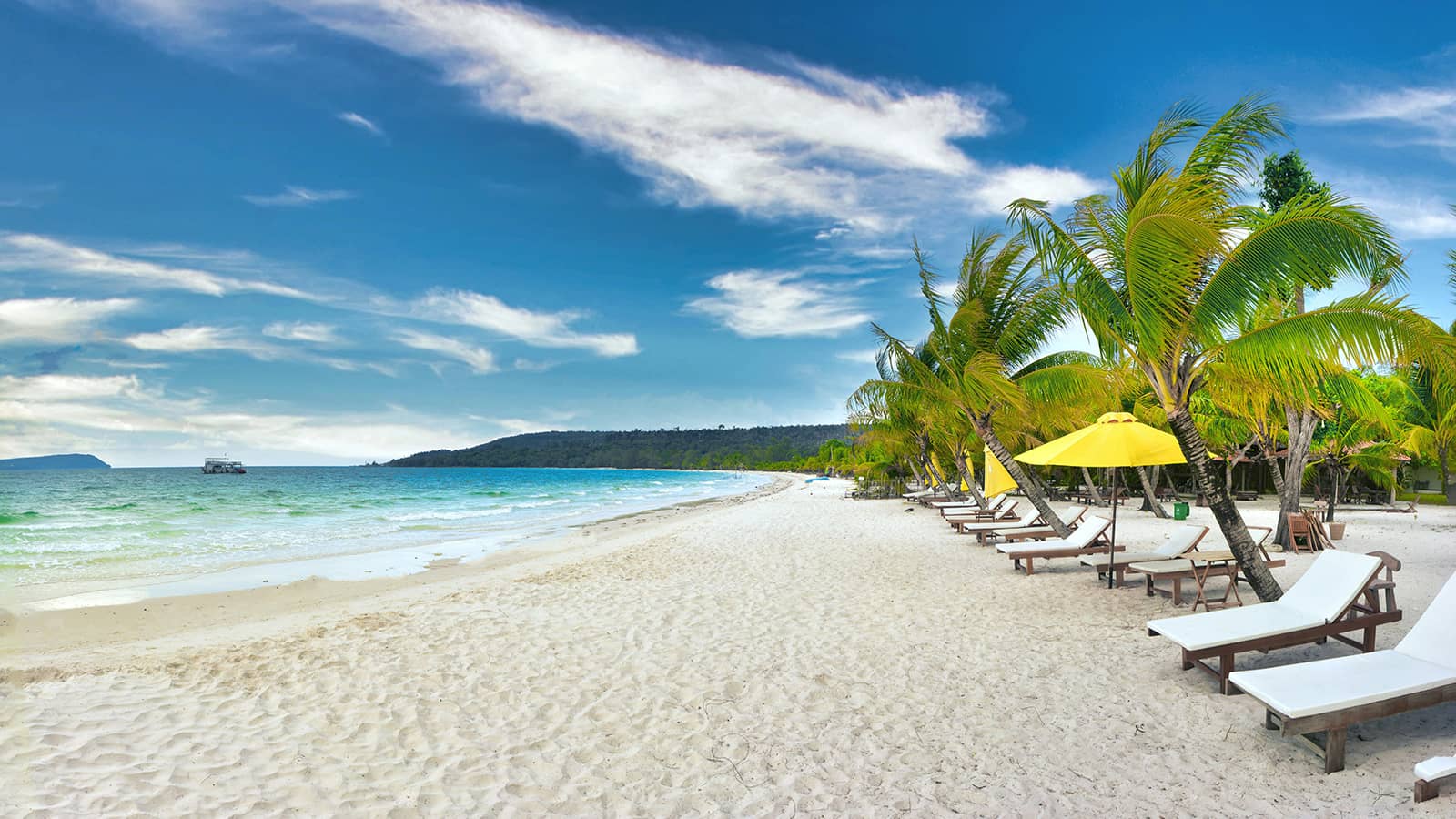
📷 Featured image by Steve Douglas on Unsplash.