On this page
- What “Islamic Country” Actually Means for Travelers Day-to-Day
- Dress Code: What to Wear (and What Leaves You Stuck Outside)
- Mosque Etiquette: A Step-by-Step Visitor Guide
- Ramadan in Malaysia: Adjusting Your Travel Rhythm
- Halal Culture and What It Means at the Table
- Gender Dynamics and Physical Interaction
- 2026 Budget Reality: Costs Tied to Islamic Customs
- Frequently Asked Questions
Malaysia is a Muslim-majority country, but it is not Saudi Arabia. That distinction matters enormously for travelers who arrive either over-cautious or completely unprepared. In 2026, with tourism numbers recovering strongly and a broader mix of international visitors arriving from Europe, East Asia, and the Americas, the most common friction points at borders, mosques, and local communities still come down to the same thing: not knowing the basics. This article covers exactly those basics — practically, without moralizing.
What “Islamic Country” Actually Means for Travelers Day-to-Day
Malaysia is a constitutional monarchy with Islam as the official religion, but it operates as a multi-ethnic, multi-faith society. Around 63% of Malaysians are Muslim. The rest are Buddhist, Hindu, Christian, and others — and they live, eat, and work alongside each other in a way that is genuinely distinctive in Southeast Asia.
For non-Muslim travelers, this means daily life is not governed by strict religious law the way it might be in Gulf states. You can buy alcohol at supermarkets, international hotels serve pork, and women are not required to cover their hair in public. However, Islam does shape public behavior, business hours, architecture, food culture, and social norms in ways that are real and practical. Ignoring them creates awkward situations. Understanding them makes travel smoother and earns genuine warmth from locals.
One important distinction: Peninsular Malaysia follows a somewhat more moderate Islamic culture than Kelantan and Terengganu on the east coast, which have stronger conservative traditions. The island of Labuan and the Borneo states of Sabah and Sarawak are more relaxed still. Adjust your expectations based on region, not just country.
Dress Code: What to Wear (and What Leaves You Stuck Outside)
This is where most travelers get caught out — not because the rules are complicated, but because they show up to a mosque in shorts and sandals and then wonder why they cannot enter.
The general principle is straightforward: cover your shoulders and knees when visiting religious sites, government buildings, and rural communities. At mosques specifically, women must cover their hair, arms, and legs. Men must cover from waist to knee at minimum. Many mosques keep robes and headscarves at the entrance for visitors who arrive underprepared — but this is a courtesy, not a guarantee.
For everyday street life, the standard is much more relaxed. In Kuala Lumpur, Penang, and other urban centers, shorts and sleeveless tops are common and perfectly acceptable. At beaches, swimwear is fine at resort beaches, though some east coast beach towns — particularly in Kelantan — have signs requesting modest swimwear even for tourists.
- Mosques: Full coverage for both men and women. Women need a headscarf. Avoid tight or see-through fabric.
- Rural Malay kampung (villages): Loose, modest clothing shows respect. Shorts are not offensive but can draw looks.
- Government offices and courts: Conservative dress is expected regardless of religion.
- Shopping malls and restaurants: No restrictions — dress as you would at home.
- East coast beach towns: Err on the side of modesty in public areas away from the beach itself.
Carrying a lightweight sarong or scarf in your bag solves most situations instantly. It weighs nothing and costs around MYR 15–25 at any pasar malam (night market).
Mosque Etiquette: A Step-by-Step Visitor Guide
Malaysia’s mosques are genuinely open to non-Muslim visitors during non-prayer times, and many are architectural landmarks worth visiting. The blue-domed Sultan Salahuddin Abdul Aziz Shah Mosque in Shah Alam and the crystal-clear interiors of Putrajaya’s Putra Mosque draw visitors from around the world. Respecting the space gets you full access.
- Check prayer times before you go. The five daily prayers (Subuh, Zohor, Asar, Maghrib, Isyak) close mosques to visitors for roughly 30–45 minutes each. Times shift daily with the sun — apps like Muslim Pro show accurate local schedules.
- Remove your shoes at the entrance. Always. Without exception. Place them on the racks provided or carry them in a bag. Never step over someone who is praying or cross in front of them.
- Turn off or silence your phone. Photography in prayer halls is often restricted. Look for signage. When in doubt, ask a staff member rather than assume.
- Do not touch Qurans or prayer materials unless specifically invited to. These are treated with deep reverence.
- Keep your voice low. Even during open visitor hours, Muslims may be inside reading, praying, or resting. The mosque is an active place of worship, not a museum.
- Women: pin your headscarf properly. A loosely draped scarf that keeps slipping sends a message of disregard. Take two minutes at the entrance to secure it before going inside.
Ramadan in Malaysia: Adjusting Your Travel Rhythm
Ramadan falls earlier each year on the Gregorian calendar. In 2026, Ramadan runs approximately from late February to late March. Traveling during Ramadan is not a hardship for non-Muslim visitors — it is actually one of the most atmospheric times to be in Malaysia — but it requires a shift in rhythm.
During daylight hours, Muslim Malaysians fast completely: no food, water, or smoking. Non-Muslims are not required to fast, but eating or drinking openly in front of fasting Muslims in conservative areas — particularly in Kelantan or Terengganu — is considered inconsiderate. In Kuala Lumpur and Penang, restaurants and food courts aimed at non-Muslim customers remain open during the day without issue.
The real reward of Ramadan is the iftar — the breaking of fast at sunset. The air fills with the warm, smoky fragrance of grilled meats, sweet kuih pastries, and simmering curries as Ramadan bazaars (bazaar Ramadan) open across every neighborhood from around 15:30 until sunset. These temporary markets are among the most vibrant food experiences Malaysia offers. Non-Muslims are welcome and warmly received.
Business hours shift during Ramadan. Some government offices shorten their afternoon hours. Friday midday prayers extend for longer. Plan for slower service windows, and build extra time into any administrative tasks.
Halal Culture and What It Means at the Table
Halal is not just a food label in Malaysia — it is woven into daily life. Understanding it prevents awkward moments and helps you navigate menus and food courts with confidence.
Halal means food prepared according to Islamic law: no pork, no alcohol in cooking, and animals slaughtered in a specific way. In Malaysia, the Jabatan Kemajuan Islam Malaysia (JAKIM) certifies halal products and premises. Certified restaurants display a green halal certificate — the JAKIM logo — at the entrance.
In practice: Malay food is almost always halal by default. Indian Muslim restaurants (mamak stalls) are fully halal and serve some of the best roti canai and teh tarik you will find anywhere. Chinese restaurants are frequently not halal — they serve pork and may cook with alcohol. Most shopping mall food courts have separate sections clearly marked halal and non-halal.
When you are dining with Muslim Malaysian friends or colleagues, the default courtesy is to suggest halal-certified restaurants unless they specifically indicate otherwise. Suggesting a pork-heavy Chinese restaurant as a shared meal venue puts them in an uncomfortable position they will be too polite to mention.
Gender Dynamics and Physical Interaction
Physical greetings between men and women follow Islamic norms that differ significantly from Western customs — and misreading them causes genuine discomfort for Malaysian Muslims, even if they say nothing in the moment.
The standard greeting between people of the same gender is the salam — a light handshake where hands are clasped and then briefly raised to the heart. This is warm, respectful, and common. Between men and women who are not relatives or spouses, the salam is often replaced by a slight nod and smile, or a hand placed briefly on one’s own chest.
As a male traveler, do not extend your hand for a handshake to a Malay Muslim woman unless she extends hers first. She will — if she is comfortable doing so. If she places her hand on her chest and nods, return the gesture. It is not rejection; it is courtesy within her faith. The same applies in reverse for female travelers greeting Muslim men.
Hugging, kissing on the cheek, or touching someone of the opposite gender in a casual social way is not the norm in Malay Muslim culture. Among younger urban Malaysians, norms have relaxed somewhat, but the safe default with anyone you have just met is: keep physical contact minimal and follow the other person’s lead entirely.
2026 Budget Reality: Costs Tied to Islamic Customs
Clothing and Modesty Supplies
- Budget: Lightweight cotton sarong from a pasar malam — MYR 10–20
- Mid-range: Ready-made baju kurung or loose tunic from a local boutique — MYR 45–120
- Comfortable: Tailored modest wear from a Malay fashion label — MYR 150–350
Ramadan Bazaar Food
- Individual dishes at a Ramadan bazaar: MYR 2–8 per item
- Full iftar meal at a hotel (buffet): MYR 90–220 per person depending on property tier
Mosque Visitor Notes
- Entry to most Malaysian mosques: free
- Robe loan (if available): free at most, small donation box at some
- Guided mosque tours (select landmarks like Putra Mosque): MYR 15–30 per person in 2026
Alcohol Pricing (a practical note)
Malaysia levies heavy excise duty on alcohol, which has increased incrementally since 2024. In 2026, a pint of beer at a licensed bar costs MYR 18–28. A bottle of wine at a licensed restaurant starts around MYR 90–130. Alcohol is only sold at licensed non-halal premises — not at mamak stalls, Malay restaurants, or halal-certified outlets. Budget accordingly if this is part of your travel habits.
Frequently Asked Questions
Can non-Muslims enter mosques in Malaysia?
Yes, most major mosques in Malaysia welcome non-Muslim visitors outside of prayer times. You must dress modestly — women need a headscarf and full coverage, men need covered legs. Remove your shoes at the entrance. Prayer times vary daily, so check in advance using a local prayer time app before visiting.
Do I have to fast during Ramadan as a tourist?
No. Non-Muslim travelers are not required to fast during Ramadan. Restaurants catering to non-Muslims remain open during the day in major cities. However, eating and drinking very openly in public in conservative areas is considered inconsiderate. Be aware of your surroundings and adjust accordingly without stress.
Is alcohol available in Malaysia despite it being a Muslim-majority country?
Yes. Alcohol is legally available at licensed restaurants, bars, supermarkets, and hotels in Malaysia. It is not sold at halal-certified outlets or Malay restaurants. Prices are significantly higher than in neighboring Thailand or Vietnam due to Malaysian excise duties. In 2026, expect to pay MYR 18–28 for a beer at a bar.
What should I do if I accidentally offend a Malaysian Muslim?
Apologize sincerely and briefly — Malaysians are generally forgiving and understand that travelers make cultural mistakes. A simple “Maaf, saya tidak tahu” (Sorry, I didn’t know) goes a long way. Most Malaysians will respond with reassurance rather than anger. The intent matters as much as the action.
Is it safe to visit the east coast states of Kelantan and Terengganu as a non-Muslim?
Yes, these states are safe and welcoming to tourists. They are simply more conservative in dress and public behavior expectations than Kuala Lumpur or Penang. Dress modestly, be mindful during prayer times, avoid public alcohol consumption, and you will encounter genuine hospitality and some of Malaysia’s most distinctive cultural experiences.
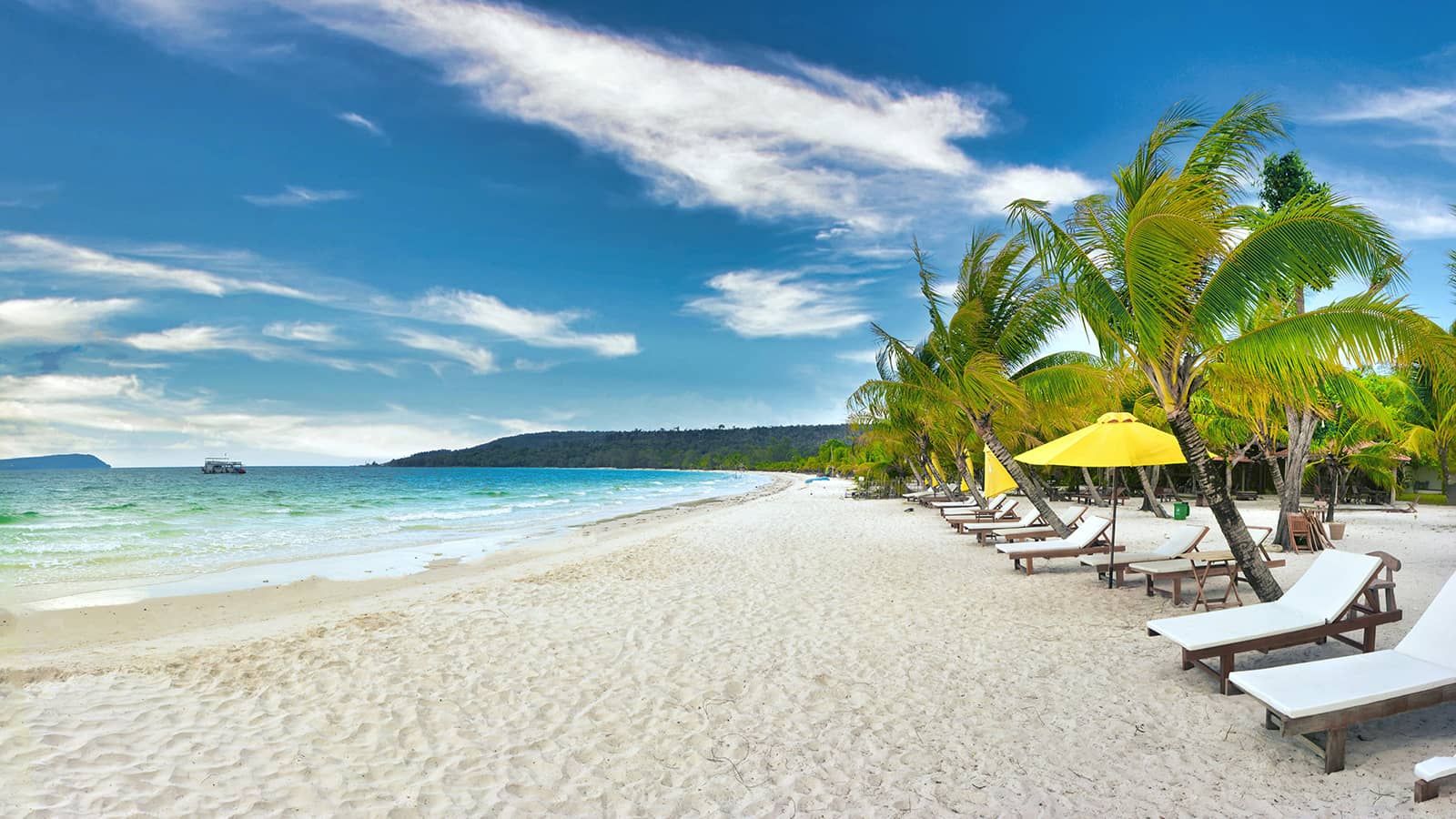
📷 Featured image by Muhammad Qayyum Abdul Rahman on Unsplash.