On this page
- The MDAC: Your First Step Before Flying
- Visa-Free or Visa Needed: Who Gets How Many Days
- How to Apply for the eVISA, Step by Step
- The eNTRI System Is Gone
- Arriving at KLIA and KLIA2
- Autogates for 10 Countries: The One-Time Registration
- Crossing by Land and Sea
- Documents Every Traveller Should Carry
- Staying Longer: Extensions, Overstays, MM2H and DE Rantau
- 2026 Entry Costs by Budget Level
- What Has Changed Since 2024 and What May Shift Next
- Common Mistakes to Avoid
- Frequently Asked Questions
Many Malaysia entry guides online are still stuck in 2024, and some mix up old rules with current ones. The result is travellers arriving at KLIA with the wrong paperwork, or applying for a visa they never needed. The rules below were set in late 2023 and 2024, and they remain the baseline for Entering Malaysia in 2026. The key piece is the Malaysia Digital Arrival Card (MDAC), plus a few visa rules that depend on your passport. This guide covers all of it in the order you will meet it.
The MDAC: Your First Step Before Flying
The Malaysia Digital Arrival Card is a mandatory electronic declaration for most foreign travellers. It became compulsory in late 2023 and exists to speed up immigration and collect basic traveller information. It is separate from any visa. Even visa-free visitors need it.
These groups are exempt:
- Permanent Residents of Malaysia
- Holders of the Malaysia Automated Clearance System (MACS) pass
- Singaporean citizens
- Diplomatic passport holders
- People transiting or transferring through Malaysia without clearing immigration
One note on Singapore: Singaporean citizens appear on the exemption list, yet autogate guidance says they still submit the MDAC. If you hold a Singapore passport, submitting it is the safer choice.
When and how to submit
You must submit the MDAC within three days before your arrival date. Submitting a week early is a common mistake. Here is the process:
- Go to the official portal: https://mdac.imi.gov.my
- Click “Register.”
- Enter your full name, nationality, date of birth, passport number, passport expiry date, email address and mobile number.
- Add your arrival date, departure date (if known), mode of travel (air, land or sea) and your last port of embarkation.
- Check every detail carefully.
- Submit the form.
- Wait for the confirmation email and keep it. An immigration officer may ask to see it with your passport.
Visa-Free or Visa Needed: Who Gets How Many Days
Malaysia allows visa-free entry for tourism or social visits for citizens of many countries. The definitive source is the Immigration Department of Malaysia (Jabatan Imigresen Malaysia) at https://www.imi.gov.my/. Lists can change, so check your passport there before booking.

90 days visa-free
This covers most European Union member states, the United States, Canada, Australia, New Zealand, the United Kingdom, Japan, South Korea, Saudi Arabia and the United Arab Emirates. The list includes these countries but is not limited to them.
30 days visa-free
Most ASEAN nationals get 30 days, including Singapore, Thailand, Indonesia, the Philippines, Vietnam, Cambodia, Laos, Myanmar and Brunei. Hong Kong, Macau and South Africa are also on this tier.
14 days visa-free
Iran and Libya fall into this category.
How to Apply for the eVISA, Step by Step
If your country is not visa-free but is designated for the eVISA, you can apply entirely online. This includes nationals of China, India, Sri Lanka, Nepal, Myanmar, Bangladesh, Pakistan, Bhutan, Serbia and Montenegro. The eligible list can change, so confirm it on the official portal before you start.
- Visit https://visa.imi.gov.my/evisa/evisa.jsp
- Click “Apply Visa” and register an account.
- Log in.
- Choose your visa type: Single Entry Visa (SEV), Multiple Entry Visa (MEV) or Transit Visa.
- Complete the application form with your personal and travel details.
- Upload scanned documents: your passport bio-data page (valid for at least six months), a recent passport-sized photo with a white background, a confirmed return flight itinerary, and proof of accommodation such as a hotel booking or invitation letter. Add other supporting documents if required, such as a birth certificate for minors or bank statements as proof of funds.
- Pay the visa fee and processing fee online.
- Submit the application.
- Track your status online. Once approved, print your eVISA.
Processing usually takes 2–3 working days, but peak seasons or requests for extra documents can slow it down. Apply at least two weeks before you travel.
The eNTRI System Is Gone
Older blogs still mention eNTRI (Electronic Travel Registration & Information), a quick online registration once offered to Indian and Chinese nationals. It was discontinued on 31 December 2019. Travellers from India and China now apply for a Single Entry Visa through the eVISA portal above. If a website tells you to register for eNTRI, it is out of date, and you should treat any site charging for it with suspicion.
Arriving at KLIA and KLIA2
Kuala Lumpur International Airport (KLIA) and KLIA2, which serves low-cost carriers, handle most international arrivals. The process is the same at both.
Immigration

Have your MDAC submitted before you land. At the manual counters, present your passport, MDAC confirmation and onward or return ticket, and be ready for a few questions about your trip. The officer stamps your passport with your entry date and permitted length of stay. Manual queues can take anywhere from 15 minutes to over an hour at peak times.
Baggage claim
Collecting checked luggage usually takes 15–45 minutes.
Customs
Use the green lane (“Nothing to Declare”) if you carry no dutiable or restricted goods. Use the red lane (“Goods to Declare”) if you carry items such as alcohol or tobacco above the limits, or new electronics. Detailed rules are on the Royal Malaysian Customs Department website: https://www.customs.gov.my/.
Getting into the city
- Bus: around MYR 12–15 to KL Sentral
- KLIA Ekspres/KLIA Transit: MYR 55 one way to KL Sentral
- Grab: typically MYR 65–85 to the city centre, depending on traffic and time of day
- Airport taxi: buy a fixed-fare coupon at the designated counters
Autogates for 10 Countries: The One-Time Registration
From 1 June 2024, citizens of 10 countries can use the autogates at major entry points, starting with KLIA Terminal 1 and Terminal 2. The countries are Australia, Brunei, Germany, Japan, New Zealand, Saudi Arabia, South Korea, the United States, the United Kingdom and Thailand.
There are three conditions:
- Submit the MDAC within three days before arrival.
- On your first arrival, register once at a manual immigration counter. An officer checks your passport and MDAC submission and captures your biometrics.
- On later trips, go straight to the autogates, as long as you keep submitting the MDAC.
Singaporean citizens can already use the autogates without the one-time manual registration. Autogates cut waiting time noticeably, so your first slow queue is a one-off cost. At the gate you scan your passport and complete biometric verification. Eligibility is currently understood to apply to airports, so do not assume the same convenience at land or sea crossings.
Crossing by Land and Sea
The MDAC applies at every border, not only airports. Present your passport and MDAC confirmation to Malaysian immigration, get your passport stamped, then clear customs.

Thailand border
Common crossings are Padang Besar (Perlis), Bukit Kayu Hitam (Kedah) and Rantau Panjang (Kelantan). Padang Besar suits rail travellers: KTM Komuter and ETS services connect it to Malaysian cities, and both Malaysian and Thai immigration and customs facilities sit inside the railway station. If you arrive by private vehicle or bus, follow the signs to the checkpoints.
Singapore border
The two crossings are the Johor–Singapore Causeway (Woodlands Checkpoint) and the Second Link (Tuas Checkpoint). The Causeway is very busy. People can walk across, though it is uncommon, or take public buses such as Causeway Link and SBS Transit, or drive. The Second Link is generally less congested and is used mainly by private vehicles and some buses. Bus and Causeway pedestrian passengers clear Malaysian immigration at JB Sentral. There is no direct KTM service from Singapore, so you must cross by bus or car to JB Sentral and board the train there.
Sea arrivals
Malaysia’s international cruise terminals include Port Klang (near Kuala Lumpur), Swettenham Pier (Penang), Langkawi Cruise Terminal and Melaka International Ferry Terminal. After disembarking, go to the immigration counter at the terminal with your passport and MDAC confirmation, then clear customs. Cruise lines often help with the process, but submitting the MDAC remains your own responsibility.
Documents Every Traveller Should Carry
Whatever your passport and entry point, keep these ready:
- A passport valid for at least six months from your entry date
- Proof of a confirmed onward or return ticket, which is often required
- Proof of funds. No exact amount is specified, but it should be reasonable for the length of your stay.
- Proof of accommodation, such as a hotel booking or your host’s address
Travellers must also be in good health, have no criminal record and not be deemed a threat to national security. Know the prohibited and restricted items: drugs, firearms, certain publications and fresh food, among others. Penalties for drug offences are severe.
Staying Longer: Extensions, Overstays, MM2H and DE Rantau
Your entry stamp sets your permitted stay, so check the date the officer writes. Questions about extending a stay or what happens if you overstay go to the Immigration Department of Malaysia at https://www.imi.gov.my/. Do not wait until the last day. Overstaying is an immigration offence, and any record of an offence can cause problems on future entries.

If you want a stay measured in years rather than weeks, Malaysia has two long-stay options. The Malaysia My Second Home (MM2H) programme is aimed at foreigners who want to live in Malaysia long term. DE Rantau is the digital nomad pass for remote workers. Both have their own eligibility rules and applications, separate from tourist entry, so check the current terms with the official authorities before planning a move.
2026 Entry Costs by Budget Level
Entry costs are low for visa-free travellers. The main expenses are the eVISA, if you need one, and your airport transfer.
- Budget: Visa-free entry costs nothing in visa fees. Take the airport bus to KL Sentral for around MYR 12–15.
- Mid-range: Take the KLIA Ekspres or KLIA Transit to KL Sentral for MYR 55 one way. If you need an eVISA, fees vary by nationality and visa type. For example, a Single Entry Visa for Indian nationals is approximately MYR 120–150 (USD 25–30) plus a processing fee of around MYR 50–80. Check exact current fees on the official portal before applying, because they can change without major announcements.
- Comfortable: Book a Grab from the terminal to the city centre for MYR 65–85, depending on traffic and time of day. You get door-to-door service and no luggage hauling.
What Has Changed Since 2024 and What May Shift Next
Three developments shape entry today:
- MDAC became standard. Introduced as mandatory for most foreign visitors in late 2023, it is now a routine step, not a novelty.
- Autogate access widened. The 1 June 2024 expansion to 10 countries means repeat visitors from those nations can skip manual counters after one registration.
- eVISA stayed the main route. There have been no major structural changes to the eVISA system since 2024.
The details most likely to move are the eVISA eligible-country list and fees, which are updated periodically, and the exact scope of autogate use beyond major airports. Treat the official Immigration Department pages as the final word on both.
Common Mistakes to Avoid
- Submitting the MDAC too early. The window is three days before arrival.
- Assuming visa-free means no MDAC. Visa status and the MDAC are separate requirements.
- Booking a flight with a passport under six months’ validity. Check the expiry date before you pay for tickets.
- Arriving without an onward ticket. Immigration often asks for proof of leaving Malaysia.
- Applying for eNTRI. It ended on 31 December 2019, so Indian and Chinese nationals need the eVISA.
- Expecting autogates on your first trip. Eligible nationalities must register once at a manual counter first.
- Using unofficial visa sites. Only use the portals ending in imi.gov.my.
- Ignoring customs limits. Alcohol, tobacco and new electronics may need declaring in the red lane.

Frequently Asked Questions
Do I need the MDAC if I have a visa-free passport?
Yes. The MDAC is separate from visa rules and applies to most foreign visitors, including visa-free nationalities. Exemptions cover Malaysian permanent residents, MACS pass holders, Singaporean citizens, diplomatic passport holders and transit passengers. Submit it at https://mdac.imi.gov.my within three days before arrival.
How long can I stay in Malaysia without a visa?
It depends on your passport. Most Western nationalities, including the US, UK, Canada, Australia and most EU states, get 90 days. Most ASEAN nationals, Hong Kong, Macau and South Africa get 30 days. Iran and Libya get 14 days. Always confirm on the Immigration Department website.
How long does the Malaysian eVISA take?
Processing typically takes 2–3 working days. It can take longer during peak seasons or if officers request extra documents. Apply at least two weeks before your trip to avoid stress. Use only the official portal at https://visa.imi.gov.my/evisa/evisa.jsp and print your approved eVISA.
Can I use the autogates at KLIA as a tourist?
Yes, if you are from Australia, Brunei, Germany, Japan, New Zealand, Saudi Arabia, South Korea, the US, the UK or Thailand. Submit the MDAC, then register once at a manual counter on your first arrival. After that, you can use the autogates on later visits.
What happens if I overstay my permitted time in Malaysia?
Overstaying is an immigration offence and can cause problems on future entries. If you need more time, contact the Immigration Department of Malaysia at https://www.imi.gov.my/ before your permitted stay ends. Check the date written beside your entry stamp, not the date you assume you have.
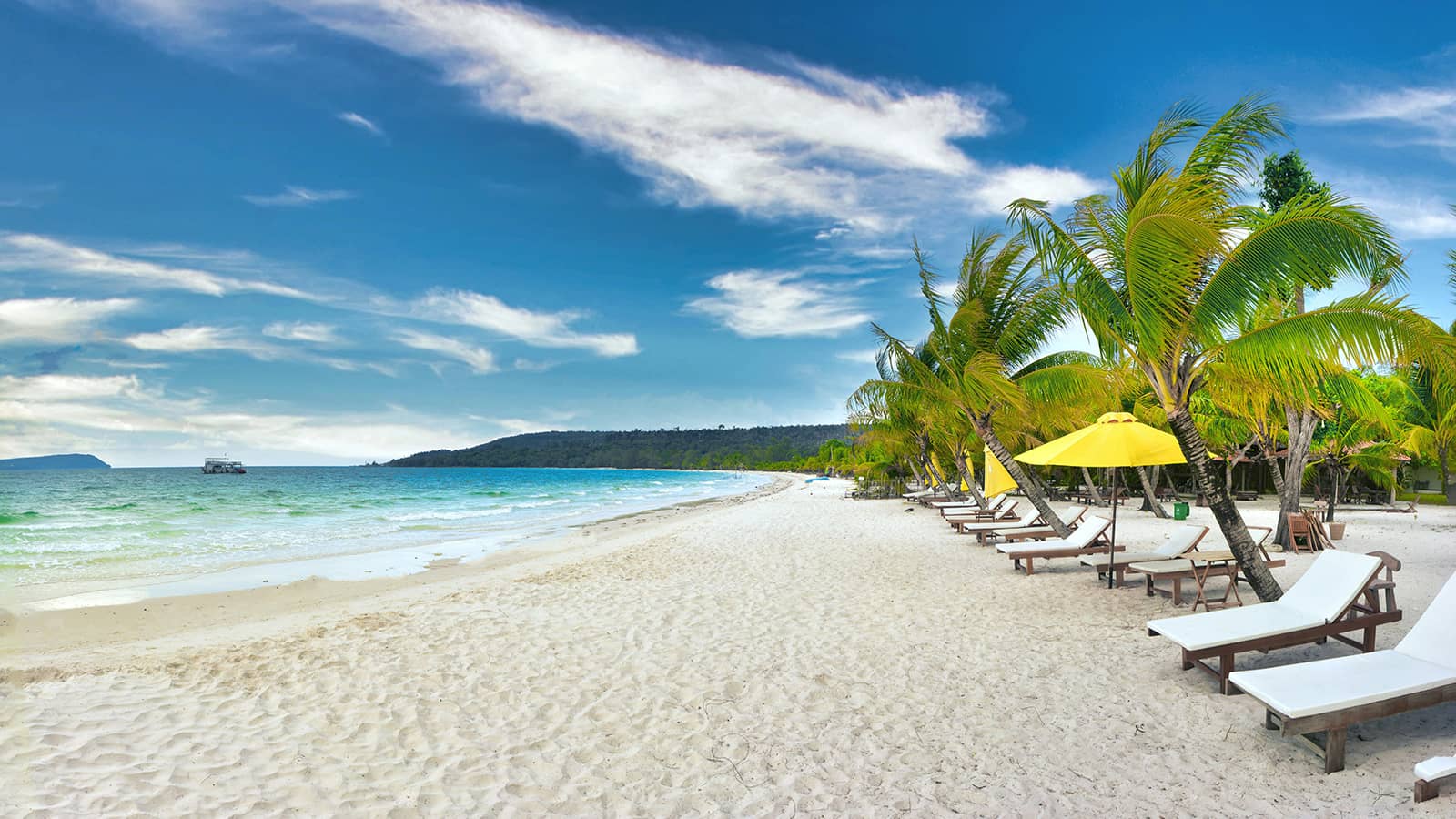
📷 Featured image by Nicolas J Leclercq on Unsplash.