On this page
- The Underwater World: What Makes Perhentian’s Marine Life Worth the Journey
- Snorkeling Spots Ranked: Where to Go and What You’ll Actually See
- Scuba Diving in Perhentian: Courses, Sites, and Dive Operators
- Island Hopping: How to Structure Your Day on the Water
- Day Trip or Overnight? Making the Right Call for Perhentian
- 2026 Budget Reality: What It Actually Costs to Visit Perhentian
- Getting to Perhentian in 2026: Ferries, Buses, and the Journey from KL
- Practical Tips: Seasonality, Park Rules, and What to Bring
- Frequently Asked Questions
💰 Click here to see Malaysia Budget Breakdown
💰 Prices updated: October, 2026. Budget figures are estimates — always verify before travel.
Exchange Rate: $1 USD = RM4.08
Daily Budget (per person)
Shoestring: RM100.00 – RM180.00 ($24.51 – $44.12)
Mid-range: RM250.00 – RM450.00 ($61.27 – $110.29)
Comfortable: RM500.00 – RM1,000.00 ($122.55 – $245.10)
Accommodation (per night)
Hostel/guesthouse: RM30.00 – RM60.00 ($7.35 – $14.71)
Mid-range hotel: RM110.00 – RM200.00 ($26.96 – $49.02)
Food (per meal)
Budget meal: RM15.00 ($3.68)
Mid-range meal: RM35.00 ($8.58)
Upscale meal: RM100.00 ($24.51)
Transport
Single metro/bus trip: RM2.00 ($0.49)
Monthly transport pass: RM50.00 ($12.25)
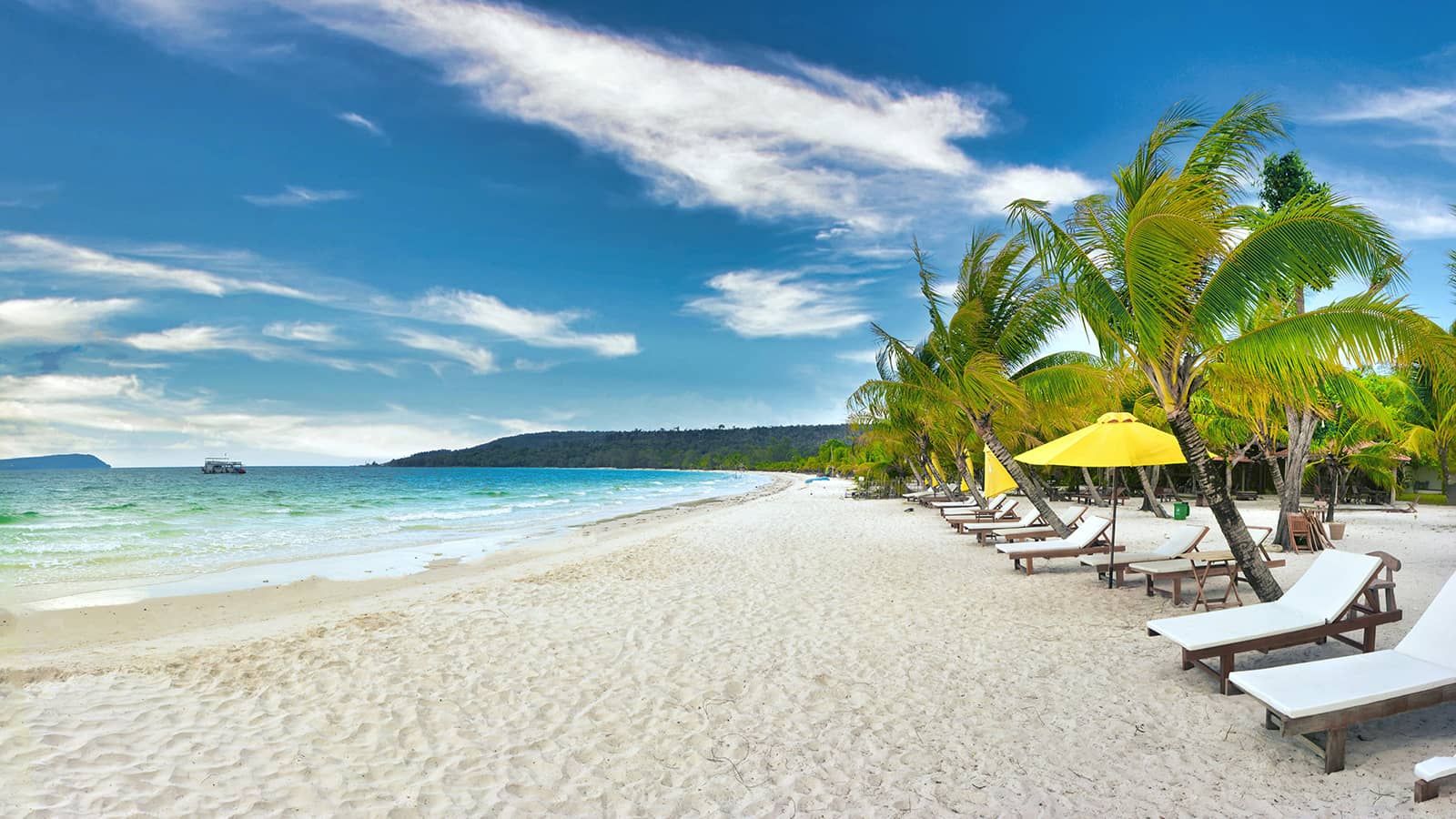
Since the Marine Park Authority tightened its visitor caps and introduced the new e-ticketing system in late 2025, getting to the Perhentian Islands without a plan means risking a turned-away ferry or an overbooked dive slot in peak season. The islands haven’t lost any of their magic — the water is still that absurd shade of turquoise that makes your camera feel inadequate — but visiting in 2026 requires a bit more forethought than it used to. This guide covers everything from snorkel spots to ferry logistics, so you arrive knowing exactly what to expect.
The Underwater World: What Makes Perhentian’s Marine Life Worth the Journey
The Perhentian Islands sit inside Terengganu’s Marine Park, and that protection shows. The reef systems here are among the healthiest on Peninsular Malaysia‘s east coast, with coral coverage that bounced back significantly after the coral bleaching events of 2023. By 2026, dive operators report strong populations of blacktip reef sharks, green sea turtles, and vast schools of yellowtail barracuda patrolling the outer reefs.
What sets Perhentian apart from places like Redang or Tioman is the sheer accessibility of the marine life. You don’t need to descend 18 metres to find something worth watching. Drift slowly over the coral garden at Turtle Bay on Perhentian Kecil and you’ll likely spot a green turtle grazing on seagrass within your first ten minutes in the water — close enough that you can hear the rhythmic scrape of its beak against the reef. The water clarity on a calm day reaches 15 to 20 metres visibility, and the 27°C to 29°C temperature means no wetsuit is required for most visitors.
Two islands make up the group: Perhentian Besar (Big Perhentian) and Perhentian Kecil (Small Perhentian). Besar tends to attract families and those wanting more comfort. Kecil draws a younger, backpacker-oriented crowd and has a livelier beach strip at Long Beach. The marine life between the two is largely interchangeable — what matters more is which specific spot you enter the water from.
Snorkeling Spots Ranked: Where to Go and What You’ll Actually See
Not all snorkel spots are equal. Here’s where to prioritise your time:
- Turtle Bay (Teluk Penyu), Kecil — The most reliable turtle sighting spot in the archipelago. Shallow water, easy entry from the beach, and turtles present almost year-round. Go early morning (before 9am) before boat tours arrive.
- Shark Point — Despite the name, this is blacktip reef shark territory, not the dangerous kind. Sharks rest in the sandy channel between rocks. A must-see, though currents can be moderate.
- Sugar Wreck — A sunken cargo boat sitting in 5 to 6 metres of water. Covered in soft coral, inhabited by moray eels and lionfish. Accessible by snorkel, though better appreciated on scuba.
- Coral Garden, Besar — Hard coral formations in very shallow water. Ideal for beginners and children. Fish density here is exceptional — parrotfish, angelfish, and surgeonfish in large numbers.
- D’Lagoon, Kecil — A quieter cove on the north side of Kecil, away from most day-trip routes. Snorkeling is excellent and the beach itself is one of the island’s most peaceful.
Scuba Diving in Perhentian: Courses, Sites, and Dive Operators
Perhentian is one of the most affordable places in Southeast Asia to earn an Open Water certification. The combination of calm, clear water and relatively simple reef profiles makes it forgiving for new divers while still offering enough variety to keep experienced divers engaged across multiple days.
Dive Sites Worth Knowing
- Tokong Laut — A pinnacle rising from depth with strong current and big pelagic action. Experienced divers only.
- Batu Nisan — Excellent soft coral walls and regular turtle sightings at 12 to 18 metres.
- The Arch — A natural rock formation that divers swim through. Colourful, photogenic, and approachable for recent Open Water graduates.
Dive Operators in 2026
Operators are concentrated on both islands, with the main cluster at Long Beach (Kecil) and at Coral Bay (Kecil) and Teluk Dalam (Besar). Look for PADI-certified operators with recent review histories. Three well-regarded names operating as of 2026 are Turtle Bay Divers, Quiver Dive Team, and Bubbles Dive Resort. Book at least two to three days ahead in July and August — peak season fills fast. A two-dive fun dive package runs around MYR 160 to MYR 200. A full PADI Open Water course costs MYR 750 to MYR 950 depending on operator and whether it includes accommodation.
Island Hopping: How to Structure Your Day on the Water
Island hopping by boat taxi is the default way to move between snorkel sites and between the two islands. Boats depart from the main jetties on both Besar and Kecil throughout the day, and you can either hire a private boat or join a group tour.
A standard half-day island hopping tour (MYR 50 to MYR 70 per person) typically covers three to four snorkel stops including Shark Point, Turtle Bay, and either Sugar Wreck or Coral Garden. Full-day tours (MYR 90 to MYR 110) add more stops and often include a simple lunch of fried rice or noodles eaten on a beach.
For more flexibility, hire a private boat for MYR 150 to MYR 200 for a half-day. Split between four people, this works out cheaper than a group tour while letting you control your time at each spot. Negotiate with boat operators directly at the jetty the evening before — this is where you’ll get the best rate.
One practical note: boat taxis between Besar and Kecil cost MYR 15 to MYR 20 per person per crossing. There’s no fixed schedule — they run roughly every 30 to 60 minutes from morning to late afternoon. Don’t miss the last boat back if you’re day-tripping between islands.
Day Trip or Overnight? Making the Right Call for Perhentian
Perhentian is not practical as a day trip. The ferry crossing from Kuala Besut takes 45 minutes each way, and the first boat leaves around 8am with the last return typically at 5pm. That gives you roughly six hours on the islands — workable for a single snorkel session, but you’ll miss the best light, the quietest morning reef conditions, and any proper sense of the place.
The minimum worthwhile stay is two nights. This gives you one full day in the water across multiple spots, time to find your rhythm, and a second morning for a final snorkel before the afternoon ferry back. Three nights is the sweet spot for divers — enough for a certification course or four to five fun dives without feeling rushed.
2026 Budget Reality: What It Actually Costs to Visit Perhentian
Costs have risen roughly 15 to 20 percent since 2024, driven by the new marine park fees and increased fuel costs for boat operators. Here’s what to expect:
Accommodation (per night, per room)
- Budget (fan room, shared bathroom, basic chalet): MYR 80 – MYR 130
- Mid-range (air-conditioned chalet, en-suite, beachfront): MYR 200 – MYR 380
- Comfortable (resort-style, pool, meals included): MYR 450 – MYR 750
Activities
- Marine Park entry permit: MYR 30 (mandatory, purchased online)
- Snorkel gear rental per day: MYR 20 – MYR 30
- Group island hopping half-day: MYR 50 – MYR 70
- Two-dive fun dive package: MYR 160 – MYR 200
- PADI Open Water course: MYR 750 – MYR 950
Food and Drink
- Simple meal (nasi goreng, mee goreng) at beach café: MYR 12 – MYR 18
- Fresh grilled fish set meal: MYR 25 – MYR 45
- Coconut water: MYR 7 – MYR 10
A realistic three-night budget for one person (mid-range accommodation, two island hopping days, one dive package, meals): MYR 1,200 – MYR 1,600 excluding transport to Kuala Besut.
Getting to Perhentian in 2026: Ferries, Buses, and the Journey from KL
All ferries to Perhentian depart from Kuala Besut, a small jetty town in Terengganu. There is no direct flight to Perhentian — the islands have no airstrip.
From Kuala Lumpur
The most straightforward route is the direct bus from TBS (Terminal Bersepadu Selatan) to Kuala Besut, operated by several companies including Transnasional and KKKL Express. Journey time is 6 to 7 hours. Fares run MYR 35 to MYR 55. Overnight buses depart around 10pm and arrive by 5am, letting you catch the first morning ferry. Book through Busonlineticket or Easybook — do this at least 48 hours ahead in peak season.
Alternatively, fly Kuala Lumpur to Kota Bharu (MYR 80 – MYR 180 one way with AirAsia or Batik Air) then take a taxi or bus south to Kuala Besut, about 45 minutes. This is faster overall but costs more.
Ferry from Kuala Besut
Ferries run from roughly 8am to 5pm, with departures every one to two hours depending on demand. One-way fare: MYR 35 to MYR 45 per person. The crossing takes 45 minutes. Ferry operators dropped the cash-only rule in 2025 — most now accept Touch ‘n Go or credit card, though bring MYR 100 in cash as backup.
Practical Tips: Seasonality, Park Rules, and What to Bring
When to Visit
The islands are open from mid-March to late October. The northeast monsoon closes the islands from November to early March — ferries stop running and accommodation shutters. Peak season runs June to August, when school holidays and foreign visitors overlap and prices spike. The sweet spot is late March to May or September to mid-October — good visibility, fewer crowds, lower rates.
Marine Park Rules
- No touching coral, ever. Wardens patrol snorkel sites and fines are enforced.
- No fishing within the marine park boundary.
- Feeding fish is prohibited — it disrupts natural behaviour and is now a fineable offence under 2025 regulations.
- Biodegradable, reef-safe sunscreen is strongly encouraged. Several operators now refuse to take clients who use standard chemical sunscreen.
What to Pack
- Reef-safe sunscreen (SPF 50, mineral-based)
- Rash guard or UV shirt — the sun on the water is intense
- Waterproof dry bag for your phone and documents
- Sufficient cash (ATMs on the islands are unreliable and limited to one on each island)
- Power bank — electricity on budget chalets can be intermittent
- Insect repellent for evenings on the beach
Frequently Asked Questions
Can I visit Perhentian Islands as a day trip?
Technically yes, but it’s not worth it. With only around five to six hours on the island after the 45-minute ferry each way, you’d barely fit in one snorkel session. At minimum, stay two nights — especially if travelling from Kuala Lumpur, where the journey alone takes the better part of a day.
Is it safe to snorkel at Perhentian without experience?
Yes. Many snorkel sites like Coral Garden and Turtle Bay are shallow, calm, and beginner-friendly. Snorkel gear rental is widely available for MYR 20 to MYR 30 per day. If you’re not a confident swimmer, life jackets are available on island hopping boats. Avoid sites with strong currents like Tokong Laut unless with a guide.
When is the best time to visit Perhentian for clear water and fewer crowds?
Late March to May is ideal — the islands have just reopened after the monsoon, visibility is excellent, and tourist numbers haven’t peaked yet. September to mid-October is another good window. Avoid July and August if you dislike crowds.
Do I need to book accommodation in advance?
In peak season (June to August), absolutely yes — book at least three to four weeks ahead, especially for mid-range and comfortable accommodation on Perhentian Besar. In shoulder months, two to three days ahead is usually sufficient. Budget fan rooms on Kecil sometimes have walk-in availability, but don’t count on it during Malaysian school holidays.
Is scuba diving certification at Perhentian recognised internationally?
Yes. All legitimate operators on the islands are PADI-certified, and a PADI Open Water certificate earned at Perhentian is recognised globally. The course typically takes three to four days and includes classroom sessions, pool work, and four open water dives in the marine park. Cost in 2026 ranges from MYR 750 to MYR 950 depending on the operator.