On this page
- Two Parks, One Journey — Why This Combination Works
- Mulu Caves: What You Actually Encounter Underground
- Niah National Park: Caves That Rewrote Human History
- Getting There: Flights and 2026 Connections
- Day Trip or Overnight? An Honest Answer for Both Parks
- 2026 Budget Reality: What Everything Costs
- Food, Logistics, and Staying Functional in the Rainforest
- Frequently Asked Questions
💰 Click here to see Malaysia Budget Breakdown
💰 Prices updated: August, 2026. Budget figures are estimates — always verify before travel.
Exchange Rate: $1 USD = RM4.03
Daily Budget (per person)
Shoestring: RM100.00 – RM200.00 ($24.81 – $49.63)
Mid-range: RM180.00 – RM400.00 ($44.67 – $99.26)
Comfortable: RM450.00 – RM1,300.00 ($111.66 – $322.58)
Accommodation (per night)
Hostel/guesthouse: RM20.00 – RM70.00 ($4.96 – $17.37)
Mid-range hotel: RM100.00 – RM350.00 ($24.81 – $86.85)
Food (per meal)
Budget meal: RM15.00 ($3.72)
Mid-range meal: RM35.00 ($8.68)
Upscale meal: RM100.00 ($24.81)
Transport
Single metro/bus trip: RM2.00 ($0.50)
Monthly transport pass: RM150.00 ($37.22)
Two Parks, One Journey — Why This Combination Works
Most travellers flying into Sarawak in 2026 still default to Kuching. That’s fine. But if you leave without going deeper into Borneo’s interior, you’ve missed the part of Malaysia that genuinely has no parallel anywhere on earth. Mulu and Niah are regularly mentioned in the same breath, and with good reason — both sit in Sarawak’s northern reaches, both involve caving on a scale that defies easy description, and both remain relatively uncrowded compared to what a destination of this calibre deserves. The practical problem in 2026 is that AirAsia’s domestic scheduling still makes combining both parks in a single trip feel like a logistics puzzle. This guide cuts through that.
Mulu and Niah are not interchangeable. Gunung Mulu National Park — a UNESCO World Heritage Site — is about geological extremes: the largest cave passage on earth, millions of bats, and limestone pinnacles that look designed by someone with too much ambition. Niah National Park is quieter, older in a human sense, and carries the weight of 40,000 years of archaeological history in its chambers. Together, they represent the full spectrum of what Sarawak’s cave systems offer.
Mulu Caves: What You Actually Encounter Underground
Gunung Mulu National Park covers 544 square kilometres of primary rainforest in the Miri Division. The cave network beneath it is the headline act, but the approach matters. The walk to Deer Cave and Lang’s Cave takes you along a flat, well-maintained boardwalk through dense lowland forest, where the humidity is immediate and total — within five minutes your shirt is damp and the air smells of wet earth and decomposing leaves, rich and close, nothing like a controlled environment.
Deer Cave is where context dissolves. The entrance arch is 120 metres high and 150 metres wide. Standing inside, the scale stops making personal sense — you feel genuinely small in a way that photographs cannot reproduce. The cave houses millions of wrinkled-lip bats (Tadarida plicata), and the evening exodus starting around 5:30 PM is one of Borneo’s great wildlife spectacles. The bats spiral out in dense, shifting columns that move like smoke against the orange sky. It lasts between 20 and 40 minutes depending on the season.
Wind Cave and Clearwater Cave require a separate longboat ride upstream, which adds roughly 45 minutes each way and is worth every ringgit. Clearwater Cave contains an underground river that you can swim in on guided tours — the water is cold and extraordinarily clear, and the ceiling above you is cathedral-high and studded with formations that have been growing for millions of years.
For serious adventure, Mulu offers four “Show Caves” on standard permits and a range of Adventure Caves — Sarawak Chamber (the world’s largest known cave chamber by area), Clearwater Connection, and others — that require advance booking and physical fitness. Sarawak Chamber is accessible only on a specialist tour; it swallowed eight Boeing 747s and still had room. The cave system has not been fully mapped.
Niah National Park: Caves That Rewrote Human History
Niah sits about 110 kilometres southwest of Miri and operates on a completely different frequency from Mulu. There are no bat exodus crowds gathering at dusk with telephoto lenses. No UNESCO gift shops. Niah is quieter, slightly worn at the edges, and carries genuine archaeological gravitas — human remains found here in 1958 date back approximately 40,000 years, making Niah one of the oldest known sites of modern human habitation in Southeast Asia.
The main trail to the Great Cave starts at the park headquarters and follows a plankwalk through peat swamp forest for about 3.5 kilometres. The walk takes 45 minutes to an hour. It’s flat but humid, and the boardwalk sections over swampy ground give the whole approach a slightly suspended, otherworldly quality. Bird calls layer over each other constantly.
The Great Cave mouth is enormous — not Deer Cave enormous, but the interior feels different because it’s ancient in a way you sense rather than just read about. Inside, you pass through the active bird’s nest collection areas, where collectors still climb bamboo poles to harvest swiftlet nests for the bird’s nest trade, using the same routes that have been worked for generations. The Painted Cave, reached via a separate trail at the back of the Great Cave, contains Neolithic ochre paintings and boat-shaped coffins (death ships) dating back thousands of years. The paintings are faded but unmistakably there — geometric patterns and human figures rendered in red on the cave wall, surviving in the dark.
Niah does not have the engineered spectacle of Mulu. That’s its entire point. If you want to feel the actual weight of deep time, Niah delivers it without mediation.
Getting There: Flights and 2026 Connections
Both parks are accessed through Miri, Sarawak’s second city and an oil town with a functional airport that has improved considerably. In 2026, MASwings operates Twin Otter flights from Miri directly to Mulu Airport (MZV) — the only scheduled service into the park itself. Flights take about 45 minutes and run daily, though schedules shift seasonally. The Mulu airstrip sits inside park boundaries, which means you step off the plane into jungle.
From Kuala Lumpur, the standard route is MH or AirAsia to Miri (roughly 2.5 hours), then the MASwings connection to Mulu. Malaysia Airlines resumed Kuala Lumpur–Miri direct flights on a daily basis in mid-2025, which has helped considerably with pricing and scheduling options. From Kuching, fly to Miri then connect — there is no direct Kuching–Mulu service.
For Niah, you need ground transport from Miri. The park is about 110 kilometres south on the road toward Bintulu. Express buses from Miri Sentral Bus Terminal run to Batu Niah town (the gateway village) several times daily. The journey takes roughly two hours and costs around MYR 15–20. From Batu Niah, a taxi or grab to the park entrance adds another 15 minutes.
There is no direct overland connection between Mulu and Niah. If combining both in one trip, the practical approach is: Miri → Mulu (fly), return to Miri, then bus to Niah, return to Miri for your onward flight.
Day Trip or Overnight? An Honest Answer for Both Parks
For Mulu, a day trip is technically possible if you fly in early and out late, but it would be wasteful. The bat exodus alone requires you to be at the cave entrance by 5 PM. The Adventure Cave options require full days. More importantly, Mulu at dusk — when the forest sounds shift and the humidity softens slightly — is an experience that rewards staying. Two nights minimum makes sense; three nights if you want to do any of the Adventure Cave options or attempt trails toward the Pinnacles.
For Niah, a day trip from Miri is genuinely viable and quite common. The cave trail and Great Cave can be done comfortably in four to five hours including transport. However, staying one night at the park’s Rest House or guesthouse gives you the chance to walk the cave trail in early morning light and encounter the forest when it’s most active. The overnight option costs very little extra and dramatically changes the experience.
2026 Budget Reality: What Everything Costs
Mulu National Park — per person estimates:
- Budget: Park hostel dorm bed MYR 50–70/night. Show Caves permit (4 caves): MYR 30. Bat exodus viewing: MYR 15. MASwings Miri–Mulu flight: MYR 80–150 one way depending on timing. Total two-night budget trip: approximately MYR 500–700.
- Mid-range: Mulu Marriott Resort (the only full resort inside the park) rooms from MYR 450–600/night. Guided Adventure Cave tours: MYR 150–400 depending on cave. Total two nights mid-range: approximately MYR 1,200–1,600.
- Comfortable: Mulu Marriott with river view, private guided tours, Sarawak Chamber expedition (limited availability, requires advance permit): MYR 2,500+ for two nights inclusive of tours.
Niah National Park — per person estimates:
- Park entry: MYR 10 (Malaysian), MYR 20 (foreign visitors).
- Rest House overnight: MYR 40–80/night per room.
- Miri–Batu Niah bus: MYR 15–20.
- Total overnight trip from Miri: MYR 120–200 for a very comfortable independent visit.
Food, Logistics, and Staying Functional in the Rainforest
Mulu’s food situation is simple: the Mulu Marriott Resort has a restaurant, there are a few basic canteen-style eateries near the park headquarters, and that’s it. Prices at the resort reflect the captive audience — expect MYR 25–45 for a main course. The canteen options (nasi goreng, mee goreng, simple rice dishes) run MYR 10–15 and are entirely acceptable. Stock up on snacks in Miri before flying in; the mini-mart at Mulu headquarters has limited and expensive supplies.
Niah has a small cluster of food stalls and simple restaurants in Batu Niah town, a 15-minute drive from the park gate. The food is honest Sarawakian cooking — kolo mee, laksa, nasi campur — and prices are low by any standard. Inside the park, there’s a basic canteen at the Rest House that covers breakfast and simple lunches.
For both parks: bring a headtorch (mandatory for cave entry and useful for early morning trails), quick-dry clothing, good grip shoes, and insect repellent. The caves themselves are cool — around 23°C — but the forest approach trails are hot and humid. Dehydration is a real risk if you’re not drinking consistently. Mobile signal inside Mulu park is restricted to the resort area and headquarters. At Niah, signal from the Miri cell towers reaches parts of the park but is unreliable underground.
In 2026, both parks now accept digital permit verification via the Sarawak Parks app, which replaced the previous paper-based system at the start of the year. Download the app and register before arriving — rangers no longer print replacement permits on-site.
Frequently Asked Questions
Can I visit both Mulu and Niah in a single trip from Kuala Lumpur?
Yes, but it requires at least five days. The typical routing is KL to Miri, fly to Mulu for two nights, return to Miri, bus to Niah for one night, then fly back from Miri. In 2026, daily KL–Miri direct flights make this significantly easier to schedule than it was two years ago.
Do I need a guide to enter the caves at Mulu?
For the four Show Caves (Deer Cave, Lang’s Cave, Wind Cave, Clearwater Cave), you must be accompanied by a licensed Mulu guide. Independent cave entry is not permitted. Guides are assigned at park headquarters after you present your advance booking confirmation. Adventure Cave access requires specialist guides and separate permits.
What is the best time of year to visit Mulu and Niah?
March to October is generally drier and preferred. Mulu receives heavy rainfall year-round, but the January–February monsoon season can flood trails and ground MASwings flights. The bat exodus at Mulu happens every evening regardless of season, but clear skies in the dry months make the spectacle far more visible against a lit sky.
Is Niah National Park suitable for children?
Yes, more so than Mulu for younger children. The Great Cave trail is flat and well-maintained, and the cave itself has open passages that don’t require crawling. Children must carry their own torches. The Painted Cave walk involves some uneven ground. There are no Adventure Cave equivalents at Niah, which keeps safety concerns manageable for family groups.
How physically demanding are the caves at Mulu?
The Show Caves require moderate fitness — mostly flat walking with some steps. The bat exodus viewing platform involves a 20-minute walk from the cave entrance on good boardwalk. Adventure Caves like Sarawak Chamber involve several hours of technical walking, crouching, and scrambling over uneven surfaces in complete darkness. These require reasonable fitness and are not suitable for people with mobility limitations.
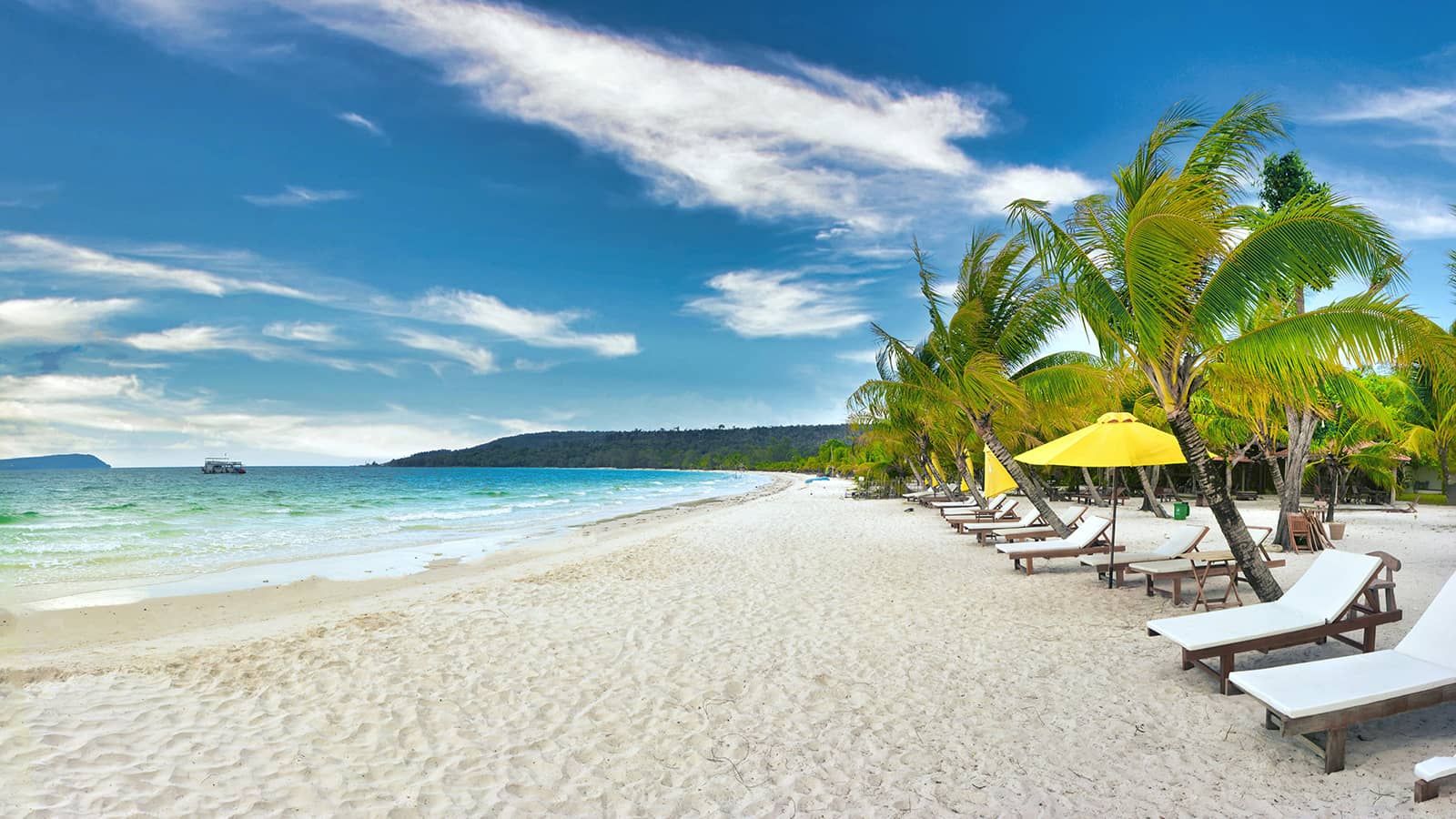
📷 Featured image by Kelvin Zyteng on Unsplash.