On this page
- What Malacca Actually Feels Like
- Where to Base Yourself
- The Sights You Cannot Skip
- Where Locals Actually Eat
- Getting Into and Around Malacca
- Half-Day and Full-Day Escapes
- Evenings in Malacca
- Where to Shop and What to Buy
- Where to Sleep by Budget
- When to Go and What to Expect
- Staying Safe and Staying Smart
- How Much Malacca Costs in 2026
- Frequently Asked Questions
💰 Click here to see Malaysia Budget Breakdown
💰 Prices updated: August, 2026. Budget figures are estimates — always verify before travel.
Exchange Rate: $1 USD = RM4.03
Daily Budget (per person)
Shoestring: RM100.00 – RM200.00 ($24.81 – $49.63)
Mid-range: RM180.00 – RM400.00 ($44.67 – $99.26)
Comfortable: RM450.00 – RM1,300.00 ($111.66 – $322.58)
Accommodation (per night)
Hostel/guesthouse: RM20.00 – RM70.00 ($4.96 – $17.37)
Mid-range hotel: RM100.00 – RM350.00 ($24.81 – $86.85)
Food (per meal)
Budget meal: RM15.00 ($3.72)
Mid-range meal: RM35.00 ($8.68)
Upscale meal: RM100.00 ($24.81)
Transport
Single metro/bus trip: RM2.00 ($0.50)
Monthly transport pass: RM150.00 ($37.22)
What Malacca Actually Feels Like
Most first-timers arrive in Malacca expecting a museum piece. They leave surprised by how alive it feels. Yes, the Dutch Square is photogenic, the Portuguese ruins are genuinely old, and the UNESCO World Heritage status is real — but the city never feels like it’s performing for tourists. On a weekday morning, schoolkids cycle past colonial shophouses. A grandmother fans herself outside a Peranakan mansion. The smell of chicken rice balls frying in hot wok oil drifts out of a kopitiam before 8am.
In 2026, Malacca has seen a steady rise in weekend visitors from Kuala Lumpur, partly because the bus journey has gotten faster and cheaper, and partly because short-break domestic travel surged post-2023 and hasn’t slowed down. The challenge for first-timers isn’t finding things to do — it’s fitting everything into a weekend without rushing past the parts that actually matter. This guide gives you enough to plan properly, whether you have two days or four.
Where to Base Yourself
Malacca’s tourist geography is compact, but your choice of base still shapes the entire experience.
Jonker Street Zone (Chinatown)
This is where most first-timers stay, and for good reason. Jalan Hang Jebat — what everyone calls Jonker Street — puts you within walking distance of almost every major sight. The shophouses here have been converted into boutique guesthouses, heritage hotels, and cafés. The atmosphere is vibrant on weekends when the night market runs, and surprisingly quiet on weekday mornings when you get the streets almost to yourself. It suits travellers who want everything walkable and don’t mind some weekend noise.
Banda Hilir (Dutch Square Area)
If you want a slightly quieter base with direct views of Christ Church and the red colonial buildings, the Banda Hilir zone works well. A handful of mid-range and boutique hotels sit within a five-minute walk of the waterfront. It’s a touch more polished than Jonker Street and suits couples or travellers who want a cleaner aesthetic without sacrificing location.

Bukit China Fringes and Ayer Keroh
These are for people who deliberately want to escape the tourist core. Ayer Keroh, about 10 kilometres north, has large resort-style properties with pools and space — good for families. Budget travellers sometimes find cheaper guesthouses near Bukit China, though you’ll rely on Grab to reach the main sights. The trade-off is real: you save money but lose convenience.
The Sights You Cannot Skip
Malacca’s UNESCO core is dense. You could technically tick the big attractions in a single full day, but that would be a waste of a city built for slow exploration.
Dutch Square and Christ Church
The unmistakable red Christ Church, built in 1753, anchors Dutch Square (Stadthuys). Standing in front of it at 7am before the trishaws arrive and the tour buses empty their passengers — when the bougainvillea is catching the early light and the square is almost silent — is one of those quietly memorable travel moments. Entry to the Stadthuys museum costs around MYR 5 for adults in 2026.
A Famosa and St. Paul’s Hill
Only the Porta de Santiago gatehouse survives of the Portuguese fortress built in 1511, but St. Paul’s Church ruins at the top of the hill tell the fuller story. The climb takes about 10 minutes and the views over the strait and the city’s rooftops are worth every step. There’s no entry fee for the ruins themselves.
Baba Nyonya Heritage Museum
This is Malacca’s best single attraction for understanding the Peranakan culture that makes this city distinct from anywhere else in Malaysia. The guided tour through the restored 19th-century mansion lasts around 45 minutes and costs MYR 18 per adult in 2026. Every room is dense with detail — carved furniture, ancestral portraits, porcelain collections. The guide matters here; don’t skip the tour and wander alone.

Cheng Hoon Teng Temple
Malaysia’s oldest functioning Chinese temple, built in 1646, sits quietly on Jalan Tokong. The incense smoke hangs thick in the air, layering the courtyard in a slow, sweet haze. It’s free to enter, open daily, and rarely crowded before 9am. Dress modestly.
Kampung Morten and the Living Museum
Most first-timers skip Kampung Morten, a traditional Malay village that sits improbably close to the city centre across the Malacca River. It’s a 20-minute walk from Jonker Street or a short Grab ride. Villa Sentosa within the kampung is a family-home museum run by the resident family — one of the most genuine cultural experiences in the city. Entry is free; a small donation is appropriate.
Where Locals Actually Eat
Malacca’s food scene is one of the most compelling in peninsular Malaysia, concentrated in a small area that rewards walking and grazing rather than sitting down for formal meals.
Jonker Walk and Jalan Hang Jebat
During the weekend night market (Friday to Sunday evenings), Jonker Street turns into a procession of food stalls. The cendol here — shaved ice layered with pandan jelly, red bean, and gula melaka coconut palm sugar — is legitimately excellent, particularly from the long-running stall near the Heritage Hotel end. Don’t leave without trying one.
Bunga Raya Food Court
On Jalan Bunga Raya, this open-air food court operates from late afternoon into the evening and draws a genuinely local crowd. Char kway teow, laksa, satay, and fresh coconut are all here at prices that feel almost too cheap by 2026 standards — most dishes sit between MYR 5 and MYR 10.
Capitol Satay Celup
Satay celup is Malacca’s own thing: skewered raw ingredients you dip into a communal simmering satay broth at your table. Capitol Satay on Jalan Bunga Raya is the oldest and most famous spot. Expect to queue on weekends — arrive before 6pm or after 9pm to avoid the worst of it. Budget around MYR 25–40 per person depending on how many skewers you order.

Medan Portugis (Portuguese Square)
About four kilometres from the city centre, Medan Portugis is the hub of Malacca’s Portuguese-Eurasian community. The weekend seafood stalls here serve devil curry, grilled stingray, and fresh shellfish in an open-air setting right on the water. The atmosphere on a Saturday evening — the smell of charcoal and sea breeze, tables filling with multigenerational families — is worth the Grab ride alone.
Kow Soh Kopitiam (Jalan Taman Kota Laksamana)
For breakfast, find a traditional kopitiam. Kow Soh near the Taman Kota Laksamana area serves kaya toast with half-boiled eggs and kopi-o (black coffee, strong and slightly bitter) for under MYR 8. The old ceiling fans, the clatter of ceramic cups, the morning newspaper spread across marble tables — it’s the antidote to hotel breakfast buffets.
Getting Into and Around Malacca
Malacca has no train station and no MRT. That’s not a complaint — it’s just useful to know before you start planning.
From Kuala Lumpur
The most practical option is the express bus from TBS (Terminal Bersepadu Selatan) in Kuala Lumpur. In 2026, operators like Transnasional, Konsortium, and several budget carriers run frequent services throughout the day. The journey takes around 1.5 to 2 hours depending on traffic. Tickets cost MYR 12–20 one-way. Book through the Easybook or redBus apps to secure a seat, especially on Friday afternoons when KL-to-Malacca buses fill up fast.

Buses arrive at Melaka Sentral, which is about five kilometres from the city centre. Grab a Grab or take the Town Bus service (MYR 1.50 per ride) into town from there.
From Kuala Lumpur by Car
Driving takes 1.5 to 2 hours via the PLUS highway. Parking in the Jonker Street area is limited and frustrating on weekends. Use the Mahkota Parade mall car park (MYR 2–3 per hour) and walk or take a trishaw from there.
Getting Around Malacca
The historic core is genuinely walkable — Dutch Square to Jonker Street is less than 500 metres. Grab is cheap and reliable for anything outside the walk zone, typically MYR 6–12 for short hops. The red Town Bus service covers the main tourist areas for MYR 1.50 per trip, which is useful for reaching Medan Portugis or Ayer Keroh without paying Grab prices.
Trishaws — the heavily decorated three-wheeled bicycle vehicles — are a tourist experience more than practical transport. The decorated ones along Dutch Square charge MYR 30–50 for a short ride. Fun once, not a daily commute.
Half-Day and Full-Day Escapes
If you’re staying three or more nights, Malacca makes a solid base for exploring the surrounding region.
Muar (Bandar Maharani)
An hour north by bus or car, Muar is a riverside town with beautiful colonial architecture, excellent local food, and almost no foreign tourists. The fried otak-otak (spiced fish wrapped in coconut leaf) here is widely considered the best in Malaysia. A half-day trip with lunch by the Muar River is one of the most relaxed experiences in the region. Bus from Melaka Sentral to Muar costs around MYR 7.

Pulau Besar
A small island about 10 kilometres off the Malacca coast, Pulau Besar has quiet beaches, a handful of basic chalets, and a reputation as a spiritual retreat site (there are several keramat shrines on the island). The ferry from Umbai jetty takes about 30 minutes and costs MYR 15–20 return. Better for a half-day than a full day unless you’re staying overnight.
Tanjung Bidara Beach
About 30 kilometres north of Malacca, Tanjung Bidara is the nearest proper beach to the city. The water is calm, the sand is clean, and weekend crowds are manageable outside of school holiday periods. Drive or hire a Grab for around MYR 25–35 one-way. There are basic seafood restaurants right on the beach.
Ayer Keroh Recreational Forest
For families or anyone wanting green space, Ayer Keroh has a recreational forest, mini zoo, butterfly park, and go-kart track — all within a few kilometres of each other. A half-day here costs around MYR 20–40 per person depending on which attractions you enter. It’s about 10 kilometres from the city centre.
Evenings in Malacca
Malacca is not a late-night city by default. Most of the action wraps up by midnight, and that’s part of its appeal — evenings here are civilised rather than punishing.
Jonker Walk Night Market
Running Friday to Sunday from around 6pm to midnight, the Jonker Walk night market is the centrepiece of Malacca’s weekend evening scene. The street fills with food stalls, trinket vendors, and live performances from buskers and community groups. It’s chaotic in a pleasant way — the bass from a Chinese string ensemble competing with pop covers from a cafe a few doors down, the street humid and bright and full of people eating standing up.
Rooftop Bars and Heritage Row
For drinks with a view, a cluster of rooftop bars has developed near the Jonker and Heeren Street intersection over the past few years. Calanthe Art Café on Jalan Tukang Emas is beloved for its Malaysian single-origin coffee flights. The Baba Charlie Heritage House rooftop (open Thursday to Sunday) serves craft cocktails with views over the shophouse rooftops — beers start at MYR 18, cocktails from MYR 28.

Waterfront Promenade
The riverside promenade along Sungai Melaka, lit up at night with coloured lights reflecting in the dark water, is worth a slow walk after dinner. River cruise boats run until around 11pm (MYR 25 per adult) and give a different perspective on the illuminated heritage buildings along the bank.
Where to Shop and What to Buy
Malacca rewards specific shopping rather than browsing malls. Here’s where to spend your money wisely.
Jonker Street Antique Shops
The stretch of antique and curio shops along Jalan Hang Jebat and the side streets is genuinely interesting — old Peranakan porcelain, vintage Straits dollar coins, colonial-era furniture, batik fabrics. Prices range from MYR 5 trinkets to thousands for serious pieces. Bargaining is expected. Go in the morning on weekdays when shopkeepers have time to talk.
Orangutan House (Jalan Hang Kasturi)
Artist Charles Cham’s shop sells original Malacca-themed prints and quirky local art. It’s not a souvenir shop in the generic sense — the work is distinctive and actually worth buying. Prints start from around MYR 30.
Dataran Pahlawan Megamall
If you need air conditioning, mainstream retail brands, or a supermarket run, Dataran Pahlawan is the city’s main mall, a five-minute walk from Dutch Square. It’s useful rather than exciting — good for picking up sunscreen, toiletries, or a plug adapter.
Egg Rolls and Nyonya Kuih
The most practical things to bring home are food: vacuum-packed Malacca egg rolls (kuih kapit), Nyonya pineapple tarts, and dodol (a dense, chewy palm sugar and glutinous rice sweet). Look for shops along Jalan Tokong and Jalan Tun Tan Cheng Lock — prices are significantly lower than at airport gift shops.

Where to Sleep by Budget
Budget (Under MYR 80 per night)
Malacca has a solid hostel scene concentrated around Jonker Street and Jalan Tun Tan Cheng Lock. Expect dormitory beds from MYR 30–50 per night in 2026. Private rooms in budget guesthouses in the heritage zone start around MYR 70–80. The quality varies — check recent reviews for cleanliness, since some older shophouse conversions have dated bathrooms.
Mid-Range (MYR 150–350 per night)
This is where Malacca shines. Boutique heritage hotels converted from Peranakan shophouses offer beautiful design, central locations, and genuinely warm service at prices that feel reasonable by 2026 standards. Look at properties along Jalan Tun Tan Cheng Lock (also called Heeren Street), which has the highest concentration of well-restored boutique accommodation in the city. Breakfast is usually included at this tier.
Comfortable and Above (MYR 400+)
A small number of premium properties offer polished luxury in the heritage zone, with courtyard pools and carefully restored interiors. Outside the heritage core, the Casa del Rio Melaka on the riverside is a consistent high-end choice (rooms from MYR 450+). For resort-style accommodation with pools and green space, the larger properties in Ayer Keroh start from MYR 350.
When to Go and What to Expect
Malacca sits outside the main monsoon corridor, which means it avoids the worst of the east coast’s wet season. Rain can appear any time of year — the southwest monsoon brings some humidity from May to September — but it rarely ruins a trip. Short afternoon showers are common and usually pass within an hour.
Peak Season: School Holidays and Long Weekends
Malaysian school holidays (June, August, and December) and long public holiday weekends are when Malacca gets genuinely packed. Jonker Street on a Saturday during the December school break is shoulder-to-shoulder. Book accommodation at least three weeks ahead for these periods. Prices rise 20–40% above standard rates.

Chinese New Year
Malacca’s Chinese New Year celebrations (January or February, depending on the lunar calendar) are among the most atmospheric in Malaysia — the heritage zone lights up with red lanterns, traditional performances run for days, and the food stalls operate at full intensity. The trade-off is serious crowds and accommodation that books out months in advance.
Shoulder Season Sweet Spot
March to May and September to November are quieter, cooler, and cheaper. Weekdays in these months are ideal — you’ll find parking easily, queues at popular restaurants are short, and the city feels like a place people actually live in rather than a tourist attraction doing overtime.
Staying Safe and Staying Smart
- Safety: Malacca is one of Malaysia’s safest cities for tourists. Petty theft exists around crowded night markets — keep bags in front of you and don’t leave phones face-up on tables.
- Tipping: Not standard in Malaysia. At restaurants with a 10% service charge, nothing extra is expected. At kopitiam and hawker stalls, round up or leave small change if you want — there’s no pressure either way.
- Language: English is widely understood in tourist areas. Basic Malay phrases (terima kasih for thank you, berapa for how much) are appreciated and will get you a smile.
- SIM Cards: In 2026, Malaysia’s Digi, Maxis, and Celcom all offer tourist SIM cards at TBS bus terminal before you board. A 10–15GB data plan costs around MYR 30–50 for 30 days. You can also buy at Melaka Sentral on arrival.
- Water: Don’t drink tap water. Bottled water is widely available (MYR 1–2 for a 1.5L bottle at convenience stores). Most guesthouses provide a filtered water dispenser.
- Temple and Mosque Etiquette: Cover shoulders and knees when entering mosques and temples. Sarongs are often available to borrow at the entrance. Remove shoes before entering.
- Heat: Malacca’s daytime temperatures sit between 30°C and 34°C year-round. Schedule outdoor sightseeing for before 11am or after 4pm. The middle of the day is best used for indoor attractions or lunch.

How Much Malacca Costs in 2026
Malacca is one of Malaysia’s better-value tourist cities. Here’s what a realistic daily budget looks like by tier.
Budget Traveller — MYR 100–150 per day
- Dormitory bed: MYR 35–50
- Three hawker/kopitiam meals: MYR 25–40
- Grab rides or Town Bus for the day: MYR 15–25
- Entry fees (Stadthuys, Baba Nyonya Museum): MYR 25
- Drinks and snacks: MYR 15–20
Mid-Range Traveller — MYR 300–500 per day
- Boutique heritage hotel (private room, breakfast included): MYR 180–280
- Mix of hawker meals and one sit-down restaurant dinner: MYR 60–90
- Grab rides and one river cruise: MYR 50–70
- Shopping, entry fees, and incidentals: MYR 60–100
Comfortable Traveller — MYR 600–900+ per day
- Premium heritage hotel or riverside luxury property: MYR 400–600
- Meals at boutique restaurants with craft cocktails: MYR 120–180
- Private car hire for day trip or attractions: MYR 150–200
- Shopping, spa treatments, and incidentals: MYR 100–200+
Most first-time visitors land comfortably in the mid-range bracket and find the city genuinely good value compared to KL or Penang at the same tier.
Frequently Asked Questions
How many days do you need in Malacca?
Two full days covers the major sights comfortably. Three days lets you add a day trip, linger at meals, and explore neighbourhoods beyond the tourist core. Weekenders from KL often do two nights (Friday to Sunday), which works well if you arrive early on Friday before the crowds peak.
Is Malacca worth visiting in 2026?
Yes, without qualification. The UNESCO heritage zone is intact and well-maintained, the food scene remains among the best in Malaysia, and prices are still reasonable compared to Penang or Kuala Lumpur. The main challenge is weekend crowds in the Jonker Street zone — a weekday visit changes the experience significantly.

What is the best way to get from Kuala Lumpur to Malacca?
Express bus from TBS terminal is the easiest and most affordable option — around MYR 12–20 one-way, taking 1.5 to 2 hours. Book in advance via Easybook or redBus, especially for Friday afternoon departures. Driving takes a similar time but parking in the city centre is challenging on weekends.
Is Malacca safe for solo travellers?
Very safe. Solo travellers — including solo women — consistently rate Malacca as one of Malaysia’s most comfortable cities. The compact heritage zone is well-lit, busy with other tourists, and easy to navigate. Standard precautions apply at the crowded night market: be aware of your belongings in dense crowds.
What food is Malacca most famous for?
Malacca is best known for chicken rice balls, satay celup, Nyonya laksa (different from Penang’s), cendol, and Peranakan cuisine more broadly. Medan Portugis is the place for Portuguese-Eurasian seafood. The city’s food concentration in a walkable area makes it easy to graze across multiple hawker stalls and kopitiams in a single day.
Explore more
Jonker Street Melaka: Your Ultimate Guide to Food, History & Nightlife
25 Best Things to Do in Malacca: Your Ultimate Activity List
The Ultimate Malacca Food Guide: Where to Eat & What to Try
Malacca Food Guide: What to Eat & Where to Find the Best Local Dishes
The Ultimate Malacca Shopping Guide: Malls, Markets & Must-Buys
How to Plan Your Perfect 2-Day Malacca Itinerary
Where to Stay in Malacca: Best Hotels & Guesthouses for Every Budget
Getting to Malacca: From Kuala Lumpur, Singapore & Beyond
Exploring Jonker Street: A Complete Guide to Malacca’s Vibrant Heart
Malacca’s Hidden Gems: Discovering Unique & Offbeat Attractions
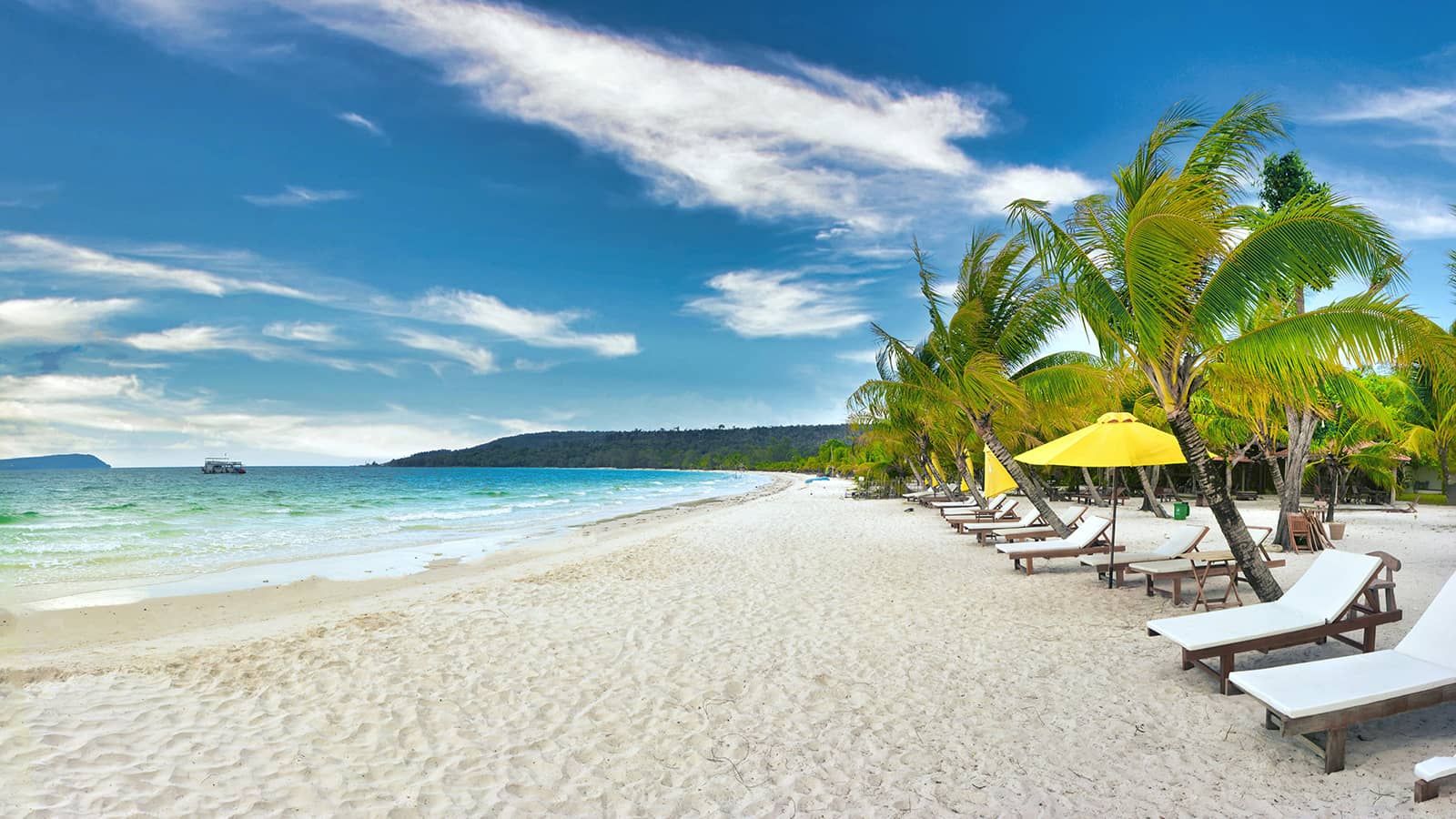
📷 Featured image by Fajri Hafizh on Unsplash.