💰 Click here to see Malaysia Budget Breakdown
💰 Prices updated: October, 2026. Budget figures are estimates — always verify before travel.
Exchange Rate: $1 USD = RM4.08
Daily Budget (per person)
Shoestring: RM100.00 – RM180.00 ($24.51 – $44.12)
Mid-range: RM250.00 – RM450.00 ($61.27 – $110.29)
Comfortable: RM500.00 – RM1,000.00 ($122.55 – $245.10)
Accommodation (per night)
Hostel/guesthouse: RM30.00 – RM60.00 ($7.35 – $14.71)
Mid-range hotel: RM110.00 – RM200.00 ($26.96 – $49.02)
Food (per meal)
Budget meal: RM15.00 ($3.68)
Mid-range meal: RM35.00 ($8.58)
Upscale meal: RM100.00 ($24.51)
Transport
Single metro/bus trip: RM2.00 ($0.49)
Monthly transport pass: RM50.00 ($12.25)
Tioman Island has a reputation problem — not because it’s bad, but because so many travellers arrive underprepared. In 2026, the Mersing ferry schedule is still notoriously tide-dependent, the island has no reliable ATMs, and a growing number of dive operators have shifted to advance-booking only. Get these logistics wrong and you’ll spend half your trip waiting on a jetty or running out of cash. Get them right and Tioman delivers some of the best water visibility in Peninsular Malaysia, forested hills that smell of wet earth after afternoon rain, and a quietness that’s increasingly rare in Southeast Asian island travel.
The Beaches, Village by Village
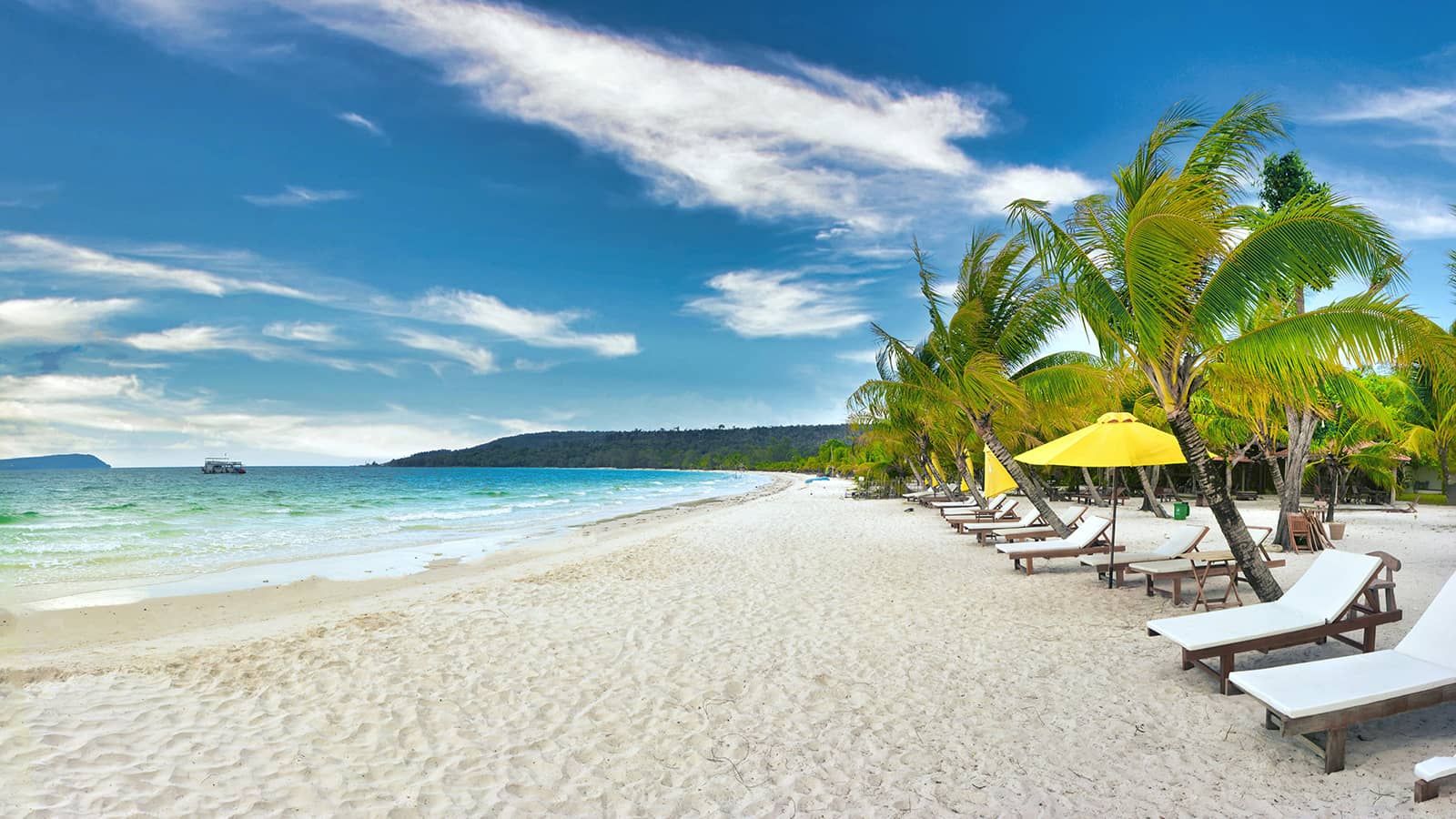
Tioman is not one beach — it’s a string of small kampung settlements strung along the western and southern coast, each with a completely different character. Choosing the right base changes your entire experience.
Tekek
Tekek is the administrative centre and the island’s busiest village. The airport is here, the longest stretch of beach is here, and so are the most shops. The beach itself is wide and functional rather than postcard-pretty — good for a morning walk, but not where you’d come to escape the world. It suits travellers who want convenience: easy ferry access, ATM (though it frequently runs dry — more on this later), and a cluster of mid-range resorts.
Air Batang (ABC)
ABC is where the backpacker soul of Tioman still lives. Chalets built on stilts hang over the water, wooden boardwalks connect guesthouses, and the vibe is relaxed in a way that feels genuinely earned rather than performed. The beach has clear water and decent snorkelling straight off the shore. It’s a ten-minute boat ride or a 30-minute jungle walk from Tekek.
Salang
Salang sits at the northern tip and requires a separate boat journey. The beach here is narrower but the water is extraordinarily clear — the kind of flat turquoise that makes you forget you’re tired from travelling. It attracts divers and snorkellers who want immediate reef access, and the community is small enough that you’ll recognise everyone at dinner by your second night.
Juara
Juara is on the east coast, which means it faces the South China Sea directly and gets rougher swells, especially between November and February. Outside monsoon season, it rewards the effort of crossing the island — a 7-kilometre jungle trail or a long boat ride around the southern tip. The beach is wild, long, and almost entirely uncommercialised. Turtle nesting activity is monitored here by local conservation volunteers.
Genting and Paya
These two southern villages have smaller resort clusters. Paya is popular with day-trippers because it’s closest to Mersing. Genting has a local fishing community alongside its guesthouses. Neither offers the beach quality of Salang or Juara, but both are quieter than Tekek.
Diving and Snorkelling: What’s Actually Down There
Tioman sits inside a marine park and has protected waters that show it. Visibility regularly reaches 15 to 20 metres, and the reefs haven’t been trashed the way some Gulf of Thailand sites have.
The most famous dive site is Renggis Island, a small island off Tekek with coral walls, bumphead parrotfish, and blacktip reef sharks that cruise the shallower sections calmly enough that beginner divers won’t feel overwhelmed. Tiger Reef, accessible from Salang, is a more advanced site with strong currents and pelagic action — the kind of dive where you drift along a wall and watch schools of barracuda wheel overhead.
For snorkellers, the shallow reef shelf around Coral Island (Pulau Tulai), a short boat ride north of Salang, is the standout. The water is so clear and shallow that you can see everything without even putting your face down. The coral here has recovered well from the 2016 bleaching events, with healthy branching staghorn formations now visible in the 1 to 3 metre range.
Dive operators cluster in Tekek, ABC, and Salang. In 2026, most reputable shops — including B&J Diving and Salang Pusaka — require online booking at least 48 hours ahead for guided dives. Walk-in snorkel gear rental is still available for around MYR 25–35 per day.
Day Trip or Overnight?
Tioman is not a day trip. Technically it’s possible — a fast boat from Mersing, a few hours on the island, back before dark — but the ferry schedule is controlled by tides, not by your itinerary. Missing the return window means you’re staying whether you planned to or not.
Beyond logistics, Tioman’s rhythm rewards time. The reef walk at low tide when the water glows with small fish in the morning light, the fruit bats that launch from the jungle canopy at dusk, the almost religious quiet of ABC at 9 PM — none of this lands on a day visit. A minimum of three nights lets you properly explore two or three villages and do at least a snorkel excursion. Five nights is the sweet spot for divers combining sites across the island.
Getting to Tioman in 2026
The main gateway is Mersing on the Johor coast. Ferries depart from Mersing Jetty and, during peak season, from Tanjung Gemok Jetty in Pahang (closer to Kuantan and useful if you’re coming from the north). Journey time is 1.5 to 2 hours depending on sea conditions and which village you’re heading to — operators stop at multiple jetties.
The tide dependency is real. Ferries don’t depart when the tide is too low — typically this affects early morning and late afternoon departures. Check the current schedule with your accommodation or with operators like Bluewater Express or Berjaya Tioman Ferries before you book your bus or train. In 2026, most operators post live updates on WhatsApp channels that you can join after booking your ticket.
Getting to Mersing from Kuala Lumpur: the fastest option is a direct express bus from TBS (Terminal Bersepadu Selatan), around 3.5 to 4 hours, MYR 25–40. The KTM Intercity train goes to Kluang and requires an additional taxi or feeder bus — slower and less convenient for most travellers.
There is a small airport in Tekek, served by Berjaya Air from Subang (Sultan Abdul Aziz Shah Airport). Flights are infrequent and weather-dependent, but the 45-minute flight removes the tide-scheduling stress entirely. Fares start around MYR 250 one-way. Worth it for travellers who are time-poor or prone to seasickness.
Getting Around the Island
There are no cars on Tioman outside of a few utility vehicles near Tekek. Movement between villages happens by sea taxi — small fibreglass boats operated by locals. Prices are fixed on a per-boat basis (not per person), typically MYR 20–60 depending on distance. Sharing with other travellers at the jetty is common and expected.
The jungle trail between Tekek and ABC takes 30–40 minutes and is genuinely pleasant — shaded, well-marked, and passing a small waterfall. Wear shoes with grip. The trail between ABC and Salang is longer (about 2 hours) and muddier; most people boat it.
Across the island to Juara, the overland trail is 7 kilometres through dense secondary jungle. It’s manageable for fit walkers with a guide, but the gradient gets steep in sections. The boat route around the southern tip takes about 40 minutes by sea taxi.
2026 Budget Reality
Tioman is not cheap by Malaysian standards — it’s an island with limited supply and growing demand. Here’s what to expect:
- Budget (backpacker): Fan chalets at ABC or Salang, MYR 60–100 per night. Meals at local restaurants, MYR 12–20 per dish. Total daily spend around MYR 150–200 including one snorkel activity.
- Mid-range: Air-conditioned rooms with attached bathroom, MYR 150–280 per night. This is the most common tier for couples. Daily spend around MYR 300–400 with a guided dive included.
- Comfortable: Berjaya Tioman Beach Resort is the island’s main resort property with pool villas and a golf course, starting around MYR 500–800 per night. Includes its own beach frontage and dive centre.
The Marine Park conservation fee is MYR 30 per person per visit (as of 2026) and is collected at the jetty or by your accommodation. It’s mandatory and non-negotiable.
Sea taxi fares, dive courses, and gear rental add up quickly — budget an extra MYR 100–200 per day if you’re doing water activities.
Food on Tioman
The food scene is small but satisfying if you know where to look. Each village has a handful of restaurants catering to travellers, and the menus overlap — grilled fish, fried rice, basic Western breakfasts — but quality varies significantly.
In ABC, the long-running Bamboo Restaurant serves a reliable grilled barramundi with garlic butter that arrives sizzling on a wooden board, the smell of charcoal and lemongrass cutting through the sea air. It’s best ordered at least 20 minutes ahead. The banana pancakes here — a traveller staple across Southeast Asia — are actually worth ordering.
In Salang, Salang Indah’s restaurant does a respectable coconut curry with local vegetables. Eat early; the kitchen often closes by 8:30 PM.
In Tekek, the morning market near the jetty has a small selection of local snacks and fruit — the only place on the island where you’ll find proper roti canai in the morning, still warm and served with a thin dhal that has that faintly sour, slow-cooked depth you don’t get from rushed mainland versions.
Alcohol is available at most non-Muslim-operated guesthouses and restaurants. Expect to pay MYR 12–18 for a beer. There is no 7-Eleven, no supermarket — bring your own snacks for the journey and your first day.
Practical Tips for 2026
Cash: Bring enough from the mainland. The single ATM in Tekek runs out during school holidays and long weekends. MYR 500–700 cash per person for a 3-night trip is a safe buffer. Some guesthouses now accept DuitNow QR payments, but connectivity is inconsistent.
Phone signal: Celcom and Maxis have improved 4G coverage along the western coast in 2025–2026, but Juara and the jungle interior still drop to zero. Download offline maps before you leave the mainland.
Jellyfish: Box jellyfish appear occasionally in the shallows between April and June. Ask at your guesthouse before swimming; local staff track sightings closely.
Monsoon season: Tioman closes to most tourism from November to February. Ferries stop, guesthouses shut, and the sea becomes genuinely dangerous. March and April can still be unsettled. The clearest weather runs from May to October.
Conservation rules: No touching coral, no feeding fish, no collecting shells. Marine park rangers do conduct checks on dive boats. These rules are enforced, not decorative.
Frequently Asked Questions
How do I get to Tioman Island from Kuala Lumpur?
Take an express bus from TBS terminal to Mersing (3.5–4 hours, MYR 25–40), then board a ferry to Tioman (1.5–2 hours). The ferry schedule is tide-dependent, so check current departure times before travelling. Alternatively, Berjaya Air flies from Subang Airport to Tekek in 45 minutes.
Is Tioman Island good for non-divers?
Yes. Snorkelling directly off beaches at ABC and Salang offers easy access to reef fish and coral without any certification. Coral Island (Pulau Tulai) is the top snorkel spot. Jungle trekking between villages and beach relaxation are also genuinely rewarding for visitors who don’t dive.
When is the best time to visit Tioman?
May through October is the main season with calm seas and good visibility. June and August coincide with Malaysian school holidays, making accommodation scarcer and more expensive. September and October offer the best balance of good conditions and smaller crowds. Avoid November to February entirely due to monsoon conditions.
Are there ATMs on Tioman Island?
There is one ATM on the island, located in Tekek, and it regularly runs out of cash during peak periods. Bring sufficient ringgit from the mainland before boarding the ferry. Some guesthouses accept DuitNow QR transfers, but do not rely on this as phone signal is unreliable island-wide.
Is Tioman Island worth visiting compared to other Malaysian islands?
For diving and snorkelling, Tioman competes directly with the Perhentian Islands and Redang. Tioman has better infrastructure, easier ferry access from KL, and more accommodation variety. The Perhentians have slightly more dramatic beach scenery. If clear water and reef quality are your priorities, Tioman absolutely delivers.