On this page
- Tioman Island in 2026: Still Worth the Journey
- Why Tioman Still Wins in 2026
- Best Villages to Stay: Matching Your Vibe to the Right Beach
- Snorkelling and Diving: What Lives Beneath Tioman’s Water
- Jungle Trekking and Inland Adventures
- Where to Eat on Tioman Island
- Day Trip or Overnight? How Long You Actually Need
- Getting to Tioman: Ferries, Flights, and the 2026 Updates
- Getting Around the Island Once You Arrive
- 2026 Budget Reality: What Tioman Costs Now
- Practical Tips: Best Time to Visit, Marine Park Rules, What to Pack
- Frequently Asked Questions
💰 Click here to see Malaysia Budget Breakdown
💰 Prices updated: August, 2026. Budget figures are estimates — always verify before travel.
Exchange Rate: $1 USD = RM4.03
Daily Budget (per person)
Shoestring: RM100.00 – RM200.00 ($24.81 – $49.63)
Mid-range: RM180.00 – RM400.00 ($44.67 – $99.26)
Comfortable: RM450.00 – RM1,300.00 ($111.66 – $322.58)
Accommodation (per night)
Hostel/guesthouse: RM20.00 – RM70.00 ($4.96 – $17.37)
Mid-range hotel: RM100.00 – RM350.00 ($24.81 – $86.85)
Food (per meal)
Budget meal: RM15.00 ($3.72)
Mid-range meal: RM35.00 ($8.68)
Upscale meal: RM100.00 ($24.81)
Transport
Single metro/bus trip: RM2.00 ($0.50)
Monthly transport pass: RM150.00 ($37.22)
Tioman Island in 2026: Still Worth the Journey
With the rise of new beach destinations in Southeast Asia and the ongoing question of overcrowding at Malaysian resort islands, travellers in 2026 are right to ask whether Tioman still delivers. The short answer is yes — but only if you know how to visit it properly. The marine park levy has been restructured, the ferry schedules have shifted since 2024, and a handful of new guesthouses have opened in quieter villages. This guide cuts through the outdated information still floating around and gives you what you actually need to plan a trip to Pulau Tioman right now.
Why Tioman Still Wins in 2026
Tioman Island sits off the coast of Pahang in the South China Sea, about 56 kilometres from the mainland town of Mersing. It earned a place on Time magazine’s list of the world’s most beautiful islands decades ago, and unlike some destinations that coast on old reputations, Tioman has largely kept its promise. Roughly 98% of the island is protected rainforest. There are no traffic lights, no shopping malls, and no nightclubs. What you get instead is one of the few places in Peninsular Malaysia where you can fall asleep to the sound of waves hitting the shore and wake up with hornbills calling from the tree line.
What separates Tioman from Redang or the Perhentians is scale and variety. The island is large enough — about 39 kilometres long — that different villages genuinely feel like different destinations. A family with young children and a solo diver have almost nothing in common in terms of where they should stay or what they should do, and Tioman accommodates both without forcing compromise.
It is also one of the few duty-free islands in Malaysia. Alcohol is available and affordably priced, which matters to some travellers and is worth knowing before you arrive.

Best Villages to Stay: Matching Your Vibe to the Right Beach
Tioman has several distinct villages connected by sea taxi and a limited number of jungle trails. Choosing the wrong one can genuinely affect your experience.
Air Batang (ABC)
This is the backpacker heartland. The beach is lined with simple chalets, small restaurants, and dive shops. It is lively without being loud, and the social atmosphere makes it easy to meet other travellers. Good for: solo travellers, divers, budget visitors who still want a clean room.
Salang
The most northerly of the main villages, Salang has a coral-fringed bay with excellent snorkelling directly off the beach. It feels more remote than ABC, the sunset hits the water directly in the early evening, and the pace is noticeably slower. Good for: snorkellers, couples, anyone who wants to genuinely switch off.
Tekek
Tekek is the administrative and commercial centre. The airport (handling light aircraft from Kuala Lumpur) is here, the marine park office is here, and the majority of the island’s shops are here. The beach is functional rather than beautiful. Good for: people arriving by flight, families needing supplies, using as a transit point.
Juara
On the east coast of Tioman, facing away from the mainland, Juara is the island’s most secluded village. Getting there requires either a 7-kilometre jungle trek from Tekek or a sea taxi around the southern tip of the island. The beach is wide, powdery, and calm, and leatherback turtles still occasionally nest here between May and September. Good for: travellers who want genuine isolation, nature lovers, those willing to sacrifice convenience for beauty.
Paya and Genting
These southern villages are quieter still and mostly attract Malaysian domestic visitors. Accommodation options are limited but prices are lower. Good for: budget travellers who have already done the more popular spots.
Snorkelling and Diving: What Lives Beneath Tioman’s Water
Tioman’s underwater environment is the main reason most people make the trip. The island sits within a gazetted marine park, meaning fishing and coral collection are prohibited in surrounding waters. The result, over decades of protection, is a reef system that has recovered significantly from the bleaching events of earlier years.
Snorkelling directly off the beaches at Salang and Coral Island (a small island about 15 minutes by boat from ABC) puts you above healthy hard coral gardens with regular sightings of blacktip reef sharks, hawksbill turtles, bumphead parrotfish, and dense schools of fusiliers. The water is warm at around 27–29°C for most of the year. Visibility during peak season (April to October) regularly reaches 15 to 20 metres.
For divers, the most celebrated sites are around Renggis Island near the Berjaya Tioman Resort, the wreck of a small boat at Tulai (Coral Island), and Tiger Reef in the north. Tiger Reef is where the current picks up and the big stuff appears — leopard sharks resting on sand, eagle rays, and occasional whale shark sightings reported between June and August.
Dive centres in ABC and Salang offer PADI Open Water courses starting at around MYR 900 in 2026. Two-dive fun dives typically cost MYR 160–200 including equipment. Most centres are professional operations with well-maintained gear, but ask to inspect tanks and BCDs before you commit.

The sensation of drifting weightless above a coral bommie with a turtle feeding calmly two metres below you — unbothered, slow, ancient — is the kind of moment Tioman was made for.
Jungle Trekking and Inland Adventures
Most visitors come for the water and never look inland. That is a mistake. Tioman’s interior is primary rainforest, and while the trails are not extensive, what exists is genuinely rewarding.
The cross-island trail from Tekek to Juara is the most popular inland route. It is approximately 7 kilometres long, climbs through dense jungle, and takes between 2.5 and 4 hours depending on your fitness level. The trail is well-marked and used often enough that it is not technically challenging, but it is humid — bring at least 2 litres of water, and start before 9am to beat the worst of the midday heat.
You will hear the forest before you see much of it. The sound is constant and layered: cicadas, unseen birds, the drip of moisture from leaves. Watch the trail edges for monitor lizards, long-tailed macaques, and if you are patient and lucky, the rare binturong.
Around ABC and Salang, shorter nature walks through the coconut plantations and village edges take 30 to 60 minutes and give a feel for the island’s vegetation without serious commitment. Some guesthouses in ABC can connect you with local guides for birdwatching sessions — particularly worthwhile during the October and November migration window, when Tioman sits on a migratory flyway for raptors and shorebirds.
Where to Eat on Tioman Island
Food on Tioman is simple, honest, and centred on fresh seafood. Manage expectations accordingly — this is not a destination for gourmet dining.
In ABC, Nazri’s Place has been feeding travellers for decades and remains the benchmark. The grilled barracuda served with sambal belacan and a plate of stir-fried kangkung hits every note you want after a day in the water — the sambal carries a proper chilli burn, the fish flakes cleanly off the bone. A full seafood dinner for two costs around MYR 60–90. They also do a solid banana pancake for breakfast.

At Salang, Salang Sayang Resort’s restaurant faces the bay and serves reliable Malay dishes. The tom yam with fresh prawns is better than it has any right to be this far from a major kitchen. Sunset views from the outdoor tables make it worth arriving early for dinner.
In Tekek, options widen slightly. There are small provision shops selling snacks, instant noodles, and cold drinks. For a proper meal, the restaurants near the jetty serve nasi campur (mixed rice with sides) for around MYR 10–15 — straightforward and filling after a long ferry crossing.
In Juara, the handful of restaurants are attached to guesthouses. Happy Café is consistently recommended for its fresh coconut juice and grilled fish served on a wooden deck with a direct view of the beach. It is the kind of place where you sit down for lunch and are still there at sunset.
Across all villages, alcohol is available at most restaurants — beer typically runs MYR 8–12 per can, which is significantly cheaper than the mainland thanks to Tioman’s duty-free status.
Day Trip or Overnight? How Long You Actually Need
Tioman is not a day-trip destination. The ferry from Mersing takes 1.5 to 2.5 hours each way depending on your destination village, which means a day trip burns half your time on the boat. Some operators in Mersing pitch “snorkelling day trips” to Tioman, and technically these work — but you will feel the wasted potential the entire time.
A minimum of two nights gives you one full day in the water and enough time to feel the island’s rhythm. Three to four nights is the sweet spot for most travellers: enough time to snorkel, do the cross-island trek, move between one or two villages, and eat your way through the local seafood options without rushing.

Divers completing an Open Water course need at least four nights, as the confined water sessions and pool work happen on day one, with open water dives across the following days.
If you have a week or more, consider splitting time between two different villages — say, two nights in ABC and three nights in Juara — to experience the contrast between the more social west coast and the isolated east.
Getting to Tioman: Ferries, Flights, and the 2026 Updates
The most common route is by bus and ferry from Kuala Lumpur. From KL, take a bus from TBS (Terminal Bersepadu Selatan) to Mersing — the journey takes roughly 4 hours and costs MYR 25–35 depending on the operator. From Mersing Jetty, ferries to Tioman depart multiple times daily during peak season (April to October). As of 2026, Bluewater Ferry and Tioman Ferry Service are the main licensed operators.
Ferry fares from Mersing to Tioman villages range from MYR 35–75 one-way depending on your destination village. The crossing takes between 1.5 and 3 hours. Critically: ferry services are highly seasonal and weather-dependent. During the northeast monsoon (November to February), most services suspend entirely, and the island essentially closes to tourists.
An alternative departure point is Tanjung Gemok near Pahang, which cuts about 30 minutes off the crossing time. Buses from KL to Tanjung Gemok operate via Kuantan and are slightly less frequent.
Berjaya Air operates light aircraft flights between Kuala Lumpur’s Sultan Abdul Aziz Shah Airport (Subang) and Tioman’s small airstrip in Tekek. In 2026, flight schedules run limited days per week — check directly with Berjaya Air as schedules shift seasonally. Return fares typically run MYR 400–700, which makes sense if your time is short or you prefer to skip the ferry entirely.

Getting Around the Island Once You Arrive
There are no cars in the usual sense on Tioman. The only road runs a short stretch through Tekek. Between villages, you travel by sea taxi — a motorised open boat that drops passengers at specific village jetties.
Sea taxis do not run on fixed schedules. You flag them down at the jetty or ask your guesthouse to arrange one. Prices are standardised per route — most single journeys cost MYR 20–40 per person. Charter a whole boat and the price goes up, but you set the departure time. Negotiate clearly before boarding and confirm the price, especially if you are a solo traveller asking to join an existing boat.
For the Tekek-to-Juara route, walking the cross-island jungle trail is the alternative to a sea taxi, and many travellers combine both directions — walk one way, boat the other.
Within each village, everything is on foot. Distances are short. This is one of the genuinely pleasant things about Tioman: there is nowhere to rush to.
2026 Budget Reality: What Tioman Costs Now
Tioman covers a wide range of budgets, but prices have increased since 2024 in line with broader tourism inflation across Malaysian beach destinations.
- Budget (MYR 80–150/night): Fan-cooled chalet with private bathroom in ABC or Salang. Simple but clean. Most have wifi of variable quality. Meals from local restaurants, MYR 15–25 per person. Snorkel gear rental MYR 20–30/day.
- Mid-range (MYR 180–350/night): Air-conditioned chalet or small resort room with sea view. Includes some guesthouses in Salang and the better-equipped operations in ABC. Budget for two dives per day plus equipment at around MYR 160–200.
- Comfortable (MYR 450–900+/night): Berjaya Tioman Resort is the island’s only large resort, offering full facilities including a golf course, multiple restaurants, swimming pools, and direct beach access. Prices vary significantly by season. Booking well in advance for peak-season weekends is essential.

Marine park fees: as of 2026, visitors are required to pay a conservation fee of MYR 30 per person per visit, collected at the jetty or by your dive operator. This replaced the previous tiered system and is non-negotiable.
A realistic budget for a 3-night trip including ferry, accommodation, food, and one full day of diving: MYR 600–900 for a budget traveller, MYR 1,200–1,800 for mid-range.
Practical Tips: Best Time to Visit, Marine Park Rules, What to Pack
When to Go
Tioman’s operating season runs roughly from mid-March to the end of October. Peak season is June to August, when visibility is at its best and the island is at its busiest. April, May, and September are excellent months — good conditions, fewer crowds, and slightly lower prices. November to early March is monsoon season. The island is largely inaccessible, and most accommodation closes. Do not try to visit during this period.
Marine Park Rules
Do not touch, stand on, or collect coral. Do not feed fish. Do not take any marine life from the water. These rules are enforced, and fines are issued. In 2026, the Tioman Marine Park has increased ranger patrols around the most-used snorkelling sites following documented coral damage incidents in 2024.
What to Pack
- Reef-safe sunscreen — only biodegradable, reef-safe formulations are permitted within the marine park
- Cash in MYR — card machines exist at the Berjaya resort and a small number of shops, but most village restaurants and guesthouses are cash only
- Insect repellent — sand flies are active at dawn and dusk, particularly in Juara
- A dry bag — essential for sea taxi crossings
- Lightweight rain jacket — afternoon downpours happen even in peak season
- A power bank — electricity supply in smaller villages can be unreliable, especially overnight

Frequently Asked Questions
Is Tioman Island suitable for non-swimmers or people who don’t dive?
Yes, though the island’s appeal is heavily water-focused. Non-swimmers can snorkel with a life jacket in shallow areas, do the cross-island jungle trek, visit Juara beach, and enjoy the general atmosphere of a duty-free island with excellent fresh seafood. It is still worth the trip, but divers and snorkellers get the most out of it.
Can I visit Tioman Island year-round?
No. The northeast monsoon closes the island between approximately November and mid-March. Ferry services suspend, most accommodation shuts, and the sea is unsafe for small boats. The confirmed operating window in 2026 is mid-March to late October. Check with ferry operators for exact start and end dates, as they shift slightly each year.
Is Tioman Island safe for solo female travellers?
Generally yes. The island villages are small, communal, and relatively safe. ABC in particular has a social backpacker culture that makes it easy to connect with other travellers. Standard common-sense precautions apply — do not walk deserted jungle paths alone at night, and secure your valuables. Harassment is not commonly reported at Tioman.
Do I need to book accommodation in advance?
For peak season (June to August) and Malaysian public holidays, yes — book at least four to six weeks ahead. In shoulder season (April, May, September), you can often find availability with a few days’ notice, but popular spots in ABC and Salang still fill up on weekends. In 2026, a number of guesthouses have moved to online booking platforms, making advance reservation easier than it used to be.
What is the marine park conservation fee and where do I pay it?
As of 2026, the fee is MYR 30 per person and applies to all visitors entering Tioman Marine Park waters — which includes all snorkelling and diving activities. It is collected at the Mersing or Tanjung Gemok jetty when you purchase your ferry ticket, or sometimes by your dive centre when you book your first water activity. Keep your receipt.
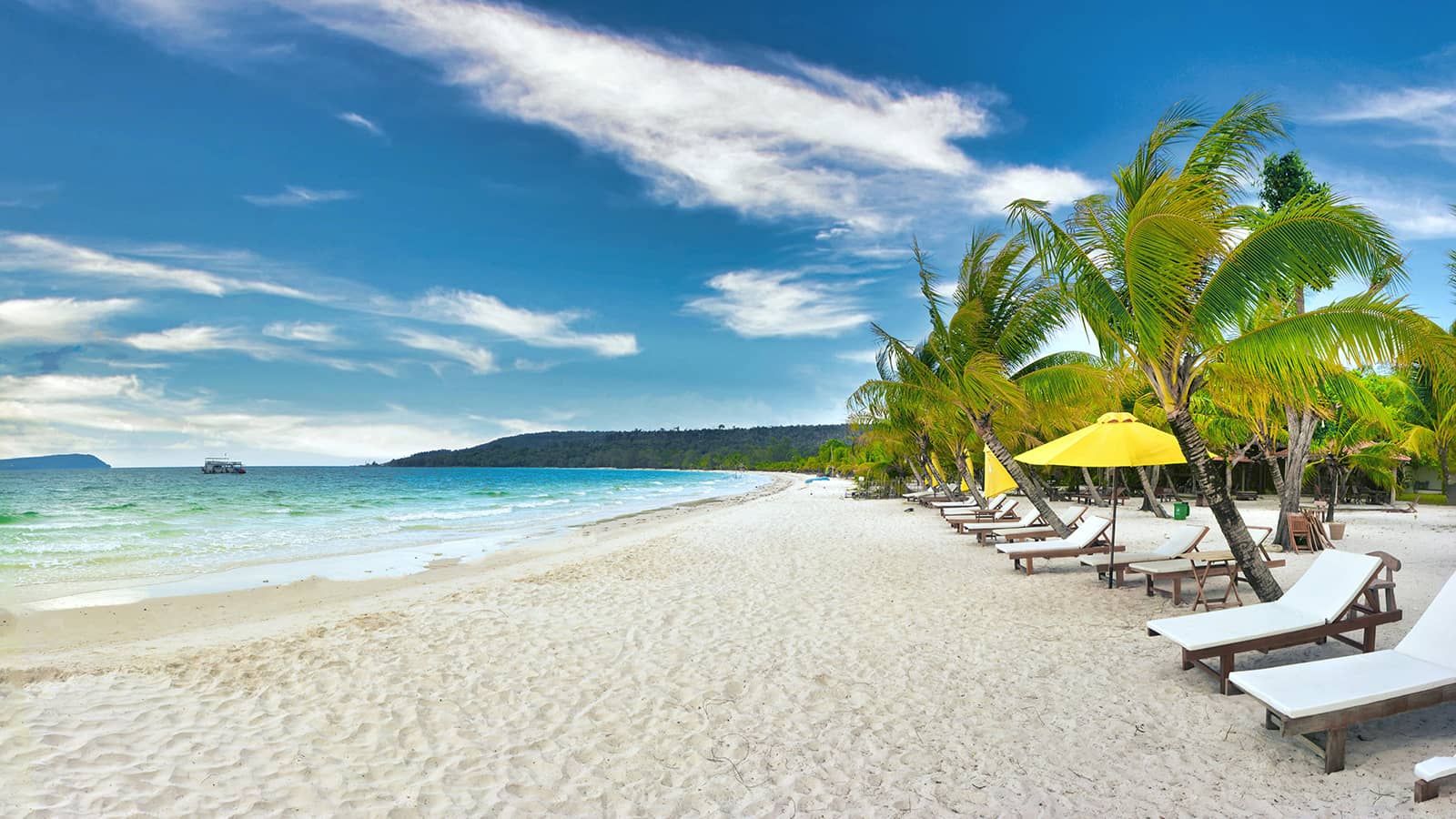
📷 Featured image by Antonio Araujo on Unsplash.