On this page
- Why Where You Sleep Matters So Much Here
- Best Neighbourhoods for Your Stay
- Where to Eat Around Your Stay
- Getting Around Without MRT or LRT
- Day Trips From Your Base
- Evenings, Fireplaces and Night Markets
- Shopping for Souvenirs and Farm Produce
- Accommodation Types by Budget Tier
- Best Time to Visit
- Practical Tips for Staying Smart
- 2026 Budget Breakdown
- Frequently Asked Questions
💰 Click here to see Malaysia Budget Breakdown
💰 Prices updated: October, 2026. Budget figures are estimates — always verify before travel.
Exchange Rate: $1 USD = RM4.08
Daily Budget (per person)
Shoestring: RM100.00 – RM180.00 ($24.51 – $44.12)
Mid-range: RM250.00 – RM450.00 ($61.27 – $110.29)
Comfortable: RM500.00 – RM1,000.00 ($122.55 – $245.10)
Accommodation (per night)
Hostel/guesthouse: RM30.00 – RM60.00 ($7.35 – $14.71)
Mid-range hotel: RM110.00 – RM200.00 ($26.96 – $49.02)
Food (per meal)
Budget meal: RM15.00 ($3.68)
Mid-range meal: RM35.00 ($8.58)
Upscale meal: RM100.00 ($24.51)
Transport
Single metro/bus trip: RM2.00 ($0.49)
Monthly transport pass: RM50.00 ($12.25)
Cameron Highlands has changed fast. Weekends and school holidays in 2026 bring traffic jams on the Tapah road and fully booked rooms, and many visitors end up in a cold concrete block in the busiest part of Brinchang. The good news is that the best places here are not the big hotels on the main road. They are Tudor-style boutique hotels with fireplaces, family homestays between tea rows, and farm cottages where the morning mist comes right up to your window. This guide shows you how to pick the right one and how to plan the rest of your trip around it.
Why Where You Sleep Matters So Much Here
Cameron Highlands sits at roughly 1,300 to 1,600 metres above sea level. Daytime temperatures are around 20 to 25°C, and nights drop to 14 to 16°C. After the heat of Kuala Lumpur or Penang, that cool air is the main reason people come. It also means your room is more than a place to drop your bag. A good stay is where you have your first hot tea at 7 a.m., wrapped in a blanket and looking at a hillside that disappears into cloud.
The area was developed in the 1920s and 1930s as a British hill station. You can still see this in the half-timbered buildings, the rose gardens and the afternoon tea tradition. Tea estates, vegetable farms and strawberry greenhouses now cover the slopes. Local life also includes the Orang Asli communities, Malay and Chinese farming families, and Tamil tea-estate workers.
That mix shows up in the places to stay. Some are colonial-style hotels with log fires and scones. Others are Chinese-run homestays where the host leaves fresh strawberries on your table. A few newer ones are modern A-frame cabins and glass-front villas built for the view. The sections below help you choose between them.
Best Neighbourhoods for Your Stay
Tanah Rata: The Practical Base
Tanah Rata is the main town. It has the bus station, banks, pharmacies, Indian restaurants, backpacker hostels and the starting points for several jungle trails. If you do not have a car, stay here. You can walk to dinner, and taxis are easy to find. The downside is noise from the main street and weekend traffic. Pick a place on a side lane or uphill from Jalan Besar for a quieter night.
Brinchang: The Busy Weekend Hub
Brinchang is about 6 km north of Tanah Rata. It has more shops, the weekend night market and plenty of steamboat restaurants. It suits families and first-time visitors who want lots of things within walking distance. It also gets the worst crowds. If you want peace, choose a hotel on the hill above the town centre rather than on the main road.

Kea Farm and Tringkap: Farmland Stays
These areas are known for greenhouses, flower farms and vegetable markets. Many homestays and farm cottages sit between the plots. You wake up to the sound of farm trucks and roosters, and the air smells of damp soil and cut greens. You will need a car or a hired driver here, but the views and the lower prices are worth it.
Ringlet and Kampung Raja: Quiet and Green
Ringlet is at the lower, southern edge of the highlands. It is calmer, a little warmer and close to the lake. Kampung Raja is on the far northern side, towards Blue Valley. It is the best choice if you want real quiet, tea-estate views and fewer tourists. Both areas are better for travellers who already have a car and want to get away from the crowds.
Where to Eat Around Your Stay
Cameron Highlands is not a street-food city like Penang, but the food is good and the cool weather makes hot meals even better. Here is where to find them.
- Tanah Rata Indian restaurants: The main street has several banana leaf and roti canai shops. Breakfast here costs around RM6 to RM12, and the roti is crisp and fragrant with ghee.
- Brinchang steamboat strip: This is the famous Cameron dinner. You sit around a bubbling pot of broth and cook your own vegetables, meat and seafood. The local greens are fresh from the farms nearby. Expect RM30 to RM60 per person.
- Brinchang weekend night market: Stalls sell grilled corn, fried snacks, strawberries dipped in chocolate and hot soy drinks. It runs on weekend evenings and gets crowded, so go early.
- Kea Farm market area: A good stop for fresh produce, simple lunch stalls and cheap tea-time snacks.
- English tea rooms: Several boutique hotels and tea houses serve scones, jam and cream with a pot of local tea. Expect RM30 to RM60 for a set.
Many homestays include breakfast or can arrange a home-cooked dinner. Ask when you book, because eating options get thin in the farm areas after 8 p.m.
Getting Around Without MRT or LRT
Cameron Highlands has no MRT, LRT or train line. Your options are buses, taxis, hired drivers and your own car.
Getting There
- From Kuala Lumpur: By car it takes roughly 3.5 to 4.5 hours, depending on traffic. Take the North-South Expressway to Tapah, then drive the winding road up. Direct coaches run from Terminal Bersepadu Selatan (TBS) to Tanah Rata and Brinchang, and tickets are usually around RM35 to RM50.
- By train: Take the KTM ETS to Tapah Road, then continue by taxi or pre-booked van. Check the latest ETS timetable before you go, since schedules have been updated since 2024.
- From Ipoh: The drive takes around two hours via Simpang Pulai. Buses and vans run from Ipoh as well.
- From KLIA: A private transfer takes around four hours and costs roughly RM350 to RM500 depending on the vehicle.
Moving Around Once You Arrive
Local buses run between Tanah Rata and Brinchang, but they are infrequent, so do not depend on them. Local taxis work on fixed rates between popular spots, so agree on the price before you get in. Grab works in the main towns but is patchy in farm areas, and you may wait a long time for a driver. If you stay in Kea Farm, Tringkap or Kampung Raja, a rental car or a day hire (usually RM250 to RM400) is the sensible choice. The roads are narrow and winding, fog arrives suddenly, and heavy weekend traffic is common, so drive slowly.
Day Trips From Your Base
- Mossy Forest and Gunung Brinchang (half day): About 30 to 45 minutes from Tanah Rata. Go early for clear views. Most visitors join a tour, though you can drive up if you are comfortable on steep roads.
- BOH Sungei Palas and Tea Estate Drives (half day): Around 20 to 30 minutes from Brinchang. Combine it with a tea tasting and a walk along the viewing paths.
- Kampung Raja and Blue Valley (half to full day): Around an hour from Tanah Rata. The area has quiet roads, farm views and fewer crowds. It is a good day if you want to see the quieter side of the highlands.
- Ipoh (full day): About two hours away. You can do a day of white coffee, cave temples and old town murals, then return in the evening. It also works as a smart exit route when you leave the highlands.

Rainy weather can close or slow some trails, so ask your host about conditions in the morning before you set out.
Evenings, Fireplaces and Night Markets
Nightlife here is gentle. There are no rooftop bars or clubs, and that is the appeal. The evening scene is built around warmth and food.
- Hotel lounges and fireplaces: Several boutique hotels light fires in the evening, and you can sit with tea or a drink while the temperature drops. This is the most memorable evening activity for many guests.
- Brinchang night market: Lively on weekends, with food, snacks and cheap souvenirs. The smell of grilled corn and sweet batter drifts down the street as the mist rolls in.
- Homestay barbecues: Some homestays set up a grill or a campfire for guests. Ask when booking and confirm the price.
- Stargazing: On clear nights away from the town lights, such as in Kampung Raja, the sky is surprisingly bright.
Alcohol is limited. Some hotels and a few restaurants serve beer and wine, but you will not find a bar scene. Most places quiet down by 10 p.m.
Shopping for Souvenirs and Farm Produce
Shopping in Cameron Highlands means local produce and handmade goods rather than fashion.
- Tea: BOH tea is the classic gift. Packets start at around RM10 to RM15, and tins and gift sets cost more.
- Strawberries and strawberry products: Fresh punnets, jam and dried fruit are sold everywhere. Fresh berries do not travel well, so eat them the same day.
- Honey: Bee farms around Brinchang and Kampung Raja sell local honey and beeswax products. Check that the label lists the source.
- Plants and flowers: The nurseries in Tringkap and Brinchang sell cacti, succulents and cut flowers. Check the rules before carrying plants across borders.
- Brinchang town centre: The best spot for gift shops, snacks and last-minute buys. Prices at the tourist stalls can be inflated, so compare two or three before buying.
Cash still helps at small farm stalls, though most larger shops accept cards and e-wallets such as Touch ‘n Go.
Accommodation Types by Budget Tier
Budget: Hostels and Basic Homestays (RM60 to RM160 per night)
Tanah Rata has the best choice of hostels and simple guesthouses. Rooms are clean but often basic, and some do not include heating. Dorm beds start at around RM35 to RM60. Family-run homestays in the farm areas can offer a private room with a kitchen or shared lounge at similar prices. Always confirm that there is hot water.
Mid-Range: Boutique Hotels and Charming Homestays (RM200 to RM450 per night)
This is the best value tier. You can find Tudor-style inns with log fires and garden views, as well as modern farm cottages with large windows and balconies. Look for properties that offer:
- A heater or thick blankets and reliable hot water
- A balcony or garden facing the hills, not the road
- Breakfast with local produce, such as fresh strawberries, eggs and tea
- A host who can arrange transport, tours and dinner
Weekday rates are often 20 to 40 percent lower than weekends, so mid-week stays give the best deals.
Luxury: Heritage and Design Stays (RM500 to RM1,200+ per night)
At this level you can stay in a restored colonial-era hotel with manicured gardens and afternoon tea, or in a private villa with a tea-estate view. Well-known names include Cameron Highlands Resort and Smokehouse, and several newer boutique properties have opened in recent years. Check current reviews, since quality varies, and look for rooms with real views.
Whatever your tier, prices shown online may exclude 8 percent service tax. Foreign guests are also charged a RM10 per room per night tourism tax, so check the final total.
Best Time to Visit
- Drier months (roughly June to August and December to February): Better for trails and views, but also the busiest, with higher prices.
- Wetter months (roughly March to May and October to November): Afternoon showers are common, mist is heavier, and rooms are cheaper. The landscape is greener, and the atmosphere is moody and peaceful.
- School holidays and long weekends: Expect full hotels and slow traffic. Book early and travel on weekdays.
- Festivals: Chinese New Year, Hari Raya and year-end holidays bring many domestic visitors. Visit Malaysia 2026 promotions may increase demand during peak months, so reserve early.
Shoulder periods, especially mid-week outside school holidays, give the best mix of price, weather and quiet. Mornings are usually clearest, and afternoons often bring mist or rain.
Practical Tips for Staying Smart
- Pack warm layers: A fleece, a light rain jacket and closed shoes are essential. Nights can feel colder than expected, especially in rooms without heaters.
- Check the access road: Some homestays are on steep or narrow roads that are difficult for small cars in wet weather. Ask before booking.
- Safety: Cameron Highlands is generally safe. Take normal precautions with valuables in parked cars. Drive carefully in fog and stay on marked trails.
- Tipping: Not expected. Rounding up a taxi fare or leaving a small amount for a guide or driver is appreciated.
- Language: English works in hotels, restaurants and shops. Malay, Mandarin, Cantonese and Tamil are all spoken. A simple “terima kasih” (thank you) goes a long way.
- SIM and signal: Coverage is good in Tanah Rata and Brinchang but can be weak in farms and valleys. An eSIM or a local CelcomDigi or Maxis SIM is a good idea, and download offline maps before you go.
- Water: Do not drink tap water. Buy bottled water or ask your hotel for filtered water.
- Opening hours: Many small restaurants and shops close by 8 or 9 p.m., and some stalls close for midday prayers on Fridays. Plan dinner early, especially in the farm areas.
2026 Budget Breakdown
These are approximate daily costs per person for two people sharing a room, excluding transport to Cameron Highlands.
Budget (RM150 to RM250 per day)
- Hostel or basic homestay: RM40 to RM100 per person
- Meals at local restaurants and stalls: RM30 to RM50
- Local transport and entry fees: RM20 to RM50
Mid-Range (RM350 to RM650 per day)
- Boutique hotel or quality homestay: RM100 to RM250 per person
- Meals including a steamboat dinner or tea set: RM80 to RM150
- Taxi, driver hire share and activities: RM80 to RM200
Comfortable (RM800 to RM1,600+ per day)
- Heritage hotel or private villa: RM300 to RM600+ per person
- Fine dining, afternoon tea and drinks: RM200 to RM400
- Private driver, guided tours and extras: RM250 to RM500
Frequently Asked Questions
Is it better to stay in Tanah Rata or Brinchang?
Tanah Rata suits travellers without a car because it has buses, trailheads and many restaurants. Brinchang is busier, with more shops and the weekend night market. For quiet and views, choose a hillside property in either area or look at Kea Farm, Ringlet or Kampung Raja instead.
Do I need a car to stay in Cameron Highlands?
Not if you stay in Tanah Rata or Brinchang, where you can use taxis, local buses and tours. For homestays in Kea Farm, Tringkap or Kampung Raja, a car or hired driver is strongly recommended, since public transport is limited and the roads are steep and winding.
How much does a boutique hotel cost in Cameron Highlands in 2026?
Most boutique hotels and quality homestays cost RM200 to RM450 per night. Heritage hotels and private villas can reach RM500 to RM1,200 or more. Weekend and holiday rates are higher, so midweek stays usually give much better value.
Do hotels in Cameron Highlands have heating?
Many mid-range and luxury properties have water heaters, thick blankets or fireplaces, but not all budget places do. Air conditioning is rarely needed. Always check the room details and ask about hot water and heating before you book, especially in the cooler months.
How many nights should I stay in Cameron Highlands?
Two to three nights is enough for most visitors. That gives you time for the tea estate, Mossy Forest, a strawberry farm and a steamboat dinner without rushing. Stay longer if you want to hike, relax at a farm homestay or explore quieter areas such as Kampung Raja.
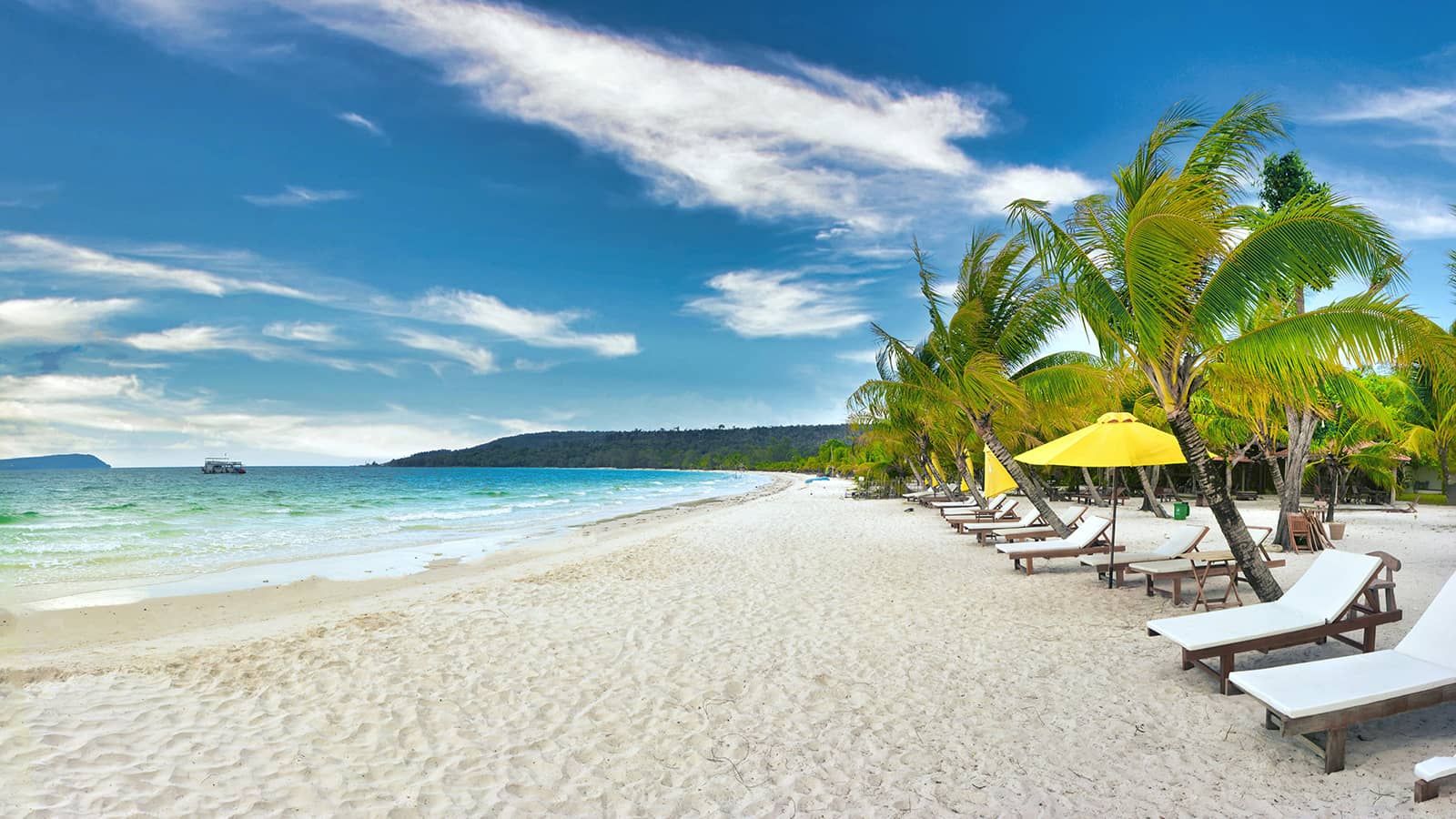
📷 Featured image by Laurentiu Morariu on Unsplash.