On this page
- Tanjung Aru Third Beach: The Stretch the Resorts Don’t Talk About
- Gaya Street’s Forgotten Back Lanes
- Kampung Sembulan Floating Village
- Api-Api Centre Wet Market at Dawn
- Monsopiad Cultural Village: The Warrior Heritage Site Tour Buses Skip
- Tanjung Lipat Waterfront: The Promenade KK Locals Actually Use
- Bukit Padang Forest Reserve: A Hill Walk Inside City Limits
- Likas Bay Mangrove Boardwalk
- Donggongon Town Night Market: The Real Kadazan-Dusun Food Scene
- Lok Kawi Wildlife Park: KK’s Underrated Wildlife Encounter
- 2026 Budget Reality: What These Hidden Gems Actually Cost
- Frequently Asked Questions
💰 Click here to see Malaysia Budget Breakdown
💰 Prices updated: August, 2026. Budget figures are estimates — always verify before travel.
Exchange Rate: $1 USD = RM4.03
Daily Budget (per person)
Shoestring: RM100.00 – RM200.00 ($24.81 – $49.63)
Mid-range: RM180.00 – RM400.00 ($44.67 – $99.26)
Comfortable: RM450.00 – RM1,300.00 ($111.66 – $322.58)
Accommodation (per night)
Hostel/guesthouse: RM20.00 – RM70.00 ($4.96 – $17.37)
Mid-range hotel: RM100.00 – RM350.00 ($24.81 – $86.85)
Food (per meal)
Budget meal: RM15.00 ($3.72)
Mid-range meal: RM35.00 ($8.68)
Upscale meal: RM100.00 ($24.81)
Transport
Single metro/bus trip: RM2.00 ($0.50)
Monthly transport pass: RM150.00 ($37.22)
Most visitors to Kota Kinabalu in 2026 follow the same circuit: Signal Hill Observatory, Sapi Island, the waterfront night market, and Mari Mari Cultural Village. That loop works, but it also means you’re sharing every view with dozens of other tourists and paying the inflated prices that come with that. The real KK — the one locals actually live in — runs parallel to all of that, quieter and almost entirely unmarked on the standard itineraries. These ten spots won’t be on any resort’s activities list. That’s exactly the point.
Tanjung Aru Third Beach: The Stretch the Resorts Don’t Talk About
Tanjung Aru Beach is well known. What most guides don’t tell you is that it has three distinct sections, and the further you walk from the Shangri-La’s Tanjung Aru Resort entrance, the fewer tourists you’ll find. Third Beach — locally just called Pantai Ketiga — sits at the far southern end, accessed by continuing along the coastal path past the weekend barbecue crowds.
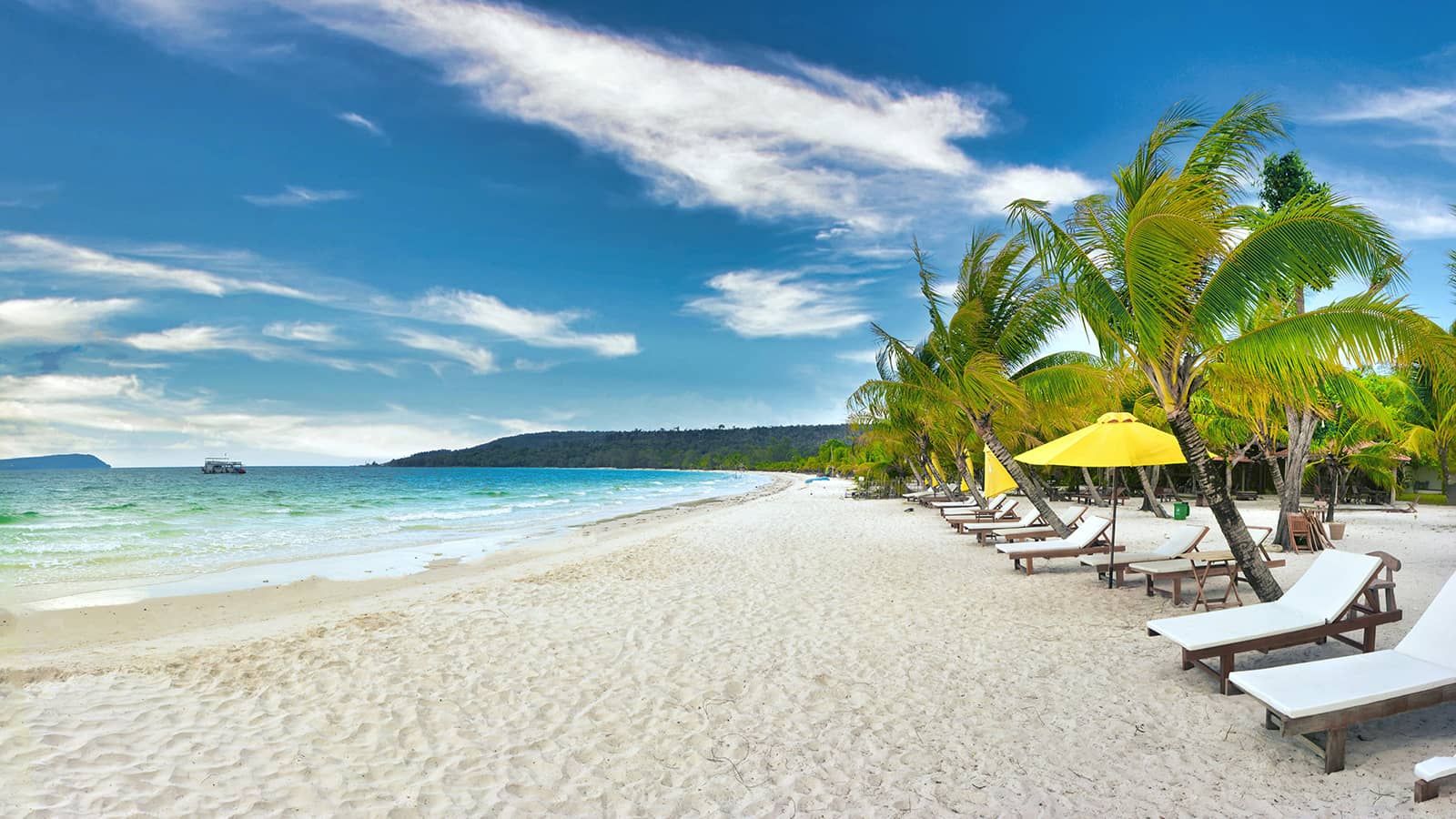
By late afternoon, the sky here turns a layered amber and orange over the South China Sea, with the silhouette of Pulau Gaya sitting on the horizon. Local families set up folding chairs and pack tupperware dinners. There are no sun lounger rentals, no overpriced coconut stalls. You can hear the water clearly because the jet ski noise doesn’t carry this far. Bring your own food and arrive by 5:30pm to claim a good spot before the golden hour crowd from the first and second beaches drifts down.
Gaya Street’s Forgotten Back Lanes
The Sunday Market on Gaya Street draws thousands every week, and most visitors spend their entire time on the main strip buying magnets and dried mango. Turn left or right into any of the smaller lanes running perpendicular to Gaya Street — particularly Lorong Dewan and the alley behind the old Milimewa Superstore — and you enter a completely different world.
These back lanes house old-school barbers charging MYR 12 for a cut, Chinese medicine halls with walls of wooden drawers, and a handful of original kopitiam that have been serving the same strong black coffee since before Sabah joined Malaysia. The smell of roasted coffee beans and floor wax drifts out of these shops on Sunday mornings before the heat builds. Vendors here sell jungle produce — wild ferns, bamboo shoots, forest mushrooms — brought in by Kadazan traders from the interior. This is the market that feeds actual KK households, not tourist tote bags.
Kampung Sembulan Floating Village
Less than 3 kilometres from KK’s city centre, Kampung Sembulan is one of the last functioning water villages in the Kota Kinabalu urban area. Built on stilts over the Sembulan estuary, the village is home to a mix of Bajau Laut and Filipino immigrant communities. It’s accessible by walking through the Sembulan district — past the commercial strip near the Sembulan roundabout — and following the raised wooden walkways that connect the stilt houses.
Visiting is not a formal tourist experience. There are no guides, no entrance fees, no souvenir shops. You walk, you observe, you nod at residents hanging laundry or repairing fishing nets. Children cycle on the narrow wooden planks above the water. Small boats are tied under homes. The mud below shines at low tide, exposing the infrastructure of a life entirely built over the sea. Treat it with respect: this is someone’s home, not a set piece. Keep noise low, ask before photographing anyone directly, and don’t enter gated compounds.
Api-Api Centre Wet Market at Dawn
The Api-Api Centre along Jalan Tun Fuad Stephens houses the wet market where KK’s seafood restaurants actually buy their stock. This is not the polished Filipino Market nearby — this is where fishermen sell directly, where prices are negotiated in a mix of Malay, Sabah Malay dialect, and Tagalog, and where the morning’s catch from the South China Sea is laid out on ice slabs that are still dripping.
Arrive between 6:00am and 7:30am for the full experience. By 9:00am, the best fish are gone and the heat has set in. You can buy fresh prawns, grouper, stingray, and whatever shellfish came in overnight at prices significantly lower than the central market. Even if you’re not cooking, watching the transaction between fisherman, middleman, and restaurateur is a masterclass in how KK’s food economy actually works. The market floor is wet and slippery — wear shoes you don’t mind getting dirty.
Monsopiad Cultural Village: The Warrior Heritage Site Tour Buses Skip
Mari Mari Cultural Village near Kionsom gets nearly all the cultural tourism attention in the Kota Kinabalu area. About 13 kilometres south of KK in Penampang, Monsopiad Cultural Village offers something genuinely different: it’s built on the actual ancestral land of Monsopiad, a legendary Kadazan warrior, and it’s run by his direct descendants.
The village contains a collection of 42 human skulls — war trophies collected by Monsopiad — displayed in a traditional Kadazan longhouse called the House of Skulls. The tour isn’t sanitised. The family guides talk about headhunting traditions, ritual context, and what these objects mean to the community today with a directness that group tours at larger cultural parks tend to avoid. The site also runs traditional rice wine (tapai and lihing) tasting, blowpipe demonstrations, and a traditional gong performance. Entry in 2026 is approximately MYR 65 per adult. Grab from KK city takes around 25 minutes and costs MYR 20–30.
Tanjung Lipat Waterfront: The Promenade KK Locals Actually Use
While visitors crowd the KK Waterfront Esplanade near the Hyatt and the Filipino Market, locals have quietly claimed Tanjung Lipat, a stretch of reclaimed seafront roughly 4 kilometres north of the city centre near Likas. The area has a concrete promenade running along the bay, with benches, small shelters, and open grass areas facing directly toward Pulau Gaya and Pulau Sapi.
On weekday evenings, you’ll find office workers jogging, elderly couples walking, and teenagers on bikes. Nobody is trying to sell you anything. The seafront kiosks here sell teh tarik, corn on the cob, and pisang goreng at MYR 1–3 per item rather than the tourist-zone markup you’d pay elsewhere. The light on the water at dusk from Tanjung Lipat — with the islands darkening against a bright sky — is as good as any sunset view in KK, and the air carries the salt and seaweed smell of an actual working bay.
Bukit Padang Forest Reserve: A Hill Walk Inside City Limits
Bukit Padang sits at the edge of KK’s urban centre, adjacent to the Sabah State Museum and the government quarter. A network of walking trails climbs through secondary dipterocarp forest to a hilltop with views across the Likas Bay and the islands beyond. The main trailhead is at the base of the hill near the museum entrance on Jalan Muzium.
The climb to the top takes 30–45 minutes at a moderate pace. The forest is thick enough that within five minutes of starting you can’t hear the traffic below. Monitor lizards sun themselves on the rocks. Pitcher plants grow along the shadier sections of the trail. The summit clearing isn’t dramatic — it’s a small concrete lookout — but the panorama of KK’s coastal spread from there is understated and real. Bring water. The trail has no facilities. Start before 8:00am in the dry season to avoid the mid-morning heat, which sits around 32–34°C between March and October.
Likas Bay Mangrove Boardwalk
The Likas Bay Wetland, sometimes listed as Kota Kinabalu City Bird Sanctuary, has existed for years but remains almost invisible on tourist itineraries despite being one of the most accessible urban mangrove ecosystems in Malaysian Borneo. The boardwalk runs through dense mangrove forest along the Likas Bay shoreline, with observation platforms positioned over the water at intervals.
Early mornings bring kingfishers, egrets, mudskippers, and — if you move quietly — proboscis monkeys in the canopy above the waterline. The boardwalk is free to enter. It’s best visited at low tide, when the mudflats are exposed and bird activity increases. The air smells of salt and organic mud, and the sound of the mangrove — wind through pneumatophores, the occasional plop of something dropping into the water — is unlike any other environment near the city. Access is from Jalan Bukit Padang near the Likas sports complex. The entire circuit takes about 45 minutes.
Donggongon Town Night Market: The Real Kadazan-Dusun Food Scene
Penampang district, about 10 kilometres south of KK city, is the heartland of the Kadazan-Dusun community in the Kota Kinabalu area. Donggongon Town is its commercial centre, and the night market here — running Thursday through Sunday evenings from around 5:30pm — is where you find food that doesn’t appear on any mainstream KK food list.
Look for pinasakan (fish cooked in bambangan fruit and turmeric), tuhau (wild ginger sambal with a sharp, almost chemical tang that’s deeply polarising), hinava (raw fish cured in lime and chillies served cold), and fresh tuak, the local rice wine, sold by the cup. Grilled river fish wrapped in leaves, buffalo meat skewers, and fresh bamboo rice are common. Prices are MYR 3–8 per item across the board. Grab from KK city to Donggongon takes about 20 minutes and costs MYR 15–22. This is genuinely the most authentic Sabahan food experience accessible from KK without booking a tour.
Lok Kawi Wildlife Park: KK’s Underrated Wildlife Encounter
About 24 kilometres south of KK city, Lok Kawi Wildlife Park consistently gets passed over in favour of the Kinabatangan River or Sepilok Orangutan Rehabilitation Centre — destinations that require an overnight trip east. Lok Kawi is a day visit that delivers genuine encounters with Bornean wildlife at a fraction of the effort and cost.
The park houses Bornean pygmy elephants, Sumatran rhinoceros (in a managed conservation enclosure), proboscis monkeys, sun bears, clouded leopards, and multiple species of hornbill. The grounds are spacious and shaded. Feeding sessions for several animals are scheduled across the day — check the 2026 schedule at the entrance, as times have been adjusted following the park’s infrastructure upgrade completed in late 2025. Entry costs MYR 20 for adults, MYR 10 for children. Allow 3–4 hours. Grab from KK costs MYR 35–50 one way; some drivers won’t wait, so arrange your return pickup before you enter.
2026 Budget Reality: What These Hidden Gems Actually Cost
- Tanjung Aru Third Beach — Free entry. Grab from KK city: MYR 10–15
- Gaya Street Back Lanes — Free to explore. Budget MYR 10–20 for food and coffee
- Kampung Sembulan — Free. Walking distance from Sembulan commercial area
- Api-Api Centre Market — Free to visit. Food and produce: MYR 5–30 depending on what you buy
- Monsopiad Cultural Village — MYR 65 per adult. Grab: MYR 20–30 each way
- Tanjung Lipat Waterfront — Free. Street food: MYR 1–5 per item
- Bukit Padang Forest Reserve — Free entry
- Likas Bay Mangrove Boardwalk — Free entry
- Donggongon Night Market — Food: MYR 3–8 per item. Grab: MYR 15–22 each way
- Lok Kawi Wildlife Park — MYR 20 adults, MYR 10 children. Grab: MYR 35–50 each way
A full day hitting two or three of these spots — with transport, food, and any entry fees — will typically run MYR 50–120 per person, significantly less than a single island-hopping tour package, which starts at MYR 150–200 per person in 2026.
Frequently Asked Questions
Are these hidden spots safe for solo travellers?
Yes, all ten locations are safe for solo visitors. Kampung Sembulan and the Api-Api Market are active community spaces — being respectful and observant is more important than any safety concern. Use Grab for transport rather than hailing unmarked taxis, and keep your phone in your pocket in crowded market areas.
Do I need a guide to visit Monsopiad Cultural Village?
No prior booking is required for individual travellers, and the village provides its own family guides as part of the entry fee. The guided tour is included in the MYR 65 admission. Calling ahead to confirm opening hours is wise, especially if visiting on a weekday, as schedules can vary.
What is the best time of year to visit Kota Kinabalu for outdoor exploration?
March to September offers the driest and most reliable weather for outdoor sites like Bukit Padang, the mangrove boardwalk, and Tanjung Aru Third Beach. October through February brings the northeast monsoon, with heavier rain and rougher seas. Beach visits and forest walks are possible year-round but require flexibility.
How do I get around Kota Kinabalu without a car?
Grab covers the entire KK urban area and is the most reliable option for reaching sites outside walking distance. The city centre, Filipino Market, Gaya Street, and Tanjung Lipat are walkable from most hotels in the Wawasan and city centre zones. Buses serve Penampang and Likas but schedules are irregular in 2026.
Is Lok Kawi Wildlife Park worth visiting if I’m also planning a Sepilok trip?
They serve different purposes. Sepilok focuses on orangutan rehabilitation in a more natural rainforest setting. Lok Kawi gives you access to a wider range of Bornean species — including pygmy elephants and sun bears — in a single half-day visit without internal flights or overnight stays. Both are worth visiting if your itinerary allows.