On this page
- What Makes Kota Kinabalu Feel Different from Every Other Malaysian City
- Neighbourhoods Worth Knowing Before You Book
- Sights That Are Actually Worth Your Time
- Where Locals Actually Eat in KK
- Getting Around KK Without a Car
- Day Trips That Make the Journey Worth It
- Nights in KK: What’s Actually Open and Worth Going To
- Shopping in KK: Where to Spend and What to Look For
- Where to Sleep in KK: Areas and Budget Tiers
- When to Come and When to Think Twice
- Practical Things to Know Before You Land
- What a Day Actually Costs in KK: 2026 Budget Breakdown
- Frequently Asked Questions
💰 Click here to see Malaysia Budget Breakdown
💰 Prices updated: August, 2026. Budget figures are estimates — always verify before travel.
Exchange Rate: $1 USD = RM4.03
Daily Budget (per person)
Shoestring: RM100.00 – RM200.00 ($24.81 – $49.63)
Mid-range: RM180.00 – RM400.00 ($44.67 – $99.26)
Comfortable: RM450.00 – RM1,300.00 ($111.66 – $322.58)
Accommodation (per night)
Hostel/guesthouse: RM20.00 – RM70.00 ($4.96 – $17.37)
Mid-range hotel: RM100.00 – RM350.00 ($24.81 – $86.85)
Food (per meal)
Budget meal: RM15.00 ($3.72)
Mid-range meal: RM35.00 ($8.68)
Upscale meal: RM100.00 ($24.81)
Transport
Single metro/bus trip: RM2.00 ($0.50)
Monthly transport pass: RM150.00 ($37.22)
Kota Kinabalu had a rough patch through 2024 and 2025 — overtourism pressure on Tunku Abdul Rahman Park, crowded dive sites, and a spike in accommodation prices during the post-pandemic travel surge all made planning a trip feel riskier than it used to be. By 2026, the situation has stabilised. The Sabah Tourism Board implemented visitor quotas for the marine park islands, new direct flights from Japan and South Korea have brought fresh infrastructure investment, and the city itself has quietly upgraded its waterfront. If you’ve been putting off Kota Kinabalu, this is the year it makes sense to go.
What Makes Kota Kinabalu Feel Different from Every Other Malaysian City
KK, as everyone calls it, sits on the edge of the South China Sea with the Crocker Range mountains filling the eastern horizon. That geography alone sets the mood. You wake up to the smell of salt air, watch the sun drop behind five islands every evening, and feel the jungle pressing in from all sides. This is not a city trying to be a smaller Kuala Lumpur. It has its own rhythm — slower, saltier, more outdoor-focused.
The population is a genuine mix of Kadazan-Dusun, Bajau, Murut, Chinese Malaysian, Filipino, and Indonesian communities, and that diversity shows up everywhere: in the languages you hear at the market, the food on offer, and the faces in the crowd. Sabah has always operated slightly apart from the peninsular Malaysian mainstream, and that gives KK a borderland energy that feels energising rather than chaotic.
The outdoor access is the real draw. Within two hours of the city centre, you can be on a coral reef, halfway up a 4,095-metre mountain, or watching proboscis monkeys swing through riverside mangroves. No other Malaysian city offers that range.
Neighbourhoods Worth Knowing Before You Book
KK City Centre and Jesselton Point

This is the practical choice for first-timers. The ferry terminal to Tunku Abdul Rahman Park is walking distance, the Filipino Market and night market are both close, and Grab is easy to catch. The streets are noisy and busy but manageable. Most mid-range hotels cluster here. Jalan Pantai and Jalan Haji Saman are the main commercial strips.
Likas Bay
About 4 kilometres north of the city centre, Likas is calmer, has a proper bay-side promenade, and feels more residential. It suits travellers who want easy access to the Likas Sports Complex, KK Wetlands, and a slightly quieter base. Grab rides into town cost MYR 8–12.
Tuaran Road Corridor
Heading north toward the airport and Tuaran town, this corridor has seen the most new hotel development in 2025–2026. The Sabah International Convention Centre sits here, and a handful of upscale resorts have opened along this stretch. It’s not walkable for sightseeing but works well if you’re renting a car or attending conferences.
Tanjung Aru
South of the city near the airport, Tanjung Aru is known for its beach, the Shangri-La Tanjung Aru Resort, and arguably the best sunset-watching spot in KK. It’s quiet, slightly removed from the bustle, and suits couples or anyone who wants a beach-adjacent base without going to an island.
Sights That Are Actually Worth Your Time
Tunku Abdul Rahman Marine Park
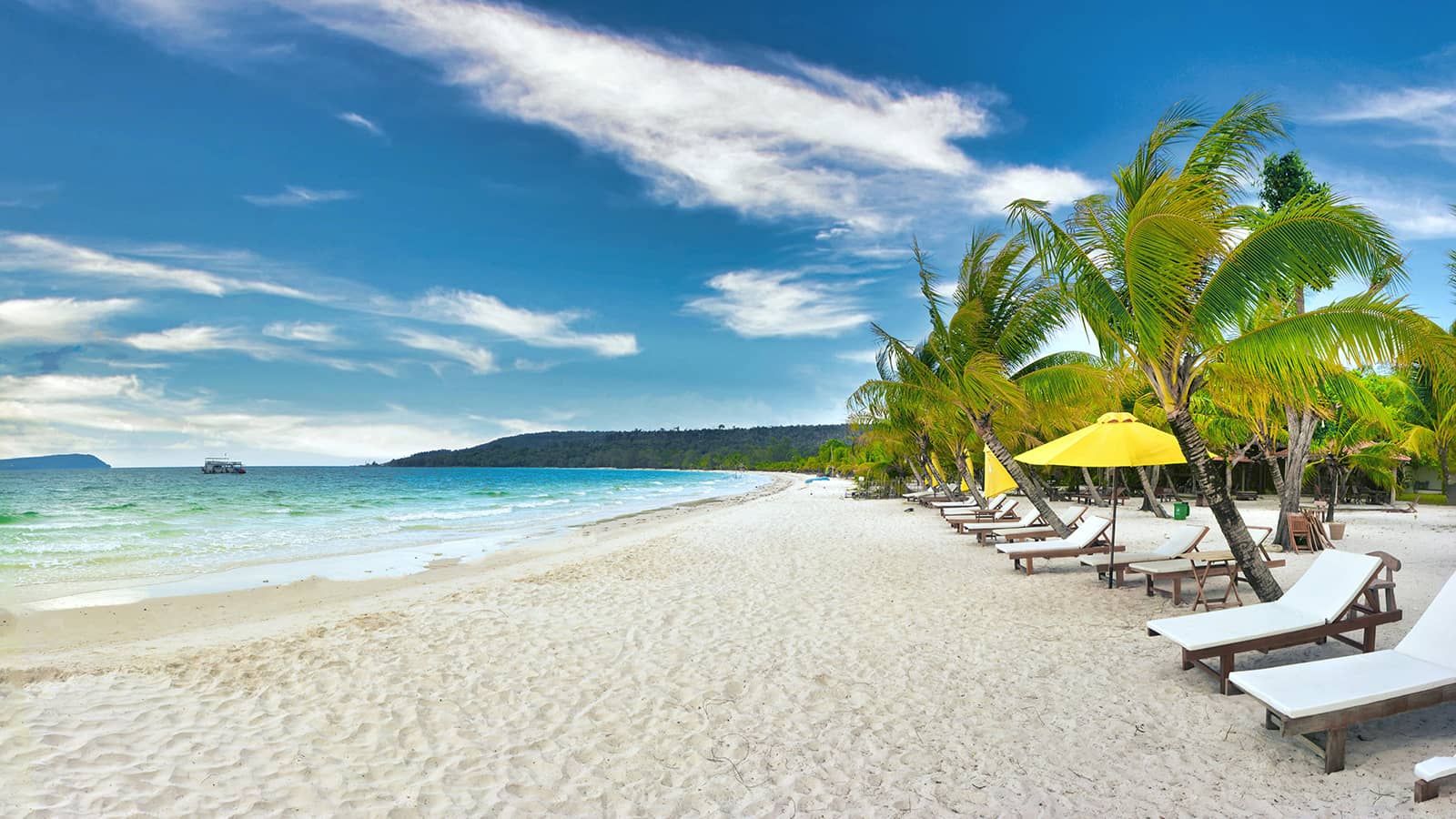
Five islands — Gaya, Sapi, Manukan, Mamutik, and Sulug — sit between 3 and 8 kilometres offshore. Manukan is the most visited and has the best facilities. Mamutik is smaller and better for snorkelling. Gaya is the largest and has a water village worth exploring. Under 2026 quota rules, each island has a daily cap, so book your ferry and island permit online the day before through the Sabah Parks portal. Day-trip ferry packages from Jesselton Point run MYR 50–80 return depending on which island combination you choose.

Signal Hill Observatory
A short drive or steep 10-minute walk from the city centre, Signal Hill gives you a 360-degree view over KK, the bay, and the islands. Go at 5:30 PM. The sky turns pink and gold, the islands become silhouettes, and the city lights start flickering on below you. It costs nothing.
Mari Mari Cultural Village
About 25 minutes from the city, this living museum recreates the traditional homes of five Sabahan ethnic groups: Kadazan-Dusun, Bajau, Murut, Lundayeh, and Rungus. The guides are genuinely knowledgeable, the demonstrations of fire-starting and bamboo cooking are hands-on, and the included lunch is good. Entry in 2026 runs MYR 180 per adult for the standard tour with transfer. It’s touristy, but it’s done well.
KK Wetlands Centre
A 24-hectare mangrove reserve inside the city limits — surprisingly one of KK’s most undervisited spots. Boardwalks cut through the mangroves, and if you go at low tide in the early morning, you’ll see mudskippers, crabs, kingfishers, and occasionally otters. Entry is MYR 5. Bring insect repellent.
Atkinson Clock Tower
The oldest surviving structure in KK, this small wooden clock tower on a hill near Signal Hill dates to 1905. It takes ten minutes to visit and gives you a feel for the colonial-era scale of what was once a small trading post. Worth combining with Signal Hill.
Where Locals Actually Eat in KK
KK Night Market (Pasar Malam Gaya Street)
Every Sunday morning, Gaya Street closes to traffic and fills with food stalls, but the real nightly action is at the Filipino Market and adjacent night market near the waterfront. Go after 6 PM. The smell hits you first — charcoal smoke, grilling seafood, and the sharp tang of fish sauce from the Filipino stalls. Pick up a bag of fresh oysters for MYR 8, get a skewer of BBQ chicken wings for MYR 3, and eat standing at a plastic table while fishing boats pass in the background.

Kedai Kopi Fatt Kee (Jalan Pantai)
Open from 6 AM, this kopitiam has been running for decades. The kopi-o is dark, thick, and properly bitter. Pair it with a plate of pan mee or the house char siu on rice. Prices haven’t inflated much — breakfast here runs MYR 8–14. It fills up by 7:30 AM, so arrive early or grab a seat at the back.
Sinsuran Night Food Court
A reliable, no-fuss night food court near the city centre with a wide spread of stalls: Malay rice, Chinese noodle soups, seafood, and fresh juice. It’s aimed squarely at locals and budget travellers. Expect to spend MYR 10–18 for a full meal with a drink. Open from around 6 PM until midnight.
Waterfront Seafood Restaurants
The KK Waterfront Esplanade strip has a row of open-air seafood restaurants where you pick live seafood by weight and choose your cooking style. It’s not the cheapest option — a meal for two with prawns, a whole fish, and vegetables will cost MYR 80–150 — but the setting with the sea breeze and marina lights makes it worth doing at least once.
Lucky Restaurant (Api-Api Centre)
The go-to spot for Sabahan Chinese comfort food. The buttered prawns, kampung-style chicken, and paku fern stir-fry here are consistently good. Full dinner for two with rice and three dishes runs MYR 50–70. It gets busy fast — arrive at 6 PM sharp or expect a wait.

Getting Around KK Without a Car
KK has no MRT or LRT. That’s the honest reality and it shapes how you plan your days. The city centre itself is small enough to walk — most of the markets, the waterfront, Jesselton Point, and Signal Hill are within 1.5 kilometres of each other. For anything beyond that, here’s what actually works:
- Grab: Reliable and well-priced within the city. KK City Centre to Likas is MYR 8–12. City to Tanjung Aru is MYR 10–15. Surge pricing applies during rain and at mealtimes.
- Minivans (Bas Mini): Shared minivans run fixed routes north toward Tuaran and Kota Belud, and south toward Papar. They depart from the Wawasan Plaza bus station when full, not on a schedule. Fares are MYR 2–5. Good for budget travellers with flexible time.
- Rental Cars: For Mount Kinabalu, Klias Wetlands, or anywhere you want to move independently, renting a car makes sense. Rates from local operators start at MYR 120/day in 2026. International licences are accepted. Drive on the left.
- Ferries: All TAR Park island trips depart from Jesselton Point Terminal. The new automated ticketing system installed in late 2025 means no more queuing at counters — scan, pay, board.
- Airport Transfer: Kota Kinabalu International Airport is 8 kilometres from the city centre. Grab from the airport to KK City Centre costs MYR 18–25. Official airport taxis use meters and cost roughly the same. No trains serve this route.
Day Trips That Make the Journey Worth It
Kinabalu Park and Kundasang (2–2.5 hours each way)
The drive up into the Crocker Range is one of the great Malaysian road trips. Kinabalu Park itself is a UNESCO World Heritage Site — even if you’re not climbing the mountain, the lowland trails through moss forest, rhododendron gardens, and the Mountain Garden are worth half a day. Kundasang, 12 kilometres beyond the park gate, sits at 1,500 metres elevation and feels genuinely alpine. The cool air is a physical relief after coastal KK. Combined, this makes a full-day trip. Leave by 7 AM.

Klias Wetlands Firefly River Cruise (2 hours each way)
About 90 kilometres south of KK, the Klias River runs through peat swamp forest where proboscis monkeys feed in the late afternoon and fireflies turn the riverbank trees into living Christmas lights after dark. Most operators run afternoon-departure day trips that return by 10 PM. Cost is MYR 150–200 per person including transport and dinner.
Mantanani Island (3 hours by road and boat)
Further from KK than the TAR Park islands but significantly less visited, Mantanani offers cleaner water, better coral, and a real sense of remoteness. Dugong sightings are still reported here. Day trips run MYR 250–350 per person from KK. For serious divers, staying overnight at one of the two small resorts on the island is the better call.
Kota Belud Sunday Market (1.5 hours each way)
Every Sunday, this market town north of KK runs a tamu — a traditional weekly market where Bajau horsemen historically traded goods. Today it’s a sprawling mix of agricultural produce, livestock, local handicrafts, and street food. Go early. By noon the best stalls are done. The drive through rice paddy country with Kinabalu visible on a clear day is a bonus.
Nights in KK: What’s Actually Open and Worth Going To
The Waterfront Esplanade
This is the social centre of KK after dark. The strip of bars, restaurants, and open terraces along the waterfront gets lively from 7 PM onward. A cold Sabah Beer (brewed locally) here as the lights of Gaya Island flicker across the water is genuinely one of the better drinking experiences in Malaysian Borneo. Several bars have live acoustic music on weekends.

Cock & Bull (City Centre)
The most established pub in KK, running since 2002 and still pulling a mixed local-expat-tourist crowd. Draught beer, pub food, and live sports on big screens. It’s not glamorous but it’s consistent. Happy hour runs 5–8 PM.
El Centro (Jalan Haji Saman)
A rooftop bar with outdoor seating and a clear view over the KK skyline and bay. Cocktails are MYR 30–45. Gets busy on Friday and Saturday nights. The wind off the sea makes it genuinely comfortable even during the warmer months.
Night Markets for Evening Entertainment
The Filipino Market area stays active until 11 PM and is as much entertainment as shopping. The Gaya Street Sunday Market (6 AM to 1 PM) has a morning energy that feels different — buskers, cultural performers, and a genuine community feel.
Shopping in KK: Where to Spend and What to Look For
Filipino Market (Pasar Filipina)
Along the waterfront, this covered market sells pearls, dried seafood, Sabahan handicrafts, and Filipino goods. Pearl jewellery ranges from MYR 20 for simple pieces to MYR 500+ for quality South Sea pearl sets. Bargaining is expected and normal. The dried seafood section — bags of dried shrimp, squid, and fish crackers — is excellent for edible souvenirs.
Handicraft Market (Jalan Tun Fuad Stephens)
More curated than the Filipino Market, this purpose-built complex focuses on Sabahan textiles, woven baskets, traditional beadwork, and wooden carvings. Quality varies significantly between stalls. Look for pieces from the Kadazan-Dusun cooperative sections — pricing is fixed and the provenance is reliable.
Imago Shopping Mall (KK Times Square)
The largest mall in Sabah, with international and Malaysian fashion brands, a large supermarket (good for picking up local snacks and grocery items), a cinema, and a food court. If you need any practical items — toiletries, adapters, medication — Imago has everything. Open until 10 PM daily.

Signal Hill Road Boutiques
A cluster of small independent shops near Signal Hill sells locally produced art, photography prints, and design goods with Sabahan themes. Prices are fair and these make better souvenirs than mass-produced handicraft market items.
Where to Sleep in KK: Areas and Budget Tiers
Budget (MYR 50–120/night)
Backpacker hostels and budget guesthouses are concentrated around Jalan Haji Saman and Jalan Pantai in the city centre. Step Lodge and Akinabalu Youth Hostel are both consistently well-reviewed. Expect clean dorms and private rooms, shared bathrooms, and walking distance to everything central.
Mid-Range (MYR 150–350/night)
This is where KK has the widest choice. The Dreamtel KK, Cititel Express, and Grandis Hotels & Resorts all sit in this bracket and offer solid rooms, good city access, and reasonable breakfast options. The Grandis is connected directly to Suria Sabah Shopping Mall, which is convenient.
Luxury and Comfortable (MYR 400–800+/night)
The Shangri-La Tanjung Aru Resort remains the benchmark property — beach access, multiple pools, and views over the islands. In the city centre, the Hyatt Regency Kinabalu (due to complete renovations in early 2026) will be the premium option for those who want to stay central. Gaya Island Resort, accessible only by boat, sits at the top end at MYR 800–1,200/night and justifies the price with over-water chalets and house reef diving.
When to Come and When to Think Twice
KK’s climate is equatorial — hot and humid year-round with two distinct monsoon patterns that affect different activities differently.
Best Time: March to October
The west coast of Sabah (where KK sits) is generally drier between March and October. This is dive season for TAR Park, the best weather window for climbing Mount Kinabalu, and when the Kaamatan Harvest Festival (late May) and Sabah Fest (May) bring cultural events to the city. Kaamatan is particularly worth timing around — it’s the Kadazan-Dusun new year celebration with rice wine, traditional dance, and a genuine community spirit that isn’t performed for tourists.

Shoulder Season: November to February
The northeast monsoon brings more rain and rougher seas on the west coast. Island trips become less reliable, and choppy conditions mean snorkelling visibility drops. That said, KK itself is still fully functional, prices are lower, and the city has its own rainy season charm. Chinese New Year (January–February) brings great food and street activity to the city centre.
Diving Calendar Note
If diving is your primary reason for coming, March to October is non-negotiable for TAR Park. For Mantanani, April to August gives the best conditions. Sipadan — the world-class dive site south of KK — requires a separate permit, separate accommodation planning, and about 1.5 hours by road and boat from KK, so treat it as a separate trip.
Practical Things to Know Before You Land
- SIM Cards: Celcom and Maxis have the best coverage in Sabah, including up the Kinabalu Park road. Pick up a tourist SIM at the airport arrivals hall — MYR 30–50 for 30 days of data. In 2026, the airport SIM counters are open until midnight.
- Water: Tap water in KK is not reliably safe to drink. Buy bottled water (MYR 1.50 per 1.5L at 7-Eleven) or use a filtered bottle. High-end hotels filter their tap water, but confirm with reception.
- Safety: KK city centre is generally safe for solo travellers including women, day and night. The area near the Filipino Market can get rowdy late at night — stay aware around midnight onward. Petty theft from bags happens; keep valuables covered.
- Tipping: Not customary at hawker stalls or kopitiams. At sit-down restaurants, rounding up or leaving MYR 5–10 on good service is appreciated but not expected. Most mid-range and upscale restaurants add a 10% service charge and 8% SST automatically in 2026.
- Language: Bahasa Malaysia is the official language but English is widely understood in the city. A few words of Bahasa go a long way — terima kasih (thank you), berapa harga (how much), and sedap (delicious) will earn you genuine smiles.
- Dress: KK is more relaxed than peninsular Malaysian cities on dress codes. Beachwear at the beach is fine; modest dress for markets and any religious sites. Carry a light layer for air-conditioned malls and restaurants.
- Cash vs Card: Most restaurants, malls, and hotels accept cards. Small stalls and markets are cash-only. Withdraw MYR from ATMs at the airport or Maybank/CIMB branches in the city centre for the best rates.

What a Day Actually Costs in KK: 2026 Budget Breakdown
Budget Traveller — MYR 120–180/day
- Accommodation: MYR 50–80 (hostel dorm or basic guesthouse)
- Food: MYR 30–40 (hawker centres, night market, kopitiam)
- Transport: MYR 15–25 (Grab + walking)
- Activities: MYR 30–50 (KK Wetlands, Signal Hill, Sunday Market)
Mid-Range Traveller — MYR 350–550/day
- Accommodation: MYR 180–300 (mid-range hotel, city centre)
- Food: MYR 80–120 (mix of kopitiams, one waterfront meal)
- Transport: MYR 30–50 (Grab + one car hire day)
- Activities: MYR 80–150 (island day trip + one paid attraction)
Comfortable Traveller — MYR 800–1,500+/day
- Accommodation: MYR 450–800 (Shangri-La, Gaya Island Resort, or Hyatt)
- Food: MYR 150–250 (waterfront dining, resort restaurants)
- Transport: MYR 100–200 (private transfers, rented car)
- Activities: MYR 200–400 (private dive charter, guided Kinabalu day hike, cultural tours)
A five-day trip to KK — assuming you want to hit the islands, do one major day trip, eat well, and stay somewhere comfortable — realistically costs MYR 2,500–4,000 per person at the mid-range level, not counting flights. Budget travellers can do it for MYR 1,200–1,500. Prices in Sabah are slightly lower than Kuala Lumpur across most categories.

Frequently Asked Questions
How many days do you need in Kota Kinabalu?
Four to five days gives you enough time to cover the marine park islands, one inland day trip (Kinabalu or Klias), and explore the city properly. Three days is workable if you’re focused. If you plan to climb Mount Kinabalu, add two nights at the park for the climb itself — that’s a separate itinerary block.
Is Kota Kinabalu safe for solo female travellers?
Yes, generally. The city centre is well-lit, busy, and has enough tourist traffic that solo women are not unusual. Take normal precautions at night near the market areas. KK locals are used to foreign visitors and are typically helpful. Grab is always the safer choice over walking unfamiliar routes after dark.
Do I need a visa to visit Kota Kinabalu?
Sabah is part of Malaysia, so standard Malaysian visa rules apply. Most Western, ASEAN, and East Asian passport holders get 30–90 days visa-free. However, Sabah and Sarawak have their own immigration controls — your passport is stamped on entry even if arriving from peninsular Malaysia. Check the 2026 Malaysian Immigration Department website for your nationality’s specific allowance.
What is the best island to visit from Kota Kinabalu?
Mamutik for snorkelling — it’s the smallest TAR Park island but has the healthiest shallow coral and clearest water closest to shore. Manukan for facilities and a comfortable beach day. Gaya for size, exploration, and the water village visit. Combine two islands in one day using the multi-island ferry packages from Jesselton Point.
Can you climb Mount Kinabalu as a day trip from KK?
Not practically. The standard summit climb requires two days — an afternoon hike to Laban Rata (3,272 m) on day one, then a 2 AM predawn push to Low’s Peak (4,095 m) for sunrise on day two. Permits are limited and booked through Sutera Sanctuary Lodges, often months in advance for peak season. A day trip to Kinabalu Park without summiting is possible and enjoyable on its own.
Explore more
Where to Stay in Kota Kinabalu: A Guide to KK’s Best Neighbourhoods
5-Day Kota Kinabalu Itinerary: Your Epic Sabah Adventure
The Ultimate Kota Kinabalu Food Guide: Where to Eat Like a Local
Top 20 Things to Do in Kota Kinabalu for First-Time Visitors
What to Eat in Kota Kinabalu? Your Essential Foodie Guide
Climbing Mount Kinabalu: A Comprehensive Guide for Trekkers
Kota Kinabalu First-Timer’s Guide: Essential Tips for Your Trip
Island Hopping in Kota Kinabalu: Exploring Tunku Abdul Rahman Park
Where to Stay in Kota Kinabalu? Best Hotels & Neighborhoods for Every Budget
Kota Kinabalu on a Budget: How to Save Money While Traveling KK