On this page
- Mastering KL’s Urban Rail Network: Your Gateway to Island Escapes
- Strategic Use of Grab and Ride-Hailing for Transport Gaps
- Airport Connections: Seamless Links Between KLIA and Regional Transport
- KTM Intercity Rail: The Scenic Route to Coastal Ferry Terminals
- Long-Distance Bus Strategy: Budget-Conscious Island Access Routes
- Domestic Flight Networks: Fast-Track to Borneo’s Island Gateways
- Ferry Terminal Navigation: From Mainland Ports to Island Paradise
- Common Transport Mistakes That Derail Island Plans
- 2026 Cost Breakdown: Budgeting Your Multi-Modal Journey
- Frequently Asked Questions
Planning an island escape from Kuala Lumpur in 2026 means navigating one of Southeast Asia’s most complex transport networks. While Malaysia’s connectivity has improved dramatically with the full integration of the MRT Putrajaya Line, many travellers still find themselves stranded at ferry terminals or paying double what locals spend. The secret lies in understanding how each transport mode connects to create seamless journeys from KL’s urban rail to remote island jetties.
Mastering KL’s Urban Rail Network: Your Gateway to Island Escapes
Kuala Lumpur’s urban rail system serves as the critical first link in your journey to Malaysia’s islands. The network now spans four distinct services under RapidKL management, each serving specific strategic purposes for island-bound travellers.
The Light Rail Transit (LRT) operates three essential lines: the Kelana Jaya Line connecting major shopping districts, the Ampang Line serving residential hubs, and the Sri Petaling Line reaching southern suburbs. These lines intersect at key stations like KL Sentral, your primary departure hub for intercity connections.
The Mass Rapid Transit (MRT) transformed connectivity with two operational lines by 2026. The Kajang Line (MRT1) runs from Sungai Buloh to Kajang, passing through Bukit Bintang’s entertainment district and Muzium Negara station, which provides underground passage access to KL Sentral. The game-changing Putrajaya Line (MRT2), fully operational since March 2023, connects Kwasa Damansara to Putrajaya Sentral via KLCC’s Persiaran KLCC station and the new TRX development.
The KL Monorail bridges gaps between KL Sentral and Titiwangsa, serving tourist hotspots like Bukit Bintang and the vibrant Chow Kit district. RapidKL buses provide essential feeder services, connecting rail stations to neighbourhoods the tracks don’t reach directly.
Payment across all RapidKL services centres on the Touch ‘n Go (TNG) card system. Purchase cards at any LRT, MRT, or Monorail station, plus convenience stores like 7-Eleven and MyNews outlets throughout the city. Card reloading happens at station machines, convenience stores, or through the Touch ‘n Go eWallet app when you link your physical card. Using TNG cards reduces fares by approximately 20% compared to single-journey tokens.

The MyRapid card serves as an alternative specifically for RapidKL services, offering similar discounts and available at RapidKL customer service counters. Single-journey tokens remain available from vending machines at all stations for casual users.
Direct debit and credit card payments at turnstiles continue expanding across the network in 2026, though coverage remains inconsistent. The MyRapid PULSE app proves essential for journey planning, fare checking, and real-time bus arrival information.
Fares range from MYR 1.50 for short hops between adjacent stations to MYR 4.00 for cross-city journeys like KL Sentral to KLCC using TNG or MyRapid cards. RapidKL bus fares span MYR 1.00 to MYR 3.00 depending on distance travelled.
Strategic Use of Grab and Ride-Hailing for Transport Gaps
Grab dominates Malaysia’s ride-hailing landscape, filling crucial gaps where public transport doesn’t reach ferry terminals or operates outside convenient schedules. The service becomes particularly valuable for early morning departures to catch island ferries or late arrivals from regional transport.
The Grab app requires simple registration with mobile number verification. Payment options include in-app credit or debit cards, GrabPay eWallet (which integrates with Touch ‘n Go), or cash payments directly to drivers. The upfront fare display eliminates negotiation stress common with traditional taxis.
Within Kuala Lumpur’s city centre, typical Grab fares range MYR 8 to MYR 15 for 5-10 kilometre journeys during off-peak periods. The aromatic morning air filled with roti canai from mamak stalls signals peak commute times when surge pricing kicks in, potentially doubling standard fares.

Airport transfers represent Grab’s most significant expense for island travellers. Journeys from KL Sentral to KLIA or KLIA2 cost MYR 70 to MYR 90 plus applicable toll charges. Surge pricing during peak travel periods or adverse weather can push airport fares beyond MYR 120. The service provides door-to-door convenience but costs significantly more than KLIA Ekspres trains.
For ferry terminal connections, Grab proves invaluable when public transport schedules don’t align with ferry departures. The ride from Alor Setar ETS station to Kuala Kedah ferry terminal costs MYR 15 to MYR 25 for the 20-30 minute journey. Similarly, connections from Arau station to Kuala Perlis ferry terminal run MYR 10 to MYR 20 for the shorter 15-20 minute trip.
Grab’s reliability shines during transport disruptions. When trains experience delays or buses fill beyond capacity during peak seasons, ride-hailing provides guaranteed transport to maintain ferry connections. The real-time tracking feature allows precise timing for ferry departures.
Driver communication through the app’s chat function helps coordinate pickup points at complex locations like KL Sentral or TBS bus terminal. Most drivers speak basic English and Bahasa Malaysia, with the app providing translation support for destination details.
Airport Connections: Seamless Links Between KLIA and Regional Transport
Malaysia’s dual-airport system at KLIA and KLIA2 serves as the primary gateway for international arrivals beginning island adventures and domestic connections to Borneo’s remote islands. Understanding airport transport connections prevents costly delays and missed ferry schedules.
The KLIA Ekspres operates dedicated non-stop service between KL Sentral and both airport terminals. Trains reach KLIA in 28 minutes and KLIA2 in 33 minutes, departing every 15-20 minutes during peak hours and 20-30 minutes during off-peak periods. Adult fares cost MYR 55 one-way in 2026, with return tickets offering modest discounts.

KLIA Transit provides identical service with intermediate stops at Salak Tinggi, Putrajaya & Cyberjaya, and Bandar Tasik Selatan stations. The full journey to KLIA2 takes 35-40 minutes with identical MYR 55 adult fares for airport destinations. Intermediate stops cost less, making this service valuable for Putrajaya connections.
Ticket purchasing occurs at station counters, vending machines, the official KLIA Ekspres website, or the dedicated mobile app. Advance booking prevents queues during peak travel periods, particularly around Malaysian school holidays and major festivals.
Airport taxi services offer fixed-fare coupons purchased at official counters in both terminals’ arrival halls. Fares to KL city centre range MYR 80 to MYR 120 depending on destination zone. These taxis provide guaranteed service but cost more than Grab or public transport alternatives.
Long-distance buses connect both airports to KL Sentral and Terminal Bersepadu Selatan (TBS) for MYR 12 to MYR 15. Departure points receive clear signposting in both terminals, though journey times vary significantly with traffic conditions.
For Borneo-bound island travellers, both airports serve extensive domestic networks. AirAsia operates primarily from KLIA2 with budget connections to Kota Kinabalu, Kuching, Miri, and other Borneo gateways. Malaysia Airlines and Batik Air use KLIA for full-service domestic routes with higher comfort levels and included baggage allowances.
KTM Intercity Rail: The Scenic Route to Coastal Ferry Terminals
Keretapi Tanah Melayu’s intercity rail network provides the most scenic and comfortable overland route to Malaysia’s northern ferry terminals serving Langkawi and regional islands. The Electric Train Service (ETS) transformed long-distance rail travel with modern coaches and reliable schedules.
ETS routes from KL Sentral serve key northern destinations including Ipoh (2 hours 30 minutes), Butterworth near Penang (4 hours 30 minutes), and Padang Besar at the Thailand border. Three service classes operate on different schedules: Platinum offers the most luxurious experience with fewer stops, Gold provides standard service, and Silver serves additional stations on select routes like KL-Ipoh.

For Langkawi access, two primary routes connect to ferry terminals. Trains to Alor Setar provide access to Kuala Kedah ferry terminal, while services to Arau station connect to Kuala Perlis terminal. Arau sits closer to Kuala Perlis, making it the preferred route for Langkawi travellers seeking shorter ferry crossings.
Adult fares in 2026 reflect the service quality differential. KL Sentral to Ipoh costs MYR 35 for Silver class, MYR 45 for Gold, and MYR 60 for Platinum. The longer journey to Butterworth runs MYR 59 for Gold class and MYR 79 for Platinum, while Alor Setar and Arau fall between these price points.
Advance booking proves essential, especially during Malaysian school holidays, Chinese New Year, and Hari Raya periods when trains fill rapidly. The KTM Mobile app provides the most convenient booking platform, though the official KTMB website offers identical services. Station counters accept walk-in bookings subject to availability.
The rhythmic clacking of wheels on tracks and glimpses of rubber plantations stretching to distant hills create an authentic Malaysian travel experience impossible to replicate on highways. Modern ETS coaches feature comfortable seating, air conditioning, and large windows perfect for countryside photography.
KTM Komuter serves local routes within the Klang Valley and surrounding states including Seremban, Port Klang, and Tanjung Malim. These services use TNG or MyRapid cards with fares ranging MYR 1.50 to MYR 10.00 for longer distances. Komuter trains provide essential connections to smaller towns and industrial areas not served by urban rail.
Long-Distance Bus Strategy: Budget-Conscious Island Access Routes
Malaysia’s comprehensive bus network offers the most economical overland transport to ferry terminals, though journey times extend significantly beyond rail alternatives. Strategic bus selection saves substantial money while maintaining reliable ferry connections.
Terminal Bersepadu Selatan (TBS) serves as Kuala Lumpur’s primary long-distance bus hub, handling routes to southern Malaysia, the east coast, and northern regions including Langkawi ferry terminals. The terminal connects seamlessly to urban transport via Bandar Tasik Selatan LRT station, KTM Komuter services, and KLIA Transit for airport connections.

Pudu Sentral, formerly known as Puduraya, continues serving shorter routes and select northern destinations, though TBS handles most major intercity services. The terminal’s central location provides easy access but lacks TBS’s integrated transport connections.
Online booking through platforms like BusOnlineTicket.com and Easybook.com offers advance seat selection and guaranteed availability during peak periods. These platforms aggregate multiple bus operators, allowing fare comparison and service level selection. Terminal counter booking remains available for last-minute travel.
Routes to Langkawi ferry terminals represent bus travel’s greatest value proposition. KL to Kuala Perlis costs MYR 50 to MYR 70 for the 7-8 hour journey, depositing passengers directly beside the ferry terminal. KL to Kuala Kedah runs MYR 45 to MYR 65 for the 6-7 hour trip, again with terminal proximity to ferry services.
Bus operators offer varying service levels affecting comfort and price. Standard buses provide basic seating and air conditioning, while executive services feature larger seats and reduced passenger loads. VIP buses include individual entertainment screens, blankets, and sometimes meal service, commanding premium fares.
The pre-dawn departure from TBS fills the air with diesel fumes and the chatter of fellow travellers beginning their journeys, creating an authentic local travel experience often missed by flight-only tourists. Rest stops at highway service centres provide opportunities to sample regional specialities unavailable in Kuala Lumpur.
Peninsula-wide routes demonstrate bus travel’s extensive reach. Connections to Penang cost MYR 40 to MYR 60, while east coast destinations like Kuala Terengganu and Kota Bharu range MYR 35 to MYR 55. Southern routes to Johor Bahru typically cost MYR 25 to MYR 45.

Domestic Flight Networks: Fast-Track to Borneo’s Island Gateways
Domestic aviation provides the only practical access to East Malaysia’s islands, with comprehensive networks serving Sabah and Sarawak from Peninsular Malaysia’s airports. Understanding airline positioning and route structures optimises connections to Borneo’s remote island destinations.
AirAsia dominates low-cost domestic travel from KLIA2, operating frequent services to major Borneo cities including Kota Kinabalu, Kuching, Miri, Sibu, Bintulu, and Tawau. The airline’s extensive network provides multiple daily options to primary gateways, with promotional fares occasionally dropping below MYR 150 for Peninsular-Borneo routes.
Malaysia Airlines maintains full-service operations from KLIA, offering higher comfort levels, included baggage allowances, and meal service on longer routes. Standard fares typically range MYR 250 to MYR 400 for Borneo destinations, though promotional pricing occasionally matches budget carrier levels.
Batik Air operates from KLIA with service positioning between budget and full-service carriers. Routes to Kota Kinabalu and Kuching provide alternatives when AirAsia or Malaysia Airlines don’t match preferred schedules or price points.
Firefly offers unique services from Subang Airport (SZB) to select destinations including Penang and Langkawi. Subang’s location proves more convenient for travellers staying near Petaling Jaya or Subang areas, though transport connections to central KL require additional planning.
Within Peninsular Malaysia, domestic flights serve primarily time-conscious travellers or those connecting to international routes. KLIA/KLIA2 to Penang typically costs MYR 80 to MYR 200 excluding baggage fees, competing with bus fares when promotional pricing applies. Flight duration of 1 hour 20 minutes compares favourably to 5-6 hours by bus.
Langkawi receives extensive flight connections from KLIA, KLIA2, and Subang, offering alternatives to ferry travel. Flight time averages 1 hour 15 minutes with fares ranging MYR 80 to MYR 200. Peak season pricing and last-minute bookings can push fares significantly higher.
Booking directly through airline websites typically offers the best fare transparency and seat selection options. AirAsia.com, MalaysiaAirlines.com, BatikAir.com, and Fireflyz.com.my provide comprehensive booking platforms with mobile app alternatives for itinerary management.

Ferry Terminal Navigation: From Mainland Ports to Island Paradise
Malaysia’s ferry terminals serve as crucial transition points where mainland transport networks connect to island destinations. Understanding terminal operations, booking procedures, and onward connections ensures smooth island access without costly delays or missed departures.
Langkawi ferry services operate from two primary mainland terminals: Kuala Perlis and Kuala Kedah. Kuala Perlis offers the shorter crossing at 1 hour 15 minutes to Langkawi’s Kuah Jetty, with ferries departing every 30-60 minutes during peak seasons. Adult fares cost MYR 21 one-way in 2026, making this the preferred route for time-conscious travellers.
Kuala Kedah provides an alternative with 1 hour 45 minute crossings departing every 60-90 minutes. Adult fares run MYR 26.50 one-way, slightly higher than Kuala Perlis but still economical. Both terminals feature integrated transport connections, with buses depositing passengers adjacent to ferry booking counters.
Ferry ticket purchasing occurs at terminal counters or through the Langkawi Ferry Line website for advance booking. Weekend and holiday periods see significant demand, making advance booking essential for guaranteed passage. Terminal facilities include waiting areas, food courts, and basic shops for last-minute supplies.
Weather conditions significantly impact ferry schedules, particularly during monsoon periods from May through September. Rough seas can force cancellations or delays, making flexible travel plans essential. Terminal staff provide updates on weather-related schedule changes.
Borneo island access requires different strategies centred on major city airports followed by local ferry connections. Kota Kinabalu’s Jesselton Point Ferry Terminal serves as the primary gateway to Sabah’s islands including the Tunku Abdul Rahman Marine Park islands and Labuan Federal Territory.
Labuan ferries from Jesselton Point operate 3-4 hour fast ferry services costing MYR 40 to MYR 50 one-way. These ferries require advance booking during peak periods, available at terminal counters or through local travel agents.

Tunku Abdul Rahman Park islands receive frequent speedboat services from Jesselton Point throughout the day. Return fares average MYR 30 to MYR 50 per island plus mandatory park entrance fees. These services operate on flexible schedules accommodating day-trip tourists.
Semporna serves as the gateway to world-renowned diving destinations including Sipadan, Mabul, and Kapalai islands. Access requires flying to Tawau Airport followed by 1-hour taxi or bus transfer to Semporna Jetty. Island transfers typically form part of resort or dive operator packages rather than public ferry services.
Common Transport Mistakes That Derail Island Plans
Transport miscalculations frequently transform smooth island adventures into stressful ordeals involving missed connections, doubled costs, and lost vacation time. Understanding common pitfalls helps maintain schedule integrity from departure to beach arrival.
Rush hour scheduling represents the most frequent mistake for departing travellers. KL’s morning peak from 7:00 to 9:00 AM and evening rush from 5:30 to 7:30 PM significantly extends journey times across all transport modes. Planning departures outside these windows prevents cascade delays affecting ferry connections.
Underestimating KL Sentral navigation time catches many first-time visitors. The massive integrated transport hub houses multiple rail services, bus terminals, and shopping areas across several levels. Allowing 30-45 minutes for connections between different transport modes prevents missed departures, particularly when carrying luggage.
Ferry schedule assumptions create expensive problems when travellers assume hourly departures without verification. Langkawi ferries operate reduced schedules during off-peak periods and weather disruptions. Checking current schedules through official websites or terminal phone calls prevents overnight accommodation expenses in ferry towns.
Surge pricing surprises affect budget calculations when travellers rely solely on Grab for airport or ferry terminal connections. Malaysian holiday periods, adverse weather, and peak commute times can double or triple standard fares. Alternative transport planning provides cost-effective backup options.

Touch ‘n Go card neglect forces higher single-journey token purchases throughout the urban transport network. Obtaining cards immediately upon arrival saves approximately 20% on all public transport fares while eliminating queues at ticket machines.
Baggage limitations on budget airlines create unexpected expenses when ferry-bound travellers pack for extended island stays. AirAsia and similar carriers charge significant fees for checked baggage, potentially exceeding flight costs for over-packed travellers. Understanding airline baggage policies prevents terminal shock.
Weather season ignorance affects ferry operations and flight schedules. Malaysia’s monsoon patterns from May through September bring increased cancellations and delays for island transport. Flexible booking policies and backup transport plans accommodate weather-related disruptions.
Language barrier panic affects transport navigation when English signage appears limited. The MyRapid PULSE app, Google Translate camera function, and pre-downloaded offline maps provide navigation assistance without cellular connectivity. Terminal staff generally speak basic English at major transport hubs.
Insufficient cash reserves create problems at rural ferry terminals and local transport connections where card payments aren’t accepted. ATM access becomes limited outside major cities, making cash planning essential for complete island journeys.
2026 Cost Breakdown: Budgeting Your Multi-Modal Journey
Understanding transport cost structures across Malaysia’s integrated networks enables accurate budget planning and prevents financial surprises during island adventures. Price tiers accommodate different comfort preferences and timeline requirements.
Budget Tier (MYR 80-120 total KL to Langkawi)
Budget-conscious travellers can reach Langkawi affordably using long-distance buses and public transport connections. The journey begins with MYR 2-4 in urban rail fares from accommodation areas to TBS bus terminal via Bandar Tasik Selatan station.
Bus fares from TBS to Kuala Perlis cost MYR 50-70 for the 7-8 hour overnight journey, arriving at the ferry terminal by morning. The integrated terminal location eliminates additional transport costs to reach ferry services.

Ferry crossing from Kuala Perlis to Langkawi’s Kuah Jetty adds MYR 21 for adult tickets, completing the mainland-to-island connection. Total transport costs range MYR 73-95, allowing budget allocation for food and incidental expenses during the journey.
Alternative budget routing via Kuala Kedah increases bus fares slightly to MYR 45-65 but extends ferry crossing time and costs to MYR 26.50. The total remains within budget parameters while offering schedule flexibility.
Mid-Range Tier (MYR 150-250 total KL to Langkawi)
Balanced comfort and efficiency characterise mid-range transport selections combining rail and ferry services. KTM ETS from KL Sentral to Alor Setar costs MYR 50-70 for Gold or Platinum class, providing air-conditioned comfort and scenic countryside views during the 5-hour journey.
Grab connections from Alor Setar station to Kuala Kedah ferry terminal add MYR 15-25 for the 20-30 minute ride, eliminating schedule uncertainty associated with local buses or shared taxis.
Langkawi ferry tickets remain MYR 26.50 for the Kuala Kedah route, maintaining consistent costs regardless of mainland transport choice. Total journey costs range MYR 91.50-121.50, providing excellent value for improved comfort and reliability.
Alternative routing via Arau station to Kuala Perlis increases rail fares slightly but reduces ferry crossing time and Grab connections costs, balancing total expenses within mid-range parameters.
Comfortable Tier (MYR 200-400 total KL to Langkawi)
Premium transport selections prioritise convenience and time efficiency over cost considerations. Direct flights from KLIA or KLIA2 to Langkawi International Airport cost MYR 80-200 excluding baggage fees, reducing travel time to approximately 1 hour 15 minutes.
Airport connections add KLIA Ekspres fares of MYR 55 from KL Sentral to departure terminal, plus Grab transfers from Langkawi airport to accommodation costing MYR 15-30 depending on resort location.
Total comfortable tier costs range MYR 150-285 for significantly reduced travel time and maximum convenience. Peak season pricing and last-minute bookings can push flight costs beyond MYR 300, requiring flexible budget allocation.
Premium bus services offer intermediate comfort levels with executive or VIP coaches costing MYR 60-90 to ferry terminals. These services include enhanced seating, entertainment systems, and meal service while maintaining budget-friendly overall costs.
Borneo Island Access Budgeting
Borneo island destinations require domestic flight connections creating higher baseline costs. Budget domestic flights to Kota Kinabalu or Kuching range MYR 150-250, though promotional fares occasionally drop below MYR 100 for advance bookings.
Onward ferry connections to Labuan cost MYR 40-50 from Kota Kinabalu’s Jesselton Point, while Tunku Abdul Rahman Park islands require MYR 30-50 return fares plus park entrance fees averaging MYR 10-15 per person.
Semporna-based island access involves MYR 40-60 taxi transfers from Tawau Airport plus resort-arranged boat transfers typically included in accommodation packages. Total transport costs to reach diving destinations easily exceed MYR 300-500 before accommodation expenses.
Full-service airline options increase comfort and baggage allowances but command premium pricing ranging MYR 300-500 for Peninsular-Borneo routes. These services prove worthwhile for longer stays or business travellers prioritising schedule reliability.
Frequently Asked Questions
How early should I arrive at ferry terminals to guarantee passage?
Arrive 30-45 minutes before departure times during peak seasons and holidays when advance booking isn’t available. Off-peak periods allow shorter arrival times, but weather conditions can affect schedules requiring flexibility.
Can I use Touch ‘n Go cards for all transport modes in Malaysia?
Touch ‘n Go cards work for urban rail, buses, highway tolls, and some ferry services, but many intercity buses and smaller ferry operators still require cash payments. Carry backup payment methods for complete journey coverage.
What happens if weather cancels my ferry to Langkawi?
Ferry operators typically reschedule cancelled services within 24 hours when weather improves. Hotels near ferry terminals offer discounted rates for stranded passengers, though booking flexibility helps avoid accommodation expenses during monsoon periods.
Are domestic flights reliable for connecting to international departures from KLIA?
Allow minimum 3-4 hours between domestic arrivals and international departures for connection processing and potential delays. Same-day connections carry risks during weather disruptions and peak travel periods affecting schedule reliability.
How do I get mobile internet for transport apps while travelling between cities?
Purchase local SIM cards from Maxis, Celcom, Digi, or U Mobile at airports and major transport terminals. Tourist packages include sufficient data for navigation apps, booking platforms, and communication throughout your island journey.
Explore more
Your Ultimate Guide to Getting Around Malaysia: Transport Options for Every Traveler
Public Transport in Malaysia: Is It Good and How to Use It?
Navigating Malaysia: Essential Transportation Tips for First-Time Visitors
Malaysia Travel Budget: How Much to Expect for Transportation Costs
KTM Malaysia: A Complete Guide to Train Travel Across the Peninsula
ETS Train Malaysia: Booking Tickets & Routes for Long-Distance Journeys
KTM Komuter Guide: Navigating Kuala Lumpur and Beyond by Train
Is Train Travel in Malaysia Worth It? KTM vs. Bus Comparison
KLIA Ekspres vs. Grab: Best Way from KLIA Airport to Kuala Lumpur City Centre
KLIA Ekspres Tickets & Schedule: Your Fast Track from Airport to City
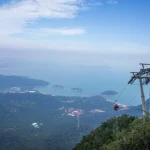
📷 Featured image by Vishal Chokkala on Unsplash.