On this page
- Why Cameron Highlands Still Surprises First-Timers in 2026
- Understanding the Highlands: Areas, Altitude and Character
- Top Attractions and Must-Do Experiences
- Where to Eat: Hawker Stalls, Tea Cafés and Night Markets
- Getting to Cameron Highlands and Moving Around Once There
- Day Trips from Cameron Highlands
- Nightlife and Evening Entertainment
- Shopping: Tea, Strawberries and Local Finds
- Accommodation by Budget Tier
- Best Time to Visit: Weather, Crowds and Festivals
- Practical Tips: What First-Timers Always Get Wrong
- 2026 Budget Breakdown
- Frequently Asked Questions
💰 Click here to see Malaysia Budget Breakdown
💰 Prices updated: August, 2026. Budget figures are estimates — always verify before travel.
Exchange Rate: $1 USD = RM4.03
Daily Budget (per person)
Shoestring: RM100.00 – RM200.00 ($24.81 – $49.63)
Mid-range: RM180.00 – RM400.00 ($44.67 – $99.26)
Comfortable: RM450.00 – RM1,300.00 ($111.66 – $322.58)
Accommodation (per night)
Hostel/guesthouse: RM20.00 – RM70.00 ($4.96 – $17.37)
Mid-range hotel: RM100.00 – RM350.00 ($24.81 – $86.85)
Food (per meal)
Budget meal: RM15.00 ($3.72)
Mid-range meal: RM35.00 ($8.68)
Upscale meal: RM100.00 ($24.81)
Transport
Single metro/bus trip: RM2.00 ($0.50)
Monthly transport pass: RM150.00 ($37.22)
Why Cameron Highlands Still Surprises First-Timers in 2026
Most people arriving in Cameron Highlands for the first time expect a quiet hill station with some tea and strawberries. What they don’t expect is the cold. At roughly 1,500 metres above sea level, the temperature drops to 14–18°C at night — a genuine shock after the 32°C heat of Kuala Lumpur. Pack a jacket, not as a precaution, but as a necessity. In 2026, Cameron Highlands remains one of Malaysia’s most visited domestic destinations, and with the upgraded Simpang Pulai–Blue Valley road fully operational since late 2025, access from the west coast is faster and smoother than it has ever been. The crowds have increased as a result, which makes knowing where to go — and when — more important than ever for first-timers.
Understanding the Highlands: Areas, Altitude and Character
Cameron Highlands is not a single town. It’s a district in Pahang state spanning about 712 square kilometres, made up of several distinct townships arranged along a winding mountain road. First-timers often treat it as one place and end up confused about distances. Here’s how it actually breaks down:
- Ringlet — The first town you hit coming from the lowlands. It’s functional rather than scenic, with a large lake (Tasik Ringlet) and a few budget guesthouses. Most visitors drive straight through.
- Tanah Rata — The main town and the beating heart of Cameron Highlands for travellers. Restaurants, banks, pharmacies, budget guesthouses, and bus connections all concentrate here. If this is your first visit, base yourself here — the main street has everything within walking distance, and the architecture is a mix of old British colonial shophouses and newer concrete blocks, giving it an oddly charming scruffiness.
- Brinchang — About 5 kilometres north of Tanah Rata and slightly higher in altitude. It has a busier weekend night market and is closer to the Sungai Palas tea estate. More Chinese-Malaysian domestic tourists stay here, and several comfortable hotels have opened near Brinchang since 2024, targeting the Malaysian family holiday market. Less walkable than Tanah Rata, but the better base if you’re visiting on a Friday or Saturday night.
- Kea Farm — The agricultural heartland between Tanah Rata and Brinchang. Strawberry farms, vegetable stalls, and flower nurseries dominate this stretch of road.

A handful of resort properties also sit on the hillsides above Tanah Rata and Brinchang, accessible only by car or resort shuttle. These suit travellers who want peace, misty views from their room, and don’t mind being car-dependent for meals — but rates carry a significant premium over in-town options. Understanding this layout saves you from booking accommodation in Brinchang and walking to a restaurant in Tanah Rata in the cold dark wondering where you went wrong.
Top Attractions and Must-Do Experiences
BOH Sungai Palas Tea Estate
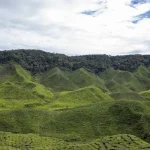
This is the one attraction that almost every visitor to Cameron Highlands puts on their list, and it earns the attention. The estate sits above Brinchang on a road that curves through neat rows of emerald tea bushes cut into the hillside like a green staircase. The visitor centre (free entry) overlooks the plantation from a glass-walled café perched on the slope. On a clear morning, the mist sits low in the valley below and the smell of wet earth and fresh tea leaves is sharp and clean. Arrive before 10 AM on weekdays to beat the tour groups. The café serves tea from MYR 7–12 per cup. The estate is open Tuesday to Sunday; closed Mondays.

Cameron Highlands Mossy Forest
The mossy forest on Gunung Brinchang (the summit road reaches 2,032 metres) is one of the genuinely unique ecosystems in Peninsular Malaysia. The trees here are draped in thick moss, pitcher plants cling to the undergrowth, and the air has a cold, damp stillness that feels completely removed from lowland Malaysia. A short boardwalk trail runs through the forest. Take a jacket — it’s noticeably colder here than in town.
Strawberry Farms
Cameron Highlands strawberry farms operate as pick-your-own experiences, mostly concentrated in the Kea Farm area. You pay an entry fee (typically MYR 5–10) and get a container to fill. The strawberries are real and genuinely good — small, intensely flavoured, and nothing like the imported supermarket variety. Don’t miss fresh strawberry juice sold at roadside stalls for around MYR 6–8 per cup.
Hiking Trails
Cameron Highlands has an extensive trail network, from easy 45-minute walks to full-day jungle treks. Trail 9A from Tanah Rata to Robinson Falls is a popular beginner option (about 1.5 hours return). For something more serious, the trail to Gunung Jasar takes roughly 3–4 hours return through primary jungle. Trails are marked but can become confusing in low visibility. Hire a local guide from Tanah Rata for MYR 60–100 per person if you’re attempting longer routes.
Butterfly Farm and Rose Centre
Both are located along the main road between Tanah Rata and Brinchang. The butterfly farm is genuinely interesting — a large enclosed garden with dozens of free-flying species and a small insect museum. The rose and flower centres are worth a quick stop, especially if you want photos among the vivid blooms that thrive in the cool highland climate.

Where to Eat: Hawker Stalls, Tea Cafés and Night Markets
Tanah Rata Town Centre
The main street and the lanes running off it have the best concentration of affordable eating in Cameron Highlands. Restaurant Kumar’s is a long-running Indian restaurant on the main road doing solid roti canai and fish curry — the kind of place where the tables are always full by 8 AM. For Chinese-style claypot dishes and steamboat, the row of restaurants on Jalan Besar near the Tanah Rata roundabout is the local favourite. Steamboat for two with fresh vegetables costs around MYR 40–60 and is the perfect meal on a cold highland night.
Brinchang Night Market (Pasar Malam)
On weekends, Brinchang’s central square fills with vendors selling corn on the cob roasted over charcoal, grilled satay, fresh fruit skewers, and local highland vegetables. The smell of charcoal smoke and chilli sauce drifts through the cold night air as families crowd around plastic stools. This market runs Friday and Saturday evenings from around 5 PM to 10 PM. It’s the single most atmospheric food experience in Cameron Highlands for a first-timer.
Tea Cafés and Colonial-Era Teahouses
Several cafés around Tanah Rata and the tea estates serve scones, sandwiches, and local tea in settings that lean into the British hill station legacy. The Lord’s Café in Tanah Rata is a popular choice for afternoon tea with scones and cream tea sets from MYR 18–30. The BOH estate café (mentioned above) is the most scenic option if you’re making the trip north anyway.
Kea Farm Market
This roadside market between Tanah Rata and Brinchang has permanent stalls selling highland produce — corn, leafy vegetables, honey, fresh strawberries, and homemade jams. Buy a bag of corn for MYR 3–5 and get it grilled on the spot. It’s more of a browse-and-snack experience than a sit-down meal, but a worthwhile stop on any drive through the highlands.

Getting to Cameron Highlands and Moving Around Once There
From Kuala Lumpur
The most common route is by bus from KL’s TBS (Terminal Bersepadu Selatan) to Tanah Rata. Journey time is roughly 4–4.5 hours depending on traffic. Operators including Transnasional and Plusliner run multiple daily departures; tickets cost MYR 25–40 one way. Book through BusOnlineTicket.com or at the TBS counter. In 2026, the new Simpang Pulai–Blue Valley highway spur has cut some travel time on private vehicles coming from Ipoh direction, but bus routes through Tapah remain standard.
From Ipoh
Ipoh is the closest major city, about 75 kilometres from Tanah Rata by road. Buses run from Ipoh’s Amanjaya terminal and take roughly 2 hours. A private taxi or Grab from Ipoh to Cameron Highlands costs MYR 90–130. For travellers arriving by KTM train to Ipoh from KL (ETS trains take about 2 hours, from MYR 30 one way), this is a clean two-leg journey.
Getting Around Within Cameron Highlands
Cameron Highlands has no public bus network connecting Tanah Rata, Brinchang, and the tea estates. Your options are: rent a car or motorcycle in Tanah Rata (cars from MYR 80–120/day), use Grab (available but limited supply), hire a local taxi for a half-day tour (MYR 60–100), or join an organised van tour that covers tea estates, strawberry farms, and the mossy forest in one day (MYR 35–60 per person from most Tanah Rata guesthouses).
Day Trips from Cameron Highlands
Ipoh — 1.5 to 2 Hours Away
Ipoh is one of Malaysia’s most underrated cities and makes an excellent day trip from Cameron Highlands. The old town has beautifully restored colonial shophouses, excellent white coffee, and a thriving street art scene. Leave Cameron Highlands by 8 AM to give yourself a full day. Return buses run until early evening.

Lata Iskandar Waterfall — 30 Minutes Away
On the drive down toward Tapah, Lata Iskandar is a roadside waterfall with a natural pool. It’s a popular stop for travellers between the highlands and the lowlands rather than a dedicated day trip, but it’s worth building into your departure day if you’re heading south.
Taiping — 2 Hours Away
Taiping in Perak is a quieter alternative to Ipoh — a colonial-era town with Malaysia’s oldest zoo, a beautiful lake garden, and a well-preserved heritage streetscape. It’s feasible as a day trip by car; less practical by public transport due to connection times.
Nightlife and Evening Entertainment
Cameron Highlands is not a nightlife destination in any conventional sense. There are no bar districts, no clubs, and the town largely quiets down by 10 PM. What does exist in 2026 is genuinely pleasant for the right traveller:
- Craft beer and small bars in Tanah Rata — a handful of casual bars on the main street serve local craft beers and highland-grown herbal teas in warm, low-lit settings. Cameron Pub near the town centre is one of the few places serving cold draft beer until midnight. Expect a quiet, low-key crowd.
- Night walks and stargazing — on clear nights, the low light pollution at higher elevations makes Cameron Highlands one of the better places in Peninsular Malaysia to see stars. The road up to Gunung Brinchang summit is a popular spot for stargazing among local visitors.
- Steamboat dinners — the steamboat restaurants in Tanah Rata and Brinchang are genuinely the most popular evening activity. Many families spend two hours at the hotpot table as their entire evening entertainment.
Shopping: Tea, Strawberries and Local Finds
Tea Products
BOH tea is the iconic Cameron Highlands purchase. Beyond the estate café, BOH products are sold at supermarkets and gift shops throughout Tanah Rata and Brinchang at standard retail prices (loose leaf teas MYR 15–45 per pack, gift tins from MYR 30). Cameron Valley tea is a smaller, boutique brand worth seeking out — their shop near Ringlet sells directly and offers slightly better prices than resellers.

Tanah Rata Main Street Shops
The main street has souvenir shops selling honey (Cameron Highlands wild honey is genuine and worth buying — MYR 25–60 per jar depending on type), strawberry jams, local vegetables, and highland flowers. The quality varies significantly between shops; buy honey and jam from shops that show the farm name or producer clearly on the label.
Kea Farm Market Stalls
The best place to buy fresh produce to take home. Bundles of fresh vegetables (baby corn, broccoli, cabbage varieties not commonly found in lowland supermarkets) sell for MYR 3–8 per bundle. Strawberry flats go for MYR 15–25 depending on grade. The market is busiest on weekend mornings.
Brinchang Shops
Brinchang has more souvenir-focused shops than Tanah Rata and caters heavily to the domestic Malaysian tourist market. You’ll find more variety in local crafts and highland-branded products here, though the quality is mixed. Bargaining is not really practiced in fixed shops, but vendors at open-air stalls are sometimes flexible on bulk purchases.
Accommodation by Budget Tier
Budget (MYR 40–100/night)
Tanah Rata has the best concentration of budget guesthouses. Dorm beds in backpacker hostels run MYR 30–55; private rooms in simple guesthouses from MYR 60–100. Look for guesthouses on the streets behind the main road — Father’s Guesthouse and several similar family-run properties have operated for decades and maintain a loyal backpacker following. Facilities are basic; most include free breakfast.
Mid-Range (MYR 120–280/night)
Mid-range options in Cameron Highlands have expanded noticeably since 2024. Several boutique hotels in Tanah Rata and Brinchang now offer comfortable rooms with proper heating (essential at night), en-suite bathrooms, and breakfast. Heritage Hotel Cameron Highlands near Tanah Rata is a well-established mid-range choice with colonial-style architecture, restaurant, and gardens. Rates in 2026 run MYR 150–250/night depending on season.

Comfortable/Upscale (MYR 300–700+/night)
The most recognised upscale address in Cameron Highlands remains Smokehouse Hotel, an authentic mock-Tudor property from the British colonial era set in formal gardens. It operates more as a heritage experience than a luxury hotel — rooms are charming but not lavish by modern standards. Rates run MYR 350–550/night. For guests wanting modern luxury amenities, the newer resort properties on the hillsides above Brinchang offer better-equipped rooms with valley views at MYR 400–700/night.
Best Time to Visit: Weather, Crowds and Festivals
Weather Year-Round
Cameron Highlands has two distinct seasons shaped by Malaysia’s monsoon cycles. The northeast monsoon (November to March) brings heavier rainfall and some misty, foggy days — beautiful for atmosphere, less ideal for hiking. The drier period (April to August) has more reliable clear mornings, better conditions for outdoor activities, and better visibility on the tea estate slopes. Temperatures remain consistently cool year-round: 14–25°C during the day, dropping to 12–16°C at night. There is no bad season here in the sense that it’s never too hot.
Peak vs Shoulder Periods
Malaysian school holidays drive the highest visitor volumes — June/July, November/December, and Chinese New Year (January or February depending on the year). During these periods, accommodation books out weeks in advance, the BOH estate car park queues stretch back up the mountain road, and restaurant waits double. Shoulder months — March to May and September to October — offer the best balance of manageable crowds and reasonable prices. Weekday visits year-round are significantly more relaxed than weekends.

Festivals Worth Timing Around
The Cameron Highlands Strawberry Festival, typically held in mid-year, draws competitions and farm events across the district. Chinese New Year in Cameron Highlands has a particularly atmospheric quality — lion dances in Tanah Rata and Brinchang, extended market hours, and a festive charge in the air. Hari Raya periods see many businesses in town close, so stock up on basics beforehand if you’re visiting then.
Practical Tips: What First-Timers Always Get Wrong
- Not packing warm clothes — By far the most common mistake. Bring a jacket, long trousers, and a layer for sleeping. Socks matter. Don’t rely on buying a sweater at a roadside stall for MYR 25 on arrival — they exist, but your highland experience will be considerably better if you arrive prepared.
- Underestimating distances between towns — Tanah Rata to Brinchang is 5 kilometres on a winding mountain road. The BOH Sungai Palas estate is another 6 kilometres north of Brinchang on a narrow single-lane road. Without transport, you cannot walk between these easily. Plan your transport before you plan your itinerary.
- Booking only one night — Cameron Highlands rewards a minimum two-night stay. One night is barely enough to do tea estate, strawberry farm, and a night market. Two nights lets you hike, explore at a relaxed pace, and actually feel the atmosphere of the place.
- Arriving without cash — ATMs exist in Tanah Rata (CIMB, Maybank, and a couple of others on the main street) but queues form on weekends. Many smaller stalls and farms are still cash-only in 2026. Withdraw before leaving KL or Ipoh.
- Driving up on a Friday afternoon — The road from Tapah to Cameron Highlands is a single-lane mountain road with a reputation for tailbacks on Friday evenings as Kuala Lumpur residents head up for the weekend. Leave KL before noon or wait until Saturday morning.
- Water — Tap water in Cameron Highlands is not recommended for drinking. Bottled water is inexpensive and widely available (MYR 1.50–2 per 1.5L at any convenience store). Most guesthouses provide a flask or kettle; use it for tea.

2026 Budget Breakdown
Budget Traveller — MYR 80–140/day
- Accommodation: MYR 35–55 (dorm bed) or MYR 70–90 (budget private room with shared bathroom)
- Meals: MYR 15–25/day (hawker stalls, mamak, and self-catering from Kea Farm market)
- Transport: MYR 10–20 (bus to/from KL, shared van tour for attractions)
- Activities: MYR 10–20 (strawberry farm entry, butterfly farm, self-guided hiking)
- Incidentals: MYR 10–20 (tea, snacks, bottled water, souvenir jam)
Mid-Range Traveller — MYR 220–380/day
- Accommodation: MYR 130–200 (mid-range hotel, en-suite, breakfast included)
- Meals: MYR 50–80/day (sit-down restaurants, steamboat dinner, tea café)
- Transport: MYR 40–70 (rental car for a day or private taxi touring)
- Activities: MYR 30–50 (guided hike, tea estate visit with refreshments)
- Incidentals: MYR 30–60 (BOH tea gift sets, honey, strawberries to take home)
Comfortable/Upscale Traveller — MYR 600–1,100+/day
- Accommodation: MYR 350–700 (heritage hotel or hillside resort)
- Meals: MYR 100–200/day (hotel restaurant, private dining, afternoon tea at Smokehouse)
- Transport: MYR 100–180 (private car hire with driver for the day)
- Activities: MYR 80–150 (private guided nature tours, cooking class)
- Incidentals: MYR 80–150 (premium tea purchases, artisan honey, highland produce)
Frequently Asked Questions
How do I get from Kuala Lumpur to Cameron Highlands without a car?
Take a direct bus from KL’s Terminal Bersepadu Selatan (TBS) to Tanah Rata. Multiple operators run daily departures from around 7 AM to 4 PM; tickets cost MYR 25–40 one way and the journey takes 4–4.5 hours. Book ahead on weekends and during school holidays as buses fill up quickly.
How many days do I need in Cameron Highlands?
Two nights is the practical minimum for a first visit — enough for the tea estate, strawberry farms, a night market, and a morning hike. Three nights suits travellers who enjoy nature and slow travel.

Is Cameron Highlands cold? What should I pack?
Yes, genuinely cold by Malaysian standards. Daytime temperatures sit at 18–24°C; nights drop to 12–16°C. Pack at least one warm jacket, long trousers, a light sweater, and socks. Mornings and evenings at altitude feel significantly colder than these numbers suggest, especially if it has been raining.
Is Cameron Highlands suitable for children?
Very suitable. Strawberry picking, the butterfly farm, flower gardens, and easy waterfall walks are all family-friendly. The cool weather is a welcome change from the lowland heat, and children generally enjoy the novelty of it. The main challenge for families is transport — the area requires a car or organised tours to move between attractions comfortably.
What is the best tea to buy in Cameron Highlands?
BOH is the most iconic and widely available brand — their stronger breakfast blends and aromatic flavoured teas make good gifts. For something more premium and locally distinctive, look for Cameron Valley tea sold directly from their estate shop near Ringlet. Wild honey from local farms is equally worth buying and harder to find outside the highlands.
Explore more
Cameron Highlands Nightlife Guide: Bars, Pubs & Late-Night Spots
The Ultimate Cameron Highlands Shopping Guide: What to Buy & Where
📷 Featured image by Tan Kok Feng on Unsplash.