On this page
- Morning Rituals — Where to Eat Breakfast in Cameron Highlands
- The Strawberry Situation — What’s Real vs. Tourist Trap
- Cameron Highlands Tea Culture — Where to Actually Drink It Well
- Local Hawker Stalls and Wet Markets Worth Knowing
- Indian and Orang Asli Influence on Cameron Food
- Steamboat Restaurants — The Highland Evening Ritual
- 2026 Budget Reality — What Eating Here Actually Costs
- Where to Eat Near Each Town — Brinchang vs. Tanah Rata
- Frequently Asked Questions
💰 Click here to see Malaysia Budget Breakdown
💰 Prices updated: August, 2026. Budget figures are estimates — always verify before travel.
Exchange Rate: $1 USD = RM4.03
Daily Budget (per person)
Shoestring: RM100.00 – RM200.00 ($24.81 – $49.63)
Mid-range: RM180.00 – RM400.00 ($44.67 – $99.26)
Comfortable: RM450.00 – RM1,300.00 ($111.66 – $322.58)
Accommodation (per night)
Hostel/guesthouse: RM20.00 – RM70.00 ($4.96 – $17.37)
Mid-range hotel: RM100.00 – RM350.00 ($24.81 – $86.85)
Food (per meal)
Budget meal: RM15.00 ($3.72)
Mid-range meal: RM35.00 ($8.68)
Upscale meal: RM100.00 ($24.81)
Transport
Single metro/bus trip: RM2.00 ($0.50)
Monthly transport pass: RM150.00 ($37.22)
Cameron Highlands has always drawn visitors with the promise of cool air and fresh produce, but 2026 has brought a new complication: the sheer number of cafés, stalls, and “farm experience” restaurants that have opened since the post-2024 tourism rebound means first-time visitors often waste half a day making decisions. The MRT3 completion in Klang Valley and expanded coach routes from KL Sentral have made Cameron more accessible than ever, which is good for tourism but hard on anyone who just wants a decent meal without being steered toward an overpriced tourist set. This guide cuts through that noise and tells you exactly where to go and what to order.
Morning Rituals — Where to Eat Breakfast in Cameron Highlands
The cold mountain air — temperatures often sit between 14°C and 18°C at dawn — makes breakfast here feel genuinely different from anywhere else in Malaysia. A bowl of steaming porridge or a plate of roti with hot tea hits differently when you can see mist rolling over tea plantations outside the window.
Tanah Rata is where most travellers base themselves, and its main street has a cluster of kopitiam-style shops that open before 7:00 AM. Restaurant Sin Mun on the main drag in Tanah Rata has been running the same format for decades: black coffee made with robusta beans, half-boiled eggs with dark soy and white pepper, and thick-cut toast with house-made kaya. The kaya here has a more eggy, custard-like texture compared to the sweeter Penang-style versions — it works well with unsalted butter.
For something lighter, the small Indian-run stall near the Tanah Rata bus terminal serves roti canai and dhal from around 7:30 AM. The roti is made to order, slightly charred at the edges, and the dhal has a clean, cumin-forward flavour that pairs with their strong teh tarik. Locals from the surrounding farms stop here on their way to work — a reliable sign the food is honest.
In Brinchang, Restoran Brinchang near the town square opens early and does a good bowl of beef noodle soup — a detail many visitors miss because they assume Cameron is purely a Chinese-food destination. The broth is clear, deeply savoury, and warming enough to shake off the highland chill.
The Strawberry Situation — What’s Real vs. Tourist Trap
Strawberries are Cameron’s most iconic product, and they are also where most visitors get misled. Here is the honest breakdown.
The majority of “strawberry farms” along the main roads — particularly the stretch approaching Brinchang — are retail operations dressed up as farm experiences. You walk through a small growing area, take photos, and then pay inflated prices in a shop. There is nothing wrong with this if you understand what it is, but the strawberries themselves are often the same stock available at wholesale prices from the Kea Farm morning market.
For genuine value, Kea Farm Market — located between Tanah Rata and Brinchang — is where restaurant owners and guesthouse kitchens buy their produce every morning. Strawberries here are sold by weight, typically MYR 8–12 per 300g punnet in 2026 depending on season, and the quality is noticeably better than the packaged versions in tourist shops. Come before 9:00 AM for the best selection.
Strawberry-flavoured products are everywhere in Cameron — jam, ice cream, mochi, juice — and quality varies wildly. The strawberry jam made by Cameron Valley and sold at Kea Farm and a few honest shops has real fruit content and a slightly tart flavour. The cheaper bright-red versions with shiny labels are largely sugar and artificial flavouring. Read the label if this matters to you.

As for eating strawberries with fresh cream — yes, do it, but buy the strawberries from Kea Farm, pick up a small tub of fresh cream from the nearby Cold Room dairy stall, and eat them back at your guesthouse. It costs MYR 12–16 total and tastes better than any café version at MYR 28.
Cameron Highlands Tea Culture — Where to Actually Drink It Well
Cameron is home to the oldest tea-growing region in Malaysia, and yet most visitors drink mediocre tea from tourist cafés that use pre-packaged bags. The difference between those and a proper Cameron Highlands single-estate brew is significant.
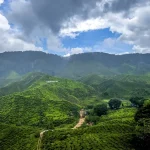
BOH Sungei Palas Tea Centre remains the benchmark. Perched above Brinchang at roughly 1,800 metres elevation, the open-air terrace offers a view across working tea plantations — rows of deep green bushes stretching to the ridge line in every direction. The factory tour (free in 2026) shows the full orthodox processing line, and the café at the top serves tea brewed from the current flush. Order the plain Cameron Highlands Blend without milk first. It has a clean, slightly grassy character with a mild astringency — nothing like the malty Assam teas sold in supermarkets. Add milk only after you have tasted it straight.
BHARAT Tea Estate, slightly less visited than BOH, is worth the extra navigation. Their green tea variant — not widely publicised — has a more delicate, floral finish and pairs well with the plain butter scones their small café sells on weekends.
In town, The Lord’s Café in Tanah Rata has been doing English-style afternoon tea properly since long before it became trendy. Scones with clotted cream and strawberry jam, finger sandwiches, and a pot of loose-leaf Cameron estate tea — the full set runs MYR 35–45 per person in 2026. It is not a cheap option, but the scones are baked fresh each morning and the cream is genuinely thick.

Local Hawker Stalls and Wet Markets Worth Knowing
Cameron’s wet markets are not just for watching — they are active food destinations in their own right, especially in the early morning hours when stall operators set up cooked food alongside fresh produce.
Pasar Malam Brinchang runs on Wednesday and Saturday evenings along the streets beside the town square. This is one of the better night markets in highland Malaysia — not for souvenirs, but for the range of cooked food. Look for the stall selling popiah basah, a soft spring roll filled with julienned turnip, carrots, shrimp, and crushed peanuts wrapped in a thin crepe. It is assembled in front of you, slightly warm, and costs MYR 3–4 per roll. The filling has a satisfying crunch from the raw vegetables that contrasts with the soft wrapper.
The Tanah Rata wet market, open daily from early morning until roughly noon, has a small cooked food section behind the vegetable stalls. One stall here specialises in yong tau foo — vegetables and tofu stuffed with fish paste, then either fried or served in a clear broth. The market version is MYR 1.50–2.00 per piece and significantly cheaper than the café versions along the main street.
Highland-specific produce worth buying here includes sayur manis (sweet leaf vegetable), enormous leeks, and multiple varieties of leafy greens that do not survive the heat of the lowlands. If you have access to a kitchen, a stir-fry of local greens with garlic and oyster sauce is one of the best simple meals Cameron can offer.

Indian and Orang Asli Influence on Cameron Food
The Tamil Indian community has been in Cameron Highlands since the colonial-era tea estates were established, and their food presence is deeply embedded in the local eating scene — though easy to overlook if you only follow the tourist trail.
Several Tamil-owned restaurants in Tanah Rata serve banana leaf rice at lunch, a proper meal with white rice, three or four vegetable curries, papadums, and a protein option. Restoran Kumar (look for it one street back from the main road in Tanah Rata) does a solid version at MYR 12–16 for a full set. The curries rotate daily and tend to feature highland vegetables like cabbage and mustard greens cooked into the standard South Indian spice base — a subtle local adaptation.
The Orang Asli influence on Cameron food is quieter but real. Several jungle produce items sold at Kea Farm and by roadside sellers — wild fern shoots, pucuk midin, forest mushrooms, and bamboo shoots — come from Orang Asli communities in the surrounding jungle. These ingredients show up in Chinese restaurants as “jungle vegetables” stir-fries, usually priced MYR 15–22 per dish. The fern shoots in particular have a distinctive, slightly mineral taste and a firm texture that holds up well to high-heat wok cooking.
If you are in Cameron over a weekend, check whether any Orang Asli produce sellers are set up near the Kea Farm area. They sometimes sell hand-harvested honey in recycled bottles — raw, unfiltered, and noticeably more complex in flavour than anything in the supermarket.
Steamboat Restaurants — The Highland Evening Ritual
Steamboat — a hot pot of simmering broth at your table, into which you cook raw meats, vegetables, and seafood — is the definitive Cameron Highlands dinner. The cool evening temperatures (often dropping to 14°C or lower after dark) make a pot of bubbling broth genuinely inviting rather than just a novelty.

The format here is typically set-based: you pay a fixed price per person and receive a spread of items to cook in a divided pot with two broths — usually a milky chicken or pork bone soup on one side and a spicier tom yam broth on the other. The Cameron version of steamboat has local character because of its produce: you will find highland leafy greens, corn-fed chicken from nearby farms, fresh mushrooms (oyster, shiitake, and enoki), and often fresh tofu made locally.
Restoran Tung Lung in Tanah Rata is the most consistently recommended steamboat in the area and has been running since the 1990s. A set for two with a solid spread of meat, seafood, and vegetables runs MYR 70–100 in 2026. The broth here is made from pork bones simmered for several hours — the soup you are left with after cooking everything is one of the best parts of the meal.
In Brinchang, several steamboat restaurants have opened since 2024, some offering unlimited buffet formats at a flat MYR 35–45 per person. The quality of the buffet spread varies significantly — the cheaper ones pad out the selection with processed fish balls and imitation crab sticks. Judge by what you see on the table before you commit.
One practical note: most steamboat restaurants in Cameron do not take reservations and fill up by 7:00 PM on weekends. Either eat early (6:00–6:30 PM) or arrive prepared to wait.
2026 Budget Reality — What Eating Here Actually Costs
Cameron Highlands has always been slightly pricier than the lowland towns, and 2026 has seen costs inch upward further due to increased visitor numbers and higher fuel costs affecting highland supply chains. Here is an honest picture of what to expect.

Budget (MYR 25–40 per person per day for food)
Achievable if you eat at kopitiam breakfasts, buy produce from Kea Farm market, use the wet market cooked food stalls for lunch, and eat at hawker stalls or the pasar malam in the evenings. Breakfast at a kopitiam: MYR 6–10. Market lunch: MYR 8–12. Hawker dinner: MYR 10–15.
Mid-Range (MYR 60–90 per person per day for food)
Covers a sit-down breakfast at a café, a proper Chinese restaurant lunch with jungle vegetables and tofu, and a steamboat dinner split between two people. Most travellers fall into this range without trying. Tea at BOH with a light snack adds MYR 15–20 on top.
Comfortable (MYR 120–180 per person per day for food)
Includes afternoon tea at a proper venue (MYR 35–45 per person), meals at the better sit-down restaurants, farm-fresh produce purchases, and a higher-end steamboat. There are no fine dining restaurants in Cameron as of 2026 — this tier simply means eating well at every meal without watching prices.
- Kopitiam breakfast (coffee + eggs + toast): MYR 7–10
- Roti canai + teh tarik at Indian stall: MYR 5–7
- Yong tau foo at wet market: MYR 10–14 for a bowl
- Banana leaf rice lunch: MYR 12–16
- Jungle vegetables stir-fry at Chinese restaurant: MYR 15–22
- Afternoon tea set (scones, sandwiches, tea): MYR 35–45
- Steamboat dinner for two (set): MYR 70–100
- Strawberry punnet at Kea Farm: MYR 8–12
Where to Eat Near Each Town — Brinchang vs. Tanah Rata
Cameron Highlands is not a single town — it is a chain of small settlements along a winding mountain road, and understanding which town suits which kind of eating helps you plan around your accommodation base.
Tanah Rata
This is the larger, more service-oriented town and has the widest variety of restaurants. Most of the Indian restaurants, the better kopitiam options, the English-style cafés, and the longer-running Chinese restaurants are concentrated here. The main street (Jalan Besar) and the parallel street behind it are where you will spend most of your eating time if you are based here. Tanah Rata also has the better wet market for early morning produce and cooked food browsing. It is the more practical base for food exploration overall.

Brinchang
Smaller and positioned higher on the mountain, Brinchang has a more local, less polished eating scene. The town square area has a dense cluster of budget Chinese restaurants and a few newer cafés that opened since 2024 targeting the Mossy Forest hiking crowd. The Wednesday and Saturday pasar malam here is genuinely worth attending. Brinchang also puts you closer to BOH Sungei Palas and BHARAT estates for morning tea visits. If you prefer a quieter base with honest local food at slightly lower prices, Brinchang works well.
Kea Farm and the Stretch Between
The road between the two towns passes through Kea Farm, which is not really a town but a market hub with a few independent restaurants. Restoran Kea Farm has been doing simple Chinese kampung-style cooking — braised pork, steamed fish, stir-fried highland greens — for decades and is worth stopping at for lunch if you are moving between towns. Prices are honest: MYR 10–16 per dish, meant to be shared.
Frequently Asked Questions
What food is Cameron Highlands famous for?
Cameron Highlands is best known for fresh strawberries, tea from the BOH and BHARAT estates, highland vegetables like corn and leafy greens, and steamboat dinners. The cool climate means produce stays fresher than in the lowlands. Strawberries with cream and afternoon tea are the most iconic eating experiences for visitors.
Where is the best place to eat in Cameron Highlands in 2026?

For variety and convenience, Tanah Rata has the strongest food scene. Restoran Tung Lung for steamboat, the kopitiam stalls along Jalan Besar for breakfast, the wet market for cheap cooked food, and The Lord’s Café for afternoon tea are the reliable anchors. Brinchang’s pasar malam on Wednesday and Saturday evenings is also worth the trip.
Is food in Cameron Highlands expensive?
Slightly more expensive than most Malaysian towns, but still affordable by any standard. A budget traveller can eat well for MYR 25–40 per day using hawker stalls and market food. Mid-range dining — Chinese restaurants, cafés, and one steamboat dinner — runs MYR 60–90 per person daily. Prices have risen about 10–15% since 2024 due to higher visitor numbers.
What should I avoid eating in Cameron Highlands?
Avoid strawberry products from bright-labelled tourist shops near the main farms — most are heavily sweetened and use artificial flavouring. Pre-packaged tea from gift shops is typically lower grade than what you buy at the estate tea centres. Buffet steamboat restaurants with suspiciously low prices tend to use processed, low-quality ingredients. Buy produce at Kea Farm market instead of farm shops for better value.
What time do restaurants close in Cameron Highlands?
Most kopitiam and hawker stalls close by 2:00–3:00 PM and do not reopen for dinner. Chinese restaurants typically run 11:00 AM to 3:00 PM for lunch and 5:30 PM to 9:30 PM for dinner. Steamboat restaurants often close by 9:30–10:00 PM. In 2026, a small number of Brinchang cafés targeting hikers stay open until 10:30 PM on weekends but this is still the exception rather than the rule.
Explore more
Cameron Highlands Itinerary: The Perfect 2-Day Trip Guide
Cameron Highlands Itinerary: Plan Your Perfect 2, 3, or 4-Day Trip
Cameron Highlands Itinerary: How to Spend a Perfect 2 or 3 Days
📷 Featured image by Abdelrahman Ismail on Unsplash.