On this page
- Planning Langkawi in 2026 Takes More Thought Than It Used To
- Understanding Langkawi Before You Plan
- The 3-Day Langkawi Itinerary
- The 5-Day Langkawi Itinerary
- The 7-Day Langkawi Itinerary
- Where to Eat Each Day Without Wasting a Meal
- Getting Around Langkawi
- Island-Hopping and Day Trips Beyond the Main Island
- Best Time to Visit Langkawi
- Where to Stay — Accommodation by Zone and Budget
- 2026 Budget Breakdown — What Langkawi Actually Costs
- Practical Tips for Langkawi in 2026
- Frequently Asked Questions
💰 Click here to see Malaysia Budget Breakdown
💰 Prices updated: August, 2026. Budget figures are estimates — always verify before travel.
Exchange Rate: $1 USD = RM4.03
Daily Budget (per person)
Shoestring: RM100.00 – RM200.00 ($24.81 – $49.63)
Mid-range: RM180.00 – RM400.00 ($44.67 – $99.26)
Comfortable: RM450.00 – RM1,300.00 ($111.66 – $322.58)
Accommodation (per night)
Hostel/guesthouse: RM20.00 – RM70.00 ($4.96 – $17.37)
Mid-range hotel: RM100.00 – RM350.00 ($24.81 – $86.85)
Food (per meal)
Budget meal: RM15.00 ($3.72)
Mid-range meal: RM35.00 ($8.68)
Upscale meal: RM100.00 ($24.81)
Transport
Single metro/bus trip: RM2.00 ($0.50)
Monthly transport pass: RM150.00 ($37.22)
Planning Langkawi in 2026 Takes More Thought Than It Used To
Langkawi has always been easy to love — duty-free alcohol, white sand beaches, jungle-covered hills dropping straight into the Andaman Sea. But in 2026, the island is busier than it has been in years. Direct flights from Kuala Lumpur, Singapore, and Bangkok have filled up, the cable car queues stretch long on weekends, and the stretch of road along Pantai Cenang moves at a crawl during school holidays. If you show up without a rough plan, you’ll spend your first day figuring out logistics instead of floating in warm turquoise water. Whether you have 3 days or a full week, this itinerary guide maps out exactly how to use your time — without wasting it.
Understanding Langkawi Before You Plan
Langkawi is not one beach town with everything nearby. It’s a 478-square-kilometre island with distinct zones, and where you stay shapes what you can realistically do each day. There are no public buses worth mentioning, so you’re either renting a car, hiring a scooter, or relying on Grab — which, in 2026, is available but not always fast in the northern and eastern parts of the island.
Think of Langkawi in four zones:
- Pantai Cenang & Pantai Tengah — The tourist hub. Bars, restaurants, watersports, budget guesthouses to mid-range resorts. Most visitors base themselves here.
- Kuah Town — The main town and ferry terminal. Duty-free malls, the Eagle Square landmark, local food. Not a beach area.
- Datai Bay & Tanjung Rhu (North) — The luxury end. Long empty beaches, jungle resorts, fewer crowds. You need your own transport here.
- Langkawi Sky Bridge & Cable Car Zone (Burau Bay) — Midway up the west coast. The island’s most iconic inland attraction.
Understanding this geography means you can cluster activities by zone and avoid spending your holiday driving back and forth.
The 3-Day Langkawi Itinerary

Three days is enough to hit Langkawi’s best highlights if you’re focused. The key is not trying to do everything — pick the cable car or the mangroves, not both on the same day.
Day 1 — Arrive, Orient, Pantai Cenang
Fly or ferry in. If you’re arriving at Langkawi International Airport, you’re already on the island — it’s a 20-minute drive to Pantai Cenang. Hire a car at the airport (from around MYR 80–120 per day in 2026 for a basic Perodua) or grab a taxi for around MYR 25–35.
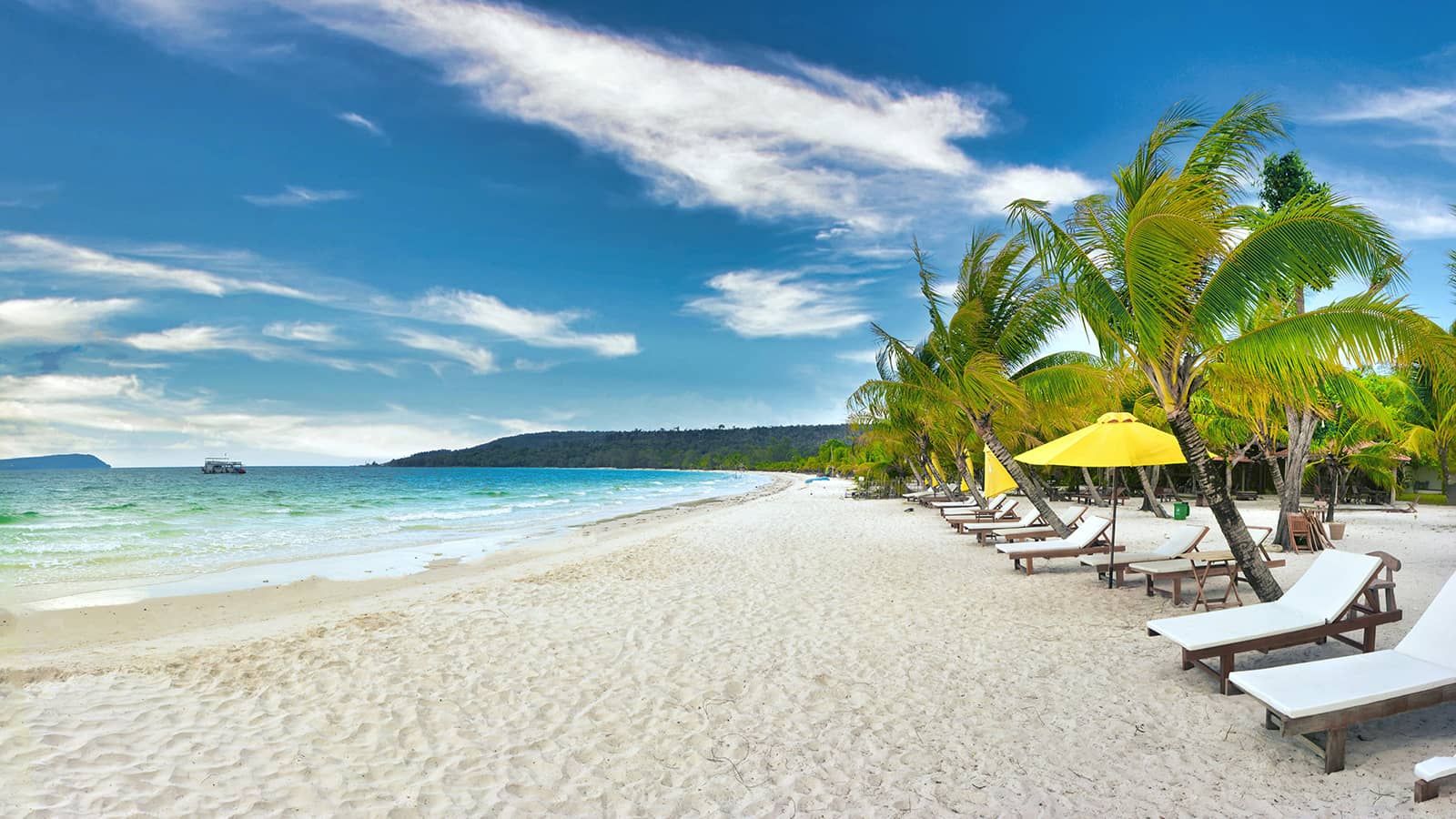
Spend the afternoon on Pantai Cenang beach. The water is warm and shallow, and the sand has that fine white texture that sticks to your feet in the best way. Grab a cold Carlsberg at one of the beach shacks — Langkawi’s duty-free status keeps beer prices genuinely cheap, around MYR 7–10 a can. As the sun drops, the whole beachfront turns golden and the smell of grilled seafood from the night stalls drifts down the sand.
That evening, eat at Jalan Pantai Cenang — the main strip has everything from local nasi campur to wood-fired pizza. For your first night, try the seafood at one of the open-air restaurants near the southern end of the strip.
Day 2 — Cable Car, Sky Bridge, Telaga Tujuh Waterfall
Leave early. The Oriental Village and cable car queue is manageable before 9am; after 11am it becomes a significant wait. The Langkawi Cable Car ride up Gunung Mat Cincang gives views across the archipelago that are genuinely jaw-dropping — on a clear morning you can see all the way to Thailand. The Sky Bridge, a curved pedestrian bridge suspended above the jungle canopy, is a separate ticket (around MYR 10 in 2026).
After coming down, drive five minutes to Telaga Tujuh (Seven Wells) waterfall. This is a series of natural rock pools connected by cascading water. You can swim in the upper pools — arrive before noon when tour groups thin out.

Day 3 — Kilim Karst Geoforest Park
On your final day, book a morning mangrove boat tour through Kilim. Tours depart from Jeti Kilim on the northeast coast and last about 3–4 hours. You’ll move through narrow mangrove channels, spot eagles (the island’s namesake), and stop at a floating fish farm for lunch. Most half-day tours cost MYR 80–120 per person. Book the day before through your hotel or any tour desk on Pantai Cenang.
Spend your final afternoon back at the beach, or browse the duty-free shops in Kuah before your departure.
The 5-Day Langkawi Itinerary
Two extra days unlock the parts of Langkawi that most visitors miss. Days 1–3 follow the same structure as above, then:
Day 4 — Island Hopping: Pulau Dayang Bunting & Pulau Singa Besar
Langkawi’s surrounding islands are where the real colour is. Pulau Dayang Bunting (Pregnant Maiden Island) has a freshwater lake in the middle of the jungle — you can swim in it, and the water is deep, dark green, and cold in the best way. Boats to these islands depart from Telaga Harbour or Kuah Jetty. Island-hopping packages (4 islands, snorkelling included) cost MYR 35–60 per person on a shared boat, or MYR 350–600 to hire a private speedboat.
Day 5 — North Coast: Tanjung Rhu & Padang Matsirat
Drive north. Tanjung Rhu beach is arguably the most beautiful on the island — a long curve of pale sand backed by casuarina trees, calm water, and almost no one on it mid-week. The village of Padang Matsirat nearby has a morning market (tamu) where locals buy fresh produce. You’ll find nasi dagang, kuih, and fresh coconut for breakfast here for under MYR 10 total. This is where Langkawi feels like a real place, not a resort island.
The 7-Day Langkawi Itinerary
A full week lets you breathe. Days 1–5 follow the itineraries above. The final two days are for the slow, unplanned side of the island.
Day 6 — Langkawi Wildlife Park, Durian Perangin Waterfall & Rice Paddies
Head inland and north. Durian Perangin waterfall near Air Hangat is less visited than Telaga Tujuh — a longer hike (about 30 minutes) but more rewarding, with multi-tiered falls and natural pools almost entirely free of tour groups. Nearby, the Laman Padi rice field museum lets you walk through active paddy fields. It’s free to enter, and the views of the mountains behind the green terraces are one of the most photographed scenes in Langkawi.
Day 7 — Slow Day, Sunset Point, Duty-Free Final Run
Your last full day should have nothing booked. Sleep in. Hire a scooter (MYR 35–45 per day) and ride with no particular plan — the west coast road from Pantai Cenang up to Datai Bay is one of the most scenic drives in Malaysia, with jungle on one side and sea glimpses on the other. End at Berjaya Langkawi’s public beach access area near Datai Bay for a final swim. For sunset, head back to the Pantai Cenang beachfront — the sky over the Andaman turns deep orange and pink, and hawker carts are already set up along the sand serving char kway teow and fresh coconut ice cream.
Where to Eat Each Day Without Wasting a Meal
Langkawi has a strong food scene if you know where to look past the tourist strip. Here are the specific spots worth your time:

Pantai Cenang Night Market (Pasar Malam)
Runs on Thursdays near the main road junction. Local vendors sell grilled fish, satay, apam balik (sweet peanut pancakes), and fresh fruit. Everything is MYR 1–8. The smell of coconut milk and charcoal smoke pulls you in from half a block away. This is the best MYR 15–20 meal you’ll have on the island.
Yasmin Restaurant, Pantai Cenang
One of the best nasi campur spots on the strip. Arrive before 1pm or the best dishes are gone. A full plate with two lauk (side dishes) and rice is MYR 8–12.
Fat Mermaid, Pantai Cenang
A popular spot for Western breakfasts and cold brew coffee. Solid eggs benedict, good wifi, MYR 18–30 per head. Better for lazy mornings than big evenings.
Kok Seafood Restaurant, Kuah Town
Locals eat here, not tourists. Butter prawns, steamed fish with ginger and soy, kangkung belacan — a full table of four with beer comes to about MYR 120–180. Worth the 20-minute drive from Pantai Cenang.
Tupai-Tupai Café, Padang Matsirat Area
A small café that does the best nasi lemak on the island. The coconut rice is wrapped in banana leaf and served with homemade sambal that has real heat and real depth. Open from 7am, usually sold out by 10am. Cash only, MYR 5–8 per set.
Getting Around Langkawi
This is the single most important logistical point: Langkawi has no functional public transport. There are a handful of taxis and the Grab app works in central areas, but if you’re planning to explore freely, you need your own wheels.
Car Rental
The most practical option for families or groups of 3+. Book in advance during school holidays (June, November, December) — cars sell out and prices spike. In 2026, a Perodua Axia or Bezza runs MYR 80–130 per day. International driver’s licence is not required for Malaysian passport holders; foreign visitors need a valid licence from their home country. Petrol is cheap: around MYR 2.05–2.15 per litre under Malaysia’s managed fuel pricing in 2026.

Scooter Rental
Best for solo travellers or couples. MYR 35–50 per day for a 125cc scooter. Helmets are provided but often in poor condition — bring your own if you’re particular about it. Roads on the west and centre of the island are in good condition in 2026 following recent resurfacing. Avoid the northeast interior roads after rain.
Grab
Available in Pantai Cenang, Kuah, and the cable car area. Waiting times average 8–15 minutes. For remote areas like Tanjung Rhu or Kilim Jetty, Grab is unreliable — either hire a car or arrange with a local driver in advance.
Airport to Pantai Cenang
Taxi fixed rate: MYR 25–35. Grab: MYR 18–28. Car rental desks are inside the terminal. The airport is small and efficient — no need to arrive more than 90 minutes before domestic flights.
Island-Hopping and Day Trips Beyond the Main Island
Langkawi sits within an archipelago of 99 islands. Most are uninhabited. Three are worth your time:
Pulau Dayang Bunting
The freshwater lake here, Tasik Dayang Bunting, is surrounded by sheer limestone cliffs and jungle. You can swim in it — the water is dark but clean. Monkeys are bold and will snatch bags, so keep food zipped away. A shared boat tour including this island costs MYR 35–60 per person.
Pulau Beras Basah
Small, quiet, and popular for snorkelling. Crystal-clear water, a sandy beach, and a small café selling cold drinks and fried rice. Most island-hopping packages include a stop here.
Satun, Thailand (Border Run)
A ferry from Kuah Jetty crosses to Satun in southern Thailand — about 1.5 hours. Satun is a quiet Thai border town with excellent cheap seafood and local markets. Some travellers do this as a visa run. The crossing is straightforward; bring your passport and MYR 30–50 for ferry fare. Satun is not a party destination — it’s calm, Muslim-majority, and genuinely interesting for half a day.

Best Time to Visit Langkawi
Langkawi’s weather runs opposite to the rest of the peninsula. Its dry season runs roughly from November to April, which is peak tourist season. The southwest monsoon arrives from late May through October, bringing heavy afternoon rain and rough seas that cancel island-hopping tours.
The sweet spot in 2026 is November to early February — clear skies, calm water, and the island before the Chinese New Year crowds arrive (CNY in 2026 falls in late January). March and April are also excellent but are now consistently the most expensive months for flights and accommodation as regional tourism has rebounded strongly.
Avoid the weeks around Malaysian school holidays (mid-June, late November, mid-December to early January) if you dislike crowds. The cable car queues, Pantai Cenang traffic, and accommodation prices all spike noticeably during these windows.
The Langkawi International Maritime and Aerospace Exhibition (LIMA) takes place every two years — check the 2026 schedule. When LIMA is on, the skies around Langkawi are spectacular for aviation enthusiasts, but hotels book out months in advance.
Where to Stay — Accommodation by Zone and Budget
Your ideal base depends on how long you’re staying and what you want nearby.
Budget Travellers (MYR 60–150 per night)
Base yourself on Pantai Cenang. Guesthouses and budget hotels are dense here, the beach is walking distance, and food options are everywhere. Options like Yellow Beach Hostel and various Airbnb apartments along Jalan Pantai Cenang run MYR 60–120 for a clean double room.
Mid-Range (MYR 200–450 per night)
Pantai Tengah, just south of Cenang, is quieter and slightly more upscale. The beach is less crowded and the road less chaotic. Hotels like Meritus Pelangi Beach or Casa del Mar sit in this zone — comfortable, well-maintained, and close enough to the action without being in the middle of it. For 5 or 7-day stays, the north coast near Tanjung Rhu offers mid-range boutique stays with fewer guests and genuinely peaceful surroundings.

Comfortable/Luxury (MYR 600–2,500+ per night)
Datai Bay in the northwest is where Langkawi goes quiet and beautiful. The Datai Langkawi and Andaman resorts sit within rainforest and are consistently ranked among Southeast Asia’s best. These are not convenient for exploring the rest of the island without a car, but if the plan is to stay put in luxury, that’s not a problem.
2026 Budget Breakdown — What Langkawi Actually Costs
Langkawi’s duty-free status makes alcohol, chocolate, and electronics genuinely cheaper here than on the mainland. But accommodation and tourist activities have risen in line with regional inflation since 2024.
Budget Traveller — MYR 120–180 per day
- Accommodation: MYR 60–90 (guesthouse or hostel double)
- Food: MYR 25–40 (hawker stalls, mamak, pasar malam)
- Transport: MYR 35–45 (shared scooter rental split with partner)
- Activities: MYR 20–40 (shared boat tours, cable car on weekday)
Mid-Range Traveller — MYR 300–500 per day
- Accommodation: MYR 180–280 (3-star resort, Pantai Tengah)
- Food: MYR 60–90 (mix of sit-down restaurants and hawker)
- Transport: MYR 80–110 (car rental, full day)
- Activities: MYR 60–120 (private island-hopping, cable car, entrance fees)
Comfortable Traveller — MYR 800–2,000+ per day
- Accommodation: MYR 600–1,800 (Datai Bay or 5-star resort)
- Food: MYR 150–300 (resort dining, fine seafood restaurant)
- Transport: MYR 120–180 (car rental with GPS, or resort transfers)
- Activities: MYR 150–400 (private boat charters, spa treatments)
Duty-free savings: a litre of spirits costs MYR 40–70 in Langkawi versus MYR 150–200+ on the mainland. Beer at a beach bar runs MYR 7–12 versus MYR 18–25 in KL. For drinkers, these savings are real.

Practical Tips for Langkawi in 2026
Duty-Free Allowance
Malaysia’s customs rules allow you to bring out a limited quantity of duty-free goods when leaving Langkawi for the mainland — in 2026 this is 1 litre of alcohol and 225ml of perfume per person. Chocolate and confectionery are unrestricted. Do not attempt to exceed the alcohol limit; customs at Langkawi Airport and Kuah Jetty do spot-check.
Tipping
Not expected in local hawker stalls or budget restaurants. In mid-range and upscale restaurants, a 10% service charge is typically added to the bill. Rounding up or leaving MYR 5–10 for attentive service at nicer places is appreciated but optional. Tour guides appreciate MYR 10–20 at the end of a half-day trip.
SIM Cards and Connectivity
Pick up a tourist SIM at Langkawi Airport from Celcom, Maxis, or U Mobile — in 2026, unlimited-data tourist plans run MYR 25–40 for 7–14 days. Coverage across Pantai Cenang, Kuah, and the cable car area is solid 4G. Northern beaches like Tanjung Rhu still have patchy coverage in spots.
Drinking Water
Tap water in Langkawi is not reliably safe to drink. Most accommodation provides filtered water or a small supply of bottled water. Carry a refillable bottle — water refill stations at some resorts and Pantai Cenang convenience stores are available for MYR 0.50–1.
Sunscreen
The UV index in Langkawi regularly hits 10–12 from 10am–3pm, even on overcast days. SPF 50 is not excessive here. Reef-safe sunscreen is strongly encouraged — the marine life around the island’s smaller islands is still recovering from coral bleaching events, and chemical sunscreens are known contributors.
Safety
Langkawi is one of Malaysia’s safest tourist destinations. Petty theft is rare but not unknown in busy areas like the Cenang strip at night. Lock scooters and don’t leave valuables visible in parked cars. Sea conditions during the monsoon (June–October) can be dangerous for swimming — follow beach safety flags.

Frequently Asked Questions
How many days do you need in Langkawi?
Three days covers the cable car, one beach area, and a mangrove tour — enough for a first visit. Five days is the sweet spot for most travellers: you get island hopping, a north coast day, and time to relax. Seven days suits those who want to explore thoroughly or simply unwind without rushing between sights.
Is Langkawi worth visiting in 2026?
Yes, but go with realistic expectations. The main beach strip around Pantai Cenang is developed and busy. The island’s real appeal — quiet north coast beaches, Geoforest Park, empty islands — rewards travellers who get off the main tourist drag. Duty-free prices, warm water, and good food make it consistently worthwhile.
Do you need a car in Langkawi?
Almost certainly yes, unless you plan to stay put on Pantai Cenang for your entire trip. Grab works in central areas but is slow and unavailable in the north and east. A rental car (MYR 80–130 per day) or scooter (MYR 35–50 per day) gives you full flexibility and is the standard choice for most visitors.
What is the best beach in Langkawi?
Tanjung Rhu in the north is the most beautiful — long, quiet, and backed by casuarina trees. Pantai Cenang is the most convenient and lively. Pantai Tengah sits between the two in character. For snorkelling, the surrounding islands like Pulau Beras Basah are better than any beach on the main island.
Is Langkawi cheaper than Bali or Phuket?
For mid-range and budget travellers, Langkawi is comparable to Bali and cheaper than Phuket in 2026. Duty-free alcohol significantly reduces drink costs. Local food is very affordable at MYR 5–15 per meal. Upscale resorts like those at Datai Bay command similar prices to Bali’s Seminyak end, but the mid-range bracket offers better value per night than equivalent Thai beach resorts.
📷 Featured image by Jesse Vermeulen on Unsplash.