On this page
- The Three-Culture Framework
- Greetings, Names, and First Impressions
- Entering Sacred and Domestic Spaces
- The Unwritten Rules of Eating Together
- Mamak and Kopitiam Culture
- Hospitality, Gifts, and the Art of Refusing Politely
- Language as Respect
- Festivals as Living Culture
- 2026 Budget Reality for Cultural Participation
- Frequently Asked Questions
Most travellers arrive in Malaysia thinking politeness is universal — smile, say thank you, don’t be loud. That gets you through the airport. It does not get you invited back to someone’s home, waved through a temple gate without a second glance, or handed a plate of food at a Hari Raya open house that was clearly meant for family. Malaysia in 2026 is more connected to international tourism than ever — the Visit Malaysia 2026 campaign has brought record arrivals — but the cultural depth here still catches most visitors completely off guard. This guide is about the specific, practical knowledge that turns a polite tourist into someone Malaysians actually enjoy having around.
The Three-Culture Framework
Malaysia does not have one culture. It has at least three major ones operating simultaneously, often in the same street, sometimes in the same family. Malay, Chinese, and Indian communities have coexisted here for centuries, and each brings its own religious foundation, social calendar, food rules, and unspoken code of conduct. There are also the indigenous Orang Asli communities of Peninsular Malaysia and the Dayak, Kadazan-Dusun, and other peoples of Sabah and Sarawak — each with distinct Traditions that deserve their own respect.
Understanding this framework is not about memorising ethnic stereotypes. It is about recognising that the person in front of you may be Muslim, Buddhist, Hindu, Christian, or Taoist — and that this shapes what they eat, how they greet you, what days are sacred to them, and what gestures carry meaning. The majority Malay community is constitutionally Muslim. The majority of Malaysian Chinese follow Buddhism, Taoism, or Christianity. The Indian community is predominantly Hindu, with a significant Muslim minority. Assuming everyone follows the same customs is the fastest way to cause accidental offence.
The practical upshot: slow down before assuming. When you enter a new space, observe first. What are others doing? Are shoes lined up at the door? Are people using both hands to receive things? Is there a prayer happening nearby? Malaysia rewards the observant traveller enormously.

Greetings, Names, and First Impressions
The Malay greeting is salam — a handshake where both hands lightly clasp the other person’s hands, then are brought back to touch your own chest. It is a gesture of sincerity and peace. Among Malay Muslims, a man should not initiate a handshake with a woman he does not know. If a Malay woman extends her hand to you, shake it normally. If she does not, a slight nod or a smile with a hand on your own chest is perfectly correct. Do not treat this as rejection — it is a boundary rooted in religious observance, not personal coldness.
Among Malaysian Chinese, a handshake is standard in most contexts. Business introductions often involve a slight bow of the head. Older Chinese Malaysians appreciate being addressed formally — use Mister, Madam, or Uncle and Auntie (the latter two are warmly affectionate ways to address elders in Chinese Malaysian culture, not presumptuous). Among Tamil Indian Malaysians, a handshake is common, and pressing your palms together in a slight namaste-style gesture is received warmly.
Names deserve careful attention. Malay names are patronymic — a person does not share a surname with their parents. Mohd Fariz bin Abdullah means Fariz, son of Abdullah. Address him as Fariz or En. Fariz (En. is short for Encik, the Malay equivalent of Mr). Many Chinese Malaysians use both a Chinese name and an English name — use whichever they offer you first. Indian Malaysian names often follow a similar patronymic structure to Malay names, so check before assuming a family name.

Entering Sacred and Domestic Spaces
Malaysia has more than 5,800 mosques and tens of thousands of Hindu temples, Chinese temples, and churches across the country. Visitors are often welcome — but not unconditionally.
Mosques: Remove shoes before entering the prayer hall. Both men and women need covered shoulders and legs — no shorts, no sleeveless tops. Women must also cover their hair; headscarves are usually available at the entrance of tourist-visited mosques. During Friday prayers (approximately 12:30–14:30), the main hall is for worshippers only. Non-Muslims are generally welcome at other times. Keep your voice low, avoid walking in front of people who are praying, and put your phone away unless taking a single quiet photo in a clearly non-prayer area is obviously fine. When in doubt, do not photograph.
Hindu temples: Remove shoes at the entrance. This applies even at small roadside shrines. Modest dress applies here too — a sarong wrap is sometimes available at larger temples. Photography inside the inner sanctum is often restricted; a small sign usually indicates this, but if you are unsure, ask the temple custodian. Avoid touching statues or ritual objects unless explicitly invited. During active puja (prayer rituals), stand quietly to the side.
Chinese temples: Less formal dress codes apply, but modest clothing is still respectful. Incense smoke hangs thick and sweet in the air of a busy Chinese temple — if you are sensitive to it, be prepared. Avoid stepping on the threshold of the main door (step over it). Do not point at altars or deity statues with one finger; use an open hand gesture instead.

Private homes: Shoes almost always come off at the door — look for the pile of footwear outside as your cue. If you are invited to sit, wait to be directed rather than choosing the most comfortable-looking chair. Accept any offered drink before declining food, or accept both — refusing everything immediately can feel like rejection to a Malaysian host who has put genuine effort into your welcome.
The Unwritten Rules of Eating Together
Food is the primary social language in Malaysia. Sharing a meal is an act of trust, and how you behave at the table — or around the banana leaf, or at the hawker centre bench — communicates volumes.
The most important rule: understand halal boundaries. Malay Muslim Malaysians follow halal dietary law, which prohibits pork and alcohol and requires specific slaughter methods for meat. Inviting a Malay colleague to a pork-heavy Chinese restaurant puts them in an uncomfortable position. At a shared meal, do not place non-halal food on shared serving utensils, and do not offer non-halal dishes to someone who has not indicated they will eat them.
Among Chinese Malaysians, a lazy Susan (rotating centre plate) at a round table means food is shared — wait for the host to begin, or for an elder at the table. Do not stick chopsticks upright in a bowl of rice; this mimics funeral incense offerings and is genuinely disturbing to many Chinese Malaysians. Rest chopsticks across the rim of the bowl instead.
Among Indian Malaysians eating in the traditional way — banana leaf rice, hands only — the right hand is used to eat. The left hand is considered impure. If you try eating with your hands (which you absolutely should), use only your right hand. If you are left-handed, no one will be offended by you using a spoon, but attempting the right-hand method earns immediate warmth and usually some friendly coaching.

In all contexts, finishing your plate is a compliment. Leaving large amounts of food can imply the food was unsatisfactory. If you genuinely cannot eat more, saying “Kenyang sudah” (I’m already full) is understood and accepted with a smile.
Mamak and Kopitiam Culture
These two institutions are the social infrastructure of Malaysia and deserve their own section because neither is simply a place to eat.
The mamak stall is run by Tamil Muslim Malaysians and serves as a 24-hour community hub. Teh tarik — pulled milk tea, poured in long arcs between two cups until it froths — is the house drink, and the rhythmic clatter of the pulling is as much a sensory signature of Malaysia as the call to prayer drifting across a humid night. Roti canai, mee goreng, and nasi lemak are standard. A mamak is where Malaysians of all ethnicities eat side by side at plastic tables watching football replays. You do not need to order a lot. You do not need to leave quickly. Sitting over one teh tarik for an hour is completely normal and expected.
The kopitiam is the Chinese Malaysian coffee shop tradition. Black coffee brewed strong through a cloth sock filter, served in thick ceramic mugs, with condensed milk already stirred in — this is kopi, and it is the fuel of early mornings across the country. Kopitiams open early (often 06:00) and close by mid-afternoon. Individual hawker stalls operate within the kopitiam space, each selling different dishes. You order from different stalls and all the food arrives at your table. Pay each stall separately; do not assume it is a single bill. Seats are shared — sitting at a table with strangers is not unusual and requires no acknowledgement beyond a brief nod.

In both settings, tipping is not customary. At mamaks especially, a service charge is sometimes added to the bill; if not, rounding up by a ringgit or two is generous but not expected.
Hospitality, Gifts, and the Art of Refusing Politely
Malaysian hospitality runs deep, and it follows patterns that confuse visitors who take the first response at face value.
If you offer something — food, a gift, an invitation — a Malaysian host or guest will almost always decline once, sometimes twice. This is not a genuine refusal. It is a show of humility and politeness. The correct response is to offer again, warmly. On the third offer, acceptance is gracious and expected. This cycle also applies in reverse: when you are offered something and you genuinely do not want it, you will need to decline firmly but kindly at least twice before the offer stops.
When bringing a gift to a Malaysian home, wrap it — unwrapped gifts feel hasty. Among Chinese Malaysian hosts, avoid clocks (associated with death), green hats (associated with infidelity), and white flowers (associated with mourning). Among Malay hosts, alcohol and non-halal food products are inappropriate gifts. Fruits, pastries, or quality teas are safe across all communities. Gifts are usually not opened immediately in front of the giver — this is not ingratitude, it is discretion.
If you are invited to a Malay home during Ramadan and the household is fasting, do not eat or drink in front of your hosts unless they explicitly insist. If you arrive at iftar (the breaking of the fast at sunset), you will almost certainly be fed — and refusing will be very difficult. Accept graciously.
Language as Respect

You do not need to speak Bahasa Malaysia fluently to earn goodwill. You need to know about ten words and be willing to use them imperfectly. Malaysians respond to the effort far more than the accuracy.
- Terima kasih (teh-REE-mah KAH-see) — Thank you. This works everywhere, with everyone.
- Selamat pagi (seh-LAH-mat PAH-gee) — Good morning.
- Selamat datang (seh-LAH-mat DAH-tang) — Welcome. Saying this when entering someone’s space gets a surprised, delighted reaction every time.
- Tolong (TOH-long) — Please / Help. Used before a request: Tolong, boleh tambah air? — Please, can I have more water?
- Boleh (BOH-lay) — Can / Yes, it’s fine. The most useful word in Malaysia. Boleh? as a question means “Is that okay?” The answer boleh means yes.
- Makan (MAH-kan) — Eat. Sudah makan? (Have you eaten?) is how Malaysians ask if you are well. Answer yes, even if you haven’t — it is a greeting, not a food audit.
- Maaf (MAH-af) — Sorry / Excuse me. Useful in crowds.
- Berapa harga? (beh-RAH-pah HAR-gah) — How much does it cost?
Malaysia is a code-switching culture. In a single sentence, you will hear Malay, English, Cantonese, and Tamil words mixed together — this is Manglish, and it is not sloppy speech. It is a sophisticated linguistic identity. When locals switch to English with you, match their rhythm. Do not overcorrect their grammar. When they use a Malay phrase you do not understand, asking “Apa maksudnya?” (What does that mean?) is always welcomed.
Festivals as Living Culture
Hari Raya Aidilfitri marks the end of Ramadan and is Malaysia’s largest national celebration. Open houses — where families invite neighbours, colleagues, and strangers to eat and celebrate — are a genuine institution. If you receive an invitation, go. Wear modest, slightly formal clothing; baju kurung or baju Melayu are ideal but not required. Bring a small gift. Greet your hosts with Selamat Hari Raya, maaf zahir dan batin — it means Happy Hari Raya and I seek forgiveness for any wrongdoing, a phrase of profound cultural meaning. Eat everything you are offered if you can. The house will be loud, warm, and full.

Chinese New Year runs across 15 days in January or February. The first two days are family-only in most households. From the third day onward, open houses are common. Wear red or bright colours — black and white are associated with mourning and are genuinely inappropriate during this period. Do not say the word “four” (sei in Cantonese, associated with death). Accept mandarin oranges with both hands when offered; give them back the same way. Unmarried visitors are given ang pow (red envelopes with money) — accept graciously, do not open in front of the giver.
Thaipusam at Batu Caves, held in January or February, draws over a million Hindu devotees. The sight of kavadi carriers — devotees who pierce their bodies with skewers as acts of devotion, walking up the 272 temple steps in a state of spiritual trance — is unlike anything else on earth. If you attend, dress modestly, remove shoes before entering sacred ground, do not photograph devotees without a respectful distance and clear awareness that this is a sacred act, not a spectacle. The air at Batu Caves during Thaipusam smells of jasmine garlands, coconut milk, and the sharp sweetness of burning camphor — and the sound of the chenda drums reverberates in your chest long after you leave.
Deepavali (October or November) celebrates light over darkness. Hindu families clean and decorate their homes with kolam (intricate rice-flour designs at the entrance) and light oil lamps. Open houses again are common. Sweets — murukku, ladoo, and many others — are offered generously. Wear bright colours, accept sweets, and if you are invited to view a kolam, compliment it directly. The artist spent hours on it.

2026 Budget Reality for Cultural Participation
Most cultural experiences in Malaysia cost very little or nothing at all. Here is an honest breakdown for 2026.
Religious and Cultural Sites
- Mosque entry: Free at most mosques open to visitors. Headscarf rental or loan: MYR 0–5.
- Hindu temples: Free entry at most. Batu Caves: free, though the funicular to the Dark Cave costs MYR 35 for adults in 2026.
- Chinese temples: Free. Some heritage temples charge a small donation of MYR 2–5.
Food and Social Experiences (Budget Tier)
- Teh tarik at a mamak stall: MYR 2–3.50
- Roti canai with curry: MYR 2–4
- Full nasi lemak breakfast: MYR 4–8
- Banana leaf rice lunch: MYR 12–18
- Kopi at a kopitiam: MYR 2–4
Mid-Range Cultural Activities
- Wayang kulit (shadow puppet) performance tickets at state cultural centres: MYR 25–60
- Batik painting workshop: MYR 60–120 per person
- Traditional cooking class (half-day): MYR 150–250
Comfortable / Premium
- Private cultural tour with local guide (full day): MYR 400–700
- Cultural homestay in rural Kelantan or Sabah: MYR 120–250 per night including meals
A note on 2026 pricing: the SST (Sales and Service Tax) rate adjustments implemented in mid-2025 have pushed restaurant prices up slightly across the board, particularly at mid-range dining establishments. Street food and hawker prices have remained largely stable due to government subsidies on essential food items, but portions at some hawker stalls have reduced. Budget accordingly.
Frequently Asked Questions
Is it rude to ask someone in Malaysia what their ethnicity is?
In most casual social contexts, yes — it can feel intrusive to a stranger. However, Malaysians often ask each other this question without offence among acquaintances. A safer approach for visitors is to follow the other person’s lead. If they discuss their background openly, engage naturally. Do not lead with it as an icebreaker.

What should I wear when visiting Malaysian cultural sites in 2026?
Loose clothing that covers shoulders and knees works at virtually every religious site — mosque, temple, or otherwise. Carry a light scarf or sarong; many sites offer them but not always in your size. Avoid white at Chinese temples during festivals. Shoes must come off at most sacred spaces, so wear slip-ons for convenience.
Can non-Muslims attend mosque visits or enter during prayers?
Non-Muslims are welcome at most Malaysian mosques outside of Friday prayer hours (roughly 12:30–14:30). The national mosques in Kuala Lumpur and Putrajaya specifically maintain visitor programmes with guided tours. Check mosque-specific rules in 2026 via the state Islamic department websites, as some restrictions have been updated since 2024.
How do I handle dietary restrictions when eating with Malaysians?
Be upfront early — Malaysians are highly experienced at accommodating dietary needs across communities. Say clearly whether you are vegetarian, vegan, or have allergies. Avoid vague requests like “no spicy food” without specifics, as spice levels vary enormously. At a mixed gathering, opt for clearly marked halal venues to avoid creating awkwardness for Muslim colleagues or hosts.
Is tipping expected in Malaysia at cultural events or food stalls?
Tipping is not customary at hawker stalls, mamak restaurants, or kopitiams. At sit-down restaurants and hotels, a 10% service charge is usually already included in the bill. At cultural performances or workshops, a small gratuity to guides or artisans — MYR 10–20 — is appreciated but never expected. Do not tip at religious sites.
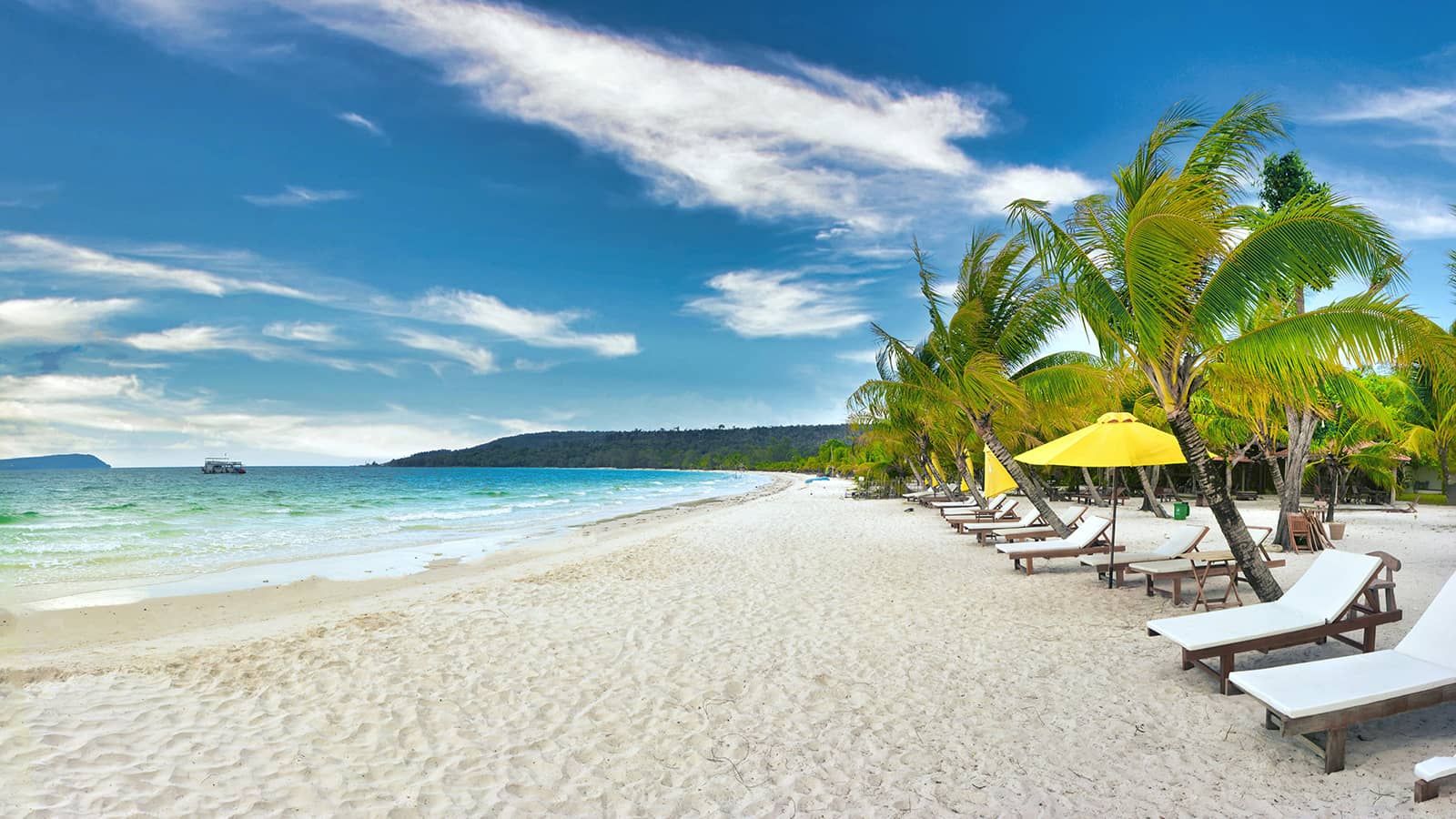
📷 Featured image by Shaggy Sirep on Unsplash.