On this page
- Kuching’s Climate: What the Weather Actually Feels Like
- The Dry Season (March–October): Kuching’s Prime Window
- The Wet Season (November–February): Rainy But Not Ruined
- Peak, Shoulder, and Off-Peak: What Crowds and Prices Actually Look Like in 2026
- Festivals and Events: Timing Your Trip Around Kuching’s Calendar
- Wildlife and Rainforest Timing: Bako, Semenggoh, and Mulu
- Best Time for Specific Outdoor Activities
- 2026 Budget Reality by Season
- Packing and Preparation: What Each Season Actually Demands
- Frequently Asked Questions
💰 Click here to see Malaysia Budget Breakdown
💰 Prices updated: October, 2026. Budget figures are estimates — always verify before travel.
Exchange Rate: $1 USD = RM4.08
Daily Budget (per person)
Shoestring: RM100.00 – RM180.00 ($24.51 – $44.12)
Mid-range: RM250.00 – RM450.00 ($61.27 – $110.29)
Comfortable: RM500.00 – RM1,000.00 ($122.55 – $245.10)
Accommodation (per night)
Hostel/guesthouse: RM30.00 – RM60.00 ($7.35 – $14.71)
Mid-range hotel: RM110.00 – RM200.00 ($26.96 – $49.02)
Food (per meal)
Budget meal: RM15.00 ($3.68)
Mid-range meal: RM35.00 ($8.58)
Upscale meal: RM100.00 ($24.51)
Transport
Single metro/bus trip: RM2.00 ($0.49)
Monthly transport pass: RM50.00 ($12.25)
Kuching sits on the edge of one of the oldest rainforests on Earth, and that forest runs on its own schedule. In 2026, travelers are increasingly aware that showing up at the wrong time means cancelled boat rides to Bako National Park, flooded jungle trails, or being turned away at Semenggoh Wildlife Centre because the orangutans have retreated deep into the forest during fruiting season. Unlike Kuala Lumpur, where timing is more about comfort than access, in Kuching the month you choose can genuinely make or break specific experiences. This guide breaks down exactly when to come, when to think twice, and how to get the most out of Sarawak’s charming capital no matter when you arrive.
Kuching’s Climate: What the Weather Actually Feels Like
Kuching is one of the wettest cities in Malaysia. It receives around 3,900mm of rainfall annually — significantly more than Kuala Lumpur’s 2,600mm. If you’re expecting a classic tropical dry season where it simply doesn’t rain, adjust your expectations. Even in Kuching’s driest months, you’ll likely see a short afternoon shower. The difference between seasons here is about intensity and frequency, not the complete absence of rain.
Temperatures stay remarkably consistent throughout the year — daytime highs hover between 30°C and 33°C, while nights cool to around 23°C to 25°C. Humidity sits between 80% and 90% year-round. What changes across the calendar is how much it rains, how hard, and whether it disrupts river crossings and jungle trails.
Kuching’s two rough seasons work like this: a wetter monsoon period from November through February, and a comparatively drier stretch from March through October. But even within those broad brushstrokes, there are nuances — June and July bring the most reliably settled weather, while September and October can see an uptick in rain as the region transitions.
The Dry Season (March–October): Kuching’s Prime Window

March through October represents the best overall window for visiting Kuching, with the sweet spot landing firmly in June and July. During these months, the South China Sea monsoon eases off, river levels in national parks drop to manageable levels, and coastal boat crossings to places like Bako operate consistently without weather cancellations.
March to May
March marks the transition out of the wet season. Trails at Bako National Park start drying out, and the proboscis monkey and long-tailed macaque populations are highly visible along the mangrove boardwalks. May begins to feel more settled — this is a good window before the school holiday crowds from Peninsular Malaysia arrive.
June and July
These are Kuching’s most weather-reliable months. Outdoor activities run smoothly, boat transfers to national parks are consistent, and the Rainforest World Music Festival — one of Southeast Asia’s most celebrated music events — takes place in July at the Sarawak Cultural Village. Walking through the open-air stage area at dusk with the humid jungle air softening around you, traditional sape melodies mixing with West African percussion, is one of those experiences that makes Kuching genuinely unlike anywhere else in Malaysia.
August to October
August is Malaysia’s National Day month and Kuching gets festive with decorations. The weather stays reasonable through August. September and October see rain becoming more unpredictable — not the heavy monsoon yet, but afternoon downpours become more frequent and prolonged. These months are still viable but require more flexible day planning.

The Wet Season (November–February): Rainy But Not Ruined
November through February is when the Northeast Monsoon sweeps across Borneo, and Kuching bears the brunt. Rain falls heavily, often in long sustained periods rather than quick afternoon bursts. River levels in national parks rise, and some trails at Bako become genuinely dangerous. Boat services can be suspended for days at a time during rough sea conditions.
That said, the wet season has its own compelling case — and a growing number of travelers in 2026 are deliberately choosing it.
What Still Works Well
Kuching’s city-based attractions are almost entirely unaffected by rain. The Kuching Waterfront, the weekend market at Satok, the Chinese History Museum, Sarawak Museum Campus (Malaysia’s largest museum complex, fully operational since 2022), and the old shophouse lanes of the city centre are all easy to enjoy between showers. The food scene — Kuching’s second-strongest draw after wildlife — is completely year-round. The city’s famous kolo mee stalls, the smoky grills at Top Spot Food Court, the steamed pork ribs at the Sunday market — none of that goes anywhere.
December and Chinese New Year
December brings a festive atmosphere to Kuching despite the rain. Christmas is celebrated visibly here, with Kuching’s large Christian community (particularly in the Dayak population) making the city feel genuinely celebratory. Chinese New Year, which falls in late January or February depending on the year, turns the city’s historic Chinatown into a vivid, noisy spectacle of red lanterns and lion dances. In 2026, Chinese New Year falls on January 29 — the days around this date are worth experiencing but expect packed restaurants and some business closures.
The Honest Limitation
If Bako National Park and Semenggoh are your primary reasons for visiting, the wet season is a real gamble. You might get lucky with a dry window, or you might spend your mornings checking WhatsApp updates from your guesthouse about whether boat transfers are running. For wildlife-first travelers, this season is genuinely not recommended.

Peak, Shoulder, and Off-Peak: What Crowds and Prices Actually Look Like in 2026
Kuching doesn’t experience the extreme tourist crowds of Penang or Langkawi, but the distinctions between seasons are real enough to affect your booking experience and daily costs.
Peak Season
School holidays drive Kuching’s busiest domestic travel periods. In 2026, the key peak windows are:
- Hari Raya holidays (late March–early April) — hotels fill quickly, especially mid-range properties near the waterfront
- June school holidays — Malaysian school break runs mid-June through early July, coinciding with the best weather window
- Rainforest World Music Festival weekend (mid-July) — the single busiest accommodation weekend of the year
- December school holidays — high domestic travel despite the wet weather
Shoulder Season
March to May and August to October offer a reasonable balance. The weather in March–May is improving, domestic crowds are lower, and prices for accommodation sit 15–25% below peak rates. August sees some activity around National Day but nothing that stresses Kuching’s hospitality infrastructure significantly.
Off-Peak
November and the first three weeks of January (outside Chinese New Year) represent Kuching’s quietest period. Budget hotels and guesthouses along Jalan Tabuan and the backpacker belt drop their rates noticeably. If you’re comfortable accepting weather risk on national park visits, this is when your MYR stretches furthest.
Festivals and Events: Timing Your Trip Around Kuching’s Calendar
Kuching punches above its size when it comes to cultural events. Several are genuinely worth building your trip around.
Rainforest World Music Festival — July
Held at the Sarawak Cultural Village in Damai, about 35km from Kuching, this three-day festival brings together musicians from across Borneo, Southeast Asia, Africa, and beyond. The 2026 edition returns in mid-July. Afternoon workshop sessions let you sit in small groups learning traditional Iban instruments — the sape, the sape electric fusion variants, and various percussion — before the main stage opens at dusk. Tickets in 2026 range from MYR 120 for a single day to MYR 320 for the full three-day pass.

Gawai Dayak — June 1–2
Gawai is the Dayak harvest festival, one of the most important cultural celebrations in Sarawak. June 1 is a public holiday. Kuching celebrates with open houses, traditional tuak rice wine, and longhouse visits. Some tour operators run authentic longhouse Gawai experiences for visitors — book these at least six weeks in advance as they fill up fast in the days surrounding June 1.
Kuching Festival — August
Running through most of August, this is primarily a food festival showcasing Sarawak’s extraordinary culinary diversity. Stalls at the Kuching Festival grounds in Padang Merdeka serve dishes from all of Sarawak’s ethnic communities — Iban, Bidayuh, Malay, Chinese Foochow and Hakka variants. The warm night air carries the smell of grilling wild boar satay and bubbling laksa broths all the way down to the waterfront.
Chinese New Year — January/February
Kuching’s Chinatown around Carpenter Street and Main Bazaar transforms for the two-week new year period. The city has a large Hokkien and Teochew community, and the celebrations are authentic rather than tourist-oriented. In 2026, Chinese New Year begins January 29.
Sarawak Regatta — October
Held on the Sarawak River, this annual boat racing event draws teams from across the state competing in traditional perahu races. It’s a genuine local event rather than a tourist show, and watching from the Kuching Waterfront requires no ticket.
Wildlife and Rainforest Timing: Bako, Semenggoh, and Mulu

For many travelers, wildlife is the primary reason to fly into Kuching. Each of Sarawak’s main natural sites has its own optimal visiting window that doesn’t always align neatly with Kuching’s city season.
Bako National Park
Bako is Sarawak’s oldest national park and the best place in Malaysia to see proboscis monkeys in the wild. The park is accessible by boat from Bako Bazaar village, and rough sea conditions during the Northeast Monsoon (November–February) frequently suspend these boat services. The best months to visit Bako are April through August. Trails dry out, the bizarre pitcher plants along the coastal heath forest plateau are vibrant, and proboscis monkeys gather in large groups at dusk along the mangrove fringes — their distinctive potbellies and bulbous noses visible from the beach even without binoculars.
Semenggoh Wildlife Centre
As noted earlier, the fruiting season in the surrounding forest (roughly November–February) pulls orangutans away from the feeding platform. The drier months of June through September give you the best odds of multiple orangutan sightings. Morning feeding sessions at 9:00am are more reliable than afternoon sessions — arrive by 8:30am.
Gunung Mulu National Park
Mulu is technically accessible year-round since most of its signature experiences (Deer Cave, Lang Cave, the pinnacles trek) can be done in any weather. However, the Pinnacles trek — a brutal 2,400m ascent — is significantly more dangerous and less advisable during the wet season when limestone becomes slippery. The best window for Mulu is April through September. Note that Mulu is a separate flight from Kuching (around MYR 200–350 one way on MASwings in 2026), so plan it as its own leg of a Sarawak itinerary.
Best Time for Specific Outdoor Activities
Beyond the big wildlife sites, Kuching’s surrounding region offers a range of outdoor experiences with their own seasonal logic.

Kayaking the Sarawak River and Wetlands
The Kuching Wetlands National Park, a protected mangrove system northwest of the city, is accessible by boat and kayak year-round but is significantly more pleasant and safe between March and September. Saltwater crocodiles inhabit these waters (guided tours only — this is not negotiable), and the bird life along the mangrove channels includes kingfishers, herons, and the iconic hornbills. Early morning paddling in April or May, with the mist lifting off the water and the sound of unseen wildlife rustling in the nipa palms, is one of Kuching’s finest experiences.
Longhouse Visits and Cultural Immersion
Iban longhouse visits along the Skrang, Lemanak, or Ai rivers are possible year-round but river levels affect journey times and accessibility. During the wet season, high water can make boat transfers faster but also rougher. The Gawai period in late May and early June remains the most culturally rich time to visit, though this requires advance booking through a reputable local tour operator.
Hiking and Jungle Trekking
The trails around Kubah National Park, Gunung Gading, and Fairy Cave are best attempted between April and August when paths are drier and more stable. Gunung Gading is home to the world’s largest flower, the Rafflesia — blooming is entirely unpredictable and happens throughout the year, but the park staff update a public Facebook page with current bloom status.
2026 Budget Reality by Season
Kuching remains one of Malaysia’s most affordable city destinations, but prices have risen modestly since 2024 following increased domestic tourism and infrastructure investment around the Sarawak Cultural Village and waterfront precinct.
Peak Season (June school holidays, Rainforest World Music Festival, December)
- Budget traveler: MYR 120–160 per day (dorm or budget guesthouse, hawker meals, public transport and Grab)
- Mid-range traveler: MYR 280–420 per day (3-star hotel near waterfront, mix of hawker and sit-down meals, 1–2 guided tours)
- Comfortable traveler: MYR 600–900 per day (4-star boutique hotel, private transfers, guided national park visits)

Shoulder Season (March–May, August–October)
- Budget traveler: MYR 100–140 per day
- Mid-range traveler: MYR 230–360 per day
- Comfortable traveler: MYR 500–750 per day
Off-Peak Season (November, January excluding CNY)
- Budget traveler: MYR 85–120 per day
- Mid-range traveler: MYR 190–300 per day
- Comfortable traveler: MYR 420–650 per day
Specific costs to budget for in 2026: A bowl of Sarawak laksa at a kopitiam runs MYR 8–12. A Grab from Kuching International Airport to the city centre costs MYR 25–35. Bako National Park entry is MYR 20 for foreign visitors (park fees were revised in 2025). A full-day guided tour to Semenggoh and a cultural village typically runs MYR 150–200 per person including transport.
Packing and Preparation: What Each Season Actually Demands
Regardless of when you visit, the base packing list for Kuching leans toward lightweight and practical. But the season shifts your priorities meaningfully.
Dry Season Packing (March–October)
- Lightweight, quick-dry clothing — cotton gets heavy fast in 85% humidity
- Sturdy, closed-toe shoes for national park trails (sandals are not appropriate at Bako)
- Compact rain jacket or packable poncho — afternoon showers still happen
- High-SPF sunscreen — UV intensity is high on clear days
- Insect repellent with DEET for jungle visits — sandflies at Bako beach are aggressive
- Dry bag or waterproof pouch for the Bako boat crossing
Wet Season Packing (November–February)
- Full rain jacket rather than just a poncho — sustained downpours require proper coverage
- Waterproof sandals or shoes that drain quickly
- Waterproof bag or dry bags for electronics
- More flexible day itineraries — plan indoor alternatives for every outdoor activity
- Accommodation with flexible booking policies — useful when boat services to Bako are suspended
In 2026, most mid-range and higher hotels in Kuching are well air-conditioned to the point of feeling cold inside. A light layer — a long-sleeved shirt or thin zip jacket — is useful for evenings in restaurants and hotel lobbies year-round.
Frequently Asked Questions
What is the best month to visit Kuching?
June and July are the most consistently reliable months. The weather is at its most settled, outdoor activities and national park boat services run without weather disruptions, and the Rainforest World Music Festival takes place in July. If you’re specifically targeting orangutan sightings at Semenggoh, aim for June through September when forest fruit is less abundant and the animals return to the feeding platform regularly.
Does it rain a lot in Kuching?
Yes — Kuching is one of the wettest cities in Malaysia, receiving around 3,900mm of rainfall per year. Even in the drier months, short afternoon showers are common. The distinction between seasons is about intensity and frequency: the wet season (November–February) brings sustained, heavy rain that can disrupt river and coastal boat services, while the dry season brings lighter, more intermittent showers.
Is Kuching worth visiting during the wet season?
It depends on your priorities. If Bako National Park and Semenggoh are your main reasons for visiting, the wet season carries real risk — boat services to Bako suspend frequently, and orangutans retreat into the forest during fruiting season. However, if you’re focused on city exploration, food, museums, and cultural experiences, Kuching’s wet season is entirely manageable and noticeably cheaper.

When is the Rainforest World Music Festival in 2026?
The Rainforest World Music Festival 2026 is scheduled for mid-July at the Sarawak Cultural Village in Damai Beach, approximately 35km from Kuching city. It runs over three days and includes afternoon instrument workshops and evening main stage performances. Tickets range from MYR 120 for a single day to MYR 320 for the full three-day pass. Book accommodation in Kuching well in advance — this is the city’s busiest accommodation weekend of the year.
What should I avoid during peak season in Kuching?
During the June school holidays and the Rainforest World Music Festival weekend, waterfront hotels book out fast and prices rise 20–30%. Avoid last-minute accommodation searches during these windows. Also, popular tour slots to Bako and Semenggoh fill up — book guided tours at least two to three weeks ahead. If flexibility is important to you, the shoulder months of April–May or August offer better availability and almost as good weather.
Explore more
Where to Find the Best Live Music in Kuching After Dark
Kuching’s Top 10 Bars for a Memorable Night Out
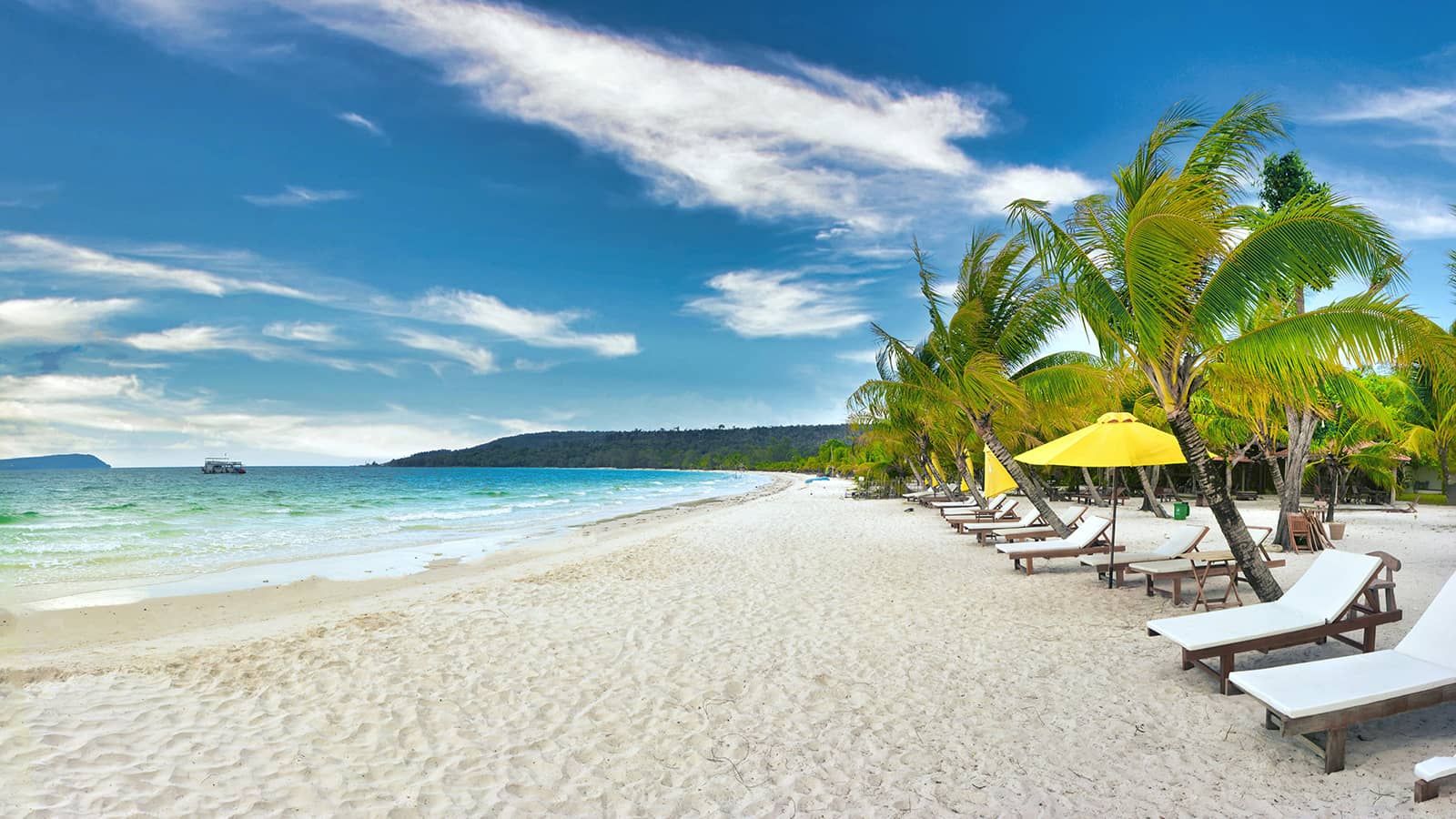
📷 Featured image by Muhamed Sukry on Unsplash.