On this page
- Why Kuching Hits Different
- Knowing Your Neighbourhoods
- What You Absolutely Cannot Skip
- Where Locals Actually Eat
- Getting Around Without Losing Your Mind
- Beyond the City: Day Trips Worth Planning
- Kuching After Dark
- Shopping in Kuching
- Where to Sleep: Areas and Options by Budget
- Timing Your Visit Right
- Ground-Level Practical Tips
- What Kuching Actually Costs in 2026
- Frequently Asked Questions
💰 Click here to see Malaysia Budget Breakdown
💰 Prices updated: August, 2026. Budget figures are estimates — always verify before travel.
Exchange Rate: $1 USD = RM4.03
Daily Budget (per person)
Shoestring: RM100.00 – RM200.00 ($24.81 – $49.63)
Mid-range: RM180.00 – RM400.00 ($44.67 – $99.26)
Comfortable: RM450.00 – RM1,300.00 ($111.66 – $322.58)
Accommodation (per night)
Hostel/guesthouse: RM20.00 – RM70.00 ($4.96 – $17.37)
Mid-range hotel: RM100.00 – RM350.00 ($24.81 – $86.85)
Food (per meal)
Budget meal: RM15.00 ($3.72)
Mid-range meal: RM35.00 ($8.68)
Upscale meal: RM100.00 ($24.81)
Transport
Single metro/bus trip: RM2.00 ($0.50)
Monthly transport pass: RM150.00 ($37.22)
Kuching is one of those cities that genuinely surprises people. Most travellers flying into Borneo have their eyes fixed on orangutans and rainforests, but they end up spending an extra day — sometimes two — just wandering the riverside, eating at hawker stalls, and wondering why they didn’t plan more time here. In 2026, the city is seeing a real uptick in independent travellers skipping the package tours and trying to figure out the place on their own terms. This guide is built for exactly that purpose: no fluff, just everything you need to move through Kuching with confidence.
Why Kuching Hits Different
Kuching is the capital of Sarawak, and Sarawak doesn’t operate like Peninsular Malaysia. The pace is slower, the culture is genuinely layered — Iban, Bidayuh, Melanau, Chinese, Malay, and a dozen other communities sharing the same streets without it feeling performative — and the city is small enough that you can walk most of it in half a day but deep enough that a week won’t exhaust it.
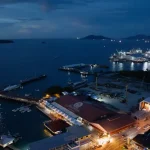
The South Kuching Waterfront stretches along the Sarawak River, and on any given evening you’ll find uncles drinking kopi, kids on bicycles, and the golden glow of the Astana (the governor’s residence) reflecting off the water. The smell of grilled fish drifts from a nearby stall. It doesn’t feel staged. That’s the thing about Kuching — the charm is structural, not cosmetic.
The city also punches above its weight on food, wildlife access, and architecture. Colonial-era shophouses share blocks with Malay timber houses and Chinese clan temples. You’re 30 minutes from one of the most accessible orangutan rehabilitation centres on the planet. And the food is legitimately among the best in Malaysia — a claim Kuchingnites will defend aggressively.
Knowing Your Neighbourhoods
Kuching is compact but its neighbourhoods have distinct personalities. Picking the right base changes the whole experience.

Kuching Waterfront & Old Town
This is the historical and emotional centre of the city. The area around Main Bazaar, Carpenter Street, and the riverfront is walkable, atmospheric, and full of guesthouses, boutique hotels, and the best concentration of restaurants and cafes. It suits first-timers, history lovers, and anyone who wants to walk to most things without needing a Grab every five minutes.
Padungan
Slightly southeast of Old Town, Padungan is where the city’s bar scene and modern café culture concentrates. Jalan Padungan is the main artery — lined with old shophouses converted into cocktail bars, brunch spots, and creative studios. It’s the neighbourhood for younger travellers and anyone interested in Kuching’s contemporary creative scene. Still walkable to the Waterfront.
Kota Samarahan
About 20 kilometres east of central Kuching, this is university territory — home to UNIMAS and a younger, quieter population. Budget accommodation is cheaper here but you’ll need transport for everything. Not the right base for a short trip, but worth knowing if you’re staying longer or visiting someone at the university.
Hikmah Exchange & Tabuan Jaya Area
The commercial suburbs where Kuchingnites actually shop and eat. Less touristy, better for seeing ordinary city life. Grab rides from the Waterfront to here take around 10–15 minutes and cost MYR 10–15.
What You Absolutely Cannot Skip
Sarawak Museum Campus
The Old Sarawak Museum (built 1891) and the New Sarawak Museum, which opened in phases from 2022 and completed its final galleries in 2025, now form one of the best natural history and ethnographic museum complexes in Southeast Asia. The Iban longhouse exhibits, the Orang Ulu artefacts, and the natural history wing are all exceptional. Free entry. Allow at least two hours.
Semenggoh Wildlife Centre
This is the orangutan rehabilitation centre that most people have seen photos of. It’s not a zoo — these are semi-wild animals that come to feeding platforms (twice daily, 9am and 3pm) from the surrounding forest only if they feel like it. During fruiting season (roughly June to September), they may not show up at all because food is abundant in the forest. Outside fruiting season, sightings are almost guaranteed. Entry is MYR 10 for foreigners. Book in advance through the Sarawak Forestry Corporation website.

Bako National Park
Only 37 kilometres from the city, Bako is Sarawak’s oldest national park and genuinely wild. Proboscis monkeys, silvered langurs, bearded pigs, and pitcher plants — all within an hour of a capital city. Trails range from easy 45-minute beach walks to full-day jungle treks. Day trips work but an overnight stay transforms the experience (especially for wildlife at dusk and dawn). Permits required through the Sarawak Forestry website.
Fort Margherita and the Astana
Take the tambang (small river ferry, MYR 1 per person) across the Sarawak River from the Waterfront to reach Fort Margherita. The fort now houses a police museum that’s surprisingly interesting. The Astana next door is the governor’s official residence and not open to the public, but the grounds and views back across the river are worth the short walk.
The Cat Statues
Yes, there’s a reason Kuching (which means “cat” in Malay) has multiple giant cat sculptures around the city. The Great Cat of Kuching at Jalan Padungan is the most famous. They’re a genuinely fun photo stop and reflect the city’s willingness not to take itself too seriously.

Where Locals Actually Eat
Kuching’s food scene operates across hawker centres, kopitiam, night markets, and proper restaurants. Here are the specific spots worth your time.
Top Spot Food Court
A rooftop hawker centre above a car park on Jalan Bukit Mata — this is the definitive Kuching seafood experience. Choose your fish, prawns, or crab from the fresh counters and pick a cooking style. The midin (wild jungle fern) stir-fried with belacan is essential. Loud, busy, and best after 6:30pm when it really comes alive. Budget MYR 40–80 per person including drinks.
Chong Choon Café
Old-school kopitiam on Jalan Padungan, famous for kolo mee — Kuching’s signature dry noodle dish. The noodles come with a light lard-based sauce, minced pork, and char siu. Order it with a soft-boiled egg and a cup of kopi-o. Breakfast or early lunch only. Budget MYR 8–12 per person.
Carpenter Street Evening Stalls
From around 5pm onwards, the street stalls along Carpenter Street in Old Town get going. Satay, grilled corn, laksa (Sarawak laksa is a completely different creature from Penang laksa — coconut milk-based with sambal belacan, prawns, and chicken strips), and various kuih. Eat standing up or grab a plastic stool. Very affordable at MYR 5–15 per dish.
Jalan Song
The suburb of Song is where Kuchingnites go for serious Malay food — nasi campur stalls with an extraordinary range of dishes, grilled fish (ikan bakar), and patin tempoyak (catfish with fermented durian). Take a Grab (about MYR 12–15 from the Waterfront). Best at lunch.
Satok Weekend Market
Saturday evening through Sunday morning, the Satok market operates as both a produce market and a food market. Indigenous jungle vegetables, wild boar meat, exotic fruits, and dozens of food stalls. It’s primarily for locals and the range of produce is genuinely eye-opening. Go early Sunday morning for the full energy.

Night Markets (Pasar Malam)
The Kubah Ria night market (near the Waterfront, nightly) and the Pending night market (further out, best on weekends) are both solid. The Kubah Ria is more accessible for visitors and has a good range of grilled meats, fried snacks, and sugar cane juice.
Getting Around Without Losing Your Mind
From the Airport
Kuching International Airport is about 12 kilometres from the city centre. Grab is the easiest option — budget MYR 18–25 for the ride, which takes 20–30 minutes depending on traffic. Official airport taxis use a coupon system at the arrival hall: MYR 35–45 to the Waterfront area. There’s no rail link to the airport in 2026, though a bus service (Bus 12A) runs to the city centre for MYR 3 but is slow and infrequent.
Within the City
Grab is the dominant ride-hailing platform and works reliably in Kuching. Most trips within the central area cost MYR 8–18. The Old Town and Waterfront area is genuinely walkable — the riverside promenade, Main Bazaar, Carpenter Street, and Padungan are all within 20 minutes on foot of each other.
Kuching does not have an MRT or LRT system. There are local Rapid Kuching buses (route information available on the MyRapid app), but schedules are inconsistent and the network isn’t particularly visitor-friendly. Grab or renting a car (from around MYR 80–120/day) makes more sense for day trips to Semenggoh or further destinations.
River Taxis (Tambang)
The small wooden boats that cross the Sarawak River between the South Waterfront and the North Waterfront (where Fort Margherita and the Astana are located) cost just MYR 1 per person. They run during daylight hours. It’s a legitimate part of daily life in Kuching, not a tourist attraction, and it remains one of the best-value moments in the city.

Beyond the City: Day Trips Worth Planning
Bako National Park (Full Day)
Take a Grab or taxi to Bako Bazaar (about 30 minutes, MYR 30–40), then a boat to the park (MYR 25–40 per boat, shared if others are going). Entry permit MYR 20. Plan for a full day — the Paku trail, the mangrove boardwalk, and the beach at Telok Assam are all worth doing. If you go for just one day trip from Kuching, make it Bako.
Semenggoh Wildlife Centre (Half Day)
Combine with a morning market visit or an afternoon at the Sarawak Museum. Drive or Grab to Semenggoh (about 25 minutes, MYR 25–35). Attend either the 9am or 3pm feeding session. Back in the city well within half a day.
Wind Cave and Fairy Cave, Bau (Half to Full Day)
About 45 kilometres southwest of Kuching, these limestone cave systems near the small town of Bau are spectacular and very few visitors make the trip. Wind Cave has a river running through it — cool air, dramatic stalactites. Fairy Cave is a massive cathedral-like cavern with a small Hindu shrine inside. Rent a car or hire a driver (MYR 150–200 for the day). Entry to both caves is MYR 5 each.
Kampung Benuk Bidayuh Longhouse (Half Day)
About 30 kilometres from Kuching, Kampung Benuk is one of the most accessible traditional Bidayuh longhouses in Sarawak. It’s not a cultural theme park — people actually live here. You can visit with a local guide (book through guesthouses in Kuching or operators like Borneo Authentica). Expect to pay MYR 80–150 per person including guide and transport.
Damai Beach and Santubong (Half Day)
The Santubong Peninsula, about 35 kilometres north of Kuching, has quiet beaches, the Permai Rainforest Resort, and good hiking on Gunung Santubong. The Sarawak Cultural Village (a living museum of traditional Sarawak architecture) is also here, though it’s quite tourist-oriented. The beach itself is calm and rarely crowded on weekdays.

Kuching After Dark
Kuching doesn’t have a frenetic nightlife scene, but what it does have is genuine and unpretentious.
Jalan Padungan Bar Strip
The stretch of Jalan Padungan between the roundabout and Jalan Bukit Mata is lined with bars and late-night cafes. Ruai Bar is a local favourite with a terrace, live acoustic music on weekends, and a good selection of local craft beers. Black Bean Coffee & Tea Culture doesn’t serve alcohol but is a beloved late-night spot for the creative crowd.
Rooftop Drinking
The rooftop bar at the Pullman Kuching (in Padungan) has city views and a decent cocktail list — expect to pay MYR 30–55 for a cocktail. The Merdeka Palace Hotel bar is more old-world and affordable, a favourite of government types and journalists.
Waterfront Evening Walk
This is genuinely Kuching’s best evening activity and it costs nothing. The promenade is busy from 7pm onwards — families, couples, food cart vendors, and musicians. Grab a fresh coconut (MYR 5–7) and just walk. The Dewan Tun Abdul Razak building is lit up at night and the river reflects it beautifully.
Cultural Performances
The Sarawak Cultural Village at Santubong runs evening cultural shows (MYR 120 including dinner) with Iban, Bidayuh, Melanau, and Orang Ulu performances. It’s the most accessible way to see traditional dance and music if you’re not catching a festival.
Shopping in Kuching
Main Bazaar
The row of shophouses along the Waterfront is ground zero for Sarawak handicrafts. Pua kumbu (Iban woven textiles), beaded jewellery, hornbill carvings, and Penan basketry fill the shops. Quality varies enormously. Mohamed Yahia & Sons and the shops around Jalan Carpenter have been reliable for authentic pieces for decades. Prices for good pua kumbu start around MYR 300 and go well above MYR 1,000 for older collector pieces.

Satok Weekend Market
Beyond the food, Satok also sells live plants, traditional herbal medicines, handmade tools, and cheap clothing. It’s raw and chaotic and completely worth a Sunday morning visit.
Sarawak Craft Council Shop
On the Waterfront, the official craft council outlet guarantees authenticity and fair trade pricing for all items. Prices are fixed (no bargaining) but you can be confident you’re buying the real thing. Good for gifts and smaller items like woven rattan key rings, Orang Ulu beadwork, and ceramic pieces.
Spring Shopping Mall & Hikmah Exchange
For everyday shopping — clothing, electronics, pharmacies, supermarkets — Spring and Hikmah are where locals go. Both are about 10–15 minutes from the Waterfront by Grab. Cold Storage at Spring stocks imported goods if you need specific items.
Where to Sleep: Areas and Options by Budget
Budget (MYR 60–130/night)
The Old Town and Carpenter Street area has the best concentration of budget guesthouses. Threehouse B&B and Singgahsana Lodge have both maintained good reputations over the years with clean rooms, helpful staff, and genuinely good location. Dorm beds run MYR 40–70, private rooms MYR 90–130.
Mid-Range (MYR 150–350/night)
Padungan and the Waterfront area offer the best mid-range options. The Waterfront Hotel (directly on the riverfront) and Abell Hotel (Jalan Tun Abang Haji Openg) are solid choices with proper amenities, good Wi-Fi, and locations that make walking to food and sights easy. Expect MYR 180–280 for a clean, comfortable room.
Comfortable (MYR 400–700/night)
The Pullman Kuching is the city’s most reliable upscale option — pool, good gym, multiple restaurants, and a genuinely helpful concierge team. The Merdeka Palace, while older, has colonial character and a loyal following. For something boutique, the Ranee Boutique Suites on the Waterfront is housed in a restored 19th-century building with individually decorated rooms starting around MYR 380.

Timing Your Visit Right
Weather and Seasons
Kuching sits near the equator and is warm year-round (26–34°C). The wettest months are November through January — expect heavy afternoon downpours and occasional flooding near low-lying areas. The driest and most pleasant period is typically April through September, with June and July being particularly good. Humidity is always high regardless of season, so pack light, breathable clothing.
Festivals Worth Timing Around
The Rainforest World Music Festival at the Sarawak Cultural Village typically runs over three days in late July or early August. In 2026, dates fall in the last weekend of July. It’s genuinely one of the best music festivals in Southeast Asia — world music acts from across the globe performing against a rainforest backdrop. Book accommodation six to eight weeks in advance if you’re planning around this event.
Gawai Dayak (June 1–2) celebrates the Iban and Bidayuh harvest. It’s a public holiday in Sarawak and the city feels festive — longhouses open their doors and some local guesthouses can arrange visits. Kuching Festival runs through August and combines food events, cultural performances, and a major food fair at the Kuching Waterfront area.
Avoiding Crowds
Malaysian school holidays (March, late May–June, August, and November–December) bring a spike in domestic tourism. Bako and Semenggoh in particular get busy. Shoulder months of February–March and October are sweet spots — decent weather, fewer crowds, and competitive accommodation prices.
Ground-Level Practical Tips
Safety
Kuching is one of Malaysia’s safest cities. Petty theft exists but is not common. The usual caution applies — don’t leave valuables visible in parked cars, watch your bag in crowded markets. The Waterfront and Old Town areas are well-lit and populated until late evening.
Language
English is widely spoken in Kuching — more so than in many parts of Peninsular Malaysia. Malay is the official language, and Mandarin, Hokkien, and Foochow are common in Chinese community areas. Learning a few Malay phrases goes down well: terima kasih (thank you), tolong (please/help), berapa harga? (how much?). The Iban phrase selamat datai (welcome) will get you a genuine smile.

SIM Cards
Pick up a tourist SIM at the airport from Celcom, Maxis, or U Mobile. In 2026, a 30-day data SIM with 30–50GB costs around MYR 30–50. Coverage in the city is excellent. In Bako National Park, signal drops significantly in the interior.
Water and Food Safety
Don’t drink tap water in Kuching. Bottled water is cheap (MYR 1–2) and available everywhere. Food hygiene at most hawker centres and kopitiams is generally good — places with high turnover are your safest bet.
Tipping
Tipping is not customary in Malaysia. A 6% SST (Sales and Service Tax) is added at most restaurants. At hawker stalls and kopitiams, no tipping expected. If you received exceptional service at a hotel or tour, rounding up is appreciated but never obligatory.
Business Hours and Sunday Closures
Some Chinese-run shops and kopitiams close on Sunday or Monday. Government offices and some museums close on Fridays (the Sarawak government follows the Friday-Saturday weekend for some services, a legacy of administrative structure). Check ahead for the Sarawak Museum — confirm opening hours on arrival as maintenance closures do happen.
What Kuching Actually Costs in 2026
Budget Traveller — MYR 100–160 per day
- Dorm bed or cheap guesthouse: MYR 45–70
- Three meals at hawker stalls and kopitiams: MYR 25–35
- Grab rides and transport: MYR 15–25
- Entry fees (Sarawak Museum is free, Semenggoh MYR 10): MYR 10–20
- Miscellaneous (water, snacks, market items): MYR 10–15
Mid-Range Traveller — MYR 280–450 per day
- Mid-range hotel (Waterfront or Padungan area): MYR 180–280
- Mix of hawker meals and one proper restaurant dinner: MYR 60–90
- Grab rides plus one day trip (e.g., Bako): MYR 60–100
- Entry fees and activities: MYR 30–60
- Shopping and extras: MYR 30–80

Comfortable Traveller — MYR 600–1,100+ per day
- Pullman or Ranee Boutique Suites: MYR 380–700
- Meals including Top Spot seafood dinners and café brunches: MYR 120–200
- Private driver for day trips: MYR 150–200
- Cultural shows, premium tours, handicraft shopping: MYR 100–300+
Honest note: Kuching is one of the more affordable capitals in Malaysia. A couple travelling mid-range can eat very well, cover major attractions, and take two day trips for under MYR 700 per day combined — which by Southeast Asian city standards is genuinely good value for the quality on offer.
Frequently Asked Questions
How many days do I need in Kuching?
Three full days covers the city itself, Semenggoh, and a half-day at Bako. Four to five days lets you add the caves near Bau, a longhouse visit, and proper time in the markets without rushing. If you’re combining Kuching with Mulu or the Kelabit Highlands, plan at least five days in the city region alone.
Is Kuching easy to travel without a tour group?
Yes — Kuching is one of the most independent-traveller-friendly cities in Malaysian Borneo. Grab works well, English is widely spoken, and the main attractions (Sarawak Museum, Bako, Semenggoh) all have online booking systems in 2026. You only really need a guided tour for longhouse visits and deeper jungle experiences.
What is the best way to get from Kuala Lumpur to Kuching?
Flying is the only practical option. Malaysia Airlines, AirAsia, and Batik Air all operate the KL–Kuching route multiple times daily. Flight time is around two hours. Budget fares start from MYR 120–180 one way if booked in advance; full-service fares run MYR 300–500+. There are no trains or ferry connections from the Peninsula to Sarawak.
When is the best time to visit Kuching for orangutan sightings at Semenggoh?
The best months for reliable orangutan sightings at Semenggoh are October through May, when food in the forest is less abundant and the orangutans come to the feeding platforms more consistently. During the fruiting season (roughly June–September), sightings are less guaranteed, though not impossible. Always attend both the morning and afternoon sessions if your schedule allows.
Is Kuching safe for solo female travellers?
Kuching has a strong track record for solo female safety. The city is conservative in parts but not restrictive, and the Waterfront and central areas are busy and well-lit throughout the evening. Standard precautions apply — share Grab trip details with someone, avoid poorly lit areas at night, and trust your instincts. Most travellers report feeling very comfortable here.
Explore more
10 Must-Do Day Trips from Kuching, Malaysia
15 Must-Do Things in Kuching: Your Essential Sarawak Bucket List
How to Spend 3 Days in Kuching: The Perfect Itinerary for First-Timers
Bako National Park Day Trip from Kuching: Everything You Need to Know
How to Get Around Kuching: Taxis, Grab, and Public Transport Options
Kuching on a Budget: How to Explore Sarawak Without Breaking the Bank
The Ultimate Guide to Kuching Day Trip Destinations
Beyond the Mainstream: 7 Unique & Hidden Gems in Kuching You Can’t Miss
Is the Sarawak Cultural Village Worth Visiting? A Full Review
Exploring the Kuching Waterfront: Activities, Food & Evening Strolls
📷 Featured image by Muhamed Sukry on Unsplash.