On this page
- Sabah in 2026: Still Wild, Still Worth Every Ringgit
- The Wild Personality of Sabah — Why Borneo Hits Different
- Best Base Towns in Sabah — Where to Plant Yourself
- Top Natural Attractions and Adventures in Sabah
- Where to Eat in Sabah — Markets, Hawkers, and Seafood Jetties
- Getting Around Sabah — Flights, Roads, Boats, and Grab
- Day Trips from Kota Kinabalu
- After Dark in Sabah — Bars, Night Markets, and Cultural Performances
- Shopping in Sabah — What to Buy and Where to Find It
- Where to Stay in Sabah — Budget to Jungle Luxury
- Best Time to Visit Sabah
- Practical Travel Tips for Sabah in 2026
- Sabah Budget Breakdown 2026 — Daily Costs in MYR
- Frequently Asked Questions
💰 Click here to see Malaysia Budget Breakdown
💰 Prices updated: August, 2026. Budget figures are estimates — always verify before travel.
Exchange Rate: $1 USD = RM4.03
Daily Budget (per person)
Shoestring: RM100.00 – RM200.00 ($24.81 – $49.63)
Mid-range: RM180.00 – RM400.00 ($44.67 – $99.26)
Comfortable: RM450.00 – RM1,300.00 ($111.66 – $322.58)
Accommodation (per night)
Hostel/guesthouse: RM20.00 – RM70.00 ($4.96 – $17.37)
Mid-range hotel: RM100.00 – RM350.00 ($24.81 – $86.85)
Food (per meal)
Budget meal: RM15.00 ($3.72)
Mid-range meal: RM35.00 ($8.68)
Upscale meal: RM100.00 ($24.81)
Transport
Single metro/bus trip: RM2.00 ($0.50)
Monthly transport pass: RM150.00 ($37.22)
Sabah in 2026: Still Wild, Still Worth Every Ringgit
Getting to Sabah has never been easier, but the state itself refuses to be tamed. After AirAsia expanded its Kota Kinabalu routes in late 2024 and Malaysia Airports upgraded KKIA’s Terminal 1 in early 2025, visitor numbers have surged — and with that comes new pressure on permit systems for Mount Kinabalu and Sipadan diving slots. If you’re planning a Sabah trip in 2026 without booking those permits months ahead, you will be disappointed. That’s the honest reality. But get the logistics right, and this corner of Malaysian Borneo still delivers the kind of wildlife encounters, underwater scenery, and raw jungle experiences that simply do not exist anywhere else in Malaysia.
The Wild Personality of Sabah — Why Borneo Hits Different
Sabah sits on the northern tip of Borneo, the world’s third-largest island, shared between Malaysia, Indonesia, and Brunei. It does not feel like the rest of Malaysia. There is no MRT. There are no neon-lit megamalls dominating the skyline. What Sabah has instead is a coastline dotted with dive sites, rivers where pygmy elephants drink at dusk, and a 4,095-metre granite peak that catches clouds above the jungle canopy.
Kota Kinabalu — everyone calls it KK — is the capital and your logistical hub. It’s a relaxed, slightly chaotic waterfront city where you can watch the South China Sea turn amber at sunset while eating grilled stingray from a plastic stool. Beyond KK, the distances are long and the infrastructure thins out fast. Sandakan on the east coast is the gateway to orangutan rehabilitation and Bornean pygmy elephants. Semporna, further south, is where you catch the boat to Sipadan, one of the world’s top ten dive sites. These are not interchangeable destinations — each requires its own planning.
What ties it all together is the Kadazan-Dusun and Bajau culture layered across the state, a cuisine that mixes indigenous ingredients with Filipino and Chinese influences, and a biodiversity so dense that new species are still being formally described here every year.
Best Base Towns in Sabah — Where to Plant Yourself
Kota Kinabalu
Most trips start and end in KK. It has the international airport, the widest choice of accommodation, and the best transport connections. The waterfront area around the Esplanade and Signal Hill is walkable and pleasant. KK suits first-timers, families, and anyone combining Sabah with a Peninsula Malaysia itinerary. Stay here if your focus is Mount Kinabalu, island hopping in the marine park, or using the city as a hub for day trips.
Sandakan
Sandakan is rougher around the edges and far less visited by international tourists, which works in its favour. You’re here for the Sepilok Orangutan Rehabilitation Centre, the Sun Bear Conservation Centre, and boat trips down the Kinabatangan River. Accommodation quality has improved noticeably since 2024 with several mid-range guesthouses opening near the town centre. Sandakan suits wildlife-focused travellers willing to trade comfort for access.
Semporna
Semporna itself is a small fishing town that exists primarily as a jumping-off point for the Celebes Sea dive sites. The town has limited appeal beyond logistics — it’s Sipadan, Mabul, and Kapalai that draw people here. Most divers stay on Mabul Island at one of the dive resorts rather than in Semporna proper. Be aware that the eastern Sabah coastline around Semporna has historically had travel advisories relating to maritime security — check your government’s current advice before visiting in 2026.
Lahad Datu
This is the access point for Danum Valley Conservation Area, one of the oldest lowland rainforests on Earth. Lahad Datu has little to offer tourists itself, but the jungle lodge inside Danum Valley — Borneo Rainforest Lodge — is one of the finest wildlife lodges in Southeast Asia. You’ll need to book far in advance and arrange transport from the town.
Top Natural Attractions and Adventures in Sabah
Mount Kinabalu
Southeast Asia’s highest peak sits inside Kinabalu Park, a UNESCO World Heritage Site. The standard two-day summit climb requires an overnight stay at Laban Rata or Pendant Hut at around 3,270 metres before the pre-dawn push to the summit. Permits sell out months in advance — the Sabah Parks online system opens bookings six months ahead, and popular dates (school holidays, long weekends) disappear within days. In 2026, summit permits are priced at MYR 200–300 per person depending on the route, plus guide fees. The air at the summit smells like cold granite and thin cloud, and on a clear morning the shadow of the mountain stretches west across the jungle all the way to the sea.
Kinabatangan River Wildlife Corridor
The Kinabatangan is the best place in Sabah to see wildlife without extreme trekking. Early-morning and dusk boat cruises regularly turn up proboscis monkeys crashing through riverside trees, oriental pied hornbills cutting across the sky, and occasionally Bornean pygmy elephants on the muddy banks. The river lodges around Sukau and Bilit provide guided cruises. Budget two nights minimum to maximise wildlife encounters.
Sepilok Orangutan Rehabilitation Centre
The twice-daily feeding platforms at Sepilok are genuinely moving — watching a juvenile orangutan climb down for a banana, wobbling with uncertainty, is not something you forget. The adjacent Borneo Sun Bear Conservation Centre is smaller but equally compelling. Both sites are a short taxi ride from Sandakan. Arrive before feeding time (10am and 3pm) to secure a good viewing position.
Danum Valley
This is primary rainforest — untouched, cathedral-tall, and extraordinary. Night drives here produce encounters with sleeping birds, flying lemurs, and civet cats. Day hikes explore ancient dipterocarps with buttress roots wider than a car. The access restriction (only Borneo Rainforest Lodge guests and researchers are permitted) keeps visitor numbers low, which means the jungle feels genuinely remote. It is not cheap, but it is irreplaceable.
Sipadan Island Diving
Sipadan is protected — no accommodation exists on the island and only 120 dive permits are issued per day. These are distributed through the licensed dive resorts on Mabul Island. Visibility regularly exceeds 30 metres, and the wall dives drop into deep blue with hammerheads, turtles, and barracuda tornadoes. Book your Mabul resort at least four to six months ahead in 2026 and confirm that your package includes Sipadan permits before paying any deposit.
Where to Eat in Sabah — Markets, Hawkers, and Seafood Jetties
KK Filipino Market and Waterfront
The Filipino Market on Jalan Tun Fuad Stephens is chaotic, smoky, and essential. The upper level is handicrafts and pearls; the ground level at night transforms into a grilled seafood feast. Point at the fresh catch — stingray, tiger prawns, squid — negotiate a price per 100 grams, choose your sauce, and take a seat at one of the plastic tables crammed into the narrow lanes. The smell of charcoal and garlic butter hangs in the warm evening air. Budget MYR 40–80 per person with drinks.
Gaya Street Food Scene
Gaya Street in central KK has a concentration of old-school kopitiams and hawker stalls that open early and close by early afternoon. The Sunday Market on Gaya Street (active since the colonial era) runs weekly from 6am to around midday — it’s primarily a produce and craft market, but the surrounding stalls serve Kadazan-Dusun breakfasts including hinava (raw fish cured with lime and ginger). Come hungry and early.
Sandakan Night Market
The night market along Jalan Pryer and the waterfront area near the harbour serves excellent grilled seafood, rojak, and local kuih. Sandakan’s Filipino-influenced food scene means you’ll also find fresh barbecued corn, skewered meats, and seafood soups not commonly found in KK. Prices are lower here than in KK — a full dinner for two rarely exceeds MYR 50.
Centre Point Basement Food Court, KK
For cheap, reliable local food in an air-conditioned setting, the basement food court at Centre Point mall on Jalan Centre Point is hard to beat. Noodles, rice dishes, Indian Muslim stalls, and fresh juice vendors — a full meal with a drink runs MYR 8–15. It’s where office workers eat lunch, which is always a good sign.
Sri Melati and Kampung Air Seafood Restaurants
The stilt village district of Kampung Air near KK’s waterfront has several seafood restaurants built on wooden platforms over the water. These suit visitors who want a sit-down dinner with a proper menu rather than the point-and-grill approach of the Filipino Market. Fresh butter prawns, steamed grouper, and clams in egg sauce are standard orders. Budget MYR 60–120 per person.
Getting Around Sabah — Flights, Roads, Boats, and Grab
Sabah is large. Driving from KK to Sandakan takes roughly four to five hours on a good day, and to Semporna it’s eight to nine hours. For most travellers, internal flights are the sensible choice for long-distance legs. MASwings and AirAsia connect KK with Sandakan, Tawau (nearest airport to Semporna), and Lahad Datu. Fares are cheap when booked ahead — MYR 60–180 one-way on most routes.
Within KK, Grab operates reliably and is the standard way to get around. Fares within the city are MYR 8–20 for most journeys. The city centre is walkable in the mornings before the heat builds, but you’ll want Grab once temperatures climb past 32°C by mid-morning.
For the Kinabalu Park climb, most visitors hire a private car or join a transfer through their guesthouse (MYR 80–150 from KK to Kinabalu Park). Public buses also run from Inanam Bus Terminal in KK to Ranau, stopping at the park — the cheapest option at around MYR 15–20, but timings are less flexible.
Between Semporna and the dive islands, speedboats are the only option. These are arranged through your dive resort. From Tawau Airport to Semporna, expect a 45-minute taxi journey costing MYR 80–120.
Car hire is practical for exploring the KK surroundings and the west coast. Rates start at MYR 120–180 per day for a basic sedan. Roads between KK and Kota Belud are well-maintained; roads in the interior deteriorate significantly after rain. A 4WD is recommended if you’re venturing off the main highway.
Day Trips from Kota Kinabalu
Tunku Abdul Rahman Marine Park
Five islands sit within 45 minutes by boat from KK’s town jetty. Sapi and Manukan are the most visited, with decent snorkelling over coral gardens, white sand beaches, and water sports hire. Day tickets include the MYR 10 park fee. Full day trips with snorkelling gear run MYR 30–60 per person depending on the operator. Arrive early — by 11am the beaches get crowded with domestic tourists.
Klias Wetlands Firefly Tour
About 90 kilometres south of KK, the Klias River mangroves host one of Sabah’s most underrated spectacles: synchronised fireflies illuminating the riverbanks after dark. Tours typically include a proboscis monkey river cruise at dusk and a dinner stop. Departures from KK are usually around 1–2pm, returning by 10pm. Day trip packages run MYR 100–180 per person.
Mengkabong Water Village and Tuaran
Mengkabong is a traditional Bajau Laut stilt village about 25 kilometres north of KK near Tuaran. A brief chartered boat ride through the network of plank walkways connecting the houses, followed by lunch in Tuaran town (famous for its Tuaran mee — springy noodles fried dry with egg), makes for a low-key but authentic half-day trip.
Kundasang and Kinabalu Park
Even if you’re not climbing Kinabalu, a day trip to the park and the nearby Kundasang War Memorial — a quiet, moving tribute to the WWII death marches — is worthwhile. The views of the mountain on a clear morning from the Kundasang vegetable farms are spectacular. A local market in Kundasang sells fresh highland produce including strawberries, temperate vegetables, and mountain honey.
After Dark in Sabah — Bars, Night Markets, and Cultural Performances
KK’s nightlife is concentrated around the Waterfront Esplanade and the streets behind it. The stretch of bars and restaurants along Jalan Tun Fuad Stephens comes alive after 8pm with live acoustic music, open-air tables, and cold Sabah-brewed beer (look for Birra Kinabalu, the local craft label that expanded its distribution across Sabah in 2025). Shenanigans Irish Bar and the Cock & Bull on the Waterfront are the longstanding spots where travellers and expats mix.
The Night Market (Pasar Malam) at KK’s Sinsuran area operates nightly from around 6pm and is more about eating than entertainment — satay, grilled corn, fresh-cut fruit, and kuih muih stalls stretch along the covered walkways. It’s an excellent place to wander with no agenda.
Kulintangan (brass gong) and sumazau dance performances by Kadazan-Dusun cultural groups are occasionally staged at KK’s Mari Mari Cultural Village, a short drive from the city centre. This is not spontaneous street performance — it requires booking a tour — but the experience of watching the sumazau performed by people for whom it is a living tradition rather than a tourist show is genuinely different from anything you’d see on the Peninsula.
Shopping in Sabah — What to Buy and Where to Find It
Gaya Street Sunday Market
Weekly, early morning, and worth rearranging your schedule for. Alongside produce stalls, you’ll find vendors selling Kadazan-Dusun beadwork, woven baskets, traditional textiles, and seedai (tribal coins used as jewellery). Prices are negotiable. Go before 9am for the best selection before the crowd arrives.
Filipino Market Handicraft Section
The upper level of the Filipino Market is the most concentrated spot in KK for Bornean handicrafts: blowpipes, tribal masks, woven mats, pearls from Semporna, and wooden hornbill carvings. Quality ranges from mass-produced to genuinely handmade — take your time comparing pieces. Freshwater pearl sets are a popular buy, starting around MYR 30 for simple earrings up to MYR 500+ for necklace sets.
Suria Sabah Shopping Mall
Located on the KK waterfront, Suria Sabah is the most complete shopping mall in the state. It has an MPH bookstore (good for books on Bornean wildlife and indigenous cultures), a well-stocked Guardian pharmacy, clothing chains, and a basement supermarket useful for stocking up on snacks before a jungle trip. Nothing here is unique to Sabah, but it’s practical.
Handicraft Market at KK Waterfront
The permanent covered handicraft market adjacent to the waterfront sells a curated range of Sabahan crafts, including songket fabric from the Bajau community, locally produced essential oils, and Murut bamboo weaving. Some stalls are run by artisan cooperatives linked to rural communities — these are generally the best value for authentic pieces.
Where to Stay in Sabah — Budget to Jungle Luxury
Budget (MYR 60–150 per night)
KK has a decent selection of clean, central guesthouses and budget hotels along Jalan Gaya, Jalan Pantai, and around the waterfront. Borneo Backpackers and similar hostels in the Signal Hill area offer dorms from MYR 40–60 per night. In Sandakan, budget hotels cluster near the Padang or along Leila Road. Expect basic rooms, strong air-conditioning, and limited services.
Mid-Range (MYR 200–500 per night)
This tier covers the comfortable business hotels in KK — the Le Méridien KK, Jesselton Hotel (which underwent renovations completed in 2025 and restored its 1950s colonial character), and Promenade Hotel. In the Kinabatangan area, mid-range river lodges like Sukau Rainforest Lodge offer comfortable chalets with meals and guided wildlife cruises included.
Luxury and Specialist Lodges (MYR 700–2,500 per night)
Shangri-La Tanjung Aru Resort outside KK remains the top full-service beach resort option. For serious wildlife enthusiasts, Borneo Rainforest Lodge in Danum Valley sits in a category of its own — it’s expensive (packages start around MYR 1,800 per person per night with meals and guides) but access to primary rainforest with expert naturalist guides justifies the price. On Mabul Island, the smart dive resorts (Mabul Water Bungalows, Sipadan Mabul Resort) run MYR 900–1,500 per night including dive packages.
Best Time to Visit Sabah
Sabah sits close to the equator, which means two things: it’s warm year-round, and rainfall is distributed across the year rather than falling in a single monsoon block. That said, seasons do matter.
March to October is generally the driest and most reliable period for most activities. The South China Sea off the west coast is calm, making island trips from KK pleasant. Sipadan diving conditions peak between April and August when visibility is sharpest and sea conditions are calmest.
November to February brings the northeast monsoon, particularly affecting the east coast. Seas around Semporna become rougher, and some dive resorts suspend Sipadan transfers in December and January. The west coast and KK remain relatively dry during this period.
Mount Kinabalu can be climbed year-round, but December to February sees more rain and mist at the summit. The best chances of a clear summit view are May to September. The mountain was temporarily closed in 2024 for trail maintenance — check Sabah Parks’ official announcements closer to your trip for any scheduled closures in 2026.
Kaamatan Festival — the Kadazan-Dusun harvest festival — takes place throughout May, culminating in the last two days of the month with the Unduk Ngadau beauty pageant and traditional games in Penampang and Kota Belud. This is one of the most genuine cultural festival experiences in Malaysia, drawing participation from indigenous communities across the state rather than being staged for tourists.
Practical Travel Tips for Sabah in 2026
- Eastern Sabah security: The Semporna/Lahad Datu/Sandakan coastal zone has had intermittent travel advisories related to kidnapping incidents involving pirates from the southern Philippines. The situation has been stable for several years but check your government’s official travel advisory before finalising plans to the eastern coast.
- SIM cards: Buy a Celcom or Maxis SIM at KKIA on arrival (MYR 30–50 for 30 days with generous data). Coverage in KK and Sandakan is strong. Coverage in the jungle interior and on river trips is minimal to zero — download offline maps and accommodation details before leaving town.
- Cash: KK has ATMs everywhere. Sandakan has adequate ATMs in the town centre. Semporna has limited ATM access — withdraw cash in Tawau before travelling to the dive resorts. Most jungle lodges and dive resorts are cashless at the property level (pre-payment via bank transfer) but carry cash for incidentals.
- Altitude sickness: The Kinabalu climb reaches over 4,000 metres. Headaches and nausea at altitude are common even for fit climbers. Ascend at a steady pace, drink 3+ litres of water on summit day, and do not rush. Your guide will advise you to slow down — listen to them.
- Leech socks and insect repellent: Non-negotiable for any jungle trekking. Land leeches in Sabah’s forests are tiny, fast, and determined. Proper leech socks (sold at outdoor stores in KK for MYR 15–25) are more effective than any spray. Long-sleeved lightweight shirts are practical in the jungle even in heat.
- Water: Tap water in Sabah is not reliably safe to drink. Drink filtered or bottled water. Most lodges and guesthouses provide refill stations — use them rather than buying single-use plastic bottles.
- Tipping: Not expected or practiced widely in Sabah, but guides at Danum Valley, Kinabatangan, and Sepilok work hard and a tip of MYR 20–50 per day is genuinely appreciated.
Sabah Budget Breakdown 2026 — Daily Costs in MYR
Budget Traveller — MYR 130–200 per day
- Dorm bed or basic guesthouse room: MYR 40–80
- Meals at hawker stalls, kopitiams, and food courts: MYR 30–50
- Grab rides within KK: MYR 15–30
- Entrance fees (Sepilok, city park visits): MYR 15–30
- Note: Budget travel in Sabah is limited once you leave KK — guided wildlife tours, jungle lodges, and dive resorts are not budget-compatible
Mid-Range Traveller — MYR 400–700 per day
- Comfortable hotel or mid-range river lodge: MYR 200–400
- Mix of restaurant meals and hawker dining: MYR 80–120
- Guided day tours (Klias, TAR Marine Park, Kinabatangan cruise): MYR 100–200
- Transport (car hire, internal flights): MYR 60–150
Comfortable/Premium Traveller — MYR 1,200–3,000+ per day
- Danum Valley Borneo Rainforest Lodge or equivalent (includes meals, guides): MYR 1,800–2,500 per person
- Sipadan dive resort on Mabul with Sipadan permits: MYR 900–1,500
- Shangri-La Tanjung Aru or equivalent KK luxury resort: MYR 700–1,200
- Private transfers and specialist guides: MYR 200–400
The honest reality of Sabah: the experiences that make it extraordinary — Sipadan diving, Danum Valley, guided Kinabatangan wildlife cruises — cost real money. Budget travel in KK is very possible. Budget travel into the genuine wild heart of Sabah is not. Factor this into your planning rather than discovering it on arrival.
Frequently Asked Questions
Do I need a visa to visit Sabah in 2026?
Sabah is part of Malaysia, so standard Malaysia visa rules apply. Most passport holders from Europe, Australia, the US, and ASEAN nations receive a 30 to 90-day visa-free entry stamp. Note that Sabah operates its own immigration controls — you receive a separate Sabah entry stamp even if you’ve already entered Malaysia through KL. Your passport must be valid for at least six months from your entry date.
How far in advance should I book Mount Kinabalu permits?
In 2026, book a minimum of three to four months ahead for any date, and five to six months ahead for peak periods including school holidays, public holidays, and weekends in June to August. The Sabah Parks online portal opens slots six months before each date. Availability closer to your travel date is extremely rare without paying a premium through a licensed operator.
Is Sipadan diving worth the cost and effort to get there?
For serious divers, yes without question. Sipadan’s wall dives deliver marine life density — hammerhead sharks, turtles sleeping in caves, enormous barracuda schools — that most dive sites in Southeast Asia cannot match. The logistics are significant and costs are high, but divers who’ve dived globally consistently rate Sipadan among the finest sites on the planet. Non-divers have limited reason to travel to Semporna.
Is Sabah safe for solo travellers?
KK and the west coast are safe and comfortable for solo travellers including solo women. Sandakan is manageable with basic urban awareness. The eastern coastal zone around Semporna and Lahad Datu requires checking current government travel advisories before visiting — the situation has been stable in recent years but the risk profile differs meaningfully from the west coast. Jungle lodge and dive resort settings are safe and supervised environments.
What is the single best experience in Sabah for a first-time visitor?
A two-night stay at a Kinabatangan river lodge gives you the most accessible introduction to Borneo’s wildlife — probable orangutan, proboscis monkey, and hornbill sightings, plus the immersive experience of the jungle at dawn. It pairs easily with a Sepilok visit from Sandakan and requires no specialist skills or extreme fitness, making it the most rewarding experience-to-effort ratio in all of Sabah.
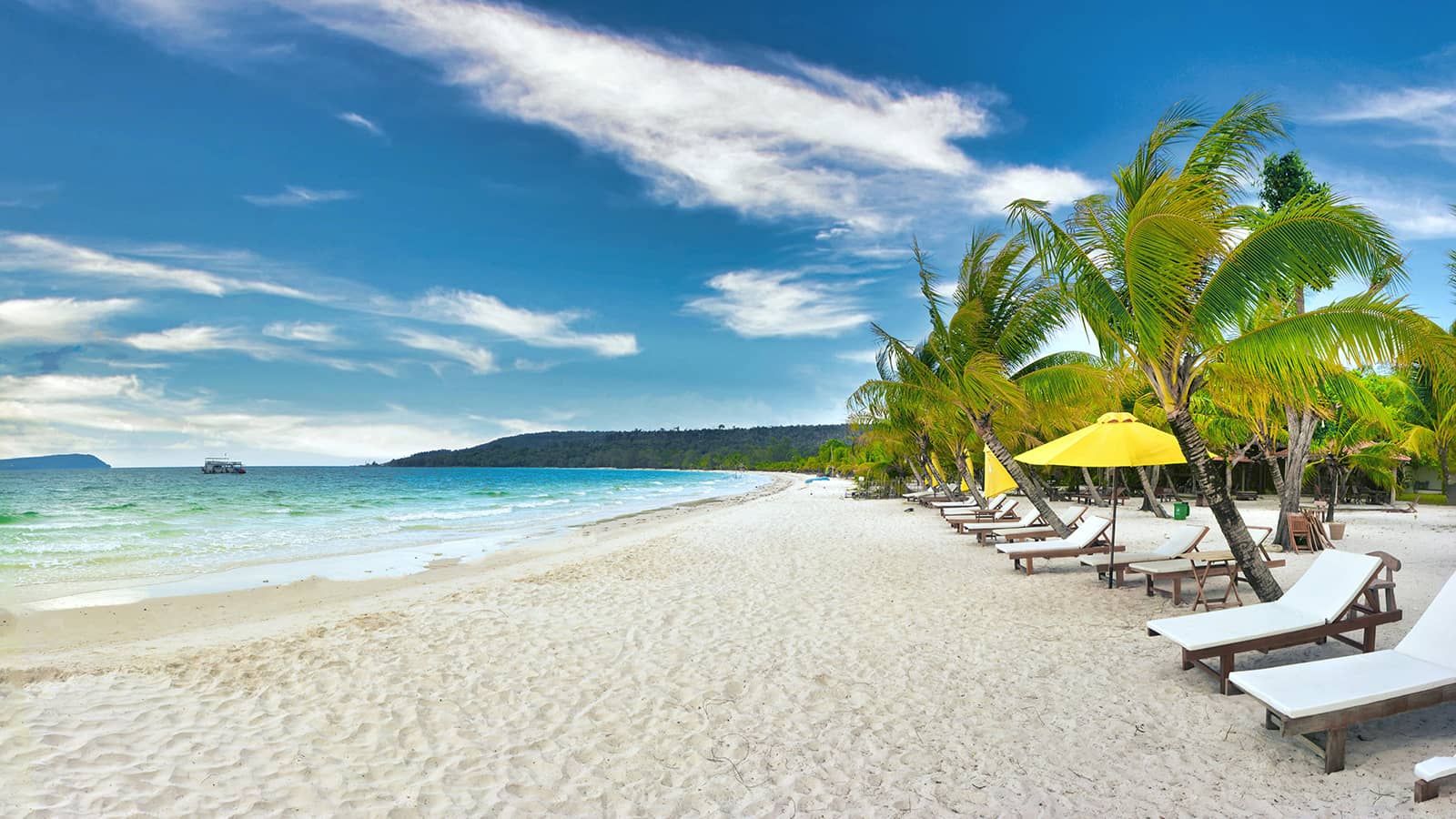
📷 Featured image by Airlangga Jati on Unsplash.