On this page
- Understanding Malacca’s Climate: Heat, Humidity, and Two Monsoon Windows
- Month-by-Month: An Honest Snapshot for Trip Planning
- The Dry Season Sweet Spot: June Through August
- Shoulder Season Advantage: March–May and September–October
- Monsoon Season Reality: November Through January
- Festivals and Events: Timing Your Visit Around Malacca’s Calendar
- Crowds and Tourism Pressure: When to Expect Elbow Room
- 2026 Budget Reality: What Timing Does to Your Costs
- Practical Timing Tips: Weekends, Public Holidays, and Booking Lead Times
- Frequently Asked Questions
💰 Click here to see Malaysia Budget Breakdown
💰 Prices updated: October, 2026. Budget figures are estimates — always verify before travel.
Exchange Rate: $1 USD = RM4.08
Daily Budget (per person)
Shoestring: RM100.00 – RM180.00 ($24.51 – $44.12)
Mid-range: RM250.00 – RM450.00 ($61.27 – $110.29)
Comfortable: RM500.00 – RM1,000.00 ($122.55 – $245.10)
Accommodation (per night)
Hostel/guesthouse: RM30.00 – RM60.00 ($7.35 – $14.71)
Mid-range hotel: RM110.00 – RM200.00 ($26.96 – $49.02)
Food (per meal)
Budget meal: RM15.00 ($3.68)
Mid-range meal: RM35.00 ($8.58)
Upscale meal: RM100.00 ($24.51)
Transport
Single metro/bus trip: RM2.00 ($0.49)
Monthly transport pass: RM50.00 ($12.25)
Most travelers pick a Malacca date based on flight prices and leave weather as an afterthought. In 2026, that approach is costing people their trips. The city now draws over 15 million visitors a year, Jonker Street on a Saturday in July feels like a theme park entrance, and accommodation prices swing by as much as 60% between peak and shoulder periods. Getting the timing right is no longer optional — it genuinely shapes the kind of experience you have here.
Understanding Malacca’s Climate: Heat, Humidity, and Two Monsoon Windows
Malacca sits just 2 degrees north of the equator, which means one thing above everything else: it is always hot. Temperatures hover between 24°C at night and 34°C during the day, pretty much all year. What changes is humidity and rainfall, and that difference matters more than any thermometer reading.
The city sits on the west coast of Peninsular Malaysia, sheltered from the Northeast Monsoon that hammers the east coast between November and February. That protection is a major advantage. Malacca does get two wetter periods — the tail end of the Southwest Monsoon from August through October, and a shorter inter-monsoon spell around November — but neither shuts the city down. Rain here typically arrives as heavy afternoon downpours that last 30 to 90 minutes, then clears. The morning is almost always usable for outdoor sightseeing.
Humidity is the real challenge. Even during the driest months, you will feel sticky by 10am. Walking the cobblestones of Dutch Square in the midday heat, the air presses against you with the thick, warm weight of a steam room. Heritage buildings trap heat in narrow lanes, so Chinatown and the Portuguese Settlement feel noticeably warmer than open waterfront areas. Plan outdoor activity before 11am or after 4pm regardless of which month you visit.
Month-by-Month: An Honest Snapshot for Trip Planning
Rather than broad seasonal labels, here is what each month actually delivers on the ground:
- January: Warm, occasionally wet, and quieter than you expect post-New Year. Crowds thin after the first week. Good value on accommodation.
- February: Chinese New Year transforms Jonker Street into a spectacle of red lanterns and lion dances. Expect maximum crowds, minimum availability, and prices at their annual peak. Book 3–4 months ahead if you want to be here.
- March: Excellent. Post-CNY lull, manageable crowds, relatively dry weather, and hotels offering competitive rates to fill the gap.
- April: One of the most underrated months. Occasional afternoon showers but nothing serious. Comfortable temperatures by Malacca standards — around 31°C average.
- May: School holidays begin toward the end of the month, so the last week sees a surge of Malaysian domestic tourists from Kuala Lumpur and Johor.
- June: Peak season begins in earnest. School holidays across Malaysia and Singapore bring large family groups. Jonker Weekend Market operates at full capacity every Friday and Saturday.
- July: The single busiest month. International tourist arrivals peak alongside Malaysian domestic travel. Heritage zone accommodation sells out weeks in advance on weekends.
- August: Still busy, but Merdeka Day (August 31) creates a festive atmosphere that is genuinely worth experiencing. Rain starts appearing more regularly from mid-August.
- September: Crowds drop noticeably. Wetter but manageable. Some of the best deals of the year emerge mid-month.
- October: Deepavali preparations add colour to Indian Quarter streets near Tengkera. Quieter heritage zone, ideal for photography without people in every frame.
- November: The inter-monsoon transition means unpredictable weather — heavier rain events possible. Crowds are low. Good for slow travelers.
- December: Christmas lighting along Jonker Street and the waterfront is genuinely pretty. School holidays from mid-December push crowds and prices back up for the final two weeks.
The Dry Season Sweet Spot: June Through August
If reliable weather is your top priority and crowds are something you can manage rather than avoid, June through August delivers. Rainfall is at its lowest of the year, mornings are reliably clear, and the city’s full calendar of weekend events, river cruises, and food markets operates without interruption.
This is also when Malacca feels the most alive. The Jonker Weekend Night Market stretches its vendor stalls further than usual, the smell of Portuguese egg tarts and char kway teow drifting through the warm evening air. Trishaw riders with their elaborate LED-lit decorations weave through Dutch Square, and the nightly crowd energy is unlike anything the quieter months offer.
The trade-off is real. A heritage guesthouse on Jalan Tun Tan Cheng Lock that costs MYR 180 per night in March may charge MYR 280 or more on a July weekend. Restaurants have queues. The famous chicken rice balls at Chung Wah along Jonker Street often sell out before noon. Parking around the heritage zone is essentially a non-starter — the shuttle bus system from peripheral lots is the only realistic option.
Singapore visitors make up a significant portion of July–August traffic, particularly on long weekends. If you are arriving from Singapore, expect the North-South Expressway to have 45 to 90-minute delays on Friday evenings. The 2026 expansion of KTM Intercity services between JB Sentral and Pulau Sebang/Durian Tunggal station — the closest KTM stop to Malacca — has helped spread arrivals across transport modes, but road congestion remains predictable during school break peaks.
Shoulder Season Advantage: March–May and September–October
This is the window that experienced Malacca travelers quietly prefer. The gap between Chinese New Year crowds and mid-year school holidays (March to mid-May) gives you the city at its most accessible. Heritage site queues are short. Guesthouses in the Jonker Street area are available without advance booking of more than a week. Prices sit at their most competitive.
September and October offer a similar dynamic on the back end of peak season. The rain is more frequent — expect showers three to four afternoons a week in October — but the heritage zone’s covered five-foot walkways make it possible to move around even during downpours. The Stadthuys, Christ Church, and the hillside Porta de Santiago fortress look dramatically atmospheric in moody overcast light, which also happens to be ideal for photography.
For food-focused travelers, shoulder season is actually superior. During peak months, popular spots prioritise table turnover. In March or October, you can sit at a kopitiam on Jalan Hang Jebat nursing a white coffee for an hour without anyone glaring at you. The vendors at weekend markets are more relaxed and often more generous with samples. The experience has more texture when the city is not operating at full commercial throttle.
Monsoon Season Reality: November Through January
Malacca’s west coast position genuinely softens the Northeast Monsoon impact. Do not expect the dramatic flooding and beach closures that affect Terengganu or Kelantan. What you get instead is a wetter version of normal — heavier afternoon showers, the occasional full rainy day, and higher humidity that makes evenings feel oppressively muggy rather than just warm.
The functional impact on a Malacca itinerary is minor. The Baba Nyonya Heritage Museum, the Cheng Hoon Teng Temple, and the bulk of Peranakan shophouse attractions are all indoors or sheltered. The river cruise runs in light rain. Only the Portuguese Settlement’s outdoor evening cultural shows and the open sections of the riverfront promenade become genuinely uncomfortable during heavy weather.
November and early December deliver something unexpected: one of the quietest and most affordable Malacca experiences of the year. Accommodation costs drop to their floor. You can walk into restaurants that have hour-long queues in July and be seated immediately. If the atmosphere of an uncrowded heritage city appeals to you more than guaranteed sunshine, this window has real merit.
Festivals and Events: Timing Your Visit Around Malacca’s Calendar
Malacca’s event calendar is richer than most Malaysian cities its size, partly because of its multi-ethnic heritage and partly because the city actively promotes festival tourism.
Chinese New Year (January–February, date varies)
The most transformative event of the year. Jonker Street closes to traffic and becomes a pedestrian lantern corridor. Lion dances happen continuously across multiple days. The Peranakan community’s open-house traditions make this culturally fascinating, but the combination of crowds and inflated prices makes it hard work for casual visitors. In 2026, CNY falls on January 29 — book accommodation by October 2025 at the latest if you plan to attend.
Festa San Pedro (June)
The Portuguese Settlement’s annual Catholic fishing community festival involves decorated boats, traditional music, and communal food that is genuinely hard to find at any other time of year. It is far less commercialised than Jonker’s main markets and gives a side of Malacca that most short-stay tourists miss entirely.
Hari Merdeka (August 31)
National Day celebrations in Malacca carry extra historical weight — it was here that independence was proclaimed in 1957. The Padang Pahlawan area hosts official ceremonies, and the evening brings fireworks over the waterfront. The atmosphere is genuinely patriotic and festive rather than staged.
Malacca Heritage City Festival (October)
A growing event in 2026, featuring heritage trail walks, traditional craft demonstrations, and nightly cultural performances along the river. Aimed at promoting slower, more engaged tourism rather than throughput volume. Crowds are moderate and manageable.
Christmas and New Year (December)
The heritage zone’s light installations along Jonker Street and the waterfront draw significant domestic tourist traffic, particularly from KL and JB. The week between Christmas and New Year is the second-busiest period after CNY in terms of accommodation occupancy.
Crowds and Tourism Pressure: When to Expect Elbow Room
Malacca’s UNESCO heritage zone is physically small. The core area — from Dutch Square to the end of Jonker Street — is roughly 800 metres. At peak times, this concentration produces genuine overcrowding. In July 2025, the Malacca State Tourism office introduced a voluntary crowd management system for Jonker Weekend Market, encouraging staggered entry from Bunga Raya Square. In 2026, this has expanded into a more structured ticketing pilot for the Saturday night market during school holiday weeks.

Weekdays are transformative. The Jonker Street market only operates Friday through Sunday. On Monday through Thursday, the same streets are uncrowded walking zones where you can actually examine the Dutch and Portuguese colonial architecture without bodies blocking every angle. Most heritage museums have no queues. Guesthouse rates drop 20–30% automatically. If your schedule allows midweek flexibility, this is the single biggest crowd-reduction lever available to you.
The quietest realistic time for a quality visit: Tuesday to Thursday in April, September, or early October. You get manageable weather, low prices, and a heritage city that actually has breathing space.
2026 Budget Reality: What Timing Does to Your Costs
Accommodation drives the biggest seasonal price swings in Malacca. Here is what to expect across budget tiers in 2026:
Budget (hostels, basic guesthouses)
- Shoulder season (weekday): MYR 50–90 per night
- Peak season (weekend): MYR 110–160 per night
- CNY / major long weekends: MYR 180–220 per night, often sold out weeks ahead
Mid-Range (heritage boutique hotels, 3-star)
- Shoulder season (weekday): MYR 160–260 per night
- Peak season (weekend): MYR 280–420 per night
- CNY / major long weekends: MYR 450–600 per night
Comfortable / Upscale (4–5 star, riverside boutique)
- Shoulder season: MYR 350–550 per night
- Peak season: MYR 600–900 per night
- CNY / major long weekends: MYR 900–1,400+ per night
Food costs remain relatively stable year-round. A full meal at a hawker stall or kopitiam costs MYR 8–15 regardless of season. Trishaw rides are regulated at MYR 40–50 per 45-minute circuit. The main variable outside accommodation is museum entry, which has not changed: Baba Nyonya Heritage Museum charges MYR 18 for adults, the Maritime Museum MYR 10, and most smaller heritage houses MYR 5–8.
The total daily budget by tier in 2026, covering accommodation, three meals, transport, and one or two entry fees:
- Budget traveler: MYR 120–200 per day
- Mid-range traveler: MYR 300–500 per day
- Comfortable traveler: MYR 700–1,200 per day
Practical Timing Tips: Weekends, Public Holidays, and Booking Lead Times
A few specifics that make a real difference when planning:
- Arrive on a Thursday: You get the city uncrowded for a day, Friday evening market at manageable capacity, and leave before the Saturday peak surge hits.
- Malaysian school holidays are the real crowd driver: More so than international tourist peaks, the Malaysian school calendar dictates Malacca’s busiest weekends. The 2026 school break windows to watch are: mid-March (one week), late May to late June (six weeks), mid-August to early September (two weeks), and mid-November to early January.
- Singapore public holidays compound KL school holiday crowds: When both countries have overlapping long weekends, North-South highway traffic can back up 40km from the Malacca interchange. Check Singapore’s 2026 public holiday calendar alongside Malaysia’s before finalising dates.
- Book accommodation 4–6 weeks ahead for shoulder season: The popular Jonker area heritage guesthouses have limited inventory and fill up even during quieter periods, especially on weekends.
- For CNY 2026 (January 29 onwards): Properties within walking distance of Jonker Street need booking by November 2025 at the absolute latest. Realistic advice: if you have not booked by the time you read this in 2026, consider staying in Ayer Keroh or Alor Gajah and commuting in.
Frequently Asked Questions
What is the best month to visit Malacca for good weather?
March, April, June, and July offer the most reliable dry weather. March and April combine good conditions with lower crowds and better accommodation prices. June and July are drier still but come with peak season crowds and significantly higher costs. For most travelers, March or April is the practical sweet spot in 2026.
Does Malacca flood during monsoon season?
Rarely and minimally. Malacca’s west coast position shields it from the worst of the Northeast Monsoon. The Malacca River has also undergone flood mitigation work in recent years. Heavy afternoon downpours can cause brief surface flooding on lower streets near the river, but the heritage zone itself is not typically affected in ways that impact tourist access.
Is Malacca worth visiting during Chinese New Year?
Yes, but only if you book accommodation months in advance and are comfortable with serious crowds. The lantern decorations, lion dances, and Peranakan open-house atmosphere are genuinely spectacular. If you prefer a comfortable, unhurried visit to the heritage sites themselves, CNY is the wrong time. It is an event visit, not a heritage exploration visit.
How far in advance should I book a Malacca hotel on a weekend?
For regular weekends during shoulder season, two to three weeks ahead is usually sufficient for mid-range and above options. During school holidays or any Malaysian public holiday long weekend, four to eight weeks ahead is the minimum. For CNY or Hari Merdeka weekends, three to four months is realistic for popular Jonker Street area properties.
Is Malacca too hot to visit in the middle of the year?
Hot, yes — uncomfortable enough to skip, no. Temperatures peak around 33–35°C in June and July, but most heritage sites have indoor sections, covered walkways are widespread in Chinatown, and air-conditioning is standard in restaurants and museums. Schedule outdoor sightseeing before 11am and after 4pm and the heat becomes very manageable.
Explore more
What to Eat in Malacca? A District-by-District Foodie’s Guide
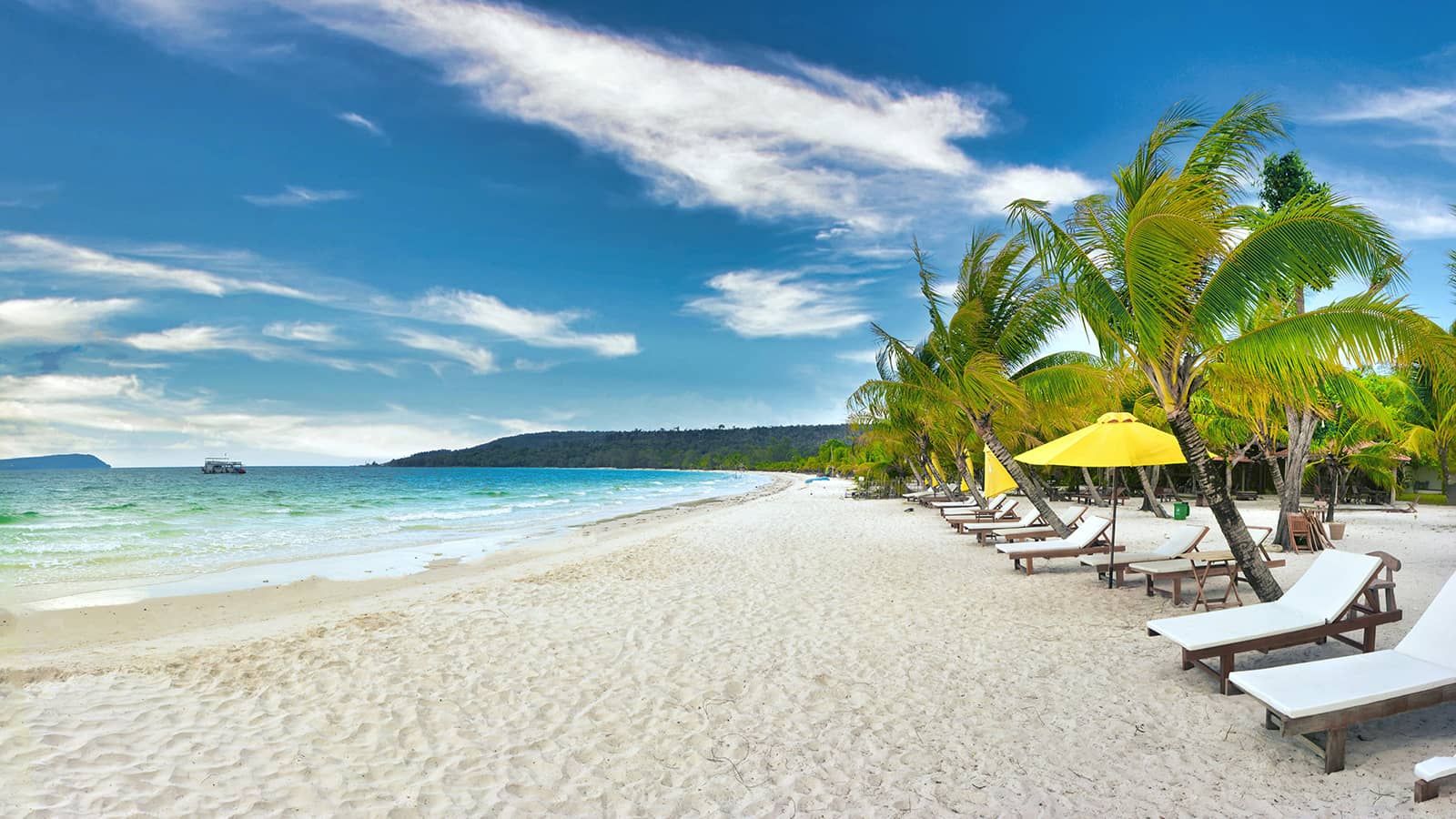
📷 Featured image by Hooman Being on Unsplash.