On this page
- How Safe Is Kuching, Really?
- Petty Crime: What Tourists Actually Encounter
- Neighbourhoods by Safety Level
- Getting Around Safely
- Health & Environmental Hazards
- Solo and Female Traveller Safety
- Scams Targeting Tourists in 2026
- Emergency Contacts & What To Do If Something Goes Wrong
- 2026 Budget Reality: What Safety Costs You
- Frequently Asked Questions
💰 Click here to see Malaysia Budget Breakdown
💰 Prices updated: October, 2026. Budget figures are estimates — always verify before travel.
Exchange Rate: $1 USD = RM4.08
Daily Budget (per person)
Shoestring: RM100.00 – RM180.00 ($24.51 – $44.12)
Mid-range: RM250.00 – RM450.00 ($61.27 – $110.29)
Comfortable: RM500.00 – RM1,000.00 ($122.55 – $245.10)
Accommodation (per night)
Hostel/guesthouse: RM30.00 – RM60.00 ($7.35 – $14.71)
Mid-range hotel: RM110.00 – RM200.00 ($26.96 – $49.02)
Food (per meal)
Budget meal: RM15.00 ($3.68)
Mid-range meal: RM35.00 ($8.58)
Upscale meal: RM100.00 ($24.51)
Transport
Single metro/bus trip: RM2.00 ($0.49)
Monthly transport pass: RM50.00 ($12.25)
In 2026, Kuching remains one of Southeast Asia’s most under-the-radar cities — and one of the most common questions in travel forums is whether it’s actually safe to visit. The short answer is yes, emphatically. But “safe” doesn’t mean “zero risk,” and the specific concerns in Kuching are different from what you’d worry about in Kuala Lumpur or Bangkok. This guide cuts through the vague reassurances and gives you a realistic picture, street by street and situation by situation.
How Safe Is Kuching, Really?
Kuching consistently ranks among Malaysia’s safest cities for tourists. It’s a mid-sized capital of about 750,000 people — big enough to have good infrastructure, small enough that the community feel keeps anti-social behaviour in check. Violent crime against tourists is extremely rare. The Sarawak state government has invested heavily in tourist safety since the early 2020s, and that effort is visible in 2026 with more police presence along the waterfront and better CCTV coverage in the old town area.
The city’s overall crime index is lower than Kuala Lumpur, Johor Bahru, and Penang. Walk along the Kuching Waterfront at 9pm and you’ll see families with young children, elderly couples, food sellers, and solo travellers all mixed together — the energy is relaxed, not guarded. That said, Kuching is not crime-free. Opportunistic petty crime exists, particularly snatch theft, and travellers who drop their guard entirely do occasionally get caught out.
For 2026 context: Sarawak tightened its border entry procedures after 2024’s review of the Malaysia-Indonesia Kalimantan corridor, meaning there is more active border enforcement. This has had a modest positive effect on overall regional security.
Petty Crime: What Tourists Actually Encounter
Snatch theft is the primary crime risk for tourists in Kuching. It happens almost exclusively on streets rather than in malls or markets, and the method is consistent: a motorcyclist (sometimes two people on one bike) grabs a bag from a pedestrian walking close to the road. It’s fast, targeted, and often happens in seconds.
The highest-risk moments are:
- Walking along the main road with a bag on the shoulder closest to traffic
- Using your phone while standing near the roadside
- Leaving bags on the back of chairs at open-air food stalls
- Walking back from ATMs with cash visibly in hand
The fix is simple and doesn’t require paranoia. Carry bags cross-body on the side away from traffic. Keep your phone in a front pocket or inside a closed bag when you’re walking. At hawker centres and open-air coffee shops, loop a bag strap around your chair leg or keep it on your lap.
Pickpocketing in the crowded-venue sense is less common in Kuching than in larger Malaysian cities, but it does occur at very busy night markets like the Satok Weekend Market. Carry only what you need, and use a money belt or inside zip pocket for your passport and backup cash.
Neighbourhoods by Safety Level
Kuching’s layout is compact, and most tourist-relevant areas are safe at virtually any hour. But they’re not all identical.
Kuching Waterfront & Old Town
The safest and most tourist-dense area in the city. The waterfront promenade is well-lit, heavily used by locals every evening, and has regular police foot patrols. The old town streets — Carpenter Street, Main Bazaar, India Street — are busy during the day and calm but safe at night. This is where you want your accommodation base if safety is your top priority.
Padungan Area
Kuching’s restaurant and cafe strip. Safe day and night, popular with expats and young Kuchingites. The ambient noise of diners and the density of open businesses makes this a low-risk zone well into the evening.
Hikmah Exchange & Jalan Tabuan Corridor
Mostly commercial and safe. These are shopping and errand streets rather than tourist destinations, but you’ll pass through them. Standard urban caution applies — nothing extraordinary.
Kenyalang Park & Nearby Residential Streets
Quiet residential area. Safe, but less-lit side streets at night are better avoided if you’re unfamiliar with the layout. Not a high-tourist zone so there’s less foot traffic to act as a natural deterrent.
Outer Industrial Areas (Demak Laut, Batu Kawa)
Not tourist destinations. If you end up here by mistake — usually because of accommodation booking confusion — you’re not in danger, but navigation and transport back to the centre after dark can be complicated.
Getting Around Safely
Transport safety in Kuching is straightforward to manage because the city’s ride-hailing infrastructure is solid.
Grab is the dominant and recommended option for all journeys in 2026. Every ride is tracked, the driver’s identity is logged, and fare is agreed before you enter the vehicle. This eliminates the main risks associated with street taxis — overcharging, unmarked vehicles, and the uncertainty of drivers who aren’t accountable to any system. Grab operates well throughout central Kuching and to major destinations like Damai Beach and Bako National Park turnoff.

Street taxis still exist but are effectively unmetered and unregulated compared to app-based options. If you use one, agree the fare before you get in. The standard downtown-to-anywhere-in-central-Kuching rate in 2026 is roughly MYR 15–30. Anything significantly above that warrants negotiation.
Walking around central Kuching is pleasant and safe during daylight hours. The waterfront path, old town streets, and Padungan are all walkable without concern. At night, stick to lit streets and main roads rather than cutting through unlit lanes, which is sensible in any city.
Solo travellers at night: The city is calm enough that walking between the waterfront and Padungan at 10pm is a normal thing locals do. However, solo late-night walking on quiet roads away from the centre — especially back from a bar toward a guesthouse on a backstreet — is where Grab becomes the clearly better option.
Health & Environmental Hazards
Safety in Kuching isn’t only about crime. Several environmental factors require planning.
Haze Season
Borneo’s haze from agricultural burning typically peaks between July and October, though 2024 and 2025 saw more unpredictable patterns due to weather shifts. When the API (Air Pollution Index) is above 100, outdoor activities become uncomfortable; above 200, they’re a genuine health risk for people with respiratory conditions. Check the Malaysian Department of Environment’s myAir app before planning outdoor or jungle days. Haze can descend quickly — Kuching can go from clear to heavy smog within 48 hours during the worst periods.
Tap Water
Do not drink Kuching tap water without filtering or boiling it. Bottled water is cheap — MYR 1–2 for a 600ml bottle at any convenience store. Most mid-range and above hotels provide filtered drinking water. Budget guesthouses usually don’t.
Jungle and Wildlife Risks
If you’re visiting Bako National Park, Kubah National Park, or trekking near Gunung Gading, take sensible precautions. Leeches are common after rain — wear long socks and bring salt or leech socks. Dehydration happens fast under the jungle canopy because the humidity is intense: think 32°C with 85–90% humidity, the air so thick with moisture it feels like breathing through warm towels. Carry at least two litres of water per person on any jungle walk.
Snakes exist in the park areas but attacks on tourists are very rare. The bigger risk is heat exhaustion. Start jungle walks early — before 8am if possible — and be back at the main facilities before noon.
Medical Facilities
Sarawak General Hospital (Hospital Umum Sarawak) is the main public hospital and handles emergencies adequately. For non-emergency care, Timberland Medical Centre and Normah Medical Specialist Centre are the recommended private options with English-speaking staff. Travel insurance with medical coverage is essential — private hospital rates are manageable by regional standards but not trivial for extended stays.
Solo and Female Traveller Safety
Kuching is genuinely one of the better Southeast Asian cities for solo female travellers. The harassment culture that makes some cities exhausting is largely absent here. Walking around central Kuching alone as a woman — during the day and into the early evening — is a routine experience that most female visitors report as unremarkable in the best way.
Some realistic notes:
- Late-night solo walking on quiet streets carries more risk than in busy areas — this is not specific to women, but women feel it more acutely, and using Grab after 10pm on quiet routes is the sensible call
- The local culture is conservative in some respects — Kuching is more relaxed than East Peninsular cities, but dressing modestly (covered shoulders and knees) when visiting religious sites prevents unwanted attention
- Solo female diners are entirely unremarkable at restaurants, hawker centres, and cafes — there’s no pressure or awkwardness
- Hostels in Kuching tend to have a friendly, community-oriented atmosphere that makes meeting other travellers easy, which matters if you prefer not to always move alone
The Sarawak Tourism Board has a tourist assistance line specifically for situations where travellers feel unsafe or need guidance — save the number (082-423600) before you leave your accommodation each day.
Scams Targeting Tourists in 2026
Kuching has far fewer tourist scams than KL or Penang, but they haven’t disappeared. The ones circulating in 2026:
The “Free Tour Guide” Approach
A friendly local offers to show you around for free, then steers you to a specific shop or restaurant where they receive a commission. The goods are overpriced and the guide expects a large tip at the end. Recognise it by the insistence — genuine friendliness doesn’t come with a shopping itinerary attached.
Unofficial Boat Rides to Sarawak Museum Area
Tambang boats (the small wooden ferries that cross the Sarawak River) have a fixed rate — MYR 1 per person as of 2026. If a boatman quotes you MYR 10–20 for the same crossing and frames it as a “tourist rate” or “special scenic trip,” decline and use the official tambang with other passengers.
Accommodation Bait-and-Switch
Less common but still reported: booking a guesthouse online at a low price and arriving to find the room doesn’t match the listing, with an “upgrade” offered at a higher rate. Book through established platforms (Agoda, Booking.com) with verified reviews from 2025–2026 and screenshot your booking confirmation.
Jungle Tour Upcharges
Some informal “guides” at the Bako National Park entrance offer to lead tours inside the park without official accreditation, then charge significantly more than agreed once inside. Use only guides registered through the Sarawak Forestry Department — the park office can confirm who is licensed.
Emergency Contacts & What To Do If Something Goes Wrong
Keep these numbers saved on your phone before you arrive:
- Police emergency: 999
- Ambulance / Fire: 994
- Kuching Police Headquarters: 082-244444
- Sarawak Tourism Hotline: 082-423600
- Normah Medical Specialist Centre: 082-440055
If you’re the victim of snatch theft: report it to the nearest police station within 24 hours, both to document it for your insurance claim and to help local authorities track patterns. The Central Police Station on Jalan Khoo Hun Yeang in the old town is the most accessible for tourists. Bring your passport (or a copy) and a written account of what happened.
If you need to replace a passport urgently: your country’s embassy or consulate handles this, and most are based in Kuala Lumpur. For Australian, British, US, and most European nationals, Kuching has honorary consuls who can provide emergency guidance while you arrange travel to KL for the formal replacement process.
Travel insurance claim tip: photograph your belongings before your trip. A quick photo of your laptop, camera, and other valuables on your phone gives you documentation if you need to claim later.
2026 Budget Reality: What Safety Costs You
Part of travelling safely is planning a realistic budget — running out of money creates vulnerability. Here’s what Kuching costs in 2026:
Budget Tier (MYR 100–180 per day)
- Dorm bed in a guesthouse: MYR 35–60 per night
- Hawker meals: MYR 7–15 per meal
- Grab rides within central Kuching: MYR 8–18 per trip
- Bottled water and snacks: MYR 10–15 per day
- National park entrance (Bako): MYR 20 for foreign visitors
Mid-Range Tier (MYR 250–400 per day)
- Private room in a mid-range hotel or boutique guesthouse: MYR 120–200 per night
- Mix of hawker stalls and sit-down restaurants: MYR 25–50 per meal
- Guided day tours (Bako, Semenggoh Wildlife Centre): MYR 80–150 per tour
- Travel insurance contribution: factor MYR 15–25 per day into your trip total
Comfortable Tier (MYR 500+ per day)
- Four-star hotel (Hilton Kuching, Merdeka Palace): MYR 280–450 per night
- Private driver for day trips: MYR 200–350 per day
- Fine dining restaurants in Padungan: MYR 80–150 per person per meal
- Premium wildlife experiences with licensed guides: MYR 200–400 per day
The one non-negotiable cost regardless of budget tier: travel insurance. Policies covering Kuching for a week-long trip typically run MYR 80–200 depending on your nationality, age, and activities included. Jungle trekking and adventure activities require specific coverage — check the fine print before you buy.
Frequently Asked Questions
Is Kuching safe to walk around at night?
Yes, particularly in the waterfront area, old town, and Padungan restaurant strip. These areas stay active until 10–11pm with families and local crowds. Quiet residential backstreets and unlit lanes are best avoided late at night — use Grab for those journeys. The overall night safety level is high compared to most Southeast Asian cities of similar size.
Is Kuching safe for solo female travellers?
Very much so, by regional standards. Street harassment is rare, locals are generally respectful, and the city’s compact layout makes navigation easy. Standard precautions apply — Grab after dark on quiet routes, conservative dress at religious sites, and basic bag security. Most solo female travellers report Kuching as one of their more relaxed experiences in the region.
What is the biggest safety risk in Kuching?
Snatch theft from motorcyclists is the most common incident affecting tourists. Carry bags cross-body on the pavement side rather than the road side, avoid displaying phones near traffic, and secure bags at open-air food stalls. This one habit adjustment eliminates the majority of the risk. Violent crime against tourists is extremely rare.
Do I need travel insurance for Kuching?
Yes. Medical care at private hospitals is competent but not free, and medical evacuation from Sarawak to Kuala Lumpur or your home country is costly. If you’re doing any jungle trekking, ensure your policy explicitly covers adventure activities. Basic travel insurance for a week in Kuching runs MYR 80–200 depending on your age, nationality, and coverage level.
Is the water safe to drink in Kuching?
Tap water in Kuching is not reliably safe to drink without boiling or filtering. Bottled water is widely available and inexpensive at MYR 1–2 for 600ml. Most mid-range and above hotels provide filtered drinking water. Stay well hydrated especially during jungle visits — the heat and humidity make dehydration a genuine health risk even if you’re not physically exerting yourself heavily.
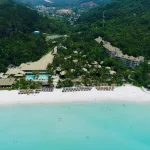
📷 Featured image by Muhamed Sukry on Unsplash.