On this page
- Why Malacca Works So Well on a Small Budget
- Best Neighbourhoods for Budget Travellers
- Top Attractions and Highlights, Free and Cheap
- Food and Drink: Where to Eat Well for Little
- Getting Around Malacca Without Spending Much
- Day Trips That Cost Less Than a Hotel Night
- Nightlife and Entertainment on a Budget
- Shopping: Markets and Streets Worth Your Ringgit
- Accommodation Areas by Budget Tier
- Best Time to Visit for Lower Prices
- Practical Tips for 2026
- Daily Budget Breakdown in MYR
- Frequently Asked Questions
💰 Click here to see Malaysia Budget Breakdown
💰 Prices updated: October, 2026. Budget figures are estimates — always verify before travel.
Exchange Rate: $1 USD = RM4.08
Daily Budget (per person)
Shoestring: RM100.00 – RM180.00 ($24.51 – $44.12)
Mid-range: RM250.00 – RM450.00 ($61.27 – $110.29)
Comfortable: RM500.00 – RM1,000.00 ($122.55 – $245.10)
Accommodation (per night)
Hostel/guesthouse: RM30.00 – RM60.00 ($7.35 – $14.71)
Mid-range hotel: RM110.00 – RM200.00 ($26.96 – $49.02)
Food (per meal)
Budget meal: RM15.00 ($3.68)
Mid-range meal: RM35.00 ($8.58)
Upscale meal: RM100.00 ($24.51)
Transport
Single metro/bus trip: RM2.00 ($0.49)
Monthly transport pass: RM50.00 ($12.25)
Malacca has a reputation as a cheap weekend escape, but in 2026 that is only half true. Hotel rates in the heritage core jump sharply from Friday to Sunday, river-facing restaurants charge tourist prices, and small costs like cruises, museum tickets and trishaw rides add up quickly. The good news is that the city is compact, its best food is cheap, and many of its most memorable sights are free. This guide shows you how to see Malacca properly for roughly RM110 to RM160 a day, and where it is worth spending a little more.
Why Malacca Works So Well on a Small Budget
Malacca is a small riverside city with an old Dutch square, a Chinese temple street, a Portuguese village and a mosque built in a mix of Sumatran and Chinese styles, all within a few kilometres. You do not need a tour, a rental car or much money to see the core of it. You walk, you eat, you walk again.
The city runs on a simple rhythm. Mornings are for kopitiam breakfasts and heritage streets before the heat arrives. Afternoons, when temperatures sit around 32°C with high humidity, are for museums, air-conditioned malls or a nap. Evenings bring the city back to life. Along the river, lights come on and incense drifts out of Cheng Hoon Teng temple. On weekends, the smell of grilled squid and fried snacks rolls down Jalan Hang Jebat as the Jonker Street night market opens.
Since 2024, a few things have shifted for travellers. Foreign visitors must submit the Malaysia Digital Arrival Card before entering the country. A tourism tax of RM10 per room per night applies to foreign guests at registered accommodation, so factor it into your budget. Cashless payment is also now normal: most stalls accept DuitNow QR or Touch 'n Go eWallet, though small hawkers still prefer cash.
Best Neighbourhoods for Budget Travellers
Chinatown and Jonker Street
This is the heart of old Malacca, and where most visitors want to be. The lanes around Jalan Hang Jebat, Jalan Tukang Emas (Harmony Street) and Jalan Tun Tan Cheng Lock are packed with shophouses, guesthouses and cafés. It suits first-timers and anyone who wants to walk everywhere. Weekday prices are fair, but weekend rooms and meals cost more.
Taman Melaka Raya
A 15 to 20 minute walk south of Jonker Street, this is a modern commercial district with budget hotels, hawker stalls, a Mahkota Parade shopping mall nearby, and noticeably lower prices. It is the best pick for travellers who want a cheaper bed and do not mind a short walk or a RM6 to RM10 Grab ride into the old town.
Dutch Square and Bandar Hilir
This area holds the red Stadthuys, Christ Church and the museums at the foot of St Paul's Hill. Sleeping here is mostly mid-range, but it is where you will spend your days. Treat it as a place to visit, not to stay on a tight budget.
Kampung Morten and the Portuguese Settlement
Kampung Morten is one of the last traditional Malay villages inside the city, with wooden houses on stilts and a quiet riverside atmosphere. The Portuguese Settlement at Ujong Pasir is known for seafood and its evening food stalls facing the Straits. Both suit travellers who want a slower, more local side of Malacca. You can reach either by Grab, and they are best as half-day visits rather than bases.
Ayer Keroh
About 12 km north of the centre, Ayer Keroh has chain hotels, the zoo and the botanical garden. It makes sense mostly if you drive. Without a car, the savings on rooms are cancelled out by transport.
Top Attractions and Highlights, Free and Cheap
The best budget strategy is to build your days around free sights and pick only the paid ones that matter to you.
Free or nearly free
- Dutch Square (Red Square): The Stadthuys, Christ Church and the clock tower sit around a fountain. It is free to walk around and best photographed in the early morning before tour groups arrive.
- A Famosa gate and St Paul's Hill: The small Portuguese gatehouse and the ruined church at the top of the hill are free. The view over the Straits of Malacca at sunset is one of the best in town.
- Cheng Hoon Teng Temple: Malaysia's oldest working Chinese temple, entry by donation. The carved beams, heavy incense smoke and low hum of chanting make it feel far removed from the street outside.
- Kampung Kling Mosque: Its multi-tiered roof and Moorish details make it one of the most unusual mosques in the country. Dress modestly and check visiting hours first.
- Riverside walk: The Malacca River promenade, with murals and old godowns, is free and pleasant after 5 pm when the heat eases.
- Harmony Street: A short stretch where a temple, a mosque and a Hindu shrine stand within a few minutes of each other.
Worth paying for
- Museums around Dutch Square: Entry is usually about RM5 to RM20 for foreign visitors. Pick two or three, not all of them. The Stadthuys history museum and the Maritime Museum are the most rewarding.
- Baba & Nyonya Heritage Museum: A guided tour of a Peranakan family home costs roughly RM20 to RM25 and is the best way to understand local heritage.
- Malacca River cruise: About RM30 to RM35 for around 45 minutes. It is touristy, but the evening ride, with lit-up riverside houses and murals, is a fair splurge once.
Food and Drink: Where to Eat Well for Little
Eating cheaply in Malacca is easy if you step one or two streets away from the main tourist stretch. A filling meal at a local stall costs RM7 to RM15, compared with RM25 to RM45 at a riverfront restaurant.
Kopitiam breakfast
Start the day at one of the old coffee shops along Jalan Hang Kasturi and nearby lanes. Expect kaya toast, soft-boiled eggs and strong kopitiam coffee poured through a cloth filter for around RM6 to RM10 in total. The smell of charcoal-toasted bread and sweet pandan jam is the best alarm clock in town.
Lunch spots
- Hoe Kee Chicken Rice Ball (Jalan Hang Jebat): Famous for rice shaped into small balls, served with steamed or roasted chicken. A plate runs about RM10 to RM15, though queues grow on weekends.
- Jonker 88: A busy dessert shop known for cendol and ice-based sweets. A bowl costs around RM8 to RM15 and is a cooling break in the afternoon heat.
- Nyonya restaurants and small eateries: Set lunches at smaller Nyonya places cost roughly RM15 to RM25, and are more affordable than dinner menus at the bigger names.
- Mahkota Parade food court and Taman Melaka Raya hawker stalls: Rice, noodles and mixed dishes for RM6 to RM12 in a cool, local setting.
Dinner and satay celup
Malacca's famous satay celup is a table-side hot pot where you dip skewers into bubbling peanut sauce. Capitol Satay on Lorong Bukit China is the best-known place. Skewers cost about RM1 to RM2 each, so a hungry person can eat well for RM20 to RM30. Go early, around 5:30 pm, to skip the queue.
For a cheaper night, the Jonker Street night market on Friday to Sunday has fried snacks, satay, grilled squid and drinks at RM3 to RM12 each. You can build a full dinner of small bites for RM15 to RM20 and eat it standing among the crowds with neon lights overhead.
Seafood without the markup
The Portuguese Settlement has food stalls facing the water where grilled fish, sambal stingray and prawns are served in the evenings. Order by weight and ask the price first. Sharing two dishes and rice between two people typically comes to RM50 to RM80 in total.
Getting Around Malacca Without Spending Much
Arriving from other cities
There is no train into central Malacca. Most visitors arrive by bus at Melaka Sentral, the main terminal about 4 km from the old town.
- From Kuala Lumpur: Express buses from TBS take around 2 to 2.5 hours and cost roughly RM12 to RM20.
- From Singapore: Direct buses take about 4 hours and cost roughly RM30 to RM50, depending on the operator and season.
- From KLIA: Take a bus to Melaka Sentral, often with a connection, for around RM25 to RM35. Allow up to 3 hours.
Within the city
- Walking: The historic core is about 2 km across. Wear a hat and carry water, and plan walks for before 11 am or after 4 pm.
- City buses: Local services connect Melaka Sentral with Dutch Square for around RM2. Confirm the current route number at the terminal counter, as routes have been adjusted in recent years.
- Grab: Rides from Melaka Sentral to Jonker Street usually cost RM10 to RM15. Short hops inside the town are RM6 to RM10. Grab is cheaper and more reliable than street taxis.
- Trishaws: The flower-covered, music-blasting trishaws cost roughly RM40 to RM60 for 30 to 45 minutes. They are fun but are an entertainment expense, not transport.
Day Trips That Cost Less Than a Hotel Night
Kampung Morten and Ayer Keroh (half day)
Take a Grab to Kampung Morten for about RM10 and walk through the traditional wooden houses for free. Combine it with a visit to the Portuguese Settlement for dinner. Ayer Keroh's zoo and botanical garden cost extra and suit families more than solo travellers.
Pulau Besar (half to full day)
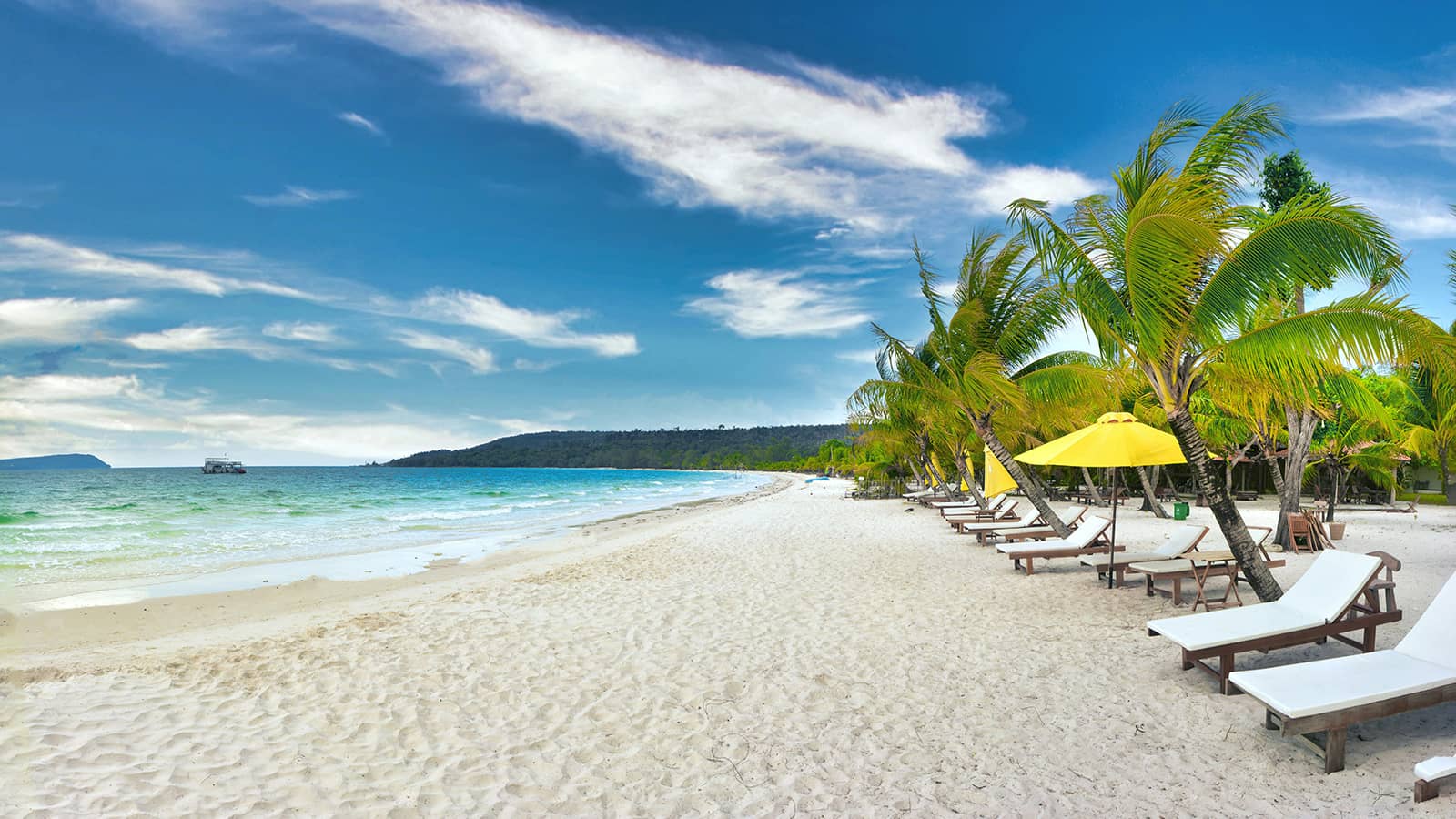
A small island about 20 minutes by boat from the Umbai jetty, around 20 km from the town. Return boats usually cost RM25 to RM40. It has quiet beaches and a few shrines. It is nice for a slow day, but take food and water, as options are limited.
Muar (full day)
Muar, about 45 to 60 km south in Johor, is known for its old shophouses, riverside walks and Muar-style otak-otak. A bus from Melaka Sentral takes about 1.5 hours and costs roughly RM6 to RM10 one way. It is a cheap, relaxed escape from the crowds.
Port Dickson (full day)
About 60 to 90 minutes north by road, Port Dickson has public beaches and seafood. Without a car, the journey is awkward and involves connections, so it suits travellers who share a Grab or rent a vehicle.
Gunung Ledang (full day)
This mountain on the Malacca-Johor border is for confident hikers. Entry to the park costs only a few ringgit, but transport is the challenge. A shared car or Grab from Melaka costs RM100 to RM150 for the round trip.
Nightlife and Entertainment on a Budget
Malacca is not a clubbing city. Its nightlife is about markets, riverside strolls and a few laid-back bars.
- Jonker Street night market (Friday to Sunday): The main event, with street food, stalls and buskers. It is free to enter, and a full evening costs RM20 to RM40 if you snack and shop lightly.
- Riverside cafés and bars: Along the Malacca River and around Jalan Hang Jebat, small bars offer beer for RM15 to RM25 per bottle. Many have live acoustic music on weekends. Alcohol is costly in Malaysia because of taxes, so budget accordingly.
- Karaoke and street singing: Open-air karaoke stages on Jonker Street are free to watch and surprisingly entertaining.
- Sunset at St Paul's Hill: As the sky darkens, the call to prayer drifts across the old town while the lights come on below. It is free and one of the best evening experiences.
- Menara Taming Sari: The revolving tower costs about RM30 to RM35, and the night view is good, but it is a luxury for budget travellers.
Shopping: Markets and Streets Worth Your Ringgit
- Jonker Street weekend market: Good for souvenirs such as keychains, batik items, snacks and handmade crafts. Prices are negotiable. Aim to pay 20 to 30 percent less than the first quote.
- Jalan Hang Jebat antique shops: Interesting for browsing old porcelain, wooden items and vintage signs. Serious pieces are expensive, but small items start at RM10 to RM30.
- Harmony Street shops: Smaller craft stores and Peranakan items, including beaded slippers (kasut manik), are pricey for handmade work but unique.
- Mahkota Parade and Dataran Pahlawan: Air-conditioned malls for everyday items, pharmacies and cheap food courts. They are also a good place to shelter during afternoon rain.
- Food gifts: Pineapple tarts, dodol and gula Melaka (palm sugar) are the best edible souvenirs, at roughly RM10 to RM25 per pack. Shops outside the Jonker area are often cheaper.
Accommodation Areas by Budget Tier
Budget (RM35 to RM130 per night)
Dorm beds in Chinatown guesthouses cost around RM35 to RM65. Private rooms in simple guesthouses or budget hotels in Taman Melaka Raya run RM80 to RM130. Check whether the room has a window and an air-conditioner that works, and whether the RM10 tourism tax is included.
Mid-range (RM150 to RM320 per night)
Boutique shophouse hotels and three-star hotels in the Jonker Street and Dutch Square area sit in this range. Weekday rates can be good value. Many include breakfast and are within walking distance of the main sights.
Luxury (RM350 to RM900 or more per night)
Heritage-style hotels such as The Majestic Malacca, riverfront suites and larger resort-style properties offer pools, spas and more space. Prices rise on long weekends and school holidays.
Best Time to Visit for Lower Prices
Malacca is hot and humid all year, with temperatures usually between 26°C and 33°C. Rain is most likely in the inter-monsoon months, especially April to May and October to November, and usually arrives as short afternoon storms rather than all-day downpours.
- Cheapest period: Weekdays outside school holidays, especially from January to March (excluding Chinese New Year) and in September.
- Driest period: June to August, which is pleasant for walking but busier because of school breaks.
- Most expensive and crowded: Chinese New Year, Hari Raya, Christmas, and long weekends, when rooms sell out and prices climb.
- Festivals worth timing: Chap Goh Mei, the final night of Chinese New Year celebrations, brings parades and lanterns. Malacca Historic City Day in April brings cultural events. Expect crowds and higher prices on both.
Practical Tips for 2026
- Safety: Malacca is generally safe. Watch for motorbike bag snatchers on narrow streets and keep valuables away from the road side. Use only metered or app-based rides.
- Tipping: Not expected. Restaurants may add a 10 percent service charge and 6 to 8 percent service tax. Hawker stalls and kopitiams do not charge them.
- Language: English works well in tourist areas. A few words of Malay, such as "terima kasih" (thank you), earn warm smiles. Many locals also speak Hokkien, Mandarin and Cantonese.
- SIM cards: Buy a tourist SIM at the airport or at a shop in Dataran Pahlawan. Prepaid data costs about RM20 to RM40 for 10 to 30 days of generous data. eSIMs are also widely available.
- Water: Tap water is not recommended for drinking. Carry a refillable bottle and fill it from filtered stations in some hotels, or buy 1.5-litre bottles for RM2 to RM3 in a convenience store.
- Midday heat: Many small shops close or slow down between 1 pm and 3 pm. Plan indoor visits then. Some attractions close on certain weekdays, so check hours before you go.
- Dress: Light, breathable clothing, plus a shawl or long sleeves for temples and mosques.
- Payments: Carry RM100 to RM200 in small notes. Card machines are common at larger places, but small stalls often need cash or a QR code.
Daily Budget Breakdown in MYR
Budget traveller: RM110 to RM160 per day
- Dorm bed or basic room: RM40 to RM80
- Food (kopitiam breakfast, hawker lunch, night market dinner): RM30 to RM45
- Local transport: RM5 to RM15
- Attractions: RM10 to RM25
- Drinks and extras: RM10 to RM15
Mid-range traveller: RM250 to RM450 per day
- Boutique or three-star hotel: RM150 to RM280
- Food (café breakfast, Nyonya lunch, satay celup dinner): RM60 to RM100
- Grab and occasional trishaw: RM20 to RM50
- Attractions and river cruise: RM30 to RM70
- Drinks and shopping: RM20 to RM50
Comfortable traveller: RM550 to RM900 per day
- Heritage or luxury hotel: RM350 to RM650
- Restaurant meals and a few drinks: RM120 to RM200
- Private transport and tours: RM50 to RM100
- Attractions, spa and shopping: RM60 to RM150
Add roughly RM10 per night for the tourism tax if it is not already included in your room rate, and RM15 to RM35 each way for the bus from Kuala Lumpur or Singapore.
Frequently Asked Questions
Is Malacca expensive for budget travellers?
No. Malacca is one of the cheaper heritage destinations in Malaysia. You can manage on RM110 to RM160 a day with a dorm bed, hawker meals, local buses and a few paid sights. Prices jump on weekends and public holidays, so a midweek visit stretches your ringgit much further.
How many days do you need in Malacca on a budget?
Two days cover the historic core comfortably. Add a third day if you want Pulau Besar, Muar or the Ayer Keroh area. Arriving Friday afternoon and leaving Sunday lets you catch Jonker Street's weekend night market and still have a slow morning for kopitiam breakfast, though weekend rooms cost more.
How do I get from Kuala Lumpur to Malacca cheaply?
Take an express bus from Terminal Bersepadu Selatan (TBS) to Melaka Sentral. Fares are roughly RM12 to RM20 and the trip takes about two to 2.5 hours, depending on traffic. Buses run frequently throughout the day. Weekend and holiday seats sell out, so reserve online beforehand.
Is Malacca safe for solo budget travellers?
Yes, the tourist areas are generally safe, including at night around Jonker Street. The main risks are bag snatching from motorbikes and overcharging. Keep your phone on the side away from the road, use Grab instead of unmetered taxis, and check prices before ordering at tourist-facing restaurants.
Are Malacca's attractions free?
Many are. The Dutch Square, A Famosa gate, St Paul's Hill, Jonker Street and the riverside walk cost nothing. Museums and the river cruise charge entry, usually RM5 to RM30 each. Prioritise two or three museums rather than all of them to keep spending low.