On this page
- Wait — Before You Pick a City, Sort Out Your Legal Status
- The DE Rantau Visa: Your Legal Foundation for Working in Malaysia
- Tax Residency Rules Every Nomad Must Understand Before Arriving
- How Long-Term Accommodation Actually Works Outside KL
- Health Insurance: What Malaysia Requires and What You Actually Need
- 2026 Budget Reality: True Cost of Living in Malaysia’s Secondary Cities
- Getting Between Cities: Infrastructure Updates That Change the Equation
- Frequently Asked Questions
Wait — Before You Pick a City, Sort Out Your Legal Status
Most digital nomads researching Malaysia in 2026 make the same mistake: they spend weeks comparing apartment prices in Penang versus Kota Kinabalu before they’ve figured out whether they can legally work from Malaysian soil at all. With the DE Rantau programme now in its fourth year and a wave of nomads who overstayed or misused tourist visas facing stricter enforcement at immigration checkpoints, getting your paperwork right before you book a flight is not optional. This guide covers the logistics — visa, tax, accommodation, insurance, and real costs — for the cities beyond Kuala Lumpur where nomads are quietly building lives in 2026.
The DE Rantau Visa: Your Legal Foundation for Working in Malaysia
The DE Rantau programme, officially Malaysia’s Digital Nomad Pass, remains the cleanest legal pathway for remote workers in 2026. Malaysia Digital Economy Corporation (MDEC) administers the programme, and the requirements have been modestly tightened since the 2024 iteration. Here is exactly what you need to qualify.
Eligibility Requirements in 2026
- Minimum monthly income: USD 24,000 per year (approximately MYR 112,000 at 2026 exchange rates) for employed applicants, or USD 60,000 in annual revenue for freelancers and business owners
- Employment type: You must work for a company or clients registered outside Malaysia. The pass does not permit you to take Malaysian clients or Malaysian employment
- Health insurance: Valid policy with minimum coverage of MYR 500,000 required at application — more on this below
- Supporting documents: Valid passport with at least 14 months remaining, proof of income (3–6 months of payslips or contracts), and a clean criminal record certificate
Pass Duration and Processing
The DE Rantau Pass is issued for 12 months and is renewable once, giving a maximum stay of 24 consecutive months. Dependants (spouse and children under 18) can be added under the same application. Processing time in 2026 averages 4–6 weeks once your digital application through the MDEC portal is complete. Approval rates for well-documented applications remain high — roughly 85% according to MDEC’s 2025 annual report. The application fee is MYR 1,000 per applicant, with dependants at MYR 500 each.
One change since 2024: MDEC now requires applicants to confirm a Malaysian address within 30 days of pass activation, which has pushed many nomads to secure accommodation before arriving rather than hunting for it on a tourist visa and switching later.
Tax Residency Rules Every Nomad Must Understand Before Arriving
Malaysia’s tax rules for foreign remote workers are genuinely favourable — but only if you understand them correctly. Getting this wrong has real financial consequences.
The 183-Day Rule
Under Malaysian income tax law (Income Tax Act 1967), your tax residency status depends on how many days you are physically present in Malaysia in a calendar year. The threshold is 183 days. Spend fewer than 183 days in Malaysia in a given year and you are a non-resident for tax purposes. Spend 183 days or more and you become a tax resident.
Why does this matter? The difference is significant:
- Non-residents are taxed at a flat rate of 30% on any Malaysian-sourced income
- Tax residents are taxed on a progressive scale starting at 0% on the first MYR 5,000 and rising to 30% only on income above MYR 2 million
Here is the part most nomads miss: income earned from foreign employers or foreign clients and remitted to Malaysia is currently exempt from Malaysian income tax under a specific provision that has been maintained through 2026. This means DE Rantau pass holders who keep their income sources entirely outside Malaysia effectively pay no Malaysian tax on their working income regardless of residency status. That said, this exemption is reviewed periodically by the Inland Revenue Board of Malaysia (LHDN), and nomads planning a 12–24 month stay should verify the current status with a Malaysian tax consultant before arrival.
Registering a Malaysian Tax Number
Even if your income is exempt, LHDN recommends that long-stay foreign workers register a tax identification number (TIN) through MyTax, the LHDN online portal. Registration is free, takes under 30 minutes online, and creates a paper trail that protects you if your tax status is ever questioned. You will need your passport number and DE Rantau pass number to complete registration.
How Long-Term Accommodation Actually Works Outside KL
The rental market in Malaysia’s secondary cities behaves very differently from Kuala Lumpur. In KL, short-term rentals on platforms like Airbnb and long-term lease apartments exist in parallel with relatively clear pricing. In Penang, Langkawi, Kota Kinabalu, and Johor Bahru, the market is more fragmented, more negotiable, and — for nomads willing to do the legwork — significantly cheaper.
How Leases Work in Practice
Most Malaysian landlords outside KL prefer a direct rental arrangement rather than platform bookings for stays longer than one month. A standard residential tenancy in Malaysia has no mandatory minimum period set by law (a Residential Tenancy Act was proposed but has not been passed as of 2026), so lease terms are entirely negotiable. Common arrangements for nomads:
- Month-to-month: Available but typically 15–25% more expensive than a fixed term
- 3-month minimum: The sweet spot for most landlords willing to deal with foreign tenants
- 6–12 months: Usually unlocks the best rates and often includes a one-month deposit waiver
Deposits are typically two months’ rent as security plus one month in advance. Leases are signed in English and Bahasa Malaysia; the English version is legally valid. For a foreigner signing a lease, some landlords request a copy of your DE Rantau pass or long-stay visa as proof you can legally remain in Malaysia for the lease period.
Typical Rental Costs by City (2026)
- George Town, Penang: A furnished one-bedroom apartment in a mid-floor condominium runs MYR 1,400–2,200 per month. Heritage zone shophouse rooms start around MYR 900 but share common areas
- Kota Kinabalu, Sabah: A furnished studio or one-bedroom near the city centre costs MYR 1,100–1,800 per month. Quality varies more here than in Penang — inspect before you commit
- Langkawi: The island has limited long-term rental stock. Expect MYR 1,500–2,500 for a furnished unit, and plan for longer search times. Duty-free status keeps grocery costs low, which offsets the premium
- Johor Bahru: The most affordable major city for nomads at MYR 900–1,600 for a decent furnished apartment. Proximity to Singapore is a genuine draw for those with clients or meetings there
Health Insurance: What Malaysia Requires and What You Actually Need
The DE Rantau pass requires health insurance coverage of at least MYR 500,000. This sounds like a lot until you understand Malaysian private healthcare costs, at which point MYR 500,000 starts to feel adequate rather than generous.
Understanding Malaysia’s Healthcare System
Malaysia has a dual-track healthcare system. Government hospitals (Hospital Kerajaan) provide heavily subsidised care to Malaysian citizens — foreigners are charged at higher rates and access can be inconsistent outside major cities. Private hospitals, which are genuinely excellent in cities like Penang, KL, and Kota Kinabalu, charge fees comparable to private care in many Western countries for specialist treatment. A standard consultation at a private GP runs MYR 60–120. A night in a private hospital with specialist care can cost MYR 1,500–5,000 depending on the facility and treatment. Surgical procedures escalate quickly from there.
What to Look for in a Policy
The MYR 500,000 minimum required by MDEC covers most scenarios, but nomads planning to stay 12–24 months should consider policies with these features:
- Annual limit of at least MYR 1,000,000 for extended stays
- Coverage for pre-existing conditions if applicable (many international policies exclude these for the first 12 months)
- Direct billing arrangements with major Malaysian private hospitals — this avoids paying upfront and claiming later
- Outpatient cover included, not just hospitalisation
- Medical evacuation cover if you plan to spend significant time in Sabah, Sarawak, or the islands, where specialist care may require transfer to a major city
International health insurance premiums for a healthy adult aged 30–45 with MYR 1,000,000 annual coverage typically range from MYR 6,000–14,000 per year in 2026, depending on the provider and your home country. Nomads who are EU citizens or hold other nationalities with reciprocal agreements should verify whether their home country coverage extends internationally before purchasing a new policy.
2026 Budget Reality: True Cost of Living in Malaysia’s Secondary Cities
The numbers below are based on a single adult living comfortably — not backpacker-style, not luxury. This is the budget for someone who works productively, eats well, exercises, and travels around the country occasionally.
Monthly Budget: George Town, Penang
- Accommodation (furnished 1BR condo): MYR 1,600–2,000
- Food (mix of hawker meals and occasional restaurants): MYR 700–1,200
- Transport (Grab, occasional car rental, Rapid Penang bus): MYR 250–400
- Utilities (electricity, water, internet): MYR 200–350 — note that air-conditioning runs electricity bills up significantly in Penang’s humidity
- Phone (local SIM, unlimited data plan): MYR 50–80
- Health insurance (monthly apportionment): MYR 500–1,200
- Miscellaneous (gym, entertainment, toiletries): MYR 300–500
- Total range: MYR 3,600–5,730 per month
Budget Tiers Across Cities
- Budget (bare essentials, local food, no car): MYR 2,800–3,500/month in JB or KK; MYR 3,200–3,800 in Penang
- Mid-range (comfortable, occasional restaurant meals, reliable transport): MYR 4,000–5,800/month across secondary cities
- Comfortable (larger apartment, dining out regularly, short trips): MYR 6,500–9,000/month
For context, these figures represent a genuine reduction of 40–60% compared to equivalent living standards in Singapore, Hong Kong, or major Australian cities in 2026. The hawker culture keeps food costs remarkably low — three meals a day from hawker stalls comfortably costs MYR 25–40 in most Malaysian cities outside KL.
Getting Between Cities: Infrastructure Updates That Change the Equation
One practical advantage of Malaysia for nomads is the country’s improving connectivity between cities, which makes a multi-city lifestyle genuinely workable rather than just theoretically appealing.
Rail Network Updates in 2026
The KTM Intercity network completed its electrification upgrade on the KL–Ipoh–Butterworth (Penang) corridor in late 2025, cutting travel time between KL Sentral and Butterworth to approximately 2 hours 40 minutes on the express service. The overnight train to Johor Bahru from KL runs six days a week with comfortable sleeper options. KTM’s 2026 booking system now allows seat reservations up to 60 days in advance online, which was a consistent frustration for long-stay visitors under the old 30-day window.
The East Coast Rail Link (ECRL) connecting KL to Kota Bharu on the northeast coast opened its first operational segment in mid-2025 and full service is expected by late 2026. For nomads interested in quieter coastal towns like Kuantan or Kota Bharu, this changes the accessibility equation significantly.
Domestic Flights
AirAsia and Malaysia Airlines both expanded their domestic networks in 2025–2026. The KL–Kota Kinabalu route now has up to 12 daily departures from KLIA2, with base fares as low as MYR 89 booked 6–8 weeks ahead. The introduction of the Malaysia Aviation Commission’s price floor regulations in 2024 has reduced the occurrence of genuinely unsustainable rock-bottom fares, but the routes remain affordable by regional standards. Langkawi is served by multiple daily flights from KL (55 minutes) and increasingly from Penang (35 minutes), making island-hopping between these two bases very manageable.
Frequently Asked Questions
Can I apply for the DE Rantau pass while already in Malaysia on a tourist visa?
Yes, in most cases. MDEC allows in-country applications from holders of valid social visit passes (tourist visas). However, your tourist visa must have sufficient remaining validity to cover the processing time of 4–6 weeks. If your visa expires during processing, you would need to exit and re-enter or apply for an extension through the Immigration Department of Malaysia before your application is approved.
Does the 183-day tax residency rule mean I will owe Malaysian income tax?
Not automatically. As of 2026, foreign-sourced income remitted to Malaysia remains exempt from Malaysian income tax for most individuals. Becoming a tax resident (183+ days) actually reduces your tax liability on any Malaysian-sourced income compared to non-resident rates. Consult a licensed Malaysian tax agent for advice specific to your income structure and nationality.
Is Malaysia safe for solo female digital nomads?
George Town, Kota Kinabalu, and Johor Bahru consistently rank as comfortable cities for solo female travellers and residents. Standard urban precautions apply, particularly late at night. The nomad community in Penang especially includes a well-established network of solo female residents who share practical safety information through local Facebook groups and Telegram channels active in 2026.
How reliable is internet connectivity outside Kuala Lumpur?
Fibre broadband is widely available in George Town, Kota Kinabalu, and Johor Bahru through providers including Unifi (TM), Maxis, and TIME. Installation typically takes 5–10 business days after registration. Average home fibre speeds of 500 Mbps are standard on mid-tier plans at MYR 99–149 per month. Mobile data through Celcom, Maxis, or Digi provides reliable 4G coverage across urban areas, with 5G expanding across Penang and KK through 2026.
Can my family join me on the DE Rantau pass?
Yes. Dependants — defined as a legal spouse and children under 18 — can be listed on your DE Rantau application for a fee of MYR 500 per dependant. Dependants are not permitted to work in Malaysia under the pass. School-age children may enrol in international schools, which operate across Penang, KK, and JB, with annual fees ranging from MYR 25,000 to MYR 70,000 depending on curriculum and school reputation.
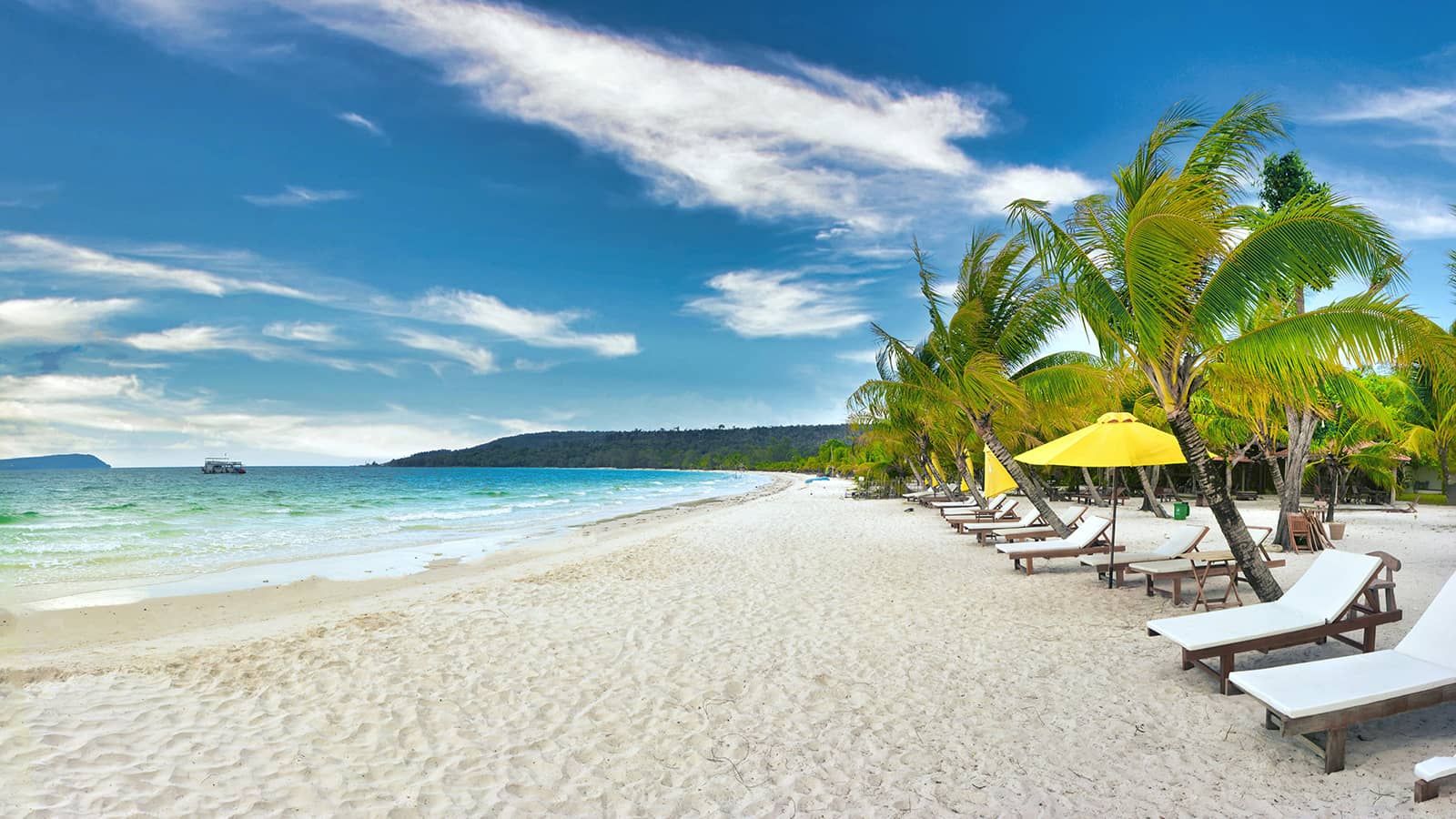
📷 Featured image by Amir Azhad on Unsplash.