On this page
- Understanding Malaysia’s DE Rantau Digital Nomad Pass in 2026
- Eligibility Requirements and Documentation
- Step-by-Step Application Process
- Financial Requirements and Tax Implications
- Renewal Process and Long-Term Considerations
- Common Pitfalls and How to Avoid Them
- Budget Breakdown for DE Rantau Applications in 2026
- Frequently Asked Questions
Malaysia’s DE Rantau digital nomad pass has become the Southeast Asian gold standard since its 2022 launch, but 2026 brings streamlined processes and clearer requirements that make this one-year renewable visa more attractive than ever. With over 15,000 successful applications processed through 2025, the Malaysian government has refined the system to attract quality remote workers while maintaining strict standards.
Understanding Malaysia’s DE Rantau Digital Nomad Pass in 2026
The DE Rantau pass grants qualified digital nomads a 12-month multiple-entry visa to live and work remotely in Malaysia. Unlike tourist visas that restrict work activities, this pass explicitly allows remote employment for overseas companies while prohibiting local Malaysian employment.
The program targets three categories: freelancers, remote employees, and digital entrepreneurs. Each category requires different documentation, but all share the same core benefit: legal residence in Malaysia without the complexity of traditional work permits.
Key changes in 2026 include faster processing times (now 14-21 working days versus the previous 30-45 days), digital submission for all documents, and clearer income verification requirements. The Malaysian Digital Economy Corporation (MDEC) now processes applications through a single online portal, eliminating the previous multi-agency coordination delays.
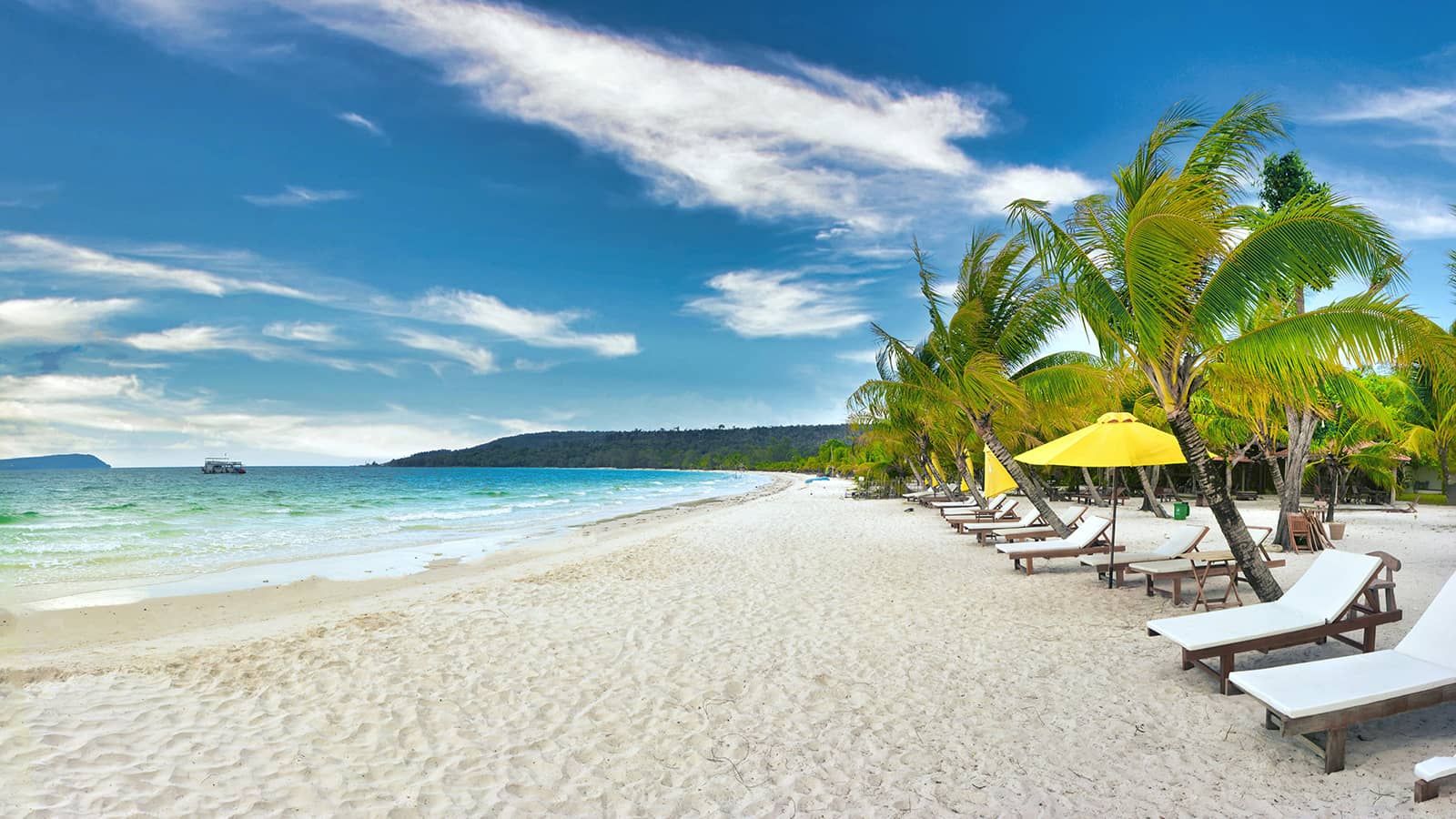
The pass covers Peninsular Malaysia, Sabah, and Sarawak, giving nomads access to the entire country. Unlike some regional programs that restrict movement, DE Rantau holders can travel freely within Malaysia and maintain their base anywhere from Kuala Lumpur’s urban energy to Langkawi’s tropical beaches.
Eligibility Requirements and Documentation
Income requirements remain the program’s primary filter. Applicants must demonstrate monthly income of at least USD 2,000 (approximately MYR 9,200) over the past three months. This threshold hasn’t changed since launch, but 2026 verification processes are more sophisticated.
Documentation requirements vary by applicant type. Remote employees need employment contracts clearly stating remote work arrangements, three months of payslips, and employer verification letters. The employer verification must explicitly confirm the remote nature of the role and the employee’s authorization to work from Malaysia.

Freelancers face more complex requirements. They need client contracts demonstrating ongoing work relationships, bank statements showing regular income deposits, and professional portfolio evidence. The key challenge for freelancers is proving income consistency rather than one-time project payments.
Digital entrepreneurs require business registration documents, revenue statements, and proof of business operations. This category has the most flexibility but requires the most comprehensive documentation to prove legitimate business activity.
All applicants need clean criminal background checks from their home country and any country where they’ve lived for more than six months in the past five years. These documents must be apostilled or authenticated through Malaysian consulates.
Health insurance coverage is mandatory for the entire pass duration. The insurance must cover medical treatment in Malaysia with minimum coverage of MYR 100,000. Most international travel insurance policies meet this requirement, but coverage must specifically include Malaysia and extend for the full 12-month period.
Step-by-Step Application Process
The application process begins at the official MDEC portal (mdec.my/de-rantau). Create an account using your passport details and primary email address. The system generates a unique application reference number that tracks your submission through completion.
Document upload follows a specific sequence. Personal documents (passport, photos) upload first, followed by professional documentation (contracts, income proof), then supporting materials (insurance, background checks). Each document type has specific file size limits and format requirements.
The application fee is MYR 1,000, payable only after document review approval. Payment timing changed in 2026 – previously, applicants paid upfront and lost fees for rejected applications. The current system reduces financial risk for applicants while maintaining government revenue from successful applications.

After submission, MDEC reviews applications in three stages. Initial document verification takes 3-5 working days and flags missing or incorrect documents immediately. Technical review follows, examining income consistency and professional credentials over 7-10 working days. Final approval involves security clearance and takes an additional 4-6 working days.
Approved applicants receive digital approval letters with unique reference codes. These codes are essential for visa collection at Malaysian consulates or immigration checkpoints. The approval letter includes specific entry requirements and reporting obligations once in Malaysia.
Visa collection varies by location. Applicants already in Malaysia can convert tourist visas to DE Rantau passes at Immigration Department offices in Putrajaya. Those overseas must collect visas from Malaysian consulates in their home countries or designated regional offices.
Financial Requirements and Tax Implications
Beyond the USD 2,000 monthly income requirement, applicants should budget MYR 15,000-20,000 for their first three months in Malaysia. This covers visa fees, accommodation deposits, and initial living expenses while establishing local banking and services.
Tax implications follow Malaysia’s 183-day residency rule. DE Rantau holders who spend fewer than 183 days in Malaysia during a calendar year maintain non-resident tax status, with no Malaysian tax obligations on overseas income. Those exceeding 183 days become tax residents, subject to Malaysian income tax on worldwide income.
Banking requirements create additional financial considerations. Most Malaysian banks require employment letters or business registration for account opening. DE Rantau holders often struggle with initial banking, as the pass doesn’t guarantee bank account approval. Some banks treat DE Rantau holders similarly to MM2H (Malaysia My Second Home) participants, requiring higher minimum balances.
Currency exchange and international transfers become ongoing expenses. Malaysian banks charge MYR 10-25 for international transfers, plus receiving bank fees. Digital nomads typically lose 2-3% on currency conversion spreads, making financial planning crucial for budget management.

Renewal Process and Long-Term Considerations
DE Rantau passes require renewal every 12 months, with applications opening 60 days before expiration. The renewal process mirrors initial applications but includes additional requirements based on Malaysian residency history.
Renewal applicants must demonstrate continuous income throughout their Malaysian residency period. This means 12 months of bank statements and client/employer verification, not just the standard three months required for initial applications. Income requirements remain at USD 2,000 monthly, but consistency becomes more critical.
Tax clearance certificates may be required for renewals, depending on time spent in Malaysia during the initial pass period. Those approaching or exceeding 183 days must provide Malaysian tax compliance documentation, even if no tax was owed due to income levels or tax treaty benefits.
Long-term residents often transition to MM2H or other residency programs after 2-3 DE Rantau renewals. The DE Rantau program doesn’t offer permanent residency pathways, making it unsuitable for indefinite Malaysian residence plans.
Multiple renewals face increasing scrutiny. Third and subsequent renewals require additional justification for continued Malaysian residence without transitioning to traditional work permits or investment-based residency programs.
Common Pitfalls and How to Avoid Them
Income documentation errors cause most application failures. Bank statements must show clear, consistent deposits matching claimed income levels. Irregular freelance payments or seasonal income patterns require additional explanation and supporting documentation to demonstrate sustainability.
Background check timing creates frequent delays. Many applicants underestimate processing times for criminal background checks, especially during peak periods or in countries with complex verification systems. Starting this process 8-10 weeks before application prevents timeline complications.
Insurance coverage gaps lead to rejections even when applicants have adequate policies. The coverage must explicitly include Malaysia and span the entire pass duration. Many travel insurance policies exclude coverage for stays exceeding 90 days or don’t cover “residence” situations.

Employment contract language poses challenges for remote employees. Contracts must clearly state remote work authorization and the employee’s permission to work from Malaysia. Generic remote work clauses often don’t satisfy MDEC requirements for specific location authorization.
Document formatting and file size requirements catch many applicants off-guard. The system accepts only PDF files under 2MB per document. High-resolution scans often exceed size limits, requiring compression that can affect document clarity and readability.
Budget Breakdown for DE Rantau Applications in 2026
Essential Costs (Budget Tier):
- Application fee: MYR 1,000
- Document preparation: MYR 500-800 (apostille, translations, notarization)
- Health insurance: MYR 1,200-2,000 annually
- First month accommodation: MYR 1,500-2,500
- Total initial investment: MYR 4,200-6,300
Comfortable Setup (Mid-Range):
- Professional document preparation service: MYR 1,500
- Comprehensive health insurance: MYR 2,500-3,500 annually
- Quality accommodation (first month): MYR 3,000-4,500
- Banking and setup costs: MYR 800-1,200
- Total investment: MYR 8,800-11,700
Premium Experience:
- Full-service visa consultancy: MYR 3,000-5,000
- Premium health coverage: MYR 4,000-6,000 annually
- Serviced apartment (first month): MYR 5,000-8,000
- Complete setup and concierge: MYR 2,000-3,000
- Total investment: MYR 15,000-23,000
Frequently Asked Questions
Can I apply for DE Rantau while already in Malaysia on a tourist visa?
Yes, but you cannot work while on tourist status. You must wait for DE Rantau approval before beginning any remote work activities. Processing typically takes 16-18 working days from complete application submission.
Does the USD 2,000 monthly income requirement apply to freelancers with irregular income?
Yes, but calculated as a three-month average. Freelancers must demonstrate USD 6,000 total income over three consecutive months, regardless of monthly distribution. Bank statements must clearly show client payments, not personal transfers.
Can my spouse and children join me on a DE Rantau pass?
No, DE Rantau passes are individual applications only. Spouses must apply separately with their own qualifying income, or family members must enter on tourist visas with appropriate extensions for longer stays.
What happens if I exceed 183 days in Malaysia during my DE Rantau period?
You become a Malaysian tax resident, subject to income tax on worldwide earnings at progressive rates up to 30%. You must register for a Malaysian tax number and file annual returns, even if no tax is owed.
Can I renew my DE Rantau pass multiple times?
Yes, but each renewal requires complete documentation including 12 months of income proof and Malaysian tax compliance verification. Multiple renewals face increased scrutiny regarding long-term residence intentions without transitioning to other visa categories.
Explore more
DE Rantau Visa Requirements: Everything You Need to Know for Malaysia Remote Work
DE Rantau vs. MM2H: Which Malaysia Visa is Best for Long-Term Digital Nomads?
Digital Nomad Cost of Living in Malaysia: A Full Budget Breakdown (KL vs. Penang)
How Much Does it Really Cost to Live in Kuala Lumpur as a Foreigner?
Penang Cost of Living Guide for Remote Workers: Is It Affordable?
Top 10 Co-working Spaces in Kuala Lumpur for Productive Digital Nomads
Best Co-working Spaces Penang: Where to Work Remotely on the Island
Finding Your Perfect Workspace: KL Co-working Spaces Compared & Reviewed
Long-Term Accommodation in Kuala Lumpur: Your Digital Nomad’s Guide to Rentals
Affordable Long-Stay Rentals in Penang for Remote Workers: A Practical Guide
📷 Featured image by Muhammad Faiz Zulkeflee on Unsplash.