On this page
- What the DE Rantau Visa Actually Is (and What It Isn’t)
- Eligibility Requirements: Who Can Apply in 2026
- DE Rantau Visa Costs: Every Fee You’ll Pay
- How to Apply: The Step-by-Step Process
- Tax Residency and the 183-Day Rule Explained
- Health Insurance Requirements and What to Buy
- Long-Term Accommodation Costs Across Malaysia
- 2026 Budget Reality: Monthly Cost of Living Breakdown
- Frequently Asked Questions
What the DE Rantau Visa Actually Is (and What It Isn’t)
If you’ve been searching for a way to work remotely from Malaysia legally — not on a tourist visa with your fingers crossed — the DE Rantau digital nomad pass is the official answer. The problem in 2026 is that misinformation is everywhere: outdated blog posts quoting wrong fees, confusion about whether it’s a visa or a pass, and forums full of people who applied under old rules that no longer apply. This article covers the current requirements, real costs, and the actual process as it stands in 2026.
DE Rantau is Malaysia’s official digital nomad programme, launched under the Malaysia Digital (MD) initiative by MDEC — the Malaysia Digital Economy Corporation. It is technically a Digital Nomad Pass, not a visa in the traditional sense. It gives you the legal right to live in Malaysia and work remotely for a foreign employer or clients outside Malaysia. You are not permitted to take up local employment or work for a Malaysian company under this pass.
The programme targets tech professionals and digital workers who earn income from outside Malaysia. It is a deliberate economic strategy — Malaysia wants skilled remote workers spending their foreign income in Ringgit, boosting local consumption without displacing local workers. Understanding this framing helps you understand why the eligibility rules are designed the way they are.
Eligibility Requirements: Who Can Apply in 2026
Not everyone qualifies. MDEC has set specific thresholds, and they check them. Here is what you need to meet before you start gathering documents.
Income Requirement
You must demonstrate a minimum monthly income of USD 24,000 per year (approximately USD 2,000 per month). MDEC accepts this in equivalent currencies. As of mid-2026, that translates to roughly MYR 9,000–9,500 per month depending on exchange rates. You need to show consistent income — three to six months of bank statements or payslips are standard evidence.
Employment Status
- A full-time employee of a company registered outside Malaysia, or
- A self-employed freelancer or business owner with clients or a registered company outside Malaysia
If your income source is Malaysian, you do not qualify. If you run a business that has any Malaysian clients, you may face scrutiny — MDEC looks at whether your primary income stream is foreign-sourced.
Sector Eligibility
The programme focuses on digital and technology-related fields. This includes software development, cybersecurity, data analytics, digital marketing, content creation, UX/UI design, and similar roles. Non-tech freelancers — writers, consultants, educators — have been approved in past cohorts, but the application requires you to clearly demonstrate the digital nature of your work.
Dependants
You can include a spouse and children under 18 in your application. Dependants do not need to meet income thresholds independently, but they cannot work in Malaysia under this pass.
Nationality Restrictions
The DE Rantau pass is open to most nationalities. Citizens of countries with no diplomatic relations with Malaysia should check with the Immigration Department directly before applying.
DE Rantau Visa Costs: Every Fee You’ll Pay
This is where confusion runs rampant online. There are multiple fees involved, and the total cost is higher than most people expect when they first read about the programme.
MDEC Application Fee
The fee to apply through the DE Rantau portal is MYR 1,000 per applicant for a 12-month pass. This is paid to MDEC and is non-refundable regardless of outcome. A spouse or child added as a dependant costs an additional MYR 500 each.
Immigration Endorsement Fee
Once MDEC approves your application, you pay a separate fee to the Immigration Department of Malaysia to have the pass endorsed in your passport. This is approximately MYR 90–120 and varies slightly by nationality and processing location.
Renewal Fees
The DE Rantau pass is issued for 12 months initially. A second 12-month renewal is available at MYR 1,000 — the same as the initial application. Total maximum stay under this programme is 24 months before you would need to explore other long-term visa options like the Malaysia My Second Home (MM2H) programme.
Mandatory Health Insurance
Health insurance is a hard requirement — no policy, no approval. See the dedicated section below for costs, but budget a minimum of MYR 300–600 per month for a policy that meets MDEC’s standards.
Document Authentication Costs
Some documents — particularly employment letters and educational certificates — may require notarisation or apostille authentication in your home country before submission. These costs vary widely by country but budget MYR 200–800 as a rough allowance depending on your documents and country of origin.
Total realistic first-year cost (fees only, excluding living expenses): MYR 1,500–2,500 for a single applicant, or MYR 2,000–3,500 for a couple.
How to Apply: The Step-by-Step Process
The application is handled entirely online through the official DE Rantau portal at derantau.mdec.my. Do not use third-party agents unless you specifically need help compiling documents — the process itself does not require one.
- Create an account on the DE Rantau portal and start a new application.
- Prepare your documents: passport (valid for at least 14 months beyond your intended arrival), proof of employment or business registration outside Malaysia, three to six months of bank statements showing consistent income above the threshold, a detailed CV or professional profile, and a passport-sized photo.
- Upload and submit your application with the MYR 1,000 payment. Keep your payment receipt.
- Wait for MDEC assessment. Standard processing in 2026 is four to six weeks. Incomplete applications are returned, not rejected outright — you typically get one chance to resubmit missing documents.
- Receive your Approval Letter from MDEC. This is emailed to you and is valid for three months — you must complete immigration endorsement within that window.
- Visit an Immigration Department office in Malaysia (or a Malaysian embassy abroad in some cases) to have the pass officially stamped and endorsed in your passport. The Immigration fee is paid here.
- Register with LHDN (Lembaga Hasil Dalam Negeri — the Malaysian Inland Revenue Board) to obtain a tax identification number. This is a legal requirement for anyone residing in Malaysia for an extended period, even if your income is foreign-sourced and potentially exempt.
Tax Residency and the 183-Day Rule Explained
This section matters more than most applicants realise, and getting it wrong can be expensive.
Malaysia uses a 183-day rule to determine tax residency. If you are physically present in Malaysia for 182 days or fewer in a calendar year, you are a non-resident for tax purposes. Non-residents are taxed at a flat rate of 30% on any Malaysian-sourced income. If you are in Malaysia for 183 days or more, you become a tax resident and are taxed on a progressive scale starting at 0% for the first MYR 5,000 and rising to 30% for income above MYR 2,000,000.
Here is the practical implication for DE Rantau holders: if your income is entirely foreign-sourced — paid by a foreign employer or international clients into a foreign bank account — it is generally not subject to Malaysian income tax under current rules, whether you are a resident or non-resident. Malaysia revised its foreign-sourced income rules in 2022, and as of 2026, certain exemptions still apply for individuals, though the rules have been reviewed periodically. You should verify the current status with a Malaysian tax professional before assuming full exemption.
Registering your tax number with LHDN does not mean you will owe tax — it simply puts you in the system. File a return annually to confirm your status. Failing to register or file when required carries penalties.
Health Insurance Requirements and What to Buy
MDEC requires that your health insurance policy:
- Provides coverage in Malaysia (not just your home country)
- Covers hospitalisation and surgical expenses
- Has a minimum coverage limit — in 2026, the generally accepted minimum is USD 50,000 (approximately MYR 230,000) per year
- Is from a reputable international or local insurer that MDEC can verify
International travel insurance policies that include extended medical coverage often satisfy these requirements. Plans from providers operating internationally — often called International Private Medical Insurance (IPMI) plans — are widely used by DE Rantau holders. Monthly premiums for a healthy adult aged 25–40 typically run MYR 300–550 per month. For ages 40–55, expect MYR 500–900 per month.
Malaysian private health insurance is also an option. Local insurers like AIA Malaysia, Prudential Malaysia, and Great Eastern offer plans that cover hospitalisation at private hospitals. Malaysia’s private hospitals — particularly in Kuala Lumpur and Penang — are excellent and significantly cheaper than equivalent care in Australia, the UK, or the US, which keeps insurance premiums comparatively low.
Walking into a government hospital on a DE Rantau pass means paying foreigner rates, which are higher than citizen rates but still very affordable by international standards — a standard outpatient consultation runs around MYR 15–30 at a government clinic. Private GP visits cost MYR 60–150 depending on the clinic.
Long-Term Accommodation Costs Across Malaysia
Accommodation is your largest recurring expense. Rental prices in 2026 have risen from 2024 levels, particularly in Kuala Lumpur, driven by increased demand from the growing expat and nomad community. Monthly costs below are for a fully-furnished one-bedroom apartment on a minimum three-month lease.
Kuala Lumpur
The KLCC and Bukit Bintang areas — central, walkable, close to public transport — run MYR 2,800–5,500 per month for a one-bedroom. Mid-range areas like Mont Kiara, Bangsar, and Damansara Heights come in at MYR 2,200–4,000. More affordable suburbs like Cheras, Kepong, and Setapak offer one-bedroom units from MYR 1,200–2,000, with easy MRT and LRT access following the 2025 Putrajaya Line extension.
Penang (George Town)
George Town remains popular with digital nomads for its slower pace and outstanding food culture. A one-bedroom in the heritage zone runs MYR 1,800–3,500. Further out in Bayan Lepas or Batu Maung near the airport, you’ll find similar spaces for MYR 1,200–2,000.
Langkawi
Lower density and a more resort-like setting. Decent one-bedrooms range from MYR 1,500–3,000, but the trade-off is limited public transport and higher grocery prices for imported goods.
Kota Kinabalu (Sabah)
A growing favourite for nomads who want proximity to nature. City centre one-bedrooms run MYR 1,200–2,500, and the cost of food and daily life is noticeably cheaper than peninsular Malaysia.
2026 Budget Reality: Monthly Cost of Living Breakdown
These figures assume a single person on the DE Rantau pass living comfortably — not luxuriously — in Kuala Lumpur.
- Budget tier (MYR 4,000–5,500/month): Apartment in an outer district, eating mostly at hawker centres and mamak stalls (where a full meal costs MYR 6–12 and strong teh tarik costs MYR 2), using MRT and Grab for transport, buying groceries at wet markets. This is genuinely comfortable, not spartan.
- Mid-range tier (MYR 5,500–8,500/month): One-bedroom in a mid-range neighbourhood, mix of local food and occasional restaurant dining, gym membership (MYR 100–250/month), occasional weekend travel within Malaysia.
- Comfortable tier (MYR 8,500–14,000/month): Central apartment with pool and gym facilities, regular dining out at international restaurants, private health insurance with comprehensive coverage, car rental or ownership, frequent short-haul travel.
These figures include accommodation, food, transport, health insurance, entertainment, and a reasonable buffer for incidentals. They exclude the initial DE Rantau application fee, which is a one-time cost. One thing that remains genuinely striking about living in Kuala Lumpur — even in 2026 — is how far the Ringgit goes on daily food. Sitting down to a bowl of curry laksa at a Chow Kit kopitiam, the broth rich with coconut milk and the air thick with lemongrass and dried shrimp, costs around MYR 8. The value-for-quality ratio on Malaysian food has no real equivalent in most developed cities.
Frequently Asked Questions
Can I apply for the DE Rantau pass while already in Malaysia on a tourist visa?
Yes, you can apply online while in Malaysia on a social visit pass. However, immigration endorsement timing matters — you cannot overstay your tourist entry while waiting for approval. Many applicants apply before travelling so the approval letter is ready upon arrival. Processing takes four to six weeks in 2026.
Does the DE Rantau pass allow me to open a Malaysian bank account?
Yes. The DE Rantau pass is accepted by Malaysian banks as proof of legal residence, which is required to open a local account. CIMB, Maybank, and RHB all accept DE Rantau holders. A local account makes paying rent and utilities significantly easier and avoids foreign transaction fees on your international card.
What happens if my income drops below the threshold after I receive the pass?
MDEC does not conduct regular income monitoring during your pass period. The income threshold is verified at application and renewal. If your income drops temporarily, your existing pass remains valid. However, at renewal you will need to demonstrate that you again meet the income requirement for the second 12-month period.
Can I bring my pet to Malaysia on the DE Rantau pass?
The DE Rantau pass itself has no provisions regarding pets — that is a separate matter handled by the Department of Veterinary Services Malaysia. Importing pets requires health certificates, rabies vaccination records, and sometimes a quarantine period depending on the country of origin. Start the process at least three months before travel.
Is the DE Rantau pass the same as permanent residency or a work permit?
No — it is neither. The DE Rantau pass does not lead to permanent residency, and it does not permit you to work for Malaysian employers. It is a time-limited residence pass for remote workers employed by or working for entities outside Malaysia. Maximum stay under this programme is 24 months across two consecutive annual passes.
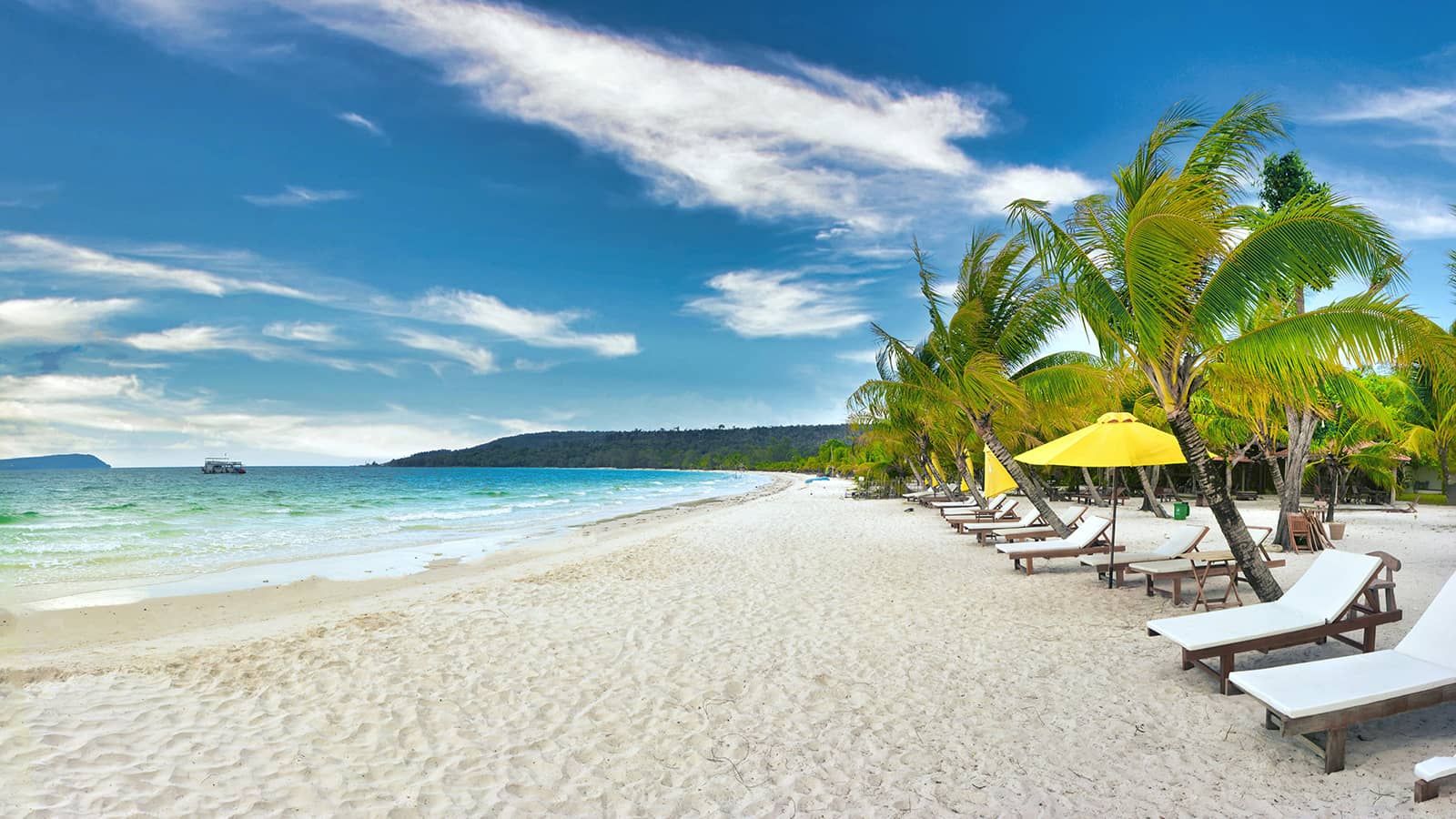
📷 Featured image by Anastasiia Nelen on Unsplash.