On this page
- Why Kota Kinabalu Works as a Dive Base
- Best Neighbourhoods for Divers and Snorkellers
- The Dive and Snorkel Sites Worth Your Time
- Where to Eat Between Dives
- Getting to the Jetty and Onto the Water
- Day Trips Beyond the Marine Park
- After the Dive: Evenings and Entertainment
- Shopping: Gear, Pearls and Souvenirs
- Where to Stay by Budget
- When to Dive: Seasons and Festivals
- Practical Tips: Safety, Gear and Rules
- 2026 Budget Breakdown
- Frequently Asked Questions
💰 Click here to see Malaysia Budget Breakdown
💰 Prices updated: October, 2026. Budget figures are estimates — always verify before travel.
Exchange Rate: $1 USD = RM4.08
Daily Budget (per person)
Shoestring: RM100.00 – RM180.00 ($24.51 – $44.12)
Mid-range: RM250.00 – RM450.00 ($61.27 – $110.29)
Comfortable: RM500.00 – RM1,000.00 ($122.55 – $245.10)
Accommodation (per night)
Hostel/guesthouse: RM30.00 – RM60.00 ($7.35 – $14.71)
Mid-range hotel: RM110.00 – RM200.00 ($26.96 – $49.02)
Food (per meal)
Budget meal: RM15.00 ($3.68)
Mid-range meal: RM35.00 ($8.58)
Upscale meal: RM100.00 ($24.51)
Transport
Single metro/bus trip: RM2.00 ($0.49)
Monthly transport pass: RM50.00 ($12.25)
Most divers who land in Sabah in 2026 are heading straight to Sipadan, and they find out too late that the permits are limited, the flights to Tawau add a full travel day, and Semporna costs more than they planned. Kota Kinabalu gets overlooked in that rush. That is a mistake. Within 20 minutes by boat from the city centre you can be floating over healthy hard coral, and within two hours you can reach clearer water with wrecks and macro life. This guide shows you how to dive and snorkel from Kota Kinabalu without a long transfer, a huge budget, or a booking made months ahead.
Why Kota Kinabalu Works as a Dive Base
Kota Kinabalu, or KK as everyone calls it, is a compact waterfront city with Mount Kinabalu on one side and the South China Sea on the other. It moves at a relaxed pace. Fishermen unload at dawn, office workers eat lunch by the water, and by late afternoon the whole city turns toward the sunset. The call to prayer from the floating City Mosque in Likas drifts across the bay at dusk, just as the grills start smoking along the waterfront.
For divers, the big advantage is convenience. The five islands of Tunku Abdul Rahman Marine Park (Gaya, Sapi, Manukan, Mamutik and Sulug) sit just offshore. You can finish a morning dive, be back at a hotel pool by lunch, and still catch the sunset over Tanjung Aru Beach. Sabah’s reputation for diving is built on Sipadan, but KK is the best place for beginners, snorkellers, families, and divers who want variety without a heavy schedule.
Be realistic about what you will see. Decades of blast fishing and storm damage hurt some reefs near the city, and coral bleaching in warm years has not helped. Many sites have recovered well, but this is not big-fish diving. Expect colourful reef life, small creatures, and calm conditions. Divers who come with that expectation leave happy.
Best Neighbourhoods for Divers and Snorkellers
Where you sleep decides how easy your boat mornings are. KK is small, but traffic builds up around the waterfront at 8:00 am.
Waterfront and City Centre
This is the practical choice. Jesselton Point Ferry Terminal, where most island boats leave, is a short walk or a RM6–RM10 Grab ride away. Restaurants, mini markets, dive shops, and the Filipino Market are all close. It suits first-timers, solo travellers, and anyone who wants to book trips in person and compare prices.
Gaya Street and Old Town
Colonial-era shophouses, coffee shops, and street art give this area character. It is five to ten minutes from the jetty and has good cafés for an early breakfast. It suits travellers who want atmosphere and do not mind some noise on weekend nights.
Tanjung Aru
About 5 km south of the centre, Tanjung Aru has a long beach, open sky, and the best sunsets in town. It is close to the airport, which helps on departure day. It is a good fit for couples and divers who like quiet evenings, though you will need Grab to reach the main jetty.
Sutera Harbour
This is a gated resort area with its own marina. Boats to Manukan and Mamutik depart from here, so resort guests can skip the crowds at Jesselton Point. It suits families and travellers who want everything in one place.
Pulau Gaya
A few eco-resorts sit on the island itself, right beside the reef. It is the most peaceful option and the best for snorkelling straight from the beach, but it is the most expensive, and you rely on boat schedules for dinner in the city.
The Dive and Snorkel Sites Worth Your Time
The marine park is the core of diving from KK. Each island has a slightly different feel, so pick based on your experience level.
Sapi Island
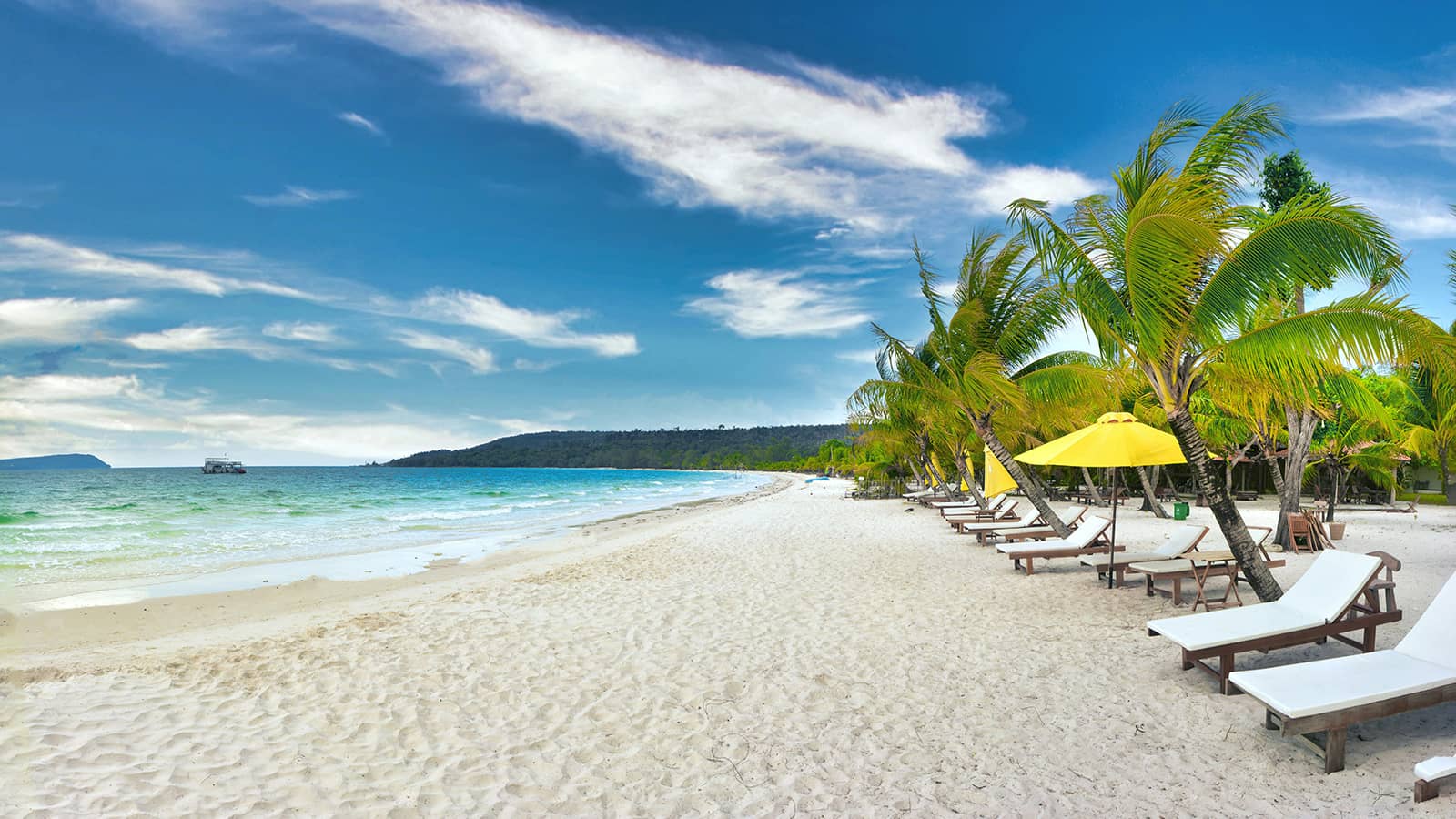
Sapi has the clearest water and the most popular snorkelling in the park. You can wade in from a white sand beach and be above coral within minutes. Expect clownfish in anemones, parrotfish, sergeant majors, and the occasional giant clam. Warm, glassy water, a salty taste on your lips, and the hiss of your own breathing through the snorkel are what you will remember. It gets busy after 10:30 am, so go early.
Mamutik Island
The smallest island is also the calmest. It is a good spot for Discover Scuba sessions and for nervous swimmers because the shallow reef is close to shore. You can see lionfish, cuttlefish, and small reef fish among the coral heads.
Manukan Island
The largest island has more facilities, including a restaurant, showers, and a pool. Snorkelling is decent, especially on the quieter stretches away from the main jetty. It works well for mixed groups where some people dive and others want a beach day.
Gaya Island
Gaya is the biggest island and offers the most variety. Dive operators use sites on the south and east sides, including sandy slopes with soft corals and macro life. Look for nudibranchs, shrimp, and the odd bamboo shark under ledges. Visibility generally runs 5–15 metres depending on tide and rain.
Sulug Island
The least visited island has quieter reefs and fewer boats. Some dive centres include it on request. It suits divers who prefer a calm site and do not need facilities on land.
Most dive centres in KK are PADI-affiliated and run daily boat trips to the marine park with two fun dives. Beginners can book an introductory dive that includes a short briefing and a shallow guided session. If you plan to learn, an Open Water course takes three to four days.
Where to Eat Between Dives
Diving makes you hungry, and KK has plenty of cheap, fresh options near the water.
- Filipino Market (Handicraft Market) night food stalls: Fresh fish, prawns, squid, and crab are weighed at the stall and grilled over charcoal. The smoky, garlicky smell hits you from the street. Meals cost about RM25–RM60 per person depending on what you pick, and you should agree on prices before cooking.
- Kedai Kopi Fook Yuen, Gaya Street: A traditional kopitiam for a morning kaya toast and coffee before the boat. A set breakfast costs about RM8–RM12.
- Yee Fung Laksa: A local favourite for laksa and Sabah-style noodles. Bowls cost around RM10–RM15, and lunch crowds form quickly, so arrive before noon.
- Jesselton Point food court: Handy right after your boat returns. Rice, noodles, and cold drinks cost RM8–RM15, and you can eat in your swimwear without anyone caring.
- Tanjung Aru Beach food stalls: Grilled corn, satay, and fresh coconut at sunset. Good for a relaxed, low-cost dinner by the sea.
- Gaya Street Sunday Market: Held in the morning, with local snacks, fruit, and Sabah tea. Go before your dive if you are not diving that day.
Eat light before diving, drink water, and save the big seafood meal for afterward.
Getting to the Jetty and Onto the Water
Kota Kinabalu has no MRT or LRT, so getting around means Grab, taxis, and your own feet. The system is simple once you know the points.
- From the airport: Kota Kinabalu International Airport is about 8 km from the centre. A Grab to the city or waterfront usually costs RM20–RM35 and takes 15–25 minutes. Use the airport coupon taxi counter if you prefer a fixed price.
- Jesselton Point Ferry Terminal: The main departure point for the marine park. Dozens of operators sell tickets here. Boats run roughly every 30 minutes in the morning, and the ride to Sapi or Mamutik takes 10–15 minutes.
- Sutera Harbour Marina: Used by resort guests and some dive operators. Check where your boat departs before you set out.
- Local buses and minivans: City routes exist, but they are not reliable for boat schedules. Grab is easier in the morning.
- Walking: The waterfront, Gaya Street, and the Filipino Market are all within walking distance. In the heat, plan to walk before 9:00 am or after 5:00 pm.
Most dive centres include hotel pick-up in their price. Ask when you book, because it saves you a Grab fare and a rushed morning.
Foreign visitors should also remember that Malaysia requires the MDAC digital arrival card before entry. Fill it out online before you fly so you are not scrambling at the airport.
Day Trips Beyond the Marine Park
When you want clearer water and bigger sites, these day trips are worth the extra travel.
Mantanani Islands
Plan about 12 hours. You drive roughly 1.5 hours north to Kuala Abai jetty near Kota Belud, then take a 45-minute speedboat. Visibility is often better than in the marine park, the sand is white, and the area is known for wreck diving and macro life. Dugong sightings are rare, but snorkellers sometimes spot turtles. Most dive operators and tour companies run this as a full-day package.
Pulau Tiga
Roughly a 1.5-hour drive to Kuala Penyu, followed by a short boat ride. The island became famous as the first Survivor filming location. Diving here offers walls, coral gardens, and a chance to see sea snakes and small reef fish. Full-day trips are common, but an overnight stay lets you relax.
Labuan
Labuan has wrecks, including some of the best-known in Malaysia, and suits experienced divers. It takes a short flight or a ferry from the Sabah coast, so treat it as a two- or three-night trip rather than a day trip.
Multi-Island Hopping in the Marine Park
If you only have one day, island hopping to two or three islands is the simplest option. Starting at 9:00 am and returning by 3:00 pm gives you enough time for snorkelling, lunch, and a beach rest.
Sipadan is not a practical day trip from KK. It requires a flight to Tawau, a road transfer to Semporna, and a permit through a licensed operator. Treat it as a separate multi-day trip if it is on your list.
After the Dive: Evenings and Entertainment
Evenings in KK are easy and unhurried. After a day in salt water, most people want a cold drink and a view.
- Waterfront Esplanade: A row of restaurants and bars facing the sea. Live cover bands play most nights, and the atmosphere is friendly rather than wild.
- Sunset at Tanjung Aru Beach: The sun drops behind the islands you dived that morning. Bring a drink and sit on the sand.
- Hotel rooftop and sky bars: Several upscale hotels offer sea-view bars where cocktails run RM35–RM60.
- Night markets: The Filipino Market and the Sinsuran area stay lively after dark, with grilled seafood smoke, vendor calls, and plenty of people watching.
- Gaya Street bars and cafés: A quieter option with small bars, coffee shops, and street art.
Alcohol is more widely available in Sabah than in many parts of Peninsular Malaysia, but remember that divers should not drink heavily the night before a dive. Dehydration and a hangover raise your risk underwater.
Shopping: Gear, Pearls and Souvenirs
- Filipino Market (Handicraft Market): Pearls, shell jewellery, sarongs, dried seafood, and batik prints. Bargain politely and expect to pay 20–30% less than the first price. Check pearls carefully, because not all are natural.
- Gaya Street Sunday Market: Local crafts, plants, and snacks, held in the morning.
- Suria Sabah, Imago, and Oceanus Waterfront Mall: Air-conditioned malls for sunscreen, swimwear, rash guards, and waterproof phone pouches.
- Dive shops near the waterfront: Masks, snorkels, fins, dive computers, and reef-safe sunscreen. Prices are fair, but renting is cheaper unless you dive often.
For snorkellers, a good mask that fits your face matters more than anything else. Try several in the shop before you buy. Many dive centres rent snorkel sets for about RM15–RM30 per day.
Where to Stay by Budget
Budget (RM40–RM150 per night)
Hostels and small guesthouses around the waterfront and Gaya Street offer dorm beds from about RM40–RM70 and private rooms from RM100–RM150. Many arrange dive bookings and early-morning pick-ups. They are the best choice for backpackers and solo divers who want to meet others.
Mid-Range (RM180–RM400 per night)
Business hotels and boutique stays in the city centre and near Tanjung Aru offer air conditioning, pools, and breakfast. This tier works for most couples and families. Remember that foreign guests pay the RM10 per room per night Malaysian tourism tax, so check whether it is included in the quoted rate.
Luxury (RM500 and above per night)
Resorts at Sutera Harbour, beachfront properties at Tanjung Aru, and eco-resorts on Pulau Gaya sit in this tier. Island resorts often charge RM1,000 or more per night, and in return give you private reef access, boat transfers, and quiet evenings.
During peak months from July to August and during major holidays, book at least a month ahead. In low season you can often find last-minute deals.
When to Dive: Seasons and Festivals
Kota Kinabalu sits near the equator, so the water stays warm all year at about 28–30°C. The difference is rain and visibility.
- March to October (best): The drier months bring calmer seas and better visibility. July and August are busy with domestic and international tourists, so book boats and rooms earlier.
- May to June: A good balance. Seas are generally calm, and prices are lower than in the peak months.
- November to February (wetter): Heavy showers and rougher seas can cancel boat trips, and visibility drops after storms. Prices are lower, and you can still dive on clear days.
Plan around the Kaamatan harvest festival, held at the end of May, when Sabah celebrates with traditional music, dance, and food. It is a good cultural addition to a dive trip, though some businesses close for the public holidays on 30 and 31 May. In 2026, Malaysia is also running its Visit Malaysia Year campaign, so expect more visitors than usual and more tourism events through the year.
Practical Tips: Safety, Gear and Rules
- No-fly time: Wait at least 18 hours after multiple dives before flying, and 12 hours after a single dive. Schedule your last dive at least a day before your flight out.
- Marine park fees: Sabah Parks charges a conservation fee for entering the marine park. International adults pay more than Malaysians, so keep your passport or MyKad handy. A terminal fee also applies at Jesselton Point. Most tour prices include these, but check.
- Reef protection: Do not touch or stand on coral, and do not feed fish. Use mineral or reef-safe sunscreen, or wear a rash guard, to cut down on chemicals in the water. Single-use plastics are discouraged on the islands, so bring a refillable bottle.
- Safety: KK is generally safe, but keep valuables locked up and use a licensed operator with life jackets for every passenger. Do not book from touts who cannot show a licence.
- Insurance: Make sure your travel insurance covers diving to the depth you plan to reach. Many policies exclude it.
- Tipping: Not required in Malaysia, but RM10–RM20 per diver for a good guide is appreciated.
- Language: Bahasa Malaysia and English are both widely spoken at tour counters and dive centres.
- SIM cards: Buy a tourist SIM at the airport or a mall. Data packages cost about RM20–RM40 and coverage is good in the city but weak on the outer islands.
- Water and heat: Drink often. Midday sun is intense, and sunburn on the boat is the most common complaint among visitors.
- Midday pause: Many small shops close for a break around 1:00–2:00 pm, and Friday prayers slow things down around noon. Plan errands for the morning.
2026 Budget Breakdown
Prices below are approximate for 2026 and can change by operator and season. They cover a single traveller for one day.
Budget: RM150–RM300 per day
- Dorm bed: RM40–RM70
- Meals at kopitiam and food courts: RM30–RM45
- Snorkelling island-hopping package: RM60–RM150 including fees
- Grab and local transport: RM10–RM25
Mid-Range: RM450–RM900 per day
- Hotel room: RM180–RM400
- Meals including a seafood dinner: RM80–RM150
- Two fun dives with gear: RM300–RM450
- Transport: RM30–RM60
Comfortable: RM1,200 and above per day
- Resort stay: RM500–RM1,500
- Meals and drinks at nicer restaurants and bars: RM200–RM350
- Private boat or Mantanani dive day: RM450–RM800
- Transfers and extras: RM80–RM200
Course prices run higher. Expect an Open Water certification to cost around RM1,300–RM1,800, and an introductory dive around RM300–RM500.
Frequently Asked Questions
Is Kota Kinabalu good for snorkelling?
Yes. The islands of Tunku Abdul Rahman Marine Park are 10–20 minutes by boat from the city, and Sapi and Mamutik have shallow reefs with colourful fish. Visibility varies, but dry months from March to October usually give the best clarity. Go early to avoid the crowds.
Can beginners dive in Kota Kinabalu?
Absolutely. Calm, shallow sites around Mamutik and Gaya suit beginners, and many operators offer Discover Scuba sessions with a briefing and a certified instructor. Expect to pay roughly RM300–RM500. You do not need a licence for these supervised dives, but you must be healthy and comfortable in water.
How much does a dive trip from Kota Kinabalu cost in 2026?
Two fun dives in the marine park with gear usually cost RM300–RM450. Day trips to Mantanani or Pulau Tiga run about RM450–RM650. Snorkelling island-hopping packages cost RM60–RM150. Marine park conservation fees and terminal fees may be included or charged separately, so ask first.
What is the best month to dive in Kota Kinabalu?
March to October is the best period, with calmer seas and better visibility. May and June offer a good balance of weather and lower prices. July and August are the busiest. From November to February, rain can cancel trips, but you can still dive on clear days.
Can I dive Sipadan from Kota Kinabalu?
Not as a day trip. Sipadan requires a flight from KK to Tawau, a road transfer to Semporna, and a permit arranged through a licensed operator. Most visitors plan three to five days for the trip. For a short stay, the marine park and Mantanani are far more practical.