On this page
- Jonker Street Still Draws Crowds — Here’s What You Actually Need to Know in 2026
- What Makes Jonker Street Different from Every Other Heritage Strip
- Understanding the Layout — Which Blocks Matter and How Long You Need
- The Weekend Night Market — What Actually Happens and What’s Worth Your Time
- Where to Eat and Drink on Jonker Street — Specific Spots Worth Queueing For
- Antiques, Batik, and What’s Actually Worth Buying
- The Peranakan Shophouses — What to Look For on the Street Itself
- Getting to Jonker Street — Transport Options in 2026
- Day vs. Night — Two Completely Different Streets
- Where to Stay Near Jonker Street — Accommodation by Budget
- Budget Breakdown — What a Jonker Street Visit Actually Costs in 2026
- Practical Tips for Visiting Jonker Street in 2026
- Frequently Asked Questions
💰 Click here to see Malaysia Budget Breakdown
💰 Prices updated: August, 2026. Budget figures are estimates — always verify before travel.
Exchange Rate: $1 USD = RM4.03
Daily Budget (per person)
Shoestring: RM100.00 – RM200.00 ($24.81 – $49.63)
Mid-range: RM180.00 – RM400.00 ($44.67 – $99.26)
Comfortable: RM450.00 – RM1,300.00 ($111.66 – $322.58)
Accommodation (per night)
Hostel/guesthouse: RM20.00 – RM70.00 ($4.96 – $17.37)
Mid-range hotel: RM100.00 – RM350.00 ($24.81 – $86.85)
Food (per meal)
Budget meal: RM15.00 ($3.72)
Mid-range meal: RM35.00 ($8.68)
Upscale meal: RM100.00 ($24.81)
Transport
Single metro/bus trip: RM2.00 ($0.50)
Monthly transport pass: RM150.00 ($37.22)
Jonker Street Still Draws Crowds — Here’s What You Actually Need to Know in 2026
Malacca‘s historic centre became a UNESCO World Heritage Site back in 2008, and since then Jonker Street has absorbed wave after wave of tourism pressure. By 2026, the street is more crowded on weekends than ever, the trinket shops have multiplied, and a handful of genuinely brilliant food stalls and antique dealers are now buried between Instagram-bait cafés. If you arrive without a plan, you’ll spend two hours shuffling through a hot, loud corridor and leave wondering what the fuss was about. If you know where to look and when to show up, Jonker Street is still one of the most atmospheric streets in Southeast Asia — layered, loud, and completely unlike anywhere else in Malaysia.
What Makes Jonker Street Different from Every Other Heritage Strip
Jonker Street — officially Jalan Hang Jebat — sits inside Malacca’s Chinatown district, but calling it a Chinatown undersells it. This 500-metre stretch and the lanes radiating off it carry five centuries of layered history: Chinese merchants, Portuguese colonisers, Dutch administrators, and the Peranakan (Baba-Nyonya) culture that emerged when Chinese traders married local Malay women. That cultural collision is still visible in the food, the architecture, the temple rituals, and the antique shops — if you know what you’re looking for.
What separates Jonker Street from similar heritage strips in Penang or Ipoh is density. Everything is compressed into a walkable core. Within ten minutes of each other you have a functioning Chinese temple, clan houses that predate Malaysian independence, colonial-era shophouses painted in that unmistakable peeling mustard-and-teal palette, and stalls selling food that families have been making for generations. The street has commercialised, yes. But the bones are still extraordinary.
Understanding the Layout — Which Blocks Matter and How Long You Need
First-timers often make the mistake of treating Jonker Street as a single road. The real experience spreads across several parallel and connecting lanes.
- Jalan Hang Jebat (Jonker Street proper): The main strip, running roughly north-south. This is where the night market sets up on weekends and where most tourist-facing shops cluster. The northern end near Jalan Tun Tan Cheng Lock has the most character; the southern end near the river is more food-focused.
- Jalan Tun Tan Cheng Lock (Millionaires’ Row): Running parallel to Jonker Street. This is where the grandest Peranakan townhouses sit, including the Baba & Nyonya Heritage Museum. Less crowded than Jonker proper, more architectural drama.
- Jalan Tokong: The lane connecting Jonker to the Sri Poyyatha Vinayagar Moorthi Temple and the Kampung Kling Mosque. One block, five minutes, three religions.
- The riverside area: The Malacca River walk connects to Jonker Street’s southern end. Worth a short detour in the evening when the lights reflect off the water.
For a relaxed, thorough visit, budget two to three hours on a weekday. Weekend nights with the market running: allow four hours minimum if you want to eat, browse, and not feel rushed.
The Weekend Night Market — What Actually Happens and What’s Worth Your Time
The Jonker Street Night Market runs every Friday, Saturday, and Sunday evening. In 2026, the operating hours are roughly 6:00 PM to midnight, though vendors start setting up from around 5:00 PM and things wind down earlier on Sundays. The Malacca City Council has maintained this schedule consistently, though public holidays sometimes extend it to Thursdays.
The market takes over the full length of Jalan Hang Jebat, with vehicles completely barred. Stalls line both sides of the road and the middle fills with the crowd — on a Saturday peak night, you’ll genuinely be shoulder-to-shoulder from around 8:00 PM to 10:00 PM. The smell hits you before the crowd does: deep-fried kuih, grilled corn dripping with butter and cheese powder, the sweet char of caramelised sugar from egg puffs, and underneath it all, the warm damp smell of old wood and stone from the shophouses above.
What’s genuinely worth buying at the night market:
- Nyonya kuih — small glutinous rice cakes and pandan pastries from vendors who set up near the northern entrance. Usually gone by 9:30 PM.
- Handmade beaded accessories — a few stalls near the middle of the market still sell genuine Peranakan-style beadwork. These are MYR 25–80 depending on complexity.
- Local ceramics and painted tiles — smaller pieces from MYR 15. The quality varies enormously; look for hand-painted pieces rather than printed transfers.
- Cendol — the famous Jonker Street cendol (shaved ice with pandan jelly, red beans, and coconut milk) is sold from a permanent stall just off the main strip. This is one of the most legitimately excellent versions in Malaysia.
Skip: most of the mass-produced fridge magnets, “I Love Malacca” T-shirts, and the coconut-shell ornaments that are identical to what you’ll find in every tourist market from Langkawi to Sabah.
Where to Eat and Drink on Jonker Street — Specific Spots Worth Queueing For
The food situation on Jonker Street is genuinely excellent if you target the right places. Here’s what’s working in 2026:
Nancy’s Kitchen
Located on Jalan Hang Lekir (a short walk from Jonker Street), Nancy’s Kitchen is the most consistent Nyonya food address near the heritage zone. Ayam pongteh (chicken braised with fermented soybean paste and potatoes), asam fish, and perut ikan curry. Expect to pay MYR 15–25 per dish. Lunch service only; closed Tuesdays. Go at 11:30 AM to beat the crowd.
Jonker 88
The cendol and laksa stall that has become something of a local institution along the main strip. Their cendol — served in a deep bowl with gula Melaka palm sugar syrup poured tableside — is thick, cold, and properly sweet without being cloying. MYR 6–8 per bowl. Also serves Nyonya laksa. The queue moves faster than it looks.
Donald and Lily’s
A kopitiam on Jalan Hang Jebat that opens early and does proper Hainanese-style coffee — strong, roasted, and served in a ceramic cup that’s been stained brown by decades of use. Good for breakfast before the tourist rush. Kaya toast with butter, half-boiled eggs, and black coffee: MYR 8–12 total.
The Glutton’s Corner Area
Head to Jalan Laksamana at the northern end of the heritage zone for a cluster of evening hawker stalls. Satay celup (a Malacca-specific hot pot where you dip skewered ingredients into peanut sauce) is the unmissable order here. Stalls open from around 6:00 PM. Budget MYR 20–35 per person depending on how many skewers you pull.
Drinks
Several heritage cafés along the side lanes serve local cold drinks: bandung (rose milk), cincau (grass jelly drink), and fresh sugarcane juice pressed to order. A glass costs MYR 3–5. For something stronger, a few craft beer bars have opened in the shophouses along Jalan Tun Tan Cheng Lock — Tiger and Carlsberg on tap from MYR 18 a pint, local craft beers MYR 22–28.
Antiques, Batik, and What’s Actually Worth Buying
Jonker Street built its reputation on antiques, and a genuine antique trade still exists here — it’s just been diluted by reproductions. Here’s how to navigate it in 2026.

The serious antique dealers are concentrated in the first half of Jalan Hang Jebat (the northern section) and along Jalan Tun Tan Cheng Lock. These shops sell colonial-era ceramics, Peranakan wedding furniture, brass ware, vintage tin advertising signs, and old Straits Chinese jewellery. Prices are negotiable and range from MYR 50 for small pieces to MYR 5,000+ for significant furniture. If you don’t know what you’re looking at, bring photos of what interests you and ask the dealer directly — the serious ones respect informed questions.
Reproductions are everywhere and are not necessarily a problem if you know you’re buying a reproduction. Replica Peranakan tiles start at MYR 12. Reproduction Nyonya porcelain sets run MYR 80–200. These make reasonable souvenirs.
Batik fabric and ready-made batik clothing is worth buying here. Several shops stock hand-drawn batik (more expensive, MYR 80–250 per metre) alongside the printed variety (MYR 20–50). The hand-drawn pieces have irregular dye bleeding at the wax lines — this is how you tell them apart.
The Peranakan Shophouses — What to Look For on the Street Itself
You don’t need to pay museum entry fees to experience Peranakan architecture on Jonker Street — the streets themselves are the exhibit.
The Peranakan shophouses follow a specific layout: a narrow street-facing frontage (to minimise tax under colonial land measurement rules), extreme depth running back from the road, and internal courtyards called air wells that let light and ventilation into the middle of the building. From the street, look for:
- Ventilation tiles: Decorative ceramic tiles built into the upper walls, often featuring floral or geometric patterns in jade green, cobalt, and ochre.
- Swing doors: The ornate half-doors (pintu pagar) at the ground floor entrance — carved hardwood with painted or gilded panels.
- Facade colour schemes: Malacca’s shophouses tend toward dusty pastel tones — sage, terracotta, and faded yellow — rather than the brighter schemes you see in Penang. This reflects different colonial periods and family tastes.
- Clan emblems: Look for carved or painted symbols above doorways indicating which Chinese clan association owned or sponsored the building.
Jalan Tun Tan Cheng Lock has the finest concentration of intact facades. The Baba & Nyonya Heritage Museum at No. 48–50 is worth the MYR 18 entry fee for access to the interior — the interiors are as layered and dense as the street itself, with generations of acquired objects filling every surface.
Getting to Jonker Street — Transport Options in 2026
Malacca sits roughly 150 kilometres south of Kuala Lumpur. There is no train connection to the city centre, which remains a genuine travel friction point in 2026. Proposals for a Malacca rail link have been in planning phases for years, but as of 2026, buses and private transport are still your options.
From Kuala Lumpur
The most efficient route is express bus from Terminal Bersepadu Selatan (TBS) in Bandar Tasik Selatan, KL — accessible via MRT and KTM Komuter. Multiple operators run this route; journey time is 2 to 2.5 hours depending on traffic. Tickets cost MYR 12–18 one way. Book through official apps (BusOnlineTicket, Easybook) to guarantee seats on weekends.
Grab from KL costs MYR 90–130 depending on demand, takes similar time, and drops you closer to the heritage zone. Worth considering if you’re a group of three or four splitting the cost.
Within Malacca
The Malacca Sentral bus terminal is 5 kilometres from Jonker Street. The red Panorama Melaka hop-on hop-off bus covers the heritage zone route and costs MYR 2 per trip. Grab rides from the terminal to Jonker Street cost MYR 8–12.
Trishaw (beca) rides are a Malacca tradition — the decorated three-wheeled cycles ferry tourists between sights. Expect to pay MYR 20–40 for a short heritage zone circuit. They’re slow, cheerful, and genuinely fun if you’re not in a hurry.
Parking
Driving to Jonker Street on a weekend is a bad idea. Parking around the heritage zone is limited to a few small lots on Jalan Merdeka and near Dataran Pahlawan. Expect to circle for 20–40 minutes on Saturday evenings. If you’re driving from KL or within Malacca, park at Dataran Pahlawan mall and walk the 10 minutes across the river bridge.
Day vs. Night — Two Completely Different Streets
Most visitors only experience Jonker Street at night during the weekend market, and they miss something significant. The weekday daytime version of Jonker Street is unhurried, quieter, and in many ways more rewarding.
During the day, the antique shops are fully open and you can actually browse without a crowd pressing behind you. The Peranakan architecture is better lit and more photographable without food stall canopies blocking the facades. The temples — Cheng Hoon Teng Temple on Jalan Tokong being the most important — are accessible without navigating a crowd. The morning light on the pale-painted shophouses, with the smell of incense drifting from the temple courtyard and the distant clatter of a kopitiam putting out chairs, is genuinely one of the more atmospheric moments Malacca offers.
Weekend nights are loud, hot, and social. The energy is high, the food options multiply, and the people-watching is excellent. The market has a festive density that’s exciting in moderate doses.
The honest recommendation: if you can, do both. Arrive on a weekday afternoon, walk the street slowly, visit the museum, eat lunch. Then stay for the weekend and experience the market. If you only have one visit, weekday mornings win for quality; weekend evenings win for atmosphere.
Where to Stay Near Jonker Street — Accommodation by Budget
Staying in or near the heritage zone means you can walk to Jonker Street in under ten minutes from almost anywhere in this section of the city.
Budget (MYR 60–120 per night)
Several guesthouses have set up in restored shophouses along the side lanes off Jonker Street. These typically offer small rooms with shared bathrooms, air conditioning, and enough character to compensate for what they lack in size. Beds are clean, breakfast is usually included or available for MYR 5–10 extra. Expect creaking wooden stairs and thin walls — you’re sleeping in a 100-year-old building.
Mid-Range (MYR 150–300 per night)
Boutique hotels in converted Peranakan townhouses are the sweet spot for Malacca. Several properties along Jalan Tun Tan Cheng Lock and Jalan Kampung Pantai offer en-suite rooms with exposed brick, heritage furniture, and courtyard common areas. These fill up fast on weekends — book at least two weeks ahead for Saturday nights.
Comfortable (MYR 350–600 per night)
The larger heritage hotels — Majestic Malacca being the benchmark — offer full hotel amenities in buildings that have been sensitively restored. Pool, proper restaurant, reliable air conditioning, and a location that’s a 10-minute walk from Jonker Street. Worth it if you want comfort alongside the heritage experience.
Budget Breakdown — What a Jonker Street Visit Actually Costs in 2026
Malacca is not an expensive destination by Malaysian standards, but weekend tourist pricing has crept up since 2024.
- Budget traveller (MYR 80–150 per day): Guesthouse bed MYR 70, street food meals MYR 8–15 each, bus transport MYR 4–6, one museum entry MYR 18, drinks MYR 5–10. Entirely achievable without cutting corners on the important things.
- Mid-range (MYR 200–400 per day): Boutique hotel MYR 200, sit-down Nyonya restaurant lunch and dinner MYR 60–80 combined, Grab transport MYR 20, museum and activity budget MYR 40.
- Comfortable (MYR 500–900 per day): Heritage hotel MYR 400–600, meals at better restaurants MYR 120–150, private transport, guided heritage tour MYR 80–120 per person.
Food is where Malacca punches well above its weight at every budget level. You can eat exceptionally well here on MYR 40–50 per day if you’re hitting the right hawker spots.
Practical Tips for Visiting Jonker Street in 2026
Crowds and timing
Weekend nights between 8:00 PM and 10:00 PM are the busiest period of the entire week. If you have mobility concerns or don’t enjoy extremely dense crowds, avoid this window or visit on weekday evenings instead, when the market is quieter.
Weather
Malacca sits on the west coast of Peninsular Malaysia and is somewhat sheltered from the northeast monsoon. The wettest months are October–November. The hottest period is April–May, when midday temperatures regularly reach 34–36°C. Mornings are significantly cooler and far more pleasant for walking. Carry water and wear light, breathable fabric.
Dress code
Jonker Street itself has no dress code, but if you plan to enter the Cheng Hoon Teng Temple or the mosque on Jalan Tokong, shoulders and knees should be covered. Sarongs are available to borrow at temple entrances.
Currency and payments
Most street stalls are cash only. ATMs are available near the junction of Jalan Hang Jebat and Jalan Hang Lekiu. Larger shops and restaurants increasingly accept DuitNow QR and cards, but carry MYR 50–100 in small bills for market purchases.
Scams and overpricing
The main tourist-facing scam around Jonker Street is trishaw drivers quoting inflated prices to newcomers. Agree on the price before you get in. A 20-minute circuit should cost MYR 25–35, not MYR 80. Antique shops occasionally mislabel reproductions as originals — if you’re buying something expensive, take your time and ask direct questions about provenance.
Language
Bahasa Malaysia and English are both widely understood in the heritage zone. Many older shopkeepers in the antique district also speak Mandarin, Cantonese, or Hokkien. A simple “terima kasih” (thank you) goes a long way with local vendors.
Rubbish and behaviour
Malacca’s city council has increased enforcement of anti-littering rules in the heritage zone since 2025. Fines of MYR 500 apply for dropping rubbish in the heritage area. Use the bins provided at the market entrance points.
Frequently Asked Questions
Is Jonker Street worth visiting in 2026?
Yes, genuinely. The street has commercialised, but the architecture, food, and cultural density are still exceptional. Visit on a weekday morning or early evening to avoid peak crowds. The weekend night market adds energy and variety but comes with significant crowds that can overwhelm a short visit.
What is Jonker Street famous for?
Jonker Street is known for its weekend night market, Peranakan (Baba-Nyonya) shophouse architecture, antique dealers, and local Malaccan food — particularly cendol, Nyonya laksa, and satay celup. It sits within Malacca’s UNESCO World Heritage zone, which also includes nearby Dutch and Portuguese colonial sites.
How do I get to Jonker Street from Kuala Lumpur?
Take an express bus from Terminal Bersepadu Selatan (TBS) in KL — accessible by MRT and KTM — to Malacca Sentral bus terminal. Journey time is roughly two to two-and-a-half hours. Tickets cost MYR 12–18 one way. From Malacca Sentral, take a Grab or Panorama Melaka bus to the heritage zone.
Is Jonker Street open every day?
The street itself is open every day. Individual shops have varying hours — most antique and souvenir shops open daily from around 10:00 AM to 6:00 PM, sometimes later on weekends. The famous Jonker Street Night Market only runs on Friday, Saturday, and Sunday evenings from approximately 6:00 PM to midnight.
What should I not miss on Jonker Street?
The cendol at Jonker 88, Nyonya food at Nancy’s Kitchen, the Baba & Nyonya Heritage Museum on Jalan Tun Tan Cheng Lock, the Cheng Hoon Teng Temple on Jalan Tokong, and the shophouse facades along Millionaires’ Row. If you’re visiting on a weekend, the night market satay celup stalls are essential.
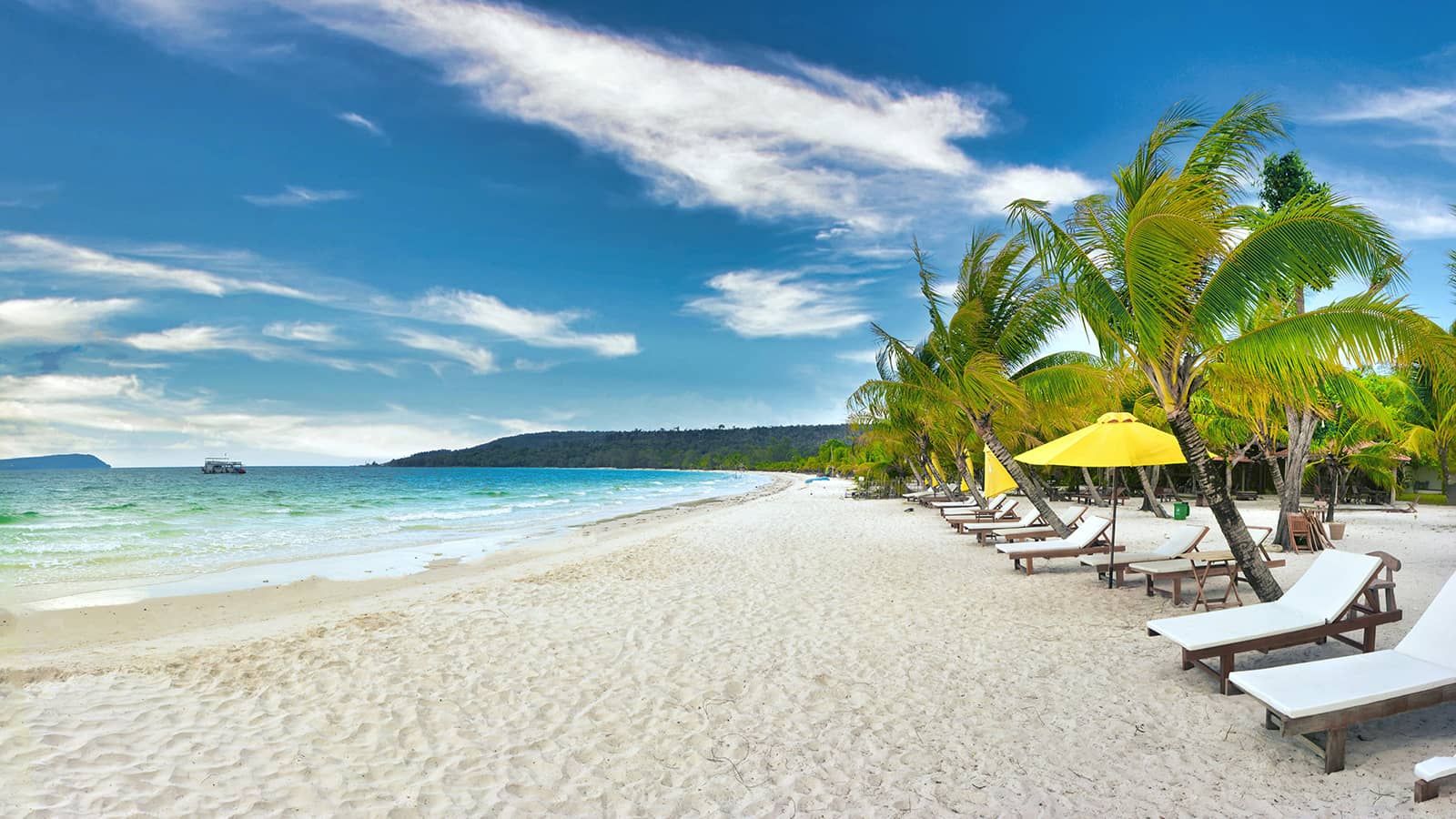
📷 Featured image by Sanush Radalage on Unsplash.