On this page
- What Makes the Mossy Forest Worth the Effort
- Understanding the Mossy Forest — Altitude, Ecosystem and What You’re Actually Walking Into
- The Main Trails — Routes, Distances and Difficulty Ratings
- What to Expect on the Walk — Sensory Reality, Terrain and Crowd Patterns
- How to Get to the Mossy Forest Trailhead in 2026
- What to Wear and Pack — Gear Specific to This Environment
- Guided vs Self-Guided — Which Makes More Sense Here
- Conservation Rules and New Regulations in 2026
- Best Time to Hike — Weather Windows, Mist Timing and Seasonal Advice
- Where to Eat Before or After the Hike
- Budget Breakdown — Trail Fees, Guides and Daily Costs in MYR
- Frequently Asked Questions
💰 Click here to see Malaysia Budget Breakdown
💰 Prices updated: October, 2026. Budget figures are estimates — always verify before travel.
Exchange Rate: $1 USD = RM4.08
Daily Budget (per person)
Shoestring: RM100.00 – RM180.00 ($24.51 – $44.12)
Mid-range: RM250.00 – RM450.00 ($61.27 – $110.29)
Comfortable: RM500.00 – RM1,000.00 ($122.55 – $245.10)
Accommodation (per night)
Hostel/guesthouse: RM30.00 – RM60.00 ($7.35 – $14.71)
Mid-range hotel: RM110.00 – RM200.00 ($26.96 – $49.02)
Food (per meal)
Budget meal: RM15.00 ($3.68)
Mid-range meal: RM35.00 ($8.58)
Upscale meal: RM100.00 ($24.51)
Transport
Single metro/bus trip: RM2.00 ($0.49)
Monthly transport pass: RM50.00 ($12.25)
Getting to the Mossy Forest at the top of Gunung Brinchang is still one of the most rewarding things you can do in Cameron Highlands — but in 2026, the experience has changed enough that outdated travel blogs will send you in the wrong direction. The boardwalk access system has been tightened, some self-guided entry points now require advance registration, and the road up Gunung Brinchang is periodically closed to private vehicles on weekends. If you show up unprepared, you risk wasting half a day sorting logistics. This guide is built around current conditions so you can focus on the forest itself.
What Makes the Mossy Forest Worth the Effort
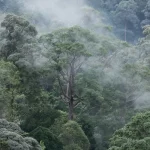
Cameron Highlands sits at around 1,500 metres above sea level, and at the summit of Gunung Brinchang — the highest accessible peak in the highlands at 2,032 metres — the vegetation transforms completely. The mossy forest is not a marketing name. It is a legitimate ecological zone where every surface is coated in thick, dripping moss: tree trunks, roots, fallen logs, even rocks you can barely see under the green. The air smells like cold earth and wet leaves, faintly sweet and faintly mineral at the same time.
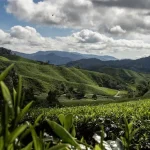
Most visitors to Cameron Highlands spend their time at tea plantations, strawberry farms, and the market in Brinchang town. The mossy forest sits above all of that, both literally and in terms of the experience it offers. It is quieter, stranger, and more atmospheric than anything else in the highlands. On a clear morning, the mist rolls through the tree canopy in slow waves. On a cloudy afternoon, it closes in entirely and you are walking through a white wall of cloud with the sound of water dripping from every branch around you.
Understanding the Mossy Forest — Altitude, Ecosystem and What You’re Actually Walking Into
The term “mossy forest” refers specifically to upper montane forest — a high-altitude ecosystem that exists where persistent cloud cover keeps humidity near 100% year-round. Gunung Brinchang’s summit is almost always in the clouds, which is exactly why the moss grows so densely. The trees here are shorter and more gnarled than lowland rainforest. Rhododendrons grow alongside pitcher plants. The root systems are exposed and twisted, forming natural steps and bridges across the trail.
What surprises most visitors is the silence. You expect a tropical forest to be loud — birds, insects, the usual cacophony. The mossy forest is different. At altitude and in mist, sound is dampened. You hear water moving, your own footsteps on the boardwalk, and occasionally the call of a bird you cannot see. Pitcher plants (Nepenthes spp.) line sections of the trail, their red-lidded traps hanging at ankle height. This is one of the few places in Malaysia where you can see them growing wild without any kind of detour.
The forest sits within the Raja Brooke Wildlife Sanctuary and is managed jointly by the Pahang Forestry Department and the Cameron Highlands District Council. Entry is controlled and the ecosystem is genuinely fragile — the moss takes decades to establish and is easily destroyed by foot traffic off the designated paths.
The Main Trails — Routes, Distances and Difficulty Ratings
The Gunung Brinchang Summit Boardwalk
This is the primary access route and the one most visitors take. A wooden boardwalk loops through the forest from the summit car park and telecommunications tower. The full loop is approximately 1.5 kilometres and takes 45 minutes to an hour at a comfortable pace. Elevation gain is minimal since you are already at the top — the trail undulates gently through the canopy rather than climbing steeply. Difficulty: easy to moderate. Suitable for reasonably fit adults including older travellers. The boardwalk is elevated in sections to protect root systems, but some planks are uneven and can be slippery when wet.
Trail 100 (Gunung Brinchang Forest Trail)
For hikers who want more than the boardwalk, Trail 100 descends from the summit through the mossy forest and continues into lower montane zones before eventually connecting toward the mossy forest’s edge. The full descent is around 4 kilometres one way. This trail is significantly more demanding — the path is rooted, steep in sections, and becomes treacherous when wet. It is best done with a guide. Difficulty: moderate to hard. Allow 3 to 4 hours for the descent, longer if you plan to return the same way.
Gunung Irau Trail
Gunung Irau (2,110 metres) is technically the highest peak accessible by trail in Cameron Highlands and offers even denser mossy forest than Brinchang. The trailhead starts near the Mossy Forest Hotel and the walk to the summit is about 1.8 kilometres one way, taking roughly 1 to 1.5 hours. The path is narrow, rooted, and muddy. Difficulty: moderate. Gunung Irau requires advance permit registration through the Pahang Forestry Department portal — this rule was formalised in 2025 and is strictly enforced in 2026. Groups are capped at 15 people per time slot.

What to Expect on the Walk — Sensory Reality, Terrain and Crowd Patterns
The boardwalk on Gunung Brinchang gets busy between 10:00 and 13:00, especially on weekends and Malaysian public holidays when tour groups from Ipoh and Kuala Lumpur arrive in large numbers. The wooden loop is wide enough for two people side by side but it can feel congested when a busload of visitors arrives at once. If you are there for the atmosphere rather than the crowd, arrive before 08:30 or after 14:30.
Underfoot, the boardwalk sections are manageable but the earth sections between platforms are a different matter. Exposed roots crisscross the path at ankle height. In wet conditions — which is most conditions — they are genuinely slippery. Walking poles are useful here, not for the elevation but for the footing. The soil itself is dark brown and peaty, spongy when you step off the designated path, and it collapses easily. This is one reason the conservation rules about staying on the trail are taken seriously.
Temperature at the summit hovers between 12°C and 18°C depending on the time of day and cloud cover. After rain, it can feel colder than that due to wind chill. The mist arrives and departs unpredictably. Some days the forest is clear and you can see across ridgelines; other days visibility drops to 10 metres within minutes. Neither experience is better — they are just different, and both are worth having.
How to Get to the Mossy Forest Trailhead in 2026
The main access point for the Gunung Brinchang mossy forest is the summit car park at the top of Jalan Gunung Brinchang, a steep winding road that branches off the main highlands highway north of Brinchang town.
Private car or rental: Drive up Jalan Gunung Brinchang directly. The road is sealed but narrow with sharp hairpin bends. From Brinchang town centre it takes about 20 to 25 minutes. On Saturdays, Sundays, and public holidays in 2026, the road is restricted to one-way uphill traffic between 08:00 and 12:00, and one-way downhill between 12:00 and 16:00. This is a newer traffic management measure introduced to reduce congestion at the summit.
Grab: Available from Tanah Rata and Brinchang but driver supply to the summit is limited. Expect to wait 15 to 30 minutes for a match, and confirm the driver is willing to go all the way to the summit before accepting — some stop at the lower car park. Grab back down is unreliable; arrange a return pickup time with your driver before they leave.
Organised day tours: Several guesthouses in Tanah Rata and Brinchang run daily mossy forest tours with minivan transfers. These typically include the boardwalk walk, a guide, and return transport for MYR 80 to MYR 120 per person. This is the most hassle-free option if you are without a car.
For Gunung Irau: The trailhead is near the Mossy Forest Hotel on the main highlands road between Brinchang and the BOH Sungai Palas tea plantation turnoff. It is reachable by Grab or private car. No public bus service runs to this point.
What to Wear and Pack — Gear Specific to This Environment
Standard Cameron Highlands advice applies here — long sleeves, light layers — but the mossy forest has specific demands. The temperature is colder than the rest of the highlands and the humidity means that even a light rain jacket becomes necessary. Pack for cold and wet simultaneously.
- Footwear: Waterproof hiking shoes or boots with a grippy sole. Sandals and flat trainers are not suitable — the rooted terrain is unforgiving. Trail runners with good tread work if they have some water resistance.
- Layers: A moisture-wicking base layer plus a light fleece or long-sleeved shirt plus a waterproof outer shell. Three layers sounds like a lot for Malaysia but you will use all three at 2,000 metres in mist.
- Rain poncho or jacket: Not optional. The mist alone is enough to dampen clothing over an hour. A packable poncho takes up almost no space.
- Walking poles: Highly recommended for Trail 100 and Gunung Irau. Not essential for the boardwalk loop.
- Water: At least 1 litre per person for the boardwalk loop; 2 litres for longer trails. There is a small café at the Gunung Brinchang summit that sells drinks but supply varies.
- Snacks: Bring your own. The summit café has limited options and is not always open.
- Insect repellent: The mossy forest has fewer mosquitoes than lowland jungle but leeches are present, especially after rain. Leech socks or tucking trousers into socks reduces the risk significantly.
Guided vs Self-Guided — Which Makes More Sense Here
For the Gunung Brinchang boardwalk loop, a guide is not necessary. The path is clear, well-signed, and short enough that navigation is not a concern. A knowledgeable guide will point out pitcher plants, specific moss species, and bird calls you would otherwise miss — which adds real value — but it is not a safety requirement.
For Trail 100 and Gunung Irau, a guide is strongly recommended for first-time visitors. The trails are less maintained, the route markings are inconsistent, and mobile signal is weak to nonexistent at altitude. A local guide costs MYR 80 to MYR 150 per group for a half-day. Several reputable operators are based in Tanah Rata — CS Travel and Cameron Highlands Eco Tours are among the better-known names with guides who have specific mossy forest experience.
If you are an experienced hiker with good navigation skills and a downloaded offline map (Maps.me or AllTrails both have Gunung Irau tracked), self-guided is feasible. Just ensure your permit is registered and tell someone at your guesthouse your plan and expected return time.
Conservation Rules and New Regulations in 2026
The Pahang Forestry Department tightened access rules significantly after a period of over-tourism damage between 2022 and 2024. The following rules are enforced in 2026:
- Stay on designated trails and boardwalks at all times. Off-path walking is prohibited and rangers patrol regularly.
- No picking, collecting, or disturbing any plant or animal — this includes moss, pitcher plants, and ferns. Fines start at MYR 500.
- No littering. Carry out everything you carry in. There are limited bins at the Brinchang summit but none on backcountry trails.
- Gunung Irau requires advance online permit registration. Groups of more than 15 people are not permitted on the trail simultaneously.
- No drones in the forest zone. The airspace above the mossy forest is restricted due to the wildlife sanctuary designation.
- Campfires and overnight camping require a separate permit and are generally not approved for tourist groups.
Best Time to Hike — Weather Windows, Mist Timing and Seasonal Advice
Cameron Highlands receives rain year-round, so there is no dry season in the lowland sense. The forest is always wet. The practical question is when the rain is heavy enough to make hiking unpleasant versus when it is a manageable drizzle or intermittent shower.
Best months: February, March, and June to early July tend to have the most stable weather with the clearest mornings. April and November are typically the wettest months — trail conditions deteriorate and the mist on Gunung Brinchang can persist all day without any clear windows.
Best time of day: Early morning — departing Brinchang town by 07:30 to 08:00 — gives you the best chance of clear conditions before the daily cloud build-up. By 11:00, clouds are usually rolling in. Afternoon rain is common from 14:00 onward. This pattern holds most of the year.
Malaysian school holidays and long weekends: The trail crowds noticeably. If your trip falls during a major Malaysian public holiday, consider Gunung Irau over the Brinchang boardwalk — fewer people are willing to do the extra steps for the permit, so it stays quieter.
Where to Eat Before or After the Hike
You will almost certainly be hungry after a morning in the cold forest. These are specific spots worth heading to in the Cameron Highlands:
Restoran Bunga Suria, Brinchang town: A standard Malaysian kopitiam two blocks from the central market. Teh tarik, roti canai, and nasi lemak. Opens at 07:00, which makes it useful for a pre-hike breakfast before the drive up. Budget MYR 6 to MYR 12 per person for a full breakfast.
Night Market, Brinchang (Thursdays to Sundays): The pasar malam in Brinchang town sells corn on the cob grilled over charcoal, local jungle fern stir-fried with sambal, and strawberry-based drinks from vendors along the main street. The charred sweetness of the corn pairs oddly well with cold post-hike fatigue. Open from around 17:00.
Cafe de Bras, Tanah Rata: A longer drive from Brinchang but well worth it for a sit-down post-hike meal. Serves local-Chinese food — steam boat, tofu dishes, highland vegetables — in a relaxed setting. Popular with both locals and visitors. Mains from MYR 15 to MYR 35.
The Lord’s Cafe, Tanah Rata: Cameron Highlands’ best-known kopitiam for tea and toast. Serves white coffee, fresh highland strawberry jam on thick-cut bread, and simple egg dishes. The atmosphere — wooden furniture, low ceilings, the smell of roasted coffee — makes it a good place to decompress after a morning in the forest.
Budget Breakdown — Trail Fees, Guides and Daily Costs in MYR
Cameron Highlands hiking is relatively affordable by any standard, though 2026 prices reflect cost increases across accommodation and transport compared to 2023.
- Gunung Brinchang boardwalk entry: Free (no entry fee, though parking at the summit is MYR 3 per car)
- Gunung Irau permit: Free to register, no fee charged in 2026
- Local guide (half-day, per group): MYR 80 to MYR 150
- Organised day tour from Tanah Rata/Brinchang (transport + guide): MYR 80 to MYR 120 per person
- Grab to summit (one way): MYR 15 to MYR 25 depending on wait time and surge
- Budget accommodation in Brinchang or Tanah Rata: MYR 40 to MYR 80 per night (hostel dorm or basic guesthouse)
- Mid-range guesthouse or heritage hotel: MYR 150 to MYR 280 per night
- Comfortable hotel (The Smokehouse, Copthorne): MYR 350 to MYR 600 per night
- Daily food budget (budget eater): MYR 30 to MYR 50
- Daily food budget (mid-range, mix of hawker and cafe): MYR 60 to MYR 100
- Total daily spend (budget tier, including guide share): MYR 100 to MYR 150
- Total daily spend (mid-range): MYR 250 to MYR 400
Frequently Asked Questions
Do I need a permit to hike the Mossy Forest in Cameron Highlands?
For the Gunung Brinchang boardwalk loop, no permit is required. For Gunung Irau, an advance permit registration through the Pahang Forestry Department’s online portal is mandatory as of 2025 and enforced in 2026. The permit is free but must be booked at least a day before your hike, ideally 3 days ahead on weekends.
Is the Mossy Forest suitable for children or elderly visitors?
The main boardwalk at Gunung Brinchang summit is suitable for children and older adults who are reasonably mobile. It is short, mostly flat, and well-maintained. The more demanding trails — Trail 100 and Gunung Irau — require good fitness and sure footing. Wet planks and exposed roots make them unsuitable for young children or those with mobility issues.
How long does it take to hike the Mossy Forest?
The Gunung Brinchang boardwalk loop takes 45 minutes to 1 hour at a relaxed pace. Gunung Irau is a 3 to 4 hour round trip including time at the summit. Trail 100 as a full descent takes 3 to 4 hours one way. Allow extra time for wet conditions, which slow the pace on rooted sections considerably.
What is the weather like at the Mossy Forest and when is the best time to visit?
The summit is almost always in cloud and stays between 12°C and 18°C year-round. February, March, and June offer the most stable mornings. Arrive before 09:00 for the clearest conditions. April and November are the wettest months. Rain can start any afternoon regardless of season — always pack a rain layer.
Are there leeches in the Mossy Forest?
Yes, particularly on the earth trails like Gunung Irau and Trail 100. The boardwalk section is less prone. Leeches are most active after rain. Wearing long trousers tucked into socks and applying insect repellent to footwear and ankles reduces contact significantly. Leech socks, available at outdoor shops in Tanah Rata, are a practical solution for MYR 10 to MYR 20 per pair.
📷 Featured image by Ilyas Suhaimi on Unsplash.