💰 Click here to see Malaysia Budget Breakdown
💰 Prices updated: October, 2026. Budget figures are estimates — always verify before travel.
Exchange Rate: $1 USD = RM4.08
Daily Budget (per person)
Shoestring: RM100.00 – RM180.00 ($24.51 – $44.12)
Mid-range: RM250.00 – RM450.00 ($61.27 – $110.29)
Comfortable: RM500.00 – RM1,000.00 ($122.55 – $245.10)
Accommodation (per night)
Hostel/guesthouse: RM30.00 – RM60.00 ($7.35 – $14.71)
Mid-range hotel: RM110.00 – RM200.00 ($26.96 – $49.02)
Food (per meal)
Budget meal: RM15.00 ($3.68)
Mid-range meal: RM35.00 ($8.58)
Upscale meal: RM100.00 ($24.51)
Transport
Single metro/bus trip: RM2.00 ($0.49)
Monthly transport pass: RM50.00 ($12.25)
Cameron Highlands has been on every Malaysian itinerary for decades, but in 2026 it’s more crowded than ever on weekends — especially after the upgraded highway access made the drive from Kuala Lumpur faster. First-time visitors often arrive with a vague plan to “see the tea and strawberries” and end up stuck in a tourist bus loop that misses the genuinely beautiful parts. This guide cuts through that and tells you exactly which destinations are worth your limited day-trip hours.
The Tea Plantations Worth Your Time
There are several tea estates in Cameron Highlands, but they are not all equal. The two that consistently deliver are BOH Sungai Palas Tea Centre and BOH Habu Tea Estate. Most visitors default to Sungai Palas because it appears on every tour package — and it is genuinely impressive. The plantation sprawls across the hillside at around 1,500 metres elevation, and on a clear morning the green rows of tea bushes stretch to the horizon with low cloud sitting just above the ridgeline. The viewing deck overlooks the factory and you can watch the withering, rolling, and drying process through the glass panels.
BOH Habu is the better choice if you want fewer crowds. It sits lower in the valley near Ringlet and the visitor centre is smaller, but the tea here is the same quality. The drive to Habu is also more scenic — you pass through old rubber smallholdings before the land opens up into the estate.
The third option that most guides ignore is Bharat Tea Estate, which does not have a formal visitor centre but can be viewed from the roadside along the Cameron Highlands–Ringlet road. No cafe, no crowds, just the raw scale of commercial tea farming.
Mossy Forest and Nature Trails
The Mossy Forest on Gunung Brinchang is one of the most atmospheric places in all of peninsular Malaysia. At 2,031 metres, it is the highest point accessible by road in the country. The forest here is genuinely strange — gnarled trees dripping with thick moss, pitcher plants growing at the path edges, and an almost permanent mist that muffles sound and cuts visibility to a few dozen metres. The air smells of cold earth and wet wood.

In 2025, the Cameron Highlands local authority completed a significant renovation of the main boardwalk through the Mossy Forest. The elevated timber walkway now extends further than before and is in good condition as of early 2026. It keeps your shoes dry and protects the fragile root systems below. The trail takes around 45 minutes to walk at a relaxed pace.
To reach Gunung Brinchang, drive or take a taxi to the summit road. There is a telecommunications tower at the top and a small lookout platform. On clear days — rare but possible before 9am — you can see across the Cameron valley. For a lower-key trail, Jungle Trail 10 near Tanah Rata is a well-marked 2-hour loop through secondary forest that does not require a guide and is suitable for most fitness levels.
Strawberry Farms and Vegetable Gardens
Cameron Highlands genuinely does grow strawberries, and the cool climate also supports temperate vegetables — lettuce, tomatoes, flowers — that would wilt in the lowlands. The problem is that some roadside “farms” are more prop than working farm, selling imported strawberries at local prices.
The farms worth visiting are Big Red Strawberry Farm near Kea Farm market and Ee Feng Gu Honey Bee Farm, which doubles as an educational stop about highland beekeeping. At Big Red, you can pay to pick your own strawberries from the growing tables — it costs around MYR 20–30 per box depending on season, and the fruit is fresh and sweet, noticeably more intense than what you buy at a supermarket in KL.
For vegetables, walk through Kea Farm market in Brinchang rather than stopping at farm gates. The market stalls here sell directly from the surrounding farms — cabbages, spring onions, corn, and chrysanthemum flowers piled high on tables. It is chaotic and colourful and is a more honest look at Cameron’s agricultural economy than most packaged tours offer.
Cameron Highlands Towns — Tanah Rata, Ringlet, Brinchang
Tanah Rata is the main town and the most useful base for day trippers. It has the widest selection of restaurants, a handful of guesthouses, banks, and a small bus terminal. The main street has a lived-in feel — local Indian and Malay restaurants sit next to souvenir shops, and the food here is genuinely good. Try the curry laksa at any of the Indian Muslim restaurants on the main strip; the cool highland air makes a hot bowl of broth hit differently than it does at sea level.

Brinchang sits higher up and is smaller but has the Kea Farm market and the road to Gunung Brinchang. It fills up fast on weekends. The Chinese restaurants here are the ones that highland regulars recommend — look for places serving wild boar and highland vegetables, which are hyper-local dishes you will not find easily in KL.
Ringlet is often skipped, and understandably so — it is the first town you pass through coming from KL and feels scruffier and less developed. But the Habu Tea Estate is nearby, and the Sultan Abu Bakar Lake (Ringlet reservoir) gives you a completely different visual — still blue water surrounded by hills rather than tea rows. It takes about 20 minutes to drive the perimeter and it is worth the detour if you have a car.
2026 Budget Reality
Cameron Highlands is not expensive, but costs have risen noticeably since 2024 as demand and fuel prices have both gone up.
- Bus from KL (Terminal Pudu Sentral) to Tanah Rata: MYR 25–35 per person one way on Plusliner or Transnasional
- Self-drive petrol from KL (approx. 200 km): Budget MYR 60–80 for a full round trip in a standard car
- Grab / taxi within Cameron Highlands: MYR 15–35 per trip depending on distance
- BOH Sungai Palas entry: Free. Tea and cake at the café costs around MYR 15–25 per person
- Mossy Forest / Gunung Brinchang access: No entry fee as of 2026
- Strawberry picking: MYR 20–35 per box
- Budget lunch (kopitiam or Indian Muslim restaurant): MYR 8–15 per person
- Mid-range restaurant meal: MYR 30–55 per person
- Comfortable sit-down lunch with drinks at a café: MYR 50–80 per person
A realistic day-trip budget for two people travelling by car from KL, including petrol, one tea plantation stop, lunch, and a farm visit, runs to roughly MYR 150–220 total.
How to Get There and Move Around
From Kuala Lumpur, the most straightforward option is to drive via the Simpang Pulai route — take the North-South Expressway (PLUS) toward Ipoh, exit at Simpang Pulai, and follow the B185 highland road up. This route is well-signposted and in better condition than the older Tapah route. Total driving time from KL is around 2.5 to 3 hours in normal traffic. The road from Simpang Pulai is winding for the last 40 km, so slow drivers and those prone to car sickness should take this seriously.
From Ipoh, Cameron Highlands is about 1.5 hours by car. Buses also run from Ipoh’s Amanjaya terminal, making it a viable option if you are already travelling along the west coast rail corridor on the KTM ETS line in 2026.

From Penang, most travellers take the ETS train to Ipoh and connect by bus or hire car from there. Direct buses from Penang Sentral to Cameron Highlands also operate — journey time is around 3.5 hours.
Once in Cameron Highlands, the easiest way to move between Tanah Rata, Brinchang, and the plantations is by Grab or local taxi. There is a local bus service (LPKN bus) that runs between towns for MYR 1–2 per trip, but schedules are limited and it does not reach the tea plantation viewpoints. If you want flexibility, renting a car from Ipoh and driving up is the most practical option for a full day.
Timing Your Visit
The single most important timing decision is weekday versus weekend. On Saturday and Sunday, the main roads through Brinchang can back up for 30 minutes or more, parking at BOH Sungai Palas fills by 10am, and Kea Farm market becomes genuinely difficult to navigate. If you have the flexibility, Tuesday through Thursday is significantly calmer.
Within any given day, aim to arrive at Gunung Brinchang or the Mossy Forest first — before 9am if possible. Mist and cool air are thickest in the morning, which is when the forest feels most alive. Tea plantation cafés are good for mid-morning once the factory is in full operation. Afternoons bring heavier clouds and occasional afternoon rain between March and October, so outdoor activities are better done before 2pm.
The Malaysian school holiday periods — June, November, and December — are the busiest windows. Chinese New Year weekend, which falls in late January or February, also draws massive crowds from the lowland Chinese communities who come specifically for the cooler weather.
Frequently Asked Questions
How long does a Cameron Highlands day trip actually take?
Realistically, you need 10–12 hours to cover the main destinations without rushing. If you are driving from KL, factor in 5–6 hours of travel time round trip. This makes Cameron Highlands a long but manageable day trip — or a more relaxed overnight stay if you want proper time at each stop.
Is Cameron Highlands suitable for young children?
Yes, with some planning. The tea plantation viewing decks are pram-accessible, and strawberry farm picking is popular with children. The Mossy Forest boardwalk involves steps and uneven surfaces — manageable for children who can walk steadily. Avoid bringing very young children on the Gunung Brinchang summit road, which has no barriers at some points.

What should I wear for Cameron Highlands in 2026?
Bring at least one light layer — a fleece or light jacket. Temperatures at the top of Gunung Brinchang can drop to 12–15°C, especially in the morning. Comfortable walking shoes with grip are important for forest trails. Rain is possible any month, so a compact umbrella or light rain jacket is worth packing.
Can I do Cameron Highlands as a day trip from Penang?
It is possible but demanding. The total travel time from Penang (Ipoh connection by ETS train, then bus or taxi) is around 3.5–4 hours each way, leaving limited time at the destination. Most travellers from Penang find it more satisfying to stay one night in Tanah Rata and return the following day.
Are there entry fees for Cameron Highlands attractions in 2026?
Most major sites are free to enter. BOH Sungai Palas Tea Centre, the Mossy Forest boardwalk, and Kea Farm market have no entrance charge. You pay for what you consume — tea, cakes, strawberry picking, or produce. Some private farms charge a small fee of MYR 5–10 to enter their growing areas.
Explore more
Cameron Highlands Itinerary: Plan Your Perfect 2, 3, or 4-Day Trip
Where to Go After Dark in Cameron Highlands: Top Bars & Venues
Cameron Highlands Itinerary: How to Spend a Perfect 2 or 3 Days
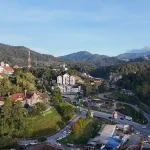
📷 Featured image by kaliebmann _ on Unsplash.